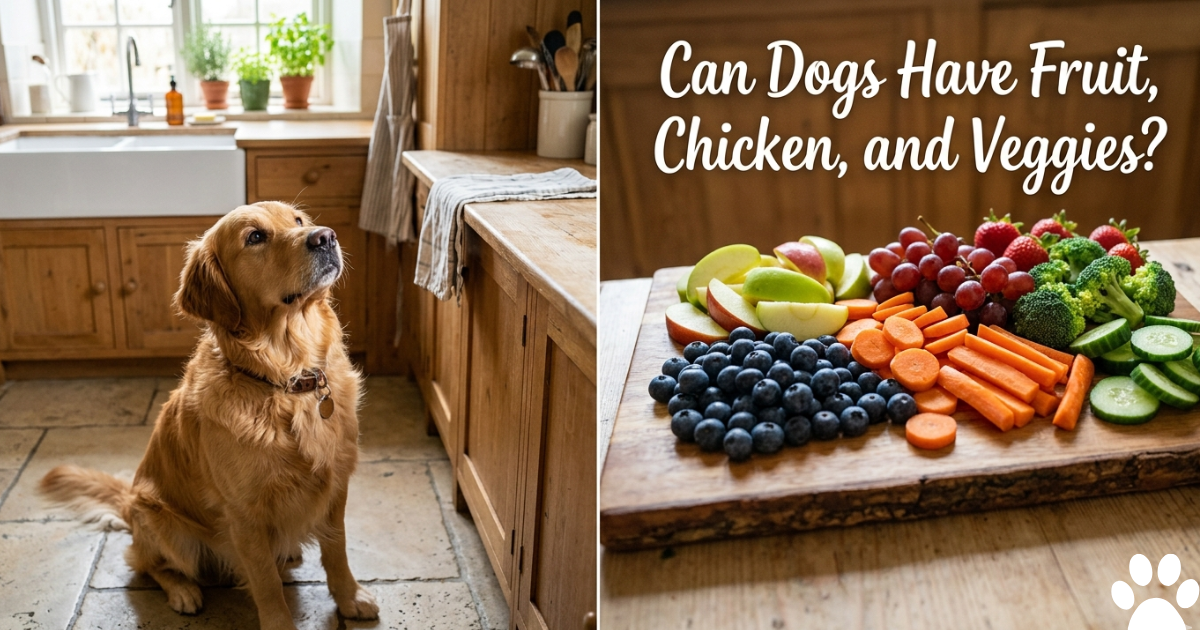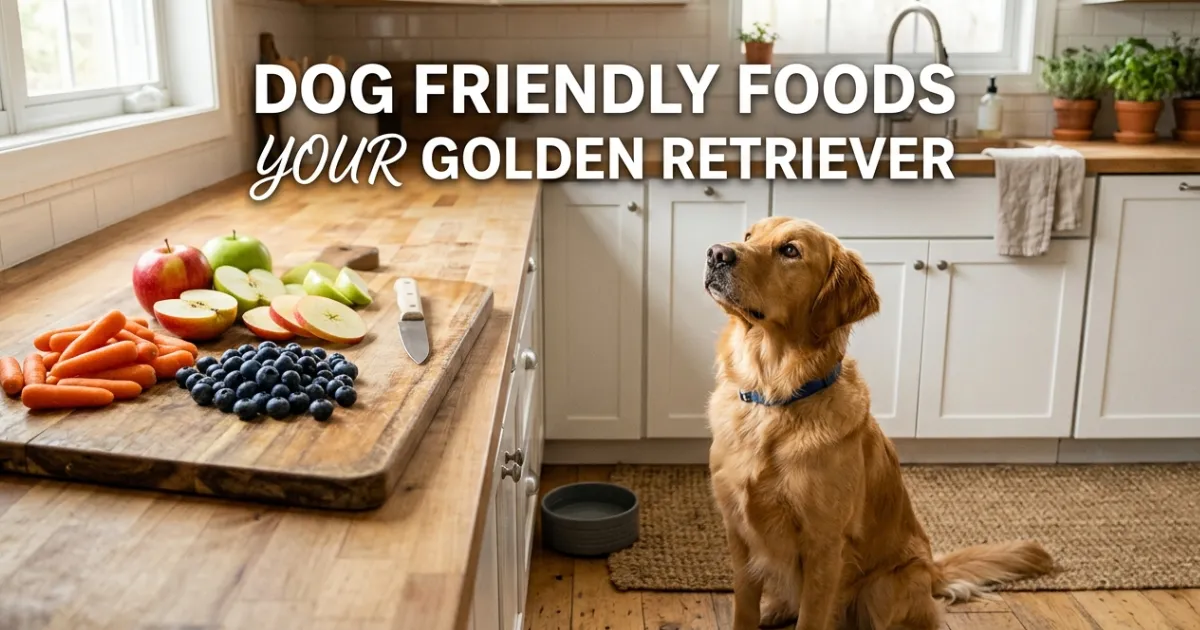
Many human foods are safe foods for dogs, and Golden Retrievers can eat a wide variety of fruits, vegetables, lean proteins, and whole grains alongside their regular diet. The key is knowing which foods are okay, in what amounts, and why a Golden’s specific physiology changes the calculus compared to other breeds.
Most dog owners find this out the hard way, their Golden gives them the look, they cave, and two minutes later they’re Googling whether broccoli causes gas. The answer is yes, a little. But more importantly, what most generic lists miss is that Golden Retrievers are among the most food-motivated breeds, and nearly 63% are overweight, according to data from the Association for Pet Obesity Prevention. That means every “safe” food still needs a serving size. Safe and unlimited are two very different things.
Golden Retrievers carry an above-average risk of joint disease, certain cancers, and hypothyroidism. Extra calories from treats accelerate every one of those risks. A blueberry is harmless. Twenty blueberries a day, every day, on top of full meals, quietly adds up. This guide gives you the full picture of what dogs can eat, what Goldens specifically need to watch out for, and how to make food-sharing part of a healthy routine rather than a slow drift toward the vet.
Safe Foods for Dogs: The Complete List Your Golden Can Enjoy
Safe foods for dogs fall into five categories: fruits, vegetables, proteins, grains, and dairy. Each carries its own serving rules, and for a Golden Retriever, those rules matter more than they do for many other breeds.
Fruits That Are Okay for Dogs
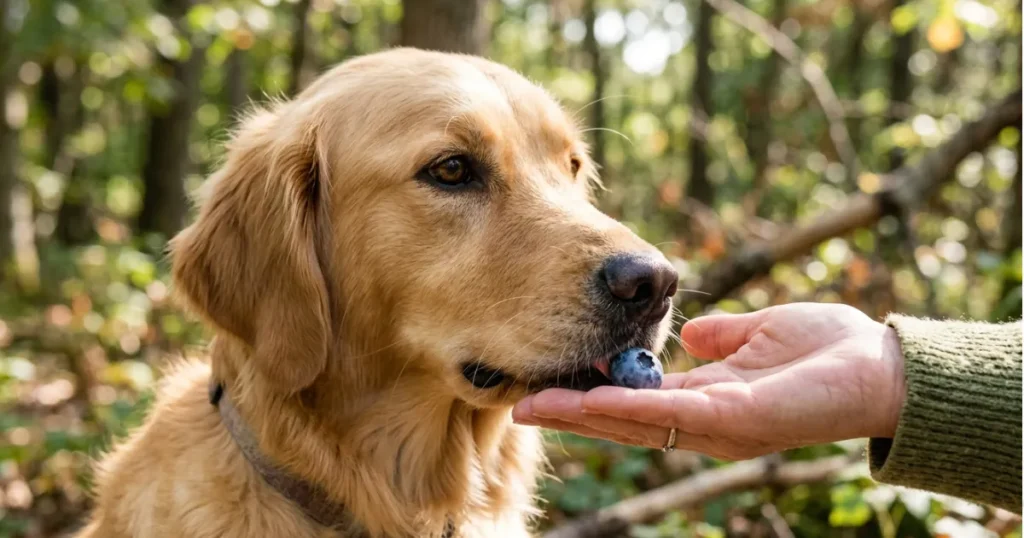
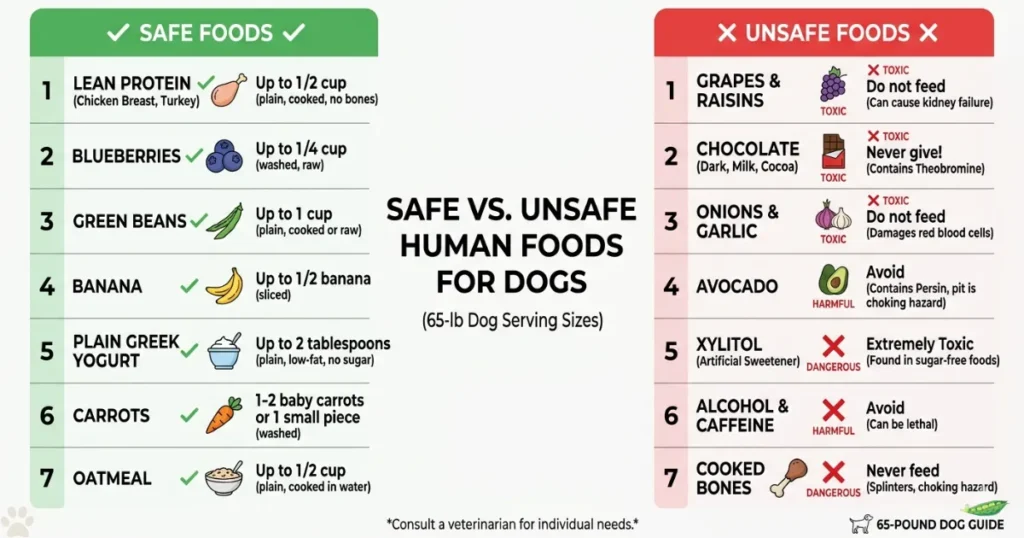
Apples, blueberries, strawberries, watermelon, bananas, and cantaloupe are all dog friendly foods that most Goldens genuinely enjoy. The ASPCA confirms that these fruits are safe when cut into bite-sized pieces with seeds, cores, and stems removed.
For a 65-pound adult Golden Retriever, a reasonable fruit serving is two to three medium strawberries, a small handful of blueberries (roughly 10-15), or one to two thin apple slices. The natural sugar content in fruit is the main reason to keep portions small. Bananas are higher in sugar and calories than most owners realize. One or two thin slices as an occasional treat is fine. Half a banana daily is not.
Grapes and raisins are a hard stop. They contain an unidentified compound that causes acute kidney failure in dogs. Even a small amount can be life-threatening, and the mechanism does not require a large dose. The ASPCA Animal Poison Control Center lists grapes among the most dangerous foods for dogs. If your Golden eats even a few grapes, call your vet immediately.
Vegetables Dogs Can Eat Safely
Carrots, green beans, broccoli, cooked pumpkin, celery, and cauliflower are all things dogs can eat and actually benefit from. Carrots are particularly useful for Goldens because they are low in calories, high in fiber, and provide something to chew without adding fat. I keep baby carrots in the fridge as a go to training treat for exactly this reason.
Broccoli is safe in small amounts, but the florets contain isothiocyanates that can cause gastric irritation in larger servings. For a 65-pound Golden, keep broccoli to a tablespoon or two of florets per day. Cooked sweet potato is a more forgiving option: higher in fiber, easier to digest, and a genuinely useful carbohydrate source that doesn’t spike caloric load the way commercial treats do.
Onions, garlic, chives, and leeks are toxic to dogs at any volume. These alliums cause hemolytic anemia by damaging red blood cells. Garlic powder is even more concentrated than raw garlic, so seasoned table scraps or pre-made broths containing these ingredients are off the table entirely. The AKC confirms that garlic and onion toxicity applies to all forms, including powders and cooked versions.

Proteins and Dairy That Are Okay for Dogs
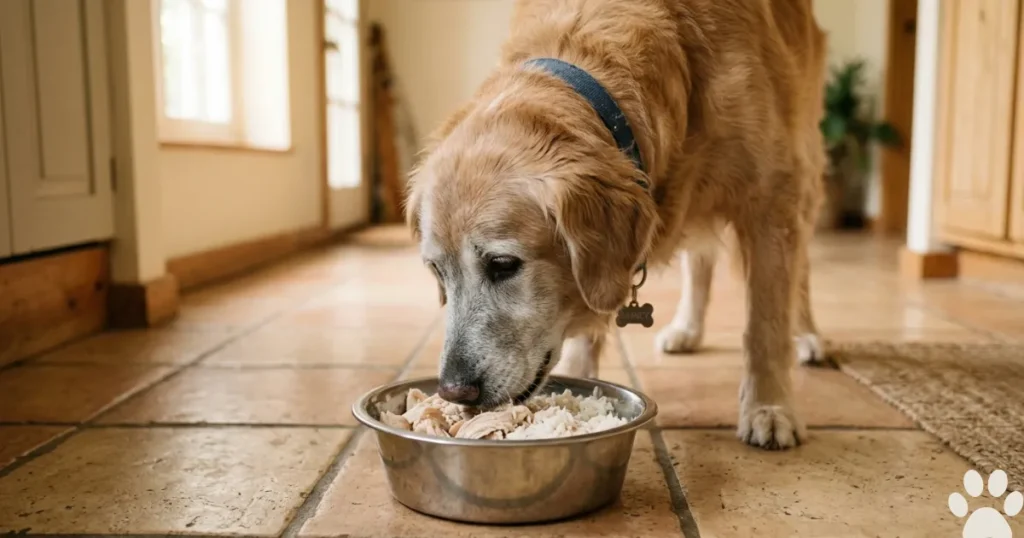
Lean cooked chicken, turkey, beef, and fish are safe foods for dogs and form the basis of most commercial dog foods for good reason. Cooked eggs are another excellent option. They are rich in protein, easy to digest, and often used to settle an upset stomach. Always cook eggs fully before serving. Raw egg whites contain avidin, an enzyme that blocks biotin absorption and can cause skin and coat problems over time.
Plain low-fat cheese and plain yogurt are fine as occasional treats if your Golden is not lactose intolerant. Small cubes of mozzarella or cottage cheese make excellent pill-hiding vehicles. Peanut butter is safe when it contains no xylitol. Always read the label. Xylitol causes a rapid, dangerous insulin release in dogs. As little as 0.1 grams per kilogram of body weight can be life-threatening, making it one of the most hazardous food additives a dog can encounter, according to VCA Animal Hospitals.
Foods That Are Okay for Dogs vs. Foods That Are Not: A Quick-Reference Table
Safe foods for dogs and unsafe ones are sometimes separated by a single ingredient or preparation method. This table covers the most common owner questions.
| Food | Safe for Dogs? | Notes for Golden Retrievers |
| Blueberries | Yes | 10–15 berries per serving; natural antioxidants benefit joint health |
| Apples | Yes | Remove seeds and core; 1–2 slices per serving |
| Bananas | Yes, in moderation | High sugar; 1–2 thin slices occasionally |
| Watermelon | Yes | Remove rind and seeds; excellent hydration treat in summer |
| Grapes/Raisins | NO — call vet | Acute kidney failure risk; any amount is dangerous |
| Carrots | Yes | Ideal low-calorie training treat; excellent for Goldens prone to weight gain |
| Broccoli | Yes, small amounts | Gastric irritation in large volumes; cap at 2 tbsp florets |
| Onions/Garlic | NO — call vet | Destroys red blood cells; powders are even more dangerous |
| Cooked chicken | Yes | Plain, boneless, skinless only |
| Cooked eggs | Yes | Fully cooked only; raw whites block biotin absorption |
| Peanut butter | Yes — check label | Must contain no xylitol; low-fat varieties better for weight-prone Goldens |
| Cheese | Yes, occasionally | Low-fat varieties preferred; avoid if lactose intolerant |
| Macadamia nuts | NO — call vet | Causes weakness, tremors, and hyperthermia within 12 hours |
| Chocolate | NO — call vet | Theobromine causes cardiac arrhythmia and seizures |
| Xylitol | NO — call vet | Triggers severe hypoglycemia at 0.1 g/kg body weight |
Serving sizes apply to a 65-pound adult Golden Retriever. Adjust proportionally for puppies and seniors. Puppies under 6 months should not receive any human food without specific vet guidance.
Dog Friendly Foods and the Golden Retriever Fat Problem
Here is the observation most generic dog-food articles skip entirely: Golden Retrievers are not built like other breeds when it comes to food motivation and weight management. They are hardwired to eat. That drive made them exceptional working dogs. In a family home with multiple people feeding them treats, it becomes a slow health liability.
Nearly 63% of Golden Retrievers in the United States are overweight, according to data collected by the Association for Pet Obesity Prevention through the Morris Animal Foundation’s Golden Retriever Lifetime Study. That number is not random. It reflects a breed that processes food motivation at a higher level than most, combined with long, dense fur that hides weight gain until it’s already significant.
The practical consequence
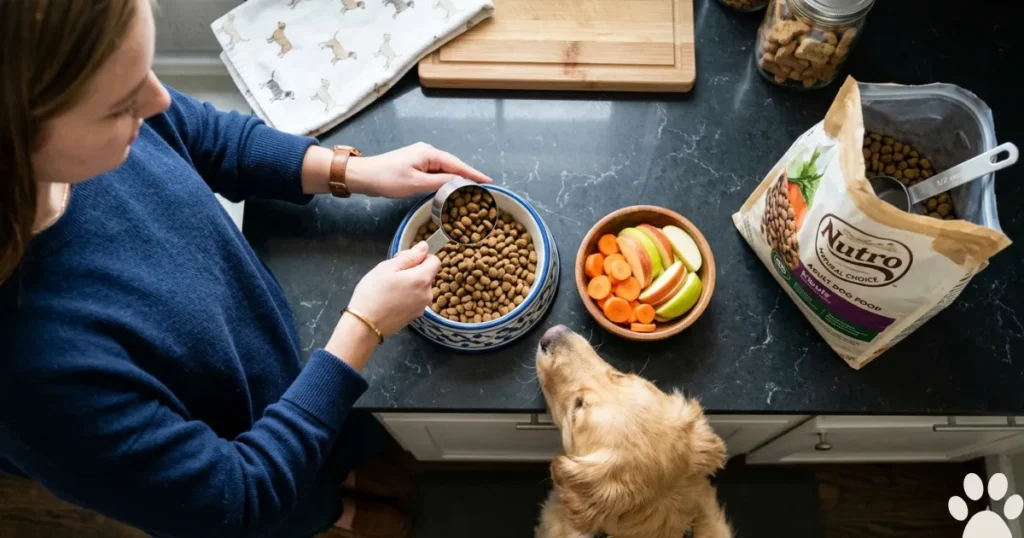
Being on the “safe” list does not mean a food is calorie-neutral. When you add up a carrot here, two biscuits there, a piece of chicken at dinner, and a banana slice at lunch, you can easily add 200-400 calories to a Golden’s day without noticing. For a dog whose maintenance requirement is roughly 1,400-1,800 calories daily, that is a 15-25% surplus. Over months, that surplus leads to joint strain, inflammation, and a shorter lifespan.
Expert Insight
The biggest mistake Golden Retriever owners make is accounting for meals but treating extras as free calories. Any food that enters the mouth counts, including training rewards. For a food-motivated breed that also carries significant orthopedic risk, those uncounted calories are not minor. They compound. Every safe treat should come with a corresponding reduction in daily kibble volume, not just a clear conscience.
Stuff Dogs Can Eat by Life Stage: Puppies, Adults, and Seniors
What dogs can eat safely varies by age. For Golden Retrievers, the life-stage question matters because puppies have different digestive and caloric profiles than adults, and seniors often carry underlying conditions that change how they process certain foods.
Golden Retriever Puppies (Under 12 Months).
For puppies under 6 months, I recommend skipping all human food supplementation entirely. Their gastrointestinal systems are still adapting to their primary food, and introducing variables makes it harder to isolate causes when digestive issues appear. After 6 months, small amounts of plain cooked chicken, cooked carrots, and plain pumpkin puree are reasonable introductions.
Never give a Golden Retriever puppy high-fat foods. The pancreas in young dogs is more sensitive to fat load, and while Goldens are not among the highest-risk breeds for pancreatitis, any diet that consistently spikes fat intake creates cumulative risk. Lean protein, low-sugar vegetables, and plain starches are the safe starting points.
Adult Golden Retrievers (1-7 Years).
This is the life stage where the variety list is widest, but the portion discipline is most critical. An adult Golden at a healthy weight (55-75 pounds depending on sex, per AKC guidelines) can enjoy most of the foods listed in the table above. The 10% rule applies here, treats and extras from all sources combined should not exceed 10% of daily caloric intake.
Senior Golden Retrievers (8 Years and Older).
Senior Goldens often develop hypothyroidism, which slows metabolism and makes weight control even harder. At this stage, high-fiber, low-fat additions like cooked green beans, plain pumpkin, and carrots become more valuable as meal extenders. They add volume and satiety without significant calories, helping seniors feel full on slightly reduced meal portions.
What to Avoid: Toxic Foods and Golden Retriever-Specific Risks.
TOXIC – Call your vet immediately:
Grapes and raisins cause rapid kidney failure through an unknown mechanism. Even two or three grapes carry a risk for a large dog. Chocolate contains theobromine, which can disrupt cardiac function and cause neurological symptoms. Dark chocolate and baking chocolate are far more dangerous than milk chocolate, but no chocolate is safe. Xylitol, found in sugar-free gum, some peanut butters, and baked goods, triggers severe hypoglycemia by causing a dangerous insulin release. Macadamia nuts cause weakness, tremors, vomiting, and hyperthermia, typically within 12 hours of ingestion. Onions and garlic in all forms, including powders and cooked preparations, destroy red blood cells and cause hemolytic anemia.
PROBLEMATIC – Monitor for 24-48 hours:
Raw bread dough can cause bloating and alcohol toxicity because the yeast ferments in the stomach. Corn on the cob is not toxic, but the cob itself is a choking hazard. Too much dairy causes diarrhea and gas in lactose-intolerant dogs. If your Golden eats a meaningful amount of any of these and shows vomiting, lethargy, bloating, or refusal to eat within 12 hours, call your vet.
UNSUITABLE for Golden Retrievers specifically:
High-fat table scraps such as turkey skin, bacon, or trimmed steak fat are not acutely toxic but are poorly suited to a breed prone to weight gain and sensitive to dietary fat spikes. Goldens that regularly receive fatty table scraps are at higher risk of digestive disruption and, over time, inflammatory disease. Feeding a Golden table scraps from a holiday meal is one of the most common triggers for an unplanned emergency vet visit.
When to Call the Vet.
| URGENT — Call immediately | MONITOR — Watch for 24–48 hours |
| Any amount of grapes, raisins, or grape juice consumed | One or two bites of high-fat food in a dog with no prior symptoms |
| Xylitol ingestion from any source | Mild loose stool after introducing a new food |
| Chocolate or cocoa ingestion (any amount) | Occasional vomiting after eating too fast |
| Macadamia nut ingestion | Mild gas or bloating after broccoli or cauliflower |
| Onion or garlic ingestion (including powders or cooked forms) | Small amount of plain bread or starchy food |
| Seizures, tremors, or collapse after eating anything unusual | Lethargy lasting less than 12 hours after a minor dietary indiscretion |
| Bloated or distended abdomen | —— |
| Pale or white gums at any point | —— |
Decision Framework: When Dog Friendly Foods Belong in Your Golden’s Diet.
If your Golden Retriever is under 6 months old, skip all human food supplements. Their digestive system is still calibrating to their primary diet, and introducing variables complicates troubleshooting.
If your adult Golden weighs more than 80 pounds, treat any “safe food” as a reason to reduce kibble at the next meal by a corresponding amount. A 10-carrot day still has calories.
If your Golden has ever been diagnosed with pancreatitis or hypothyroidism, or is considered clinically overweight by your vet, restrict extras to low-fat, high-fiber options only, plain carrots, green beans, plain pumpkin, and lean, cooked protein. Remove high-sugar fruits entirely until weight is under control.
If your Golden is at a healthy weight and active, the list of varieties in this guide is genuinely wide. The goal is not restriction. It is calibration. You can learn more about building a complete feeding approach in our Golden Retriever food Guides.
Can dogs have fruit every day?
Yes, in small amounts, but daily fruit still contributes sugar. For Goldens, I rotate fruit treats rather than offering them daily.
Can dogs have peanut butter?
Yes, as long as it contains no xylitol or added sweeteners. Choose natural, unsalted varieties. A teaspoon is a serving. A tablespoon of fat is a lot for a dog that is already prone to weight drift.
Can dogs have cheese?
In small amounts, yes. Low-fat cottage cheese or mozzarella is a better choice than cheddar or processed cheese. Cheese is calorie-dense and should be counted toward daily intake.
Can dogs have cooked chicken bones?
No. Cooked bones splinter and can cause mouth injury, intestinal puncture, or obstruction. Raw meaty bones are a separate conversation that requires individual vet guidance.
What are the safe foods for dogs to eat as everyday treats?
The safest everyday foods for dogs are plain carrots, cooked green beans, plain pumpkin puree, and small pieces of cooked lean chicken. These are low in calories, easy to digest, and provide fiber and protein without contributing to weight gain in food-motivated breeds like Golden Retrievers.
Which safe foods for dogs are also beneficial for Golden Retriever joint health?
Blueberries are safe foods for dogs that also provide antioxidants shown to reduce oxidative stress, which supports joint tissue over time. Cooked salmon and canned fish with soft bones are rich in omega-3 fatty acids, which help reduce joint inflammation. For a 65-pound Golden Retriever, a small weekly serving of cooked fish alongside regular meals can be a useful addition.
What foods that are okay for dogs can I use as low-calorie training treats?
Baby carrots, small cubes of cooked chicken breast, and thin apple slices are all foods that are okay for dogs and low in calories, making them suitable for repetitive training rewards. For a weight-prone Golden Retriever, these replacements help keep training sessions productive without exceeding 10% of daily intake.
What dog friendly foods help with Golden Retriever digestion?
Plain cooked pumpkin is one of the best dog friendly foods for digestion. It is high in soluble fiber, which firms loose stools and softens firm ones depending on what the dog needs. One to two tablespoons added to a meal is a common recommendation for Goldens with mild digestive irregularity.
What are the best things dogs can eat when they have an upset stomach?
Plain boiled chicken and white rice are the classic veterinarian-recommended options for what dogs can eat when their stomachs are unsettled. Plain cooked pumpkin puree and boiled sweet potato without seasoning are also gentle on the gut. Avoid anything fatty, dairy-based, or high in fiber until the stomach settles.
Can dogs have blueberries every day?
Yes, small amounts of blueberries are safe for dogs daily. For most medium to large dogs, 10-15 blueberries per day is a reasonable amount. More than that adds unnecessary sugar to the diet. For Goldens managing their weight, rotate blueberries with other low-calorie treats rather than offering them every day.
Can dogs have peanut butter safely?
Dogs can have peanut butter as long as it contains no xylitol, added sweeteners, or excessive salt. Natural, unsalted peanut butter is the safest option. One teaspoon is a serving for a medium to large dog. Peanut butter is calorie-dense, so it should count toward daily intake rather than be treated as a free reward.
How many treats can a dog eat per day without gaining weight?
Treats from all sources, including human foods and dog biscuits, should not exceed 10% of a dog’s daily caloric intake. For a 65-pound adult Golden Retriever with a daily requirement of roughly 1,600 calories, that means treats should not exceed 160 calories per day. Most owners significantly underestimate this.
What stuff can dogs eat that humans eat every day?
Plain cooked chicken, eggs, carrots, green beans, apples, bananas, rice, and plain yogurt are all common human foods that dogs can eat safely. The preparation matters: no seasoning, no butter, no onion or garlic in any form. Plain and simple is the rule for anything passing from your plate to your dog’s bowl.
Is it safe to give my Golden Retriever fruit as a daily treat?
Yes, in small amounts, it is safe to give Golden Retrievers fruit as a daily treat. Choose lower-sugar options like blueberries, strawberries, or apple slices, and keep serving sizes appropriate to the dog’s size. Fruit should complement a balanced diet, not replace treats designed to support weight management.
Are blueberries safe for Golden Retriever puppies?
Blueberries are safe for Golden Retriever puppies over 6 months old in very small amounts. For at least 6 months, any human food supplementation should be avoided. After 6 months, two or three blueberries at a time is a reasonable introduction. Watch for loose stools when offering any new food.
Do carrots help with Golden Retriever dental health?
Chewing raw carrots provides mild mechanical action on the teeth and helps reduce plaque buildup compared to soft treats. For Golden Retrievers, who tend to receive high volumes of treats, raw carrots are one of the best substitutions because they satisfy the chewing impulse without the calories or dental sugar of commercial biscuits.
Can Golden Retrievers eat the same fruits and vegetables as other breeds?
Golden Retrievers can eat the same fruits and vegetables as other dog breeds, but the serving sizes and frequency matter more for this breed. Their high food motivation, obesity predisposition, and elevated orthopedic risk mean that even safe foods need to be portioned against total daily caloric intake rather than offered freely.
What happens if my Golden Retriever eats grapes?
Grapes cause acute kidney failure in dogs through an unidentified mechanism. There is no established safe dose. If your Golden eats even a small number of grapes, call your vet immediately; do not wait for symptoms. Early treatment significantly improves outcomes. Do not induce vomiting without veterinary guidance.
Is it safe to give my Golden Retriever the same snacks every day, or should I rotate?
Rotating snacks is the safer approach for Golden Retrievers. Feeding the same high-reward treat daily increases begging behavior and makes it harder to reduce portion sizes when needed. Rotating between carrots, apple slices, cooked chicken bits, and blueberries keeps variety without building dependence on any one item. It also reduces the risk of excess consumption of any single nutrient.
Conclusion.
Safe foods for dogs open up a genuinely wide variety of sharing options, and Golden Retrievers can enjoy fruits, vegetables, lean proteins, and whole grains alongside their regular diet without issue. The practical takeaway is to build a short rotation of 5-6 sometimes a bit extra, portion them against your Golden’s daily caloric budget, and treat the “safe” list as a starting point rather than an open invitation.
For a breed that is both food-motivated and prone to joint disease and weight gain, calibration matters more than restriction. You can share food with your Golden in a way that supports rather than undermines their health.
What is one food you have always wondered about giving your Golden Retriever, something you eat regularly, and catch them eyeing every single time? Has your vet ever surprised you with a food that was safer than you expected, or flagged something you thought was harmless? Share what your Golden’s favorite healthy treat is and how you work it into their daily routine without throwing their weight off.