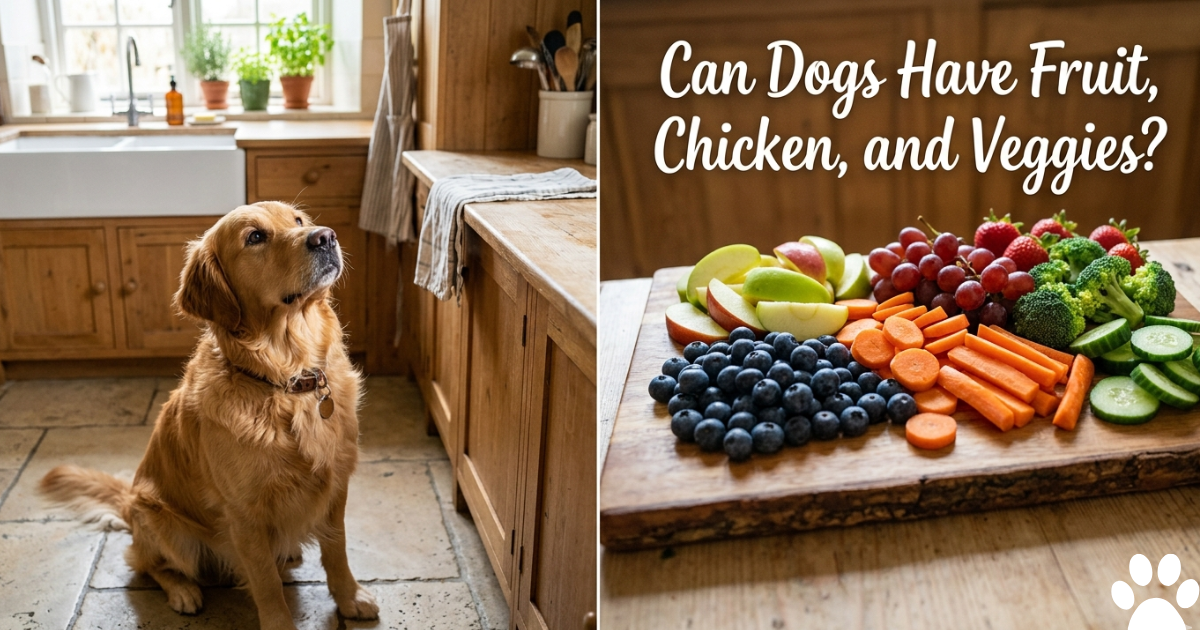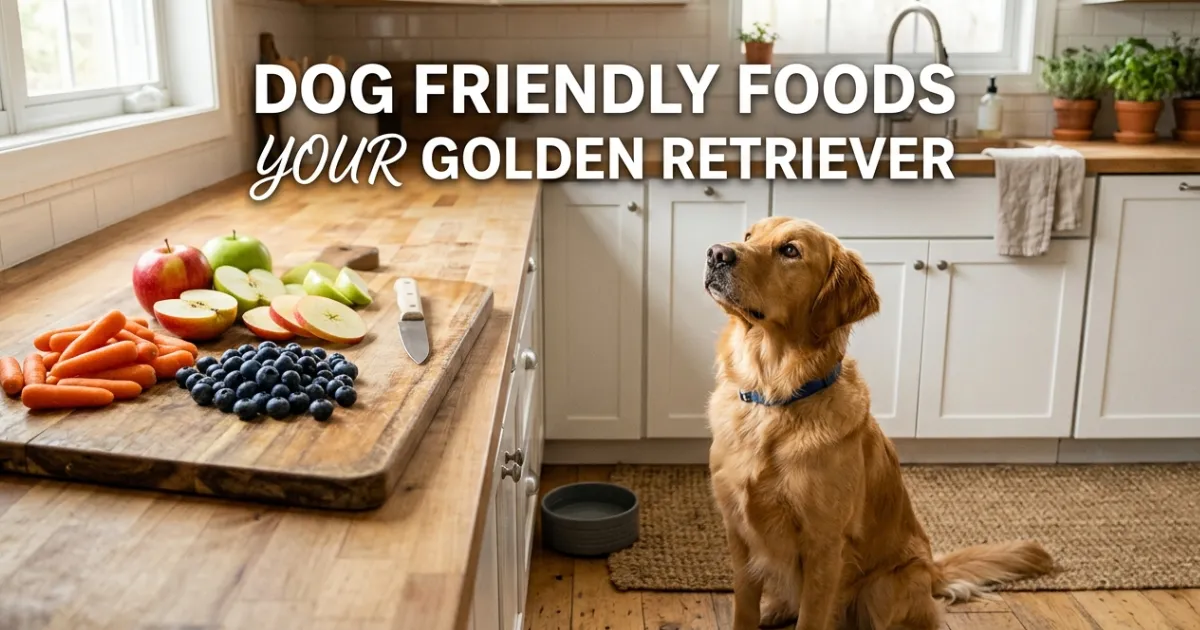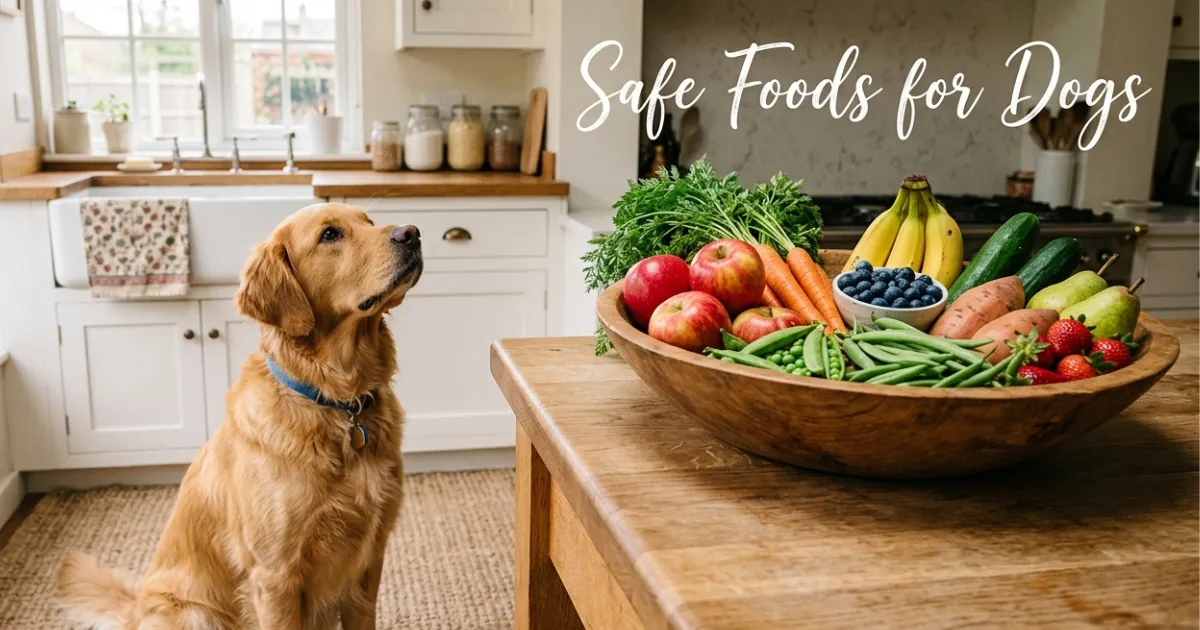
Can Dogs Eat Carrots? Yes, Dogs can eat carrots. Carrots are non-toxic, low in calories, and safe for most dogs, whether raw, steamed, or frozen. For a Golden Retriever specifically, they are among the most practical treats available, as long as you cut them correctly and understand the one preparation mistake that can turn a healthy snack into a choking hazard.
Golden Retrievers eat fast. It is one of the defining traits of this breed, driven by their food motivation and the way they were historically conditioned to work for reward. A medium to large raw carrot handed whole to a Golden is not the same situation as handing one to a small breed. Goldens will bite off large chunks and attempt to swallow them without fully chewing. Most generic guides on whether dogs can eat carrots do not address this at all. For this breed, preparation is not optional.
Carrots contain beta-carotene, the compound responsible for their orange colour. Dogs convert beta-carotene into vitamin A through intestinal absorption, with conversion slowing automatically when vitamin A stores are adequate, according to research published in the Journal of Animal Science. This self-limiting mechanism means you cannot cause vitamin A toxicity through carrot overfeeding alone, which makes carrots one of the genuinely worry-free vegetables for Golden Retriever owners.
Are Carrots Good for Dogs? What the Nutrients Actually Do
Are carrots good for dogs? Yes, and the benefits go beyond a basic list of vitamins. Each nutrient in a carrot serves a function that matters specifically for Golden Retrievers.
| Nutrient | Amount per 100g raw carrot | Benefit for Golden Retrievers |
| Beta-carotene | 8,285 mcg | Converts to vitamin A; supports vision, immune function, and coat health |
| Dietary fiber | 2.8g | Regulates bowel movements; supports weight management |
| Vitamin K | 13.2 mcg | Supports blood clotting and bone metabolism |
| Potassium | 320 mg | Supports heart and muscle function |
| Vitamin C | 5.9 mg | Antioxidant; supports cellular health |
| Calories | 41 kcal | Low caloric load per 100g; safe for daily treat use |
Source: USDA Food Data Central.
Note: nutritional values are for raw, unpeeled carrots. Cooking reduces vitamin C slightly but does not significantly affect beta-carotene.
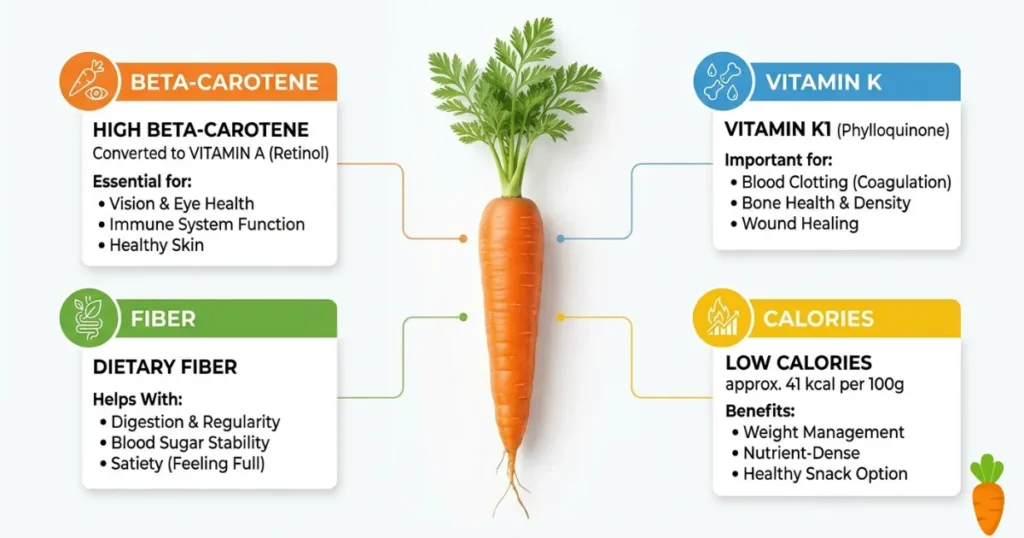
The fiber content is the most immediately practical benefit for a Golden Retriever owner managing weight. Approximately 56% of dogs in the United States are classified as overweight or obese, according to the Association for Pet Obesity Prevention’s 2022 survey. Golden Retrievers are disproportionately represented in that figure. Carrots create satiety at a very low caloric cost, making them a direct substitute for commercial treats that contribute to the obesity risk this breed carries. So the question is, are carrots a safe dog vegetable?
Can Dogs Have Carrots Raw or Does Cooking Make Them Safer?
Dogs can have carrots, both raw and cooked. The decision between the two is not about safety but about your individual Golden’s life stage and the specific benefit you are targeting.
Raw Carrots: Best for Adults and Dental Support
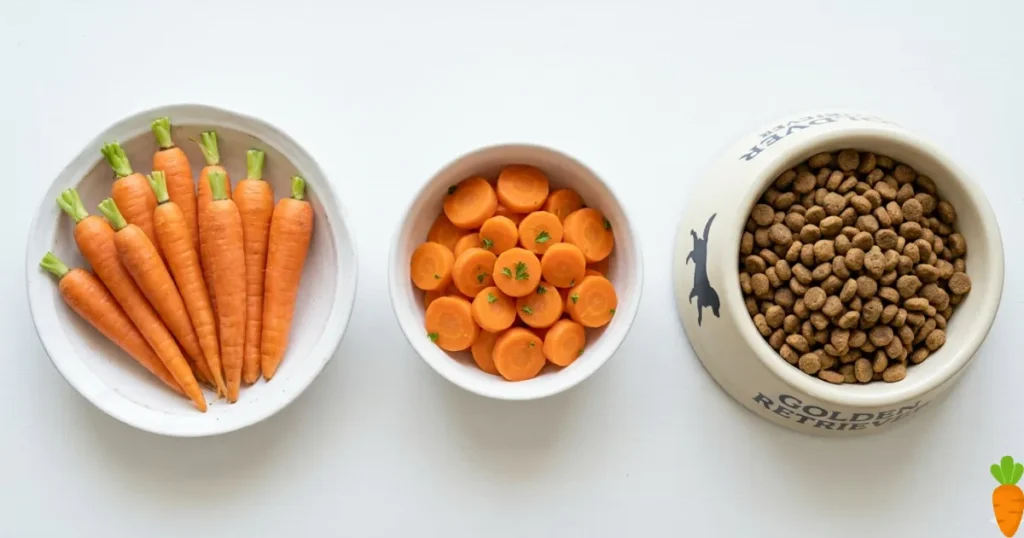
Raw carrots are the better option for most healthy adult Golden Retrievers. The crunchy texture provides a mild abrasive action on the tooth surface during chewing, helping reduce plaque and tartar accumulation over time. The American Kennel Club identifies this as a specific benefit of feeding raw carrots. The mechanical action is not a substitute for brushing, but it is a meaningful supplementary benefit for a breed prone to periodontal disease as it ages.
Raw carrots also retain more vitamin C than cooked carrots, since vitamin C is heat-sensitive. For a Golden Retriever in good health, raw baby carrots or properly sliced large carrots are the most practical daily treat.
Steamed Carrots: Best for Puppies and Seniors
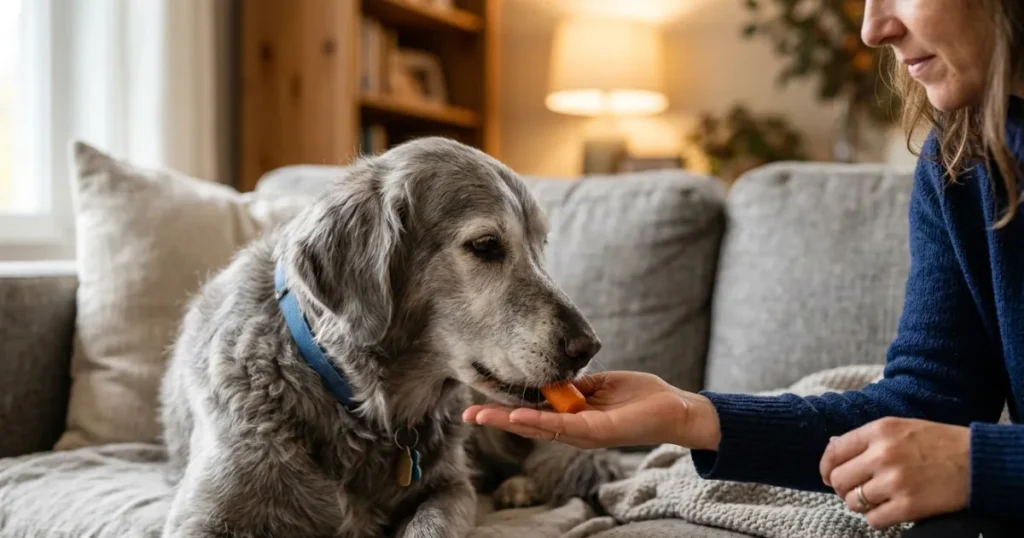
Steamed carrots are the right choice for Golden Retriever puppies under 6 months old and for senior Goldens over 8 years old. Puppies have developing digestive systems and less efficient gut motility for processing dense plant fiber. Senior Goldens have reduced enzyme production and may struggle to fully chew and digest hard raw pieces. Lightly steamed carrots provide the same beta-carotene and fiber benefits in a form that is easier to break down. Let them cool completely before serving. Never add butter, oil, salt, or any seasoning.
Frozen Carrots: Useful for Teething Puppies
Frozen carrots serve a specific purpose for Golden Retriever puppies going through teething, typically between 3 and 7 months. The cold temperature reduces gum inflammation, and the hard texture provides appropriate resistance for emerging teeth. Supervise all frozen carrot sessions, because a frozen carrot is denser than a fresh one, and the risk of a large piece breaking off is higher.

Carrots for Dogs: The Competitor Gap Nobody Addresses
Every major article about whether dogs can eat carrots mentions choking risk in a single sentence and moves on. For Golden Retrievers, this deserves its own section.
Golden Retrievers are a food-bolting breed. They do not eat slowly and methodically. I’ve watched Goldens swallow carrot pieces that were larger than any small or medium breed would attempt. The choking risk for this breed is not about the carrot being unsafe. It is about the size of the piece relative to the speed at which the dog is eating.
A whole large carrot handed to a Golden Retriever poses two specific risks. First, the dog bites off a large distal piece and swallows it without chewing, increasing the risk of esophageal obstruction. Second, the dog bites the carrot into a long, narrow spike, which can scrape or puncture the soft palate. Neither of these happens with small breeds chewing the same carrot slowly.
The preparation rule for Golden Retrievers is simple. Cut carrots into rounds no thicker than one centimetre, or into sticks no longer than five centimetres. Baby carrots are safe for most adult Goldens because they are small enough that even a fast eater can manage them. Never hand a large, full carrot to a Golden Retriever and then leave the room.

Expert Insight
Golden Retrievers are genetically predisposed to food-motivated, rapid consumption behaviors. For this breed, the physical preparation of any treat is as important as the nutritional content. A safe food fed in an unsafe size creates an avoidable emergency. With carrots specifically, the low caloric value and low toxicity risk are fully realised only when preparation eliminates the mechanical hazard posed by this breed’s eating behavior.
Are Carrots Safe for Dogs with Specific Health Conditions?
Are carrots safe for dogs across all health situations? Mostly yes, with three specific exceptions.
Diabetic Golden Retrievers
Carrots contain natural sugars, roughly 4.7 grams per 100 grams. This is low compared to most fruits, but it is not negligible for a Golden Retriever managing diabetes or insulin resistance. If your Golden is diabetic or pre-diabetic, discuss carrot feeding with your vet before introducing them. Green beans are a better daily treat alternative for diabetic Goldens, as they are even lower in sugar and similarly high in fiber and satiety.
Goldens on Weight-Management Diets
Carrots are one of the best treats for Golden Retrievers on calorie-restricted diets. At 41 calories per 100 grams, a medium carrot provides roughly 25 calories. For a Golden eating a calorie-restricted diet of 1,200 to 1,400 calories per day, that is well within the 10% treat budget. Some veterinarians recommend substituting up to 10% of kibble volume with plain green beans or carrots to reduce total caloric intake without increasing hunger.
Goldens with Kidney Disease
Carrots are moderate in potassium at approximately 320 milligrams per 100 grams. For Golden Retrievers with chronic kidney disease or impaired potassium excretion, high potassium foods need monitoring. Occasional small amounts of carrots are unlikely to cause problems, but daily large-volume feeding should be discussed with your vet if kidney disease has been confirmed.
Serving Size: How Many Carrots Can a Golden Retriever Eat?
Serving sizes for carrots for dogs depend entirely on body weight. The figures below apply to healthy adult Golden Retrievers with no underlying health conditions.
For a 55-pound Golden Retriever
Two to three medium baby carrots, or one medium carrot cut into rounds, per day. This sits comfortably within the 10% daily caloric treat guideline.
Total calories from this serving: approximately 20 to 25 calories.
For a 65 to 75-pound Adult Golden Retriever
Three to four baby carrots, or one large carrot cut into rounds or sticks, per day.
Total calories: approximately 30 to 40 calories.
Raw is preferable for dental benefits. Steamed works equally well from a nutritional standpoint.
For a 75 to 90-pound Golden Retriever
These Goldens are at the upper end of the healthy weight range or are overweight. Carrots remain an excellent treat option, but keep the same serving size as a 65-pound dog. Total daily treat calories, including carrots and anything else, should not exceed 10% of daily caloric intake. For a 90-pound Golden eating roughly 1,500 calories per day, that is a 150-calorie treat budget across all sources.
All serving sizes above assume no added ingredients. Carrots must be served plain. Canned carrots with sodium should never be used. Seasoned, roasted, or buttered carrots from a human meal are not safe for Golden Retrievers, regardless of the amount.
Decision Framework: When and How to Feed Carrots to Your Golden
- If your Golden Retriever is under 3 months old, skip carrots entirely. The digestive system at this stage is not equipped for vegetable fiber.
- If your puppy is between 3 and 6 months old, steamed carrot pieces the size of a fingernail are safe in small amounts. Start with one or two pieces and watch for loose stools for 24 hours before making it a regular treat.
- If your adult Golden weighs between 55 and 75 pounds and is in a healthy body condition score, raw baby carrots or large-sliced carrots are appropriate daily treats. No preparation beyond washing and cutting is needed.
- If your adult Golden is overweight or on a calorie-restricted diet, raw or steamed carrots are among your best treat options. Keep the total serving to one medium carrot per day and count those calories toward the daily treat budget.
- If your Golden is a senior over 8 years old, switch from raw to lightly steamed. Senior Goldens have reduced chewing efficiency and slower gut motility. Steamed carrots provide the same nutritional value with less digestive load.
- If your Golden has been diagnosed with diabetes, discuss carrot feeding with your vet before starting. The natural sugar content is low but not zero, and blood glucose management in this breed requires precise dietary oversight.
When to Call the Vet
| URGENT — Call immediately | MONITOR — Watch 24 to 48 hours |
| Signs of choking: pawing at mouth, neck stretching, distress | Loose stools after first carrot introduction |
| Suspected esophageal obstruction: retching without vomiting | Mild gas or bloating after a large carrot serving |
| Visible carrot piece lodged in throat | Reduced appetite at the next meal |
| Allergic reaction: facial swelling, hives, sudden lethargy | Orange-tinted stools from high beta-carotene intake |
Orange-coloured stools from carrot feeding are harmless. They occur when beta-carotene passes through the gut faster than it can be fully absorbed. Reduce the serving size, and the colour returns to normal. This requires no veterinary attention unless other symptoms are present.
Can dogs eat carrots every day?
Yes, dogs can eat carrots daily. Carrots are low in calories, non-toxic, and safe for routine feeding. Stick to the 10% treat rule: all treats combined should not exceed 10% of your dog’s daily caloric intake. For most healthy adult dogs, one to two medium carrots or a small handful of baby carrots per day falls well within that limit.
Can dogs eat carrots raw without any preparation?
Dogs can eat raw carrots, but preparation matters for larger breeds. Small dogs can handle baby carrots whole. Medium and large dogs, including Golden Retrievers, should have carrots cut into rounds or short sticks before eating. Raw, whole, large carrots pose a choking and soft-palate injury risk for fast-eating breeds who bite off large chunks without fully chewing.
Can dogs have carrots if they are overweight?
Yes. Carrots are one of the best treats for overweight dogs because they are very low in calories at about 41 calories per 100 grams, high in fiber, and filling. They can replace calorie-dense, nutritionally empty commercial treats. Some veterinarians recommend replacing a small portion of kibble volume with plain green beans or carrots for dogs on calorie-restricted diets.
Are carrots good for dogs with digestive issues?
Carrots are generally gentle on dogs’ digestion, even for those with mild digestive sensitivity. The fiber in carrots supports regular bowel movements. For dogs with active digestive problems, steamed carrots are preferable to raw because the softened fiber is easier to process. Avoid introducing carrots during an active digestive upset. Wait until your dog has recovered before adding any new food.
Are carrots safe for dogs with diabetes?
Carrots contain natural sugars and should be fed cautiously to dogs with diabetes or insulin resistance. The sugar content is low compared to most fruits, but it is not negligible in a dog with blood glucose management requirements. Discuss carrot feeding with your veterinarian before starting if your dog has a confirmed diabetes diagnosis. Green beans are a lower-sugar alternative.
How many carrots can a dog eat safely in one sitting?
For most medium to large dogs, one medium carrot or three to four baby carrots per sitting is a reasonable single serving. More than that at once can cause loose stools or mild gas from the concentrated fiber load. Spread carrot servings throughout the day rather than giving them all at once if your dog tends to eat treats quickly and in large amounts.
Is it safe to give my Golden Retriever a whole carrot to chew on?
A whole large carrot is not safe for a Golden Retriever to eat unsupervised. Goldens are fast eaters who bite off large pieces rather than chewing slowly. A large distal chunk of carrot can lodge in the esophagus. Baby carrots are safe to eat whole because of their smaller size. For large carrots, always cut them into rounds or sticks no longer than five centimetres before giving them to a Golden.
Are frozen carrots good for dogs?
Yes. Frozen carrots are safe and useful for specific situations. They are refreshing in warm weather and provide appropriate resistance for teething puppies. Frozen carrots are denser than fresh ones, so supervise your dog and ensure the pieces are small enough to avoid a blockage risk. Frozen baby carrots are safer for Golden Retrievers than frozen large carrot chunks.
Do carrots really help with dog dental health?
Carrots provide mild mechanical cleaning of tooth surfaces through the abrasive action of chewing. The AKC notes this as a genuine benefit. Carrots are not a substitute for toothbrushing or professional dental cleanings. They are a supplementary benefit, particularly useful for Golden Retrievers who resist toothbrushing and who develop tartar buildup on rear molars with age.
What happens if my Golden Retriever eats too many carrots?
Too many carrots at once can cause loose stools, gas, or mild digestive upset due to the concentrated fiber. These symptoms resolve within 24 hours without veterinary attention. Reduce the serving size for subsequent feedings. Orange-tinted stools may also appear from excess beta-carotene passing through the gut unabsorbed. This is harmless and resolves when the serving size drops. Contact your vet if diarrhea persists beyond 24 hours or is accompanied by lethargy.
Are carrots safe for Golden Retriever puppies?
Carrots are safe for Golden Retriever puppies from around 3 months of age in small, steamed pieces. Before 3 months, the digestive system is not ready for vegetable fiber. Between 3 and 6 months, limit pieces to fingernail-sized servings and watch for loose stools. Frozen baby carrots are a good option for teething puppies aged 3 to 7 months. Never give a large raw carrot to a puppy, as the choking risk is higher than for adults.
Are carrots specifically good for Golden Retrievers, given their cancer predisposition?
Carrots offer meaningful benefits for Golden Retrievers, given this breed’s documented cancer risk. Beta-carotene acts as an antioxidant that supports cellular health and immune function. In a 2005 study of Scottish Terriers, dogs fed yellow-orange vegetables, including carrots, three or more times per week had a reduced cancer risk compared to those not fed them. Carrots are not a cancer treatment, but they are a smart daily addition to a diet designed to address this breed’s long-term health risks.
Can my dog eat carrots and peas together?
Yes. Carrots and peas are both safe for dogs and commonly combined in dog food formulations. Together they provide complementary nutrients including fiber, vitamins A and K, and protein from the peas. Plain cooked or raw, with no salt or seasoning, this combination is a practical and healthy treat option. For overweight Golden Retrievers, limit peas slightly more than carrots because peas carry a higher starch content.
Is it safe to give my Golden Retriever carrots as a training treat every session?
Yes, sliced baby carrots work well as low-calorie training rewards. At roughly 4 to 5 calories per baby carrot, you can reward a Golden Retriever with 15 to 20 treat repetitions in a session without exceeding the daily treat calorie budget. They are firm enough to handle without crumbling in a treat pouch. The natural sweetness makes them motivating for most Goldens, though high-drive dogs may prefer a higher-value reward for new or difficult commands.
What should I do if my Golden Retriever chokes on a piece of carrot?
If your Golden Retriever is coughing forcefully, the airway is partially clear, and the dog may dislodge the piece on their own. Stay calm and watch for a resolution within a few seconds. If your dog cannot cough, is breathing with difficulty, has blue-tinged gums, or collapses, call your vet immediately and perform a modified Heimlich maneuver: place both hands under the dog’s abdomen just behind the ribcage and apply firm upward pressure. Drive to an emergency clinic at the same time. Do not attempt to retrieve the piece with your fingers unless it is clearly visible at the entrance to the mouth.
Conclusion
Dogs can eat carrots safely, and Golden Retrievers in particular benefit from them as a daily treat that supports weight management, dental health, and antioxidant intake. The only thing standing between a safe snack and an avoidable incident is preparation. Cut carrots into small rounds or short sticks before giving them to a Golden. Never hand this breed a whole large carrot unsupervised. Feed them plain, account for the calories in your Golden’s daily treat budget, and adjust preparation method based on your dog’s life stage. Carrots are one of the few foods that are genuinely good for Goldens at almost every age.
Goldens are notoriously enthusiastic eaters, which makes carrot preparation especially personal. I’d love to hear how your Golden actually responds to carrots in practice.
- Can Dogs Eat Carrots?
- Does your Golden bolt them whole if given the chance, or are they a careful chewer?
- Have you noticed any difference between raw and frozen carrots for your dog, specifically in enthusiasm, digestion, or chewing time?
Share your experience in the comments. Real owner observations of this breed tell a story about Can Dogs Eat Carrots?