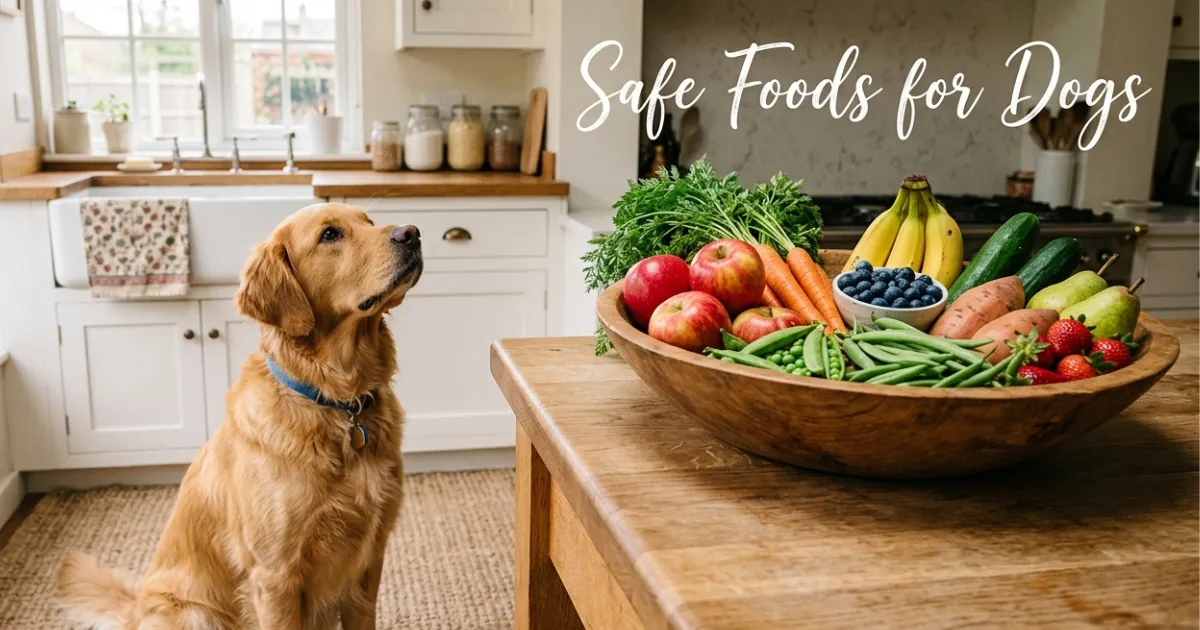
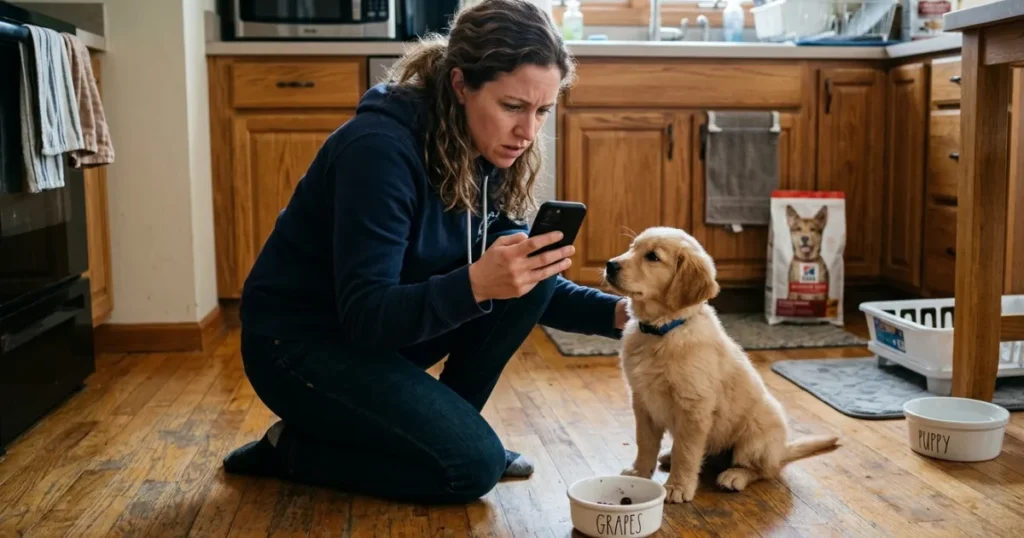
If you’re asking because your Golden Retriever puppy just ate a grape, stop reading and call ASPCA Poison Control at 888-426-4435 or your emergency vet right now. Come back to this article after that call.
If you’re asking before anything happened, this is the right moment to get this clear: can my puppy eat grapes? No. Grapes are acutely toxic to dogs at every life stage, and Golden Retriever puppies face a higher risk than adult dogs because their lower body weight means the toxic threshold is reached at smaller quantities. There is no established safe dose. One grape can be enough to trigger acute kidney failure in a small puppy.
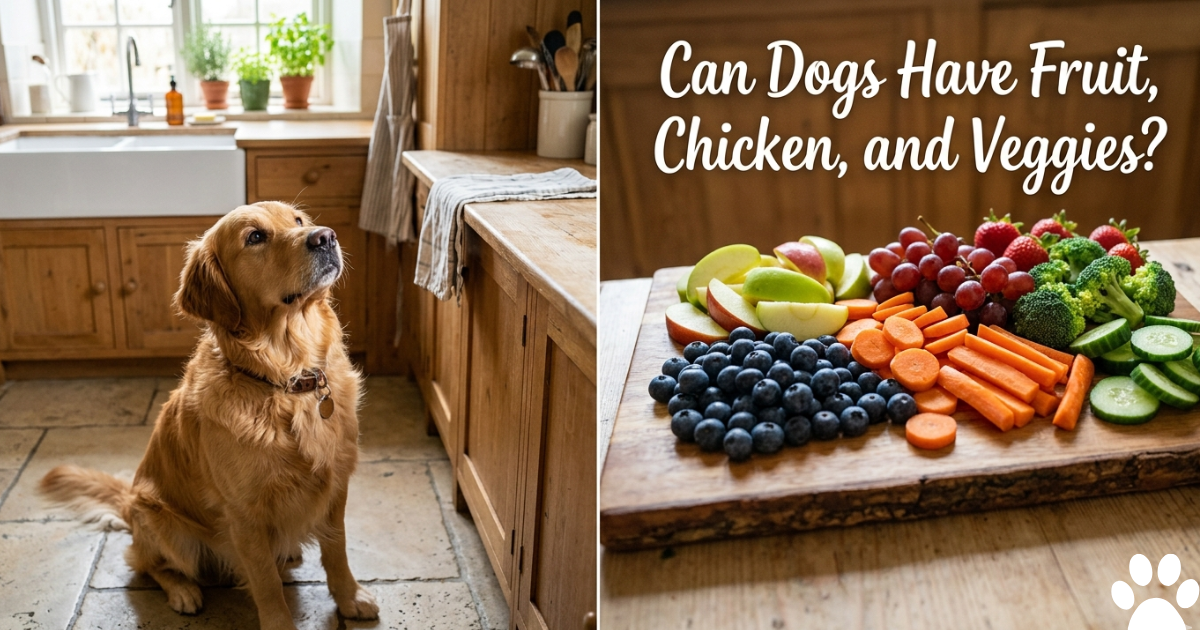
Grapes and raisins cause nephrotoxicity in dogs through a mechanism that remains incompletely understood by veterinary science, which makes the toxicity harder to predict and the response time more critical. According to VCA Animal Hospitals’ grape toxicity guidance, individual sensitivity varies dramatically: some dogs eat grapes repeatedly without apparent harm, while others develop fatal kidney failure from a single exposure. That variability is not a reason to take chances – it is a reason to treat every grape ingestion as an emergency. Find the best fruits and vegetables for dogs.
Can My Puppy Eat Grapes in Any Amount Safely?
Can my puppy eat grapes in a small quantity, just one or two – without harm? No safe dose has been established for grapes or raisins in dogs of any age or size. The ASPCA Animal Poison Control Center classifies grapes and raisins as toxic to dogs, with renal failure documented as the outcome of significant exposure. Critically, individual sensitivity is unpredictable – the same quantity that causes no visible reaction in one dog may cause acute kidney failure in another.
For Golden Retriever puppies, whose kidneys are still developing and whose body weight ranges from 8 to 40 pounds depending on age, the risk calculus is unambiguous. Do not offer grapes. Do not assume a small amount is safe because nothing happened previously.
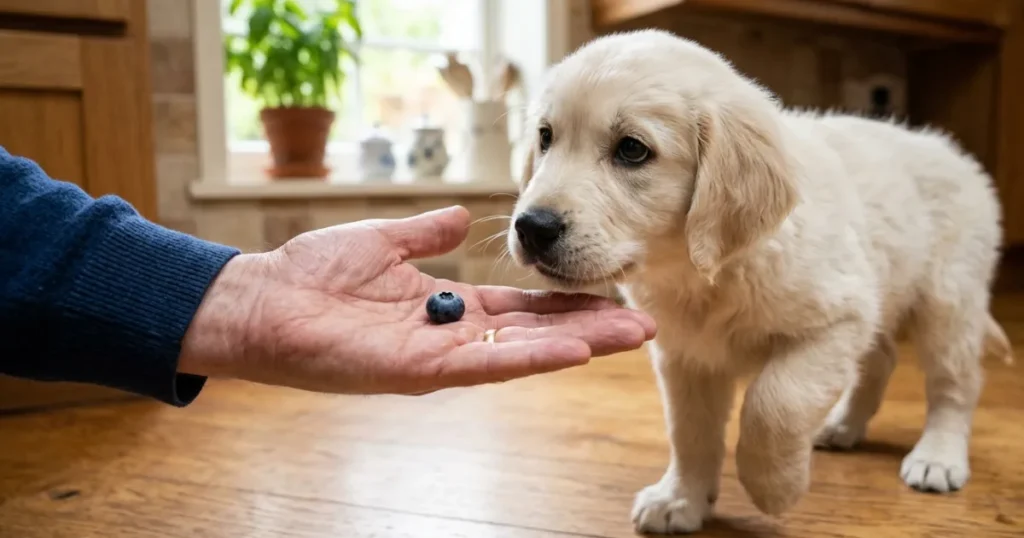
Why Grapes Are Toxic to Puppies – The Mechanism
Grape toxicity in dogs operates through a nephrotoxic mechanism – meaning the toxic compound targets the kidneys directly. The specific compound responsible has not been definitively identified despite decades of veterinary research. Tartaric acid, present in grapes and naturally higher in homegrown varieties, has emerged as a leading candidate in recent years, but the full mechanism remains under investigation.
What is documented is the outcome: ingestion triggers acute tubular necrosis – the death of cells lining the kidney tubules – which impairs the kidney’s ability to filter waste from the bloodstream. Without intervention, this progresses to acute kidney failure and, in untreated cases, death.
Why Golden Retriever Puppies Face Elevated Risk
Golden Retriever puppies between 8 weeks and 6 months weigh between 8 and 35 pounds. At these body weights, the quantity of grapes required to reach a potentially toxic dose is smaller than for an adult Golden weighing 60- 75 pounds. Puppies also have developing renal systems that are less resilient to nephrotoxic insult than mature kidneys. The combination of lower body weight and developmental vulnerability makes grape ingestion in a Golden Retriever puppy a higher-urgency situation than the same ingestion in an adult dog.
Raisins Are More Dangerous Than Fresh Grapes by Weight
Raisins are dehydrated grapes, which means the toxic compound concentrates as water is removed. Gram for gram, raisins are significantly more toxic than fresh grapes. A small box of raisins (approximately 43g) can contain enough concentrated toxin to cause acute kidney failure in a puppy-sized dog. Raisins appear in trail mix, cereal, baked goods, and children’s snacks – all items accessible to counter-surfing or food-curious Golden Retriever puppies.
Can Puppies Eat Grapes if they’ve had them before without Symptoms?
Can my puppy eat grapes again if previous exposure caused no visible reaction? No. This is the most dangerous misunderstanding in grape toxicity cases, and it costs dogs their lives.
Individual sensitivity to grape toxicity in dogs is genuinely unpredictable – a dog that tolerated grapes previously can develop acute kidney failure on subsequent exposure. The absence of prior symptoms does not indicate immunity, tolerance, or a safe individual threshold. It indicates that previous exposure did not trigger visible clinical signs, which is a different thing entirely. Subclinical kidney damage from prior exposures may already have reduced renal reserve, making subsequent ingestion more dangerous, not less.
I’ve seen this pattern play out: an owner assumes their Golden puppy is “one of the dogs grapes don’t affect” based on prior tolerance – then faces a renal crisis. The only safe assumption is that no dog, at any age or size, has a safe dose of grapes. That includes Golden Retriever puppies who have eaten grapes before.
What Competitors Miss: The Raisin and Processed Food Trap for GR Puppies
Most articles on grape toxicity adequately cover the risk posed by fresh grapes. What they miss is the route of exposure to raisins that affects Golden Retriever puppies specifically, and it’s the more dangerous one.
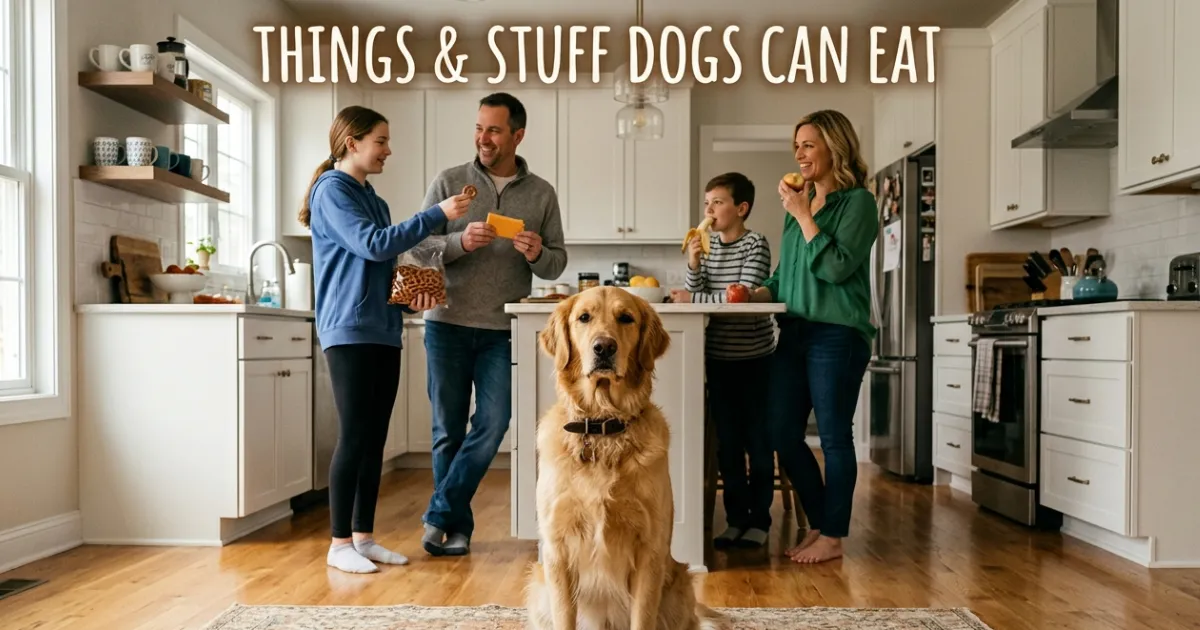
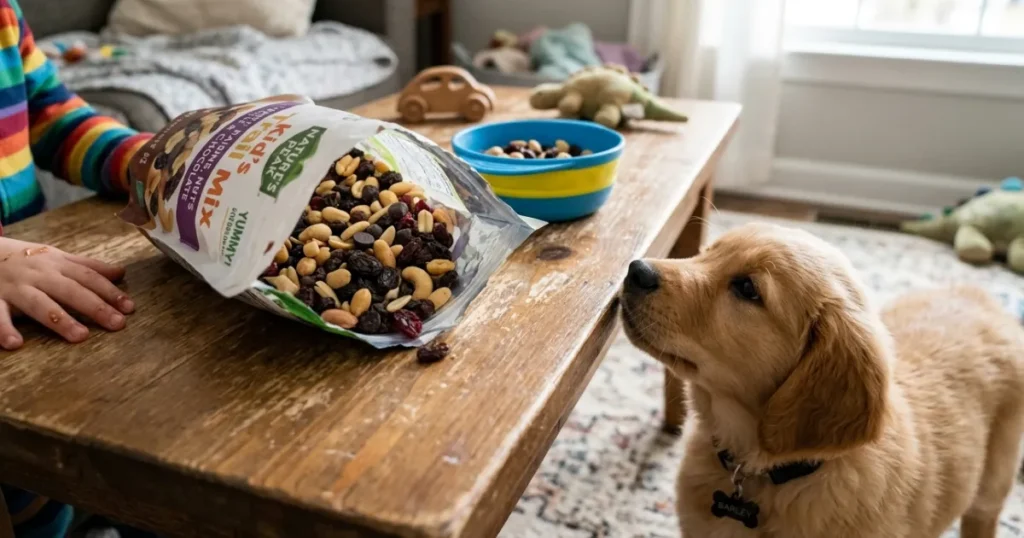
Golden Retriever puppies are in households with children, and children’s food environments are dense with raisin-containing products. Raisin bread, oatmeal raisin cookies, trail mix, cereal bars, and fruit-and-nut snack mixes all contain raisins. A puppy that counter-surfs, accesses a child’s snack bag, or eats dropped food during family meals can ingest raisins without the owner registering “grape” as the relevant toxin. The same applies to grape juice, grape jam, and wine-based cooking sauces – all contain grape-derived compounds and should be treated as toxic.
Forms of Grape Exposure That Trigger the Same Toxicity
Every grape-derived product carries the same risk as whole fresh grapes:
- Raisins – More toxic per gram than fresh grapes
- Currants – Botanically a different plant, but documented to cause the same nephrotoxic response
- Grape juice – Liquid form, absorbed faster
- Grape jam and jelly – Concentrated, often accessible in household pantries
- Wine and cooking wine – Contains grape compounds plus alcohol toxicity
- Raisin-containing baked goods – Raisins embedded in bread or cookies are easy to miss
For Golden Retriever puppy owners
Treat any of the above with the same urgency as a fresh grape ingestion.
Decision Framework: Your Golden Retriever Puppy and Grapes
- Your puppy ate one fresh grape, and you caught it immediately → Call ASPCA Poison Control (888-426-4435) now. Do not wait for symptoms. Renal failure onset can be delayed by 24-72 hours after ingestion; by the time symptoms are visible, significant damage may have occurred.
- Your puppy ate multiple grapes or any quantity of raisins → Emergency vet immediately. Do not wait for a poison control call if your puppy is already showing symptoms. Time is the critical variable in grape toxicity treatment.
- Your puppy ate grape-containing food (raisin bread, trail mix, cookies) → Estimate quantity, call ASPCA Poison Control immediately with the product name and ingredient list. Raisin content in baked goods varies – the call will help assess severity.
- Your puppy had grapes before with no symptoms → Still call. Previous tolerance does not establish safety. Report the history and let poison control advise.
- You’re unsure whether grapes were eaten → If your puppy has unexplained vomiting, lethargy, or reduced urine output and had access to grapes or raisins, treat it as a grape exposure and call your vet.
- From now on → Remove all grape and raisin products from puppy-accessible areas. Inform all household members, including children. Check baked goods, trail mix, and cereal bars before allowing puppy access to shared spaces.
Warning: Grape Toxicity Severity for Golden Retriever Puppies
Toxic – Vet Now (No Threshold)
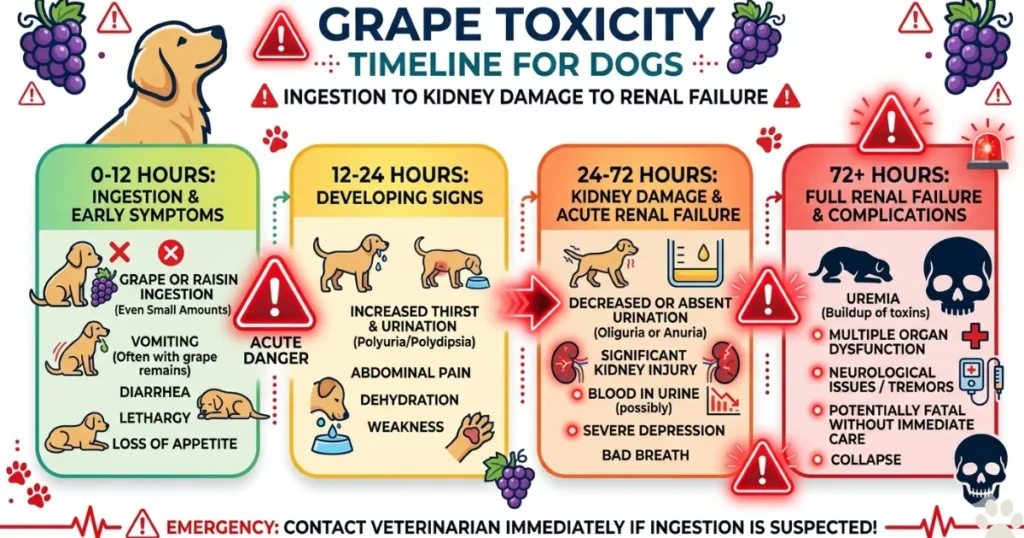
Any grape or raisin ingestion by a Golden Retriever puppy is a veterinary emergency. No safe dose exists. Mechanism: acute tubular necrosis leading to renal failure. Onset of clinical signs – vomiting, lethargy, reduced urination, and abdominal pain – typically occurs within 24-72 hours of ingestion, but kidney damage begins earlier. Treatment is most effective when initiated before clinical signs appear. Call ASPCA Poison Control (888-426-4435) or an emergency vet immediately after any confirmed or suspected ingestion.
Raisins, currants, grape juice, grape jam, and raisin-containing baked goods carry the same urgency – treat all as equivalent to fresh grape ingestion.
Problematic – Monitor Only If Vet Has Cleared Exposure.
If you have called poison control and they have assessed the ingestion as below their action threshold based on quantity and puppy weight, follow their specific monitoring instructions. Do not self-determine that monitoring is appropriate – this assessment requires poison control or veterinary input.
Unsuitable – Zero Tolerance.
There is no “unsuitable but not dangerous” category for grapes and puppies. Every exposure is urgent.
When to Call the Vet after Your Puppy Eats Grapes
URGENT – Call Immediately (Before Symptoms Appear).
| Situation | Action |
| Any confirmed grape or raisin ingestion | ASPCA Poison Control 888-426-4435 or emergency vet now |
| Suspected exposure – access to grapes/raisins confirmed | Call even without witnessed ingestion |
| Grape-containing food ingested (bread, trail mix, cookies) | Call with product name and estimated quantity |
| Previous exposure history with current ingestion | Report history; treatment approach may differ |
MONITOR – Only After Veterinary Clearance.
| Symptom | Action |
| Vomiting within hours of cleared exposure | Report to vet; may indicate earlier onset than expected |
| Reduced water intake or urine output | Contact vet immediately – renal function indicator |
| Lethargy or weakness 24–48h post-ingestion | Emergency vet – delayed kidney failure onset |
| Abdominal pain or hunched posture | Emergency vet – do not wait |
Expert Insight
The grape toxicity question for Golden Retriever puppies is one where the breed’s personality creates the specific danger. Goldens are enthusiastic, indiscriminate eaters from their earliest weeks – they take food from children, counter-surf before they’re tall enough to be suspected of it, and eat dropped items faster than any recall command can interrupt. Toxic exposure in this breed is rarely deliberate; it’s opportunistic. Removing grapes, raisins, and products containing them from puppy-accessible spaces isn’t over caution – it’s the only reliable defense, because no training intervention is faster than a Golden puppy’s mouth.
Myth-Busting: What Golden Puppy Owners Get Wrong About Grapes?
Myth 1: Small dogs are more at risk – my large-breed puppy is probably fine.
Body weight affects the dose-to-body ratio, but grape toxicity has been documented in large-breed dogs, including Golden Retrievers. A larger puppy requires more grapes to reach an equivalent dose per kilogram, but no large-breed puppy has an established safe quantity. Size reduces the relative risk at a given quantity – it does not create a safe threshold.
Myth 2: Seedless grapes are safer than seeded grapes.
The seed is not the source of toxicity. Seedless grapes cause the same nephrotoxic response as seeded varieties. Grape variety – red, green, seedless, organic – makes no documented difference in toxicity outcomes.
Myth 3: If my puppy vomits after eating grapes, the danger is over.
Vomiting after grape ingestion is an early symptom, not a clearance event. The toxin has already been absorbed. Vomiting does not eliminate the renal risk; it is a sign that the body is responding to the ingestion. A puppy that vomits after eating grapes needs veterinary assessment, not reassurance.
Myth 4: Grape-flavored products are as dangerous as real grapes.
Artificial grape flavoring does not contain actual grape compounds and does not carry grape toxicity risk. Grape-flavored candy, grape-flavored medication, and grape-scented products are not the same as grape juice, whole grapes, or raisins. The risk is from only the real grape-derived content.
Can my puppy eat grapes safely?
No. Grapes are acutely toxic to dogs at every life stage, including puppies. No safe dose has been established. Grapes cause acute tubular necrosis direct kidney cell death that progresses to renal failure without veterinary intervention. Golden Retriever puppies face an elevated risk due to lower body weight and developing renal systems. Any ingestion of grapes requires an immediate call to the ASPCA Poison Control at 888-426-4435.
Can my puppy eat grapes if they’re seedless or organic?
No. Neither the seedless nor the organic designation affects grape toxicity in dogs. The toxic compound is not in the seed, and organic farming does not remove the nephrotoxic substance from the fruit. All grape varieties – red, green, seedless, seeded, organic, and conventional – carry identical toxicity risk for Golden Retriever puppies.
What happens if a puppy eats grapes?
Grape ingestion triggers acute tubular necrosis, death of cells lining the kidney tubules, which impairs kidney filtration function. Clinical signs, including vomiting, lethargy, abdominal pain, and reduced urination, typically appear within 24-72 hours. Without treatment, progression to complete renal failure occurs. Early veterinary intervention, before symptoms appear, significantly improves outcomes. Do not wait for symptoms to develop.
Is it safe to give a Golden Retriever puppy one grape?
No grape is considered safe for any dog, including Golden Retriever puppies. Individual sensitivity to grape toxicity varies unpredictably – one grape has caused acute kidney failure in documented cases. The only appropriate response to any grape ingestion, including a single grape, is a call to ASPCA Poison Control (888-426-4435) or your emergency vet.
How many grapes are toxic to a puppy?
No minimum toxic dose has been established. Toxicity has been documented at quantities as low as a single grape in small dogs, and individual sensitivity varies enough that a “safe” quantity cannot be predicted for any individual dog. For Golden Retriever puppies – whose weight ranges from 8 to 40 pounds depending on age – treat any amount as potentially toxic and contact poison control immediately.
What should I do if my Golden Retriever puppy ate a grape?
Call ASPCA Poison Control at 888-426-4435 immediately. Have your puppy’s weight, age, and the estimated number of grapes ready. Do not wait for symptoms – renal damage begins before clinical signs appear, and treatment is significantly more effective when initiated early. If your puppy is already showing vomiting, weakness, or lethargy, go directly to an emergency vet.
Are raisins more dangerous than grapes for puppies?
Yes. Raisins are dehydrated grapes, which concentrate the toxic compound. Gram for gram, raisins deliver a higher toxic load than fresh grapes. A small quantity of raisins – including those found in trail mix, cereal bars, oatmeal raisin cookies, or raisin bread – can reach a dangerous dose in a Golden Retriever puppy faster than an equivalent weight of fresh grapes.
Can Golden Retriever puppies eat currants?
No. Currants – both black and red – are documented to cause the same nephrotoxic response as grapes and raisins in dogs. The mechanism appears identical. Treat any currant ingestion with the same urgency as grape ingestion and call ASPCA Poison Control immediately.
Is grape juice toxic to puppies?
Yes. Grape juice contains grape-derived compounds and carries the same toxicity risk as whole grapes. Liquid form may be absorbed faster than solid grape flesh. If your Golden Retriever puppy ingested grape juice, treat it as a grape ingestion emergency and call poison control immediately.
What are the symptoms of grape toxicity in a Golden Retriever puppy?
Early signs – vomiting, diarrhea, lethargy, loss of appetite – appear within 6-24 hours. Reduced or absent urination, abdominal pain, weakness, and dehydration develop as kidney function declines, typically within 24-72 hours. By the time these signs are visible, significant renal damage has occurred. Do not wait for symptoms – act immediately after any confirmed or suspected ingestion.
Can my puppy eat grape-flavored treats or candy?
Artificial grape flavoring does not contain real grape compounds and does not carry grape toxicity risk. Grape-flavored candy, medication, or dog treats made with artificial flavoring are not equivalent to real grapes. Confirm the ingredient list does not include grape juice, grape extract, or raisins before allowing access – artificial flavoring alone is not a concern.
How is grape toxicity treated in puppies?
Treatment focuses on decontamination and renal protection. If ingestion is recent, a vet will induce vomiting and administer activated charcoal to limit absorption. Aggressive IV fluid therapy follows to support kidney function and flush the system. Kidney function is monitored through blood panels over 48-72 hours. The outcome is significantly better when treatment begins before the appearance of clinical signs of renal failure.
Are there any safe fruits for Golden Retriever puppies?
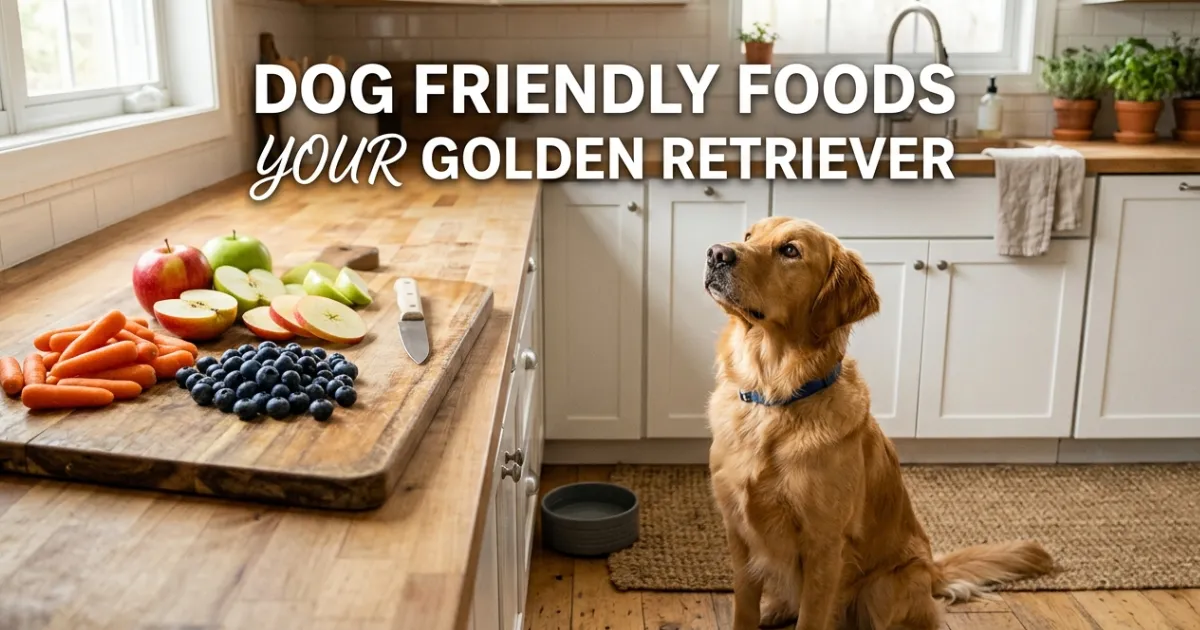
Yes. After 6 months, Golden Retriever puppies can have small amounts of fresh blueberries (2-3 per session), watermelon flesh (seeds and rind removed), and apple slices (seeds and core removed). These provide enrichment without toxic risk. Grapes, raisins, and currants are never appropriate at any life stage. The safe fruit guide for Golden Retrievers covers full species-level detail.
Can my puppy eat grapes if a vet said it was okay years ago?
Veterinary guidance on grape toxicity has evolved significantly as case documentation has accumulated. The current consensus from VCA Animal Hospitals and the ASPCA is that no safe dose exists. If older guidance suggested small quantities were acceptable, that guidance is outdated. The current standard is zero tolerance at any dose for dogs of any age.
How do I puppy-proof my home against grape and raisin exposure?
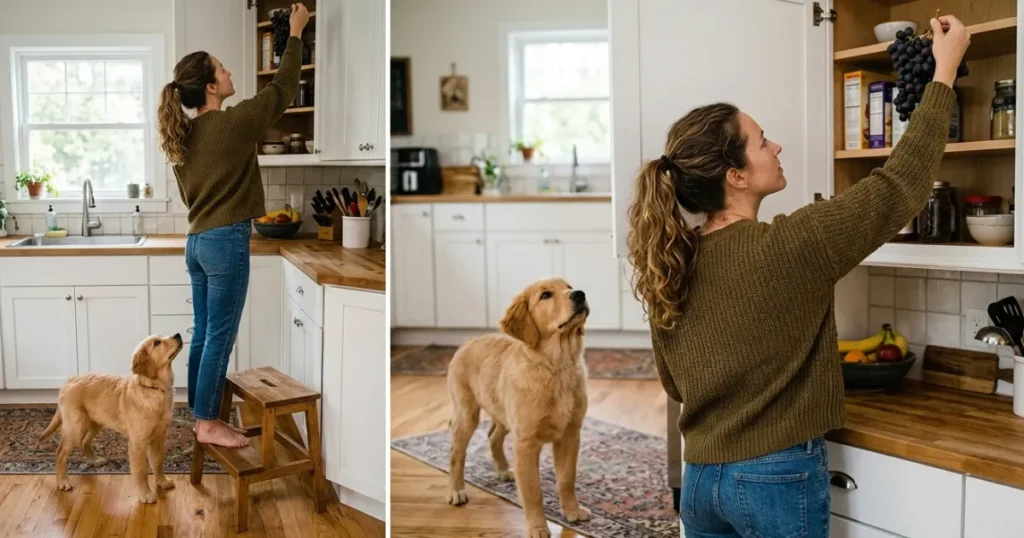
Store grapes and raisins in sealed containers in high cupboards or the refrigerator – not in fruit bowls or on low shelves. Audit all trail mix, cereal bars, snack bags, and baked goods stored within counter height or below. Brief all household members, particularly children, that grapes and raisins cannot be shared with the puppy under any circumstances. Check for dropped food during meals before your Golden puppy reaches it – this breed moves faster than most owners expect.
Conclusion.
Can my puppy eat grapes? No – and this is one of the clearest answers in canine nutrition. Grapes and raisins cause acute kidney failure in dogs through a nephrotoxic mechanism with no established safe dose and unpredictable individual sensitivity. Golden Retriever puppies face an elevated risk due to lower body weight and developing renal systems. Every exposure 1 grape, a handful of raisins, and a sip of grape juice – requires the same response: call ASPCA Poison Control at 888-426-4435 immediately.
The single most effective action you can take right now: remove every grape, raisin, and raisin-containing product from areas your Golden Retriever puppy can access. That one household change eliminates the risk.
Golden Retriever puppy owners – I want to hear from you:
- Has your puppy ever gotten into grapes or raisins before you could stop them?
- How did you handle it, and what was the outcome?
- Your Dogs Eat Grapes?
If you’ve successfully puppy-proofed your kitchen against toxic foods and found a system that works – especially in households with young children who share snacks – share it in the comments. Other Golden puppy owners need practical, real-world solutions, and your experience could make a genuine difference.