
How Many Seizures Can a Dog Have Before It Dies? No number of seizures kills a dog. Dogs don’t die from a count, so a dog can have many brief seizures and live a full life. The real danger is a single seizure that lasts over 5 minutes, seizures stacking within 24 hours, overheating, or a serious underlying cause. Any of those means the emergency vet now.
There’s no set number of seizures that will kill a dog. Dogs don’t die from a tally of seizures, so a dog can have many brief, well-spaced seizures over years and still live a full life. Yes, a dog can die from a seizure, but it’s uncommon, and the danger comes from how severe a single episode is, not how many have happened. The real risks are a seizure lasting more than 5 minutes, repeated clusters, overheating, and the underlying cause, never a simple count.
If you’re asking how many seizures your dog can survive, you’re scared, and that fear makes complete sense. Let me take the pressure off the number, because the number isn’t the thing. A brain that seizes isn’t a battery draining toward a fixed limit. Most seizures last only one to two minutes, and during them, dogs are unconscious and unaware, not in pain.
When a Golden owner calls me terrified after a seizure, I don’t reach for statistics. I ask one thing first. How long did it last? That number tells me more about danger than any total could. The danger lives in specific situations, which this page walks through so you know exactly when to worry and when to breathe. For the full landscape, start with our overview of seizures in dogs.
How Many Seizures Can a Dog Have Before It Dies? There’s No Magic Number.
Owners ask me this constantly, usually after a frightening night, and I understand the instinct to find a threshold. The honest answer is that there isn’t one. Death from seizures isn’t cumulative, and no vet can tell you “your dog has three left.”
A dog with well-managed epilepsy can have dozens or even hundreds of brief seizures spread across a long, happy life. What matters is not the running total but whether any single episode crosses into dangerous territory and whether the cause behind the seizures is itself life-limiting.
I’ve cared for dogs who had a brief seizure every few weeks for most of a decade and died of old age, with the epilepsy never being what took them. I’ve also seen a single, very long seizure put a previously healthy dog in real danger in one afternoon. Same disease, opposite stories, and the difference was never the count.
That reframe matters because it changes what you watch for. Instead of counting seizures and bracing for a magic number that will never come, you learn to recognize the handful of situations that genuinely threaten a dog’s life. A short seizure your dog recovers from is frightening but rarely harmful. To see how a typical seizure unfolds, compare what you saw with what a dog seizure looks like. The skill worth having isn’t counting. It’s knowing the danger signs.

Can a Dog Die From a Seizure?
Yes, a dog can die from a seizure, but it’s uncommon, and that truth deserves both honesty and context. According to VCA Animal Hospitals, a single seizure is rarely dangerous to a dog. Most are over in a minute or two, and the dog recovers.
The danger rises sharply in specific situations. A seizure that won’t stop, one lasting more than 5 minutes, is called status epilepticus, and VCA warns that without immediate intravenous medication, a dog may die or suffer permanent brain damage.
Today’s Veterinary Practice reports that up to a quarter of dogs in status epilepticus don’t survive to hospital discharge. That sounds frightening until you remember the flip side, which is that status epilepticus is the rare, extreme end of the spectrum, not what an ordinary seizure looks like. Repeated cluster seizures carry similar risks because they stack faster than the body can recover.
Here’s the reassuring half, and it’s just as true. Most dogs with epilepsy do not die from their seizures. In studies of dogs with severe seizures, those that die are more often euthanized for seizure severity or unrelated illness than killed outright by a seizure, and many epileptic dogs live full lifespans with treatment. So the accurate answer to “can a dog die from a seizure” is yes, rarely, and almost always in the specific danger situations covered next, not from an ordinary episode. For more, browse our Golden Retriever health guides.

The 4 D’s: What Actually Makes a Seizure Life-Threatening
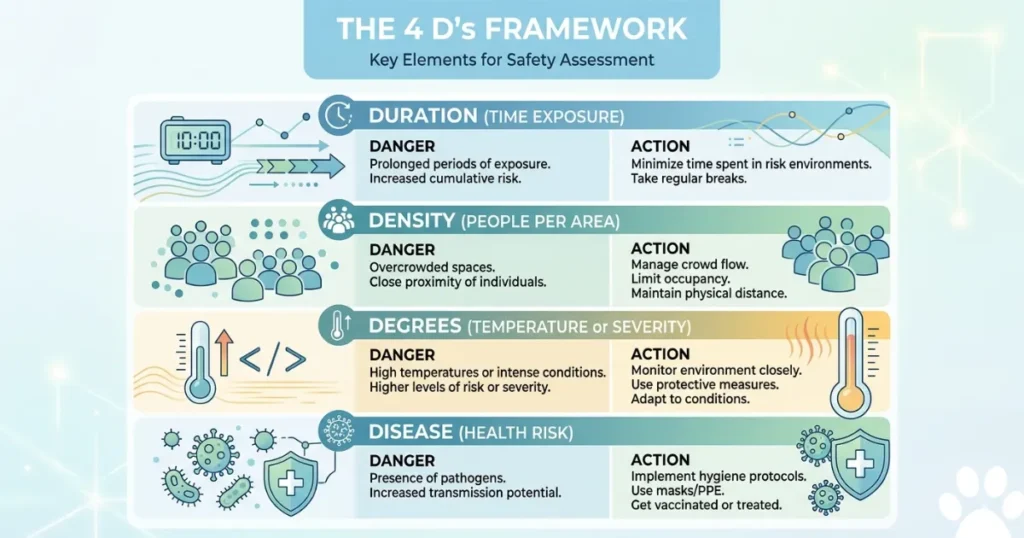
When a seizure does threaten a dog’s life, it’s almost always through one of four mechanisms. I teach owners to remember them as the 4 D’s, because knowing them tells you exactly when to move.
| The 4 D’s | The danger | Why it’s deadly | What to do |
| Duration | Status epilepticus | A seizure over 5 minutes starves and overheats the brain | ER now; IV medication needed |
| Density | Cluster seizures | Two or more in 24 hours stack and escalate | ER now; give prescribed rescue meds |
| Degrees | Hyperthermia | Nonstop muscle activity overheats organs and the brain. | Cool the dog; ER if seizing long |
| Disease | The underlying cause | A toxin, tumor, or organ failure drives the seizures | Diagnose and treat the root cause |
Two of these deserve a closer look. Hyperthermia is the quiet killer, because the violent muscle activity of a long seizure drives the body temperature up, and a study of dogs with cluster seizures and status epilepticus found that dogs presenting with a high temperature were significantly more likely to die.
The underlying disease matters just as much, since a first seizure outside the usual epilepsy age window often points to a toxin or a tumor that carries its own risk. A dog can also be injured during a seizure by falling down stairs or into water, so the environment matters too.
Golden Retrievers: The Risk, Honestly
For Golden Retrievers, the risk of death from seizures depends almost entirely on the cause and how well it’s controlled, not on anything unique to the breed. The mechanisms above are identical for every dog.
The hopeful scenario is the common one. A young adult Golden with idiopathic epilepsy, the inherited kind the breed is prone to, usually responds well to seizure medication, and many of these dogs live full, normal lifespans. Epilepsy is something you manage, not a countdown. Our guide to canine epilepsy covers long-term control.
The more serious scenario is a senior Golden whose seizures begin late in life. New seizures after about age 6 raise the possibility of a brain tumor, and Goldens are among the breeds predisposed to them, which shifts the risk into the “Disease” category of the 4 D’s. If that’s your dog, what causes fits in older dogs explains the workup, and our guide on when to consider letting go can help if the prognosis is guarded. You can read more about the breed in our Golden Retriever guides.
So a Golden doesn’t carry a special seizure death count. A young one with controlled epilepsy is usually at low risk, while a senior with an untreated underlying disease faces real danger.

The Myth of the Seizure Countdown
The single biggest misunderstanding behind this search is the idea of a countdown, that a dog gets a fixed number of seizures and then dies. It’s understandable because counting feels like control, but it isn’t how seizures work, and believing it causes real harm.
The countdown myth makes owners panic over harmless short seizures while missing the situations that genuinely matter. A dog who has had twenty brief seizures over two years is not “closer to death” than a dog having its first. What changes the picture is a long seizure, a cluster, overheating, or a worsening cause, not the tally.
There is one rare exception worth naming honestly. Sudden unexpected death in dogs with epilepsy is documented, but it’s uncommon, and most epileptic dogs that die are euthanized for quality of life reasons or pass from unrelated illness rather than dying suddenly from a seizure. It helps to separate two very different things. Dying from a seizure is rare.
Being euthanized because seizures have eroded a dog’s quality of life is more common, and that’s a gradual decision made deliberately with your vet, not a sudden number being hit. In a representative case I see often, an owner has tracked every seizure for months, terrified of hitting some limit, and is genuinely relieved to learn the number was never the danger.
How to Protect Your Dog and Lower the Risk
You can’t promise your dog will never seize, but you can do a lot to keep seizures from becoming deadly. The goal is to control the 4 D’s.
Time every seizure, because duration is the number that actually matters. Treat a seizure over 5 minutes, or a second within 24 hours, as an emergency and get to the vet immediately. For the in the moment steps, follow how to handle a seizure right now, and keep your dog away from stairs, water, and sharp furniture while it’s seizing.
Give prescribed medication exactly on schedule, and never stop it abruptly. VCA warns that suddenly withdrawing anticonvulsant medication can trigger severe, even nonstop seizures, so any change must go through your vet.
If your dog has a history of long or clustered seizures, ask whether an at-home rescue medication like rectal diazepam or intranasal midazolam belongs in your kit. And get the underlying cause properly diagnosed, because treating the disease behind the seizures is the most powerful way to lower the long-term risk.

Expert Insight
“The owners who track every single seizure waiting for a magic number are watching the wrong thing. I’d rather they watch the clock during one seizure than the calendar across fifty. Duration is what saves dogs, not the count.”
How many seizures can a dog have before it dies?
There’s no set number. Dogs don’t die from a tally, so a dog can have many brief seizures over years and live a full life. Death risk comes from a seizure’s severity, not its count.
Can a dog die from a seizure?
Yes, but it’s uncommon. A single short seizure is rarely fatal. The real dangers are a seizure over 5 minutes, repeated clusters, overheating, or the underlying cause, not the number of seizures.
How many seizures in a row are dangerous for a dog?
Two or more seizures within 24 hours, called cluster seizures, are dangerous and need emergency care. So does any seizure your dog doesn’t fully recover from before the next. Go to the vet right away.
How long can a dog seizure last before it’s deadly?
A seizure over 5 minutes, called status epilepticus, is life-threatening and can cause overheating or brain damage. Most normal seizures last one to two minutes. Time every seizure and head to the ER if it lasts past 5 minutes.
Is it safe for a dog to have multiple seizures in one day?
No. Multiple seizures in 24 hours are a cluster and a medical emergency, even if each one is brief. Clusters can escalate into nonstop seizing, so your dog needs same-day veterinary care.
What happens if a dog’s seizure doesn’t stop?
A seizure that won’t stop is status epilepticus. The body overheats, the brain is starved of oxygen, and without emergency IV medication, a dog can suffer brain damage or die. This is a drive to the ER emergency.
Can a dog die in its sleep from a seizure?
It’s rare. Sudden unexpected death in epileptic dogs is documented but uncommon. Most seizures during sleep are brief and survivable, though any seizure pattern deserves a vet’s evaluation to lower the risk.
When should I rush my dog to the ER for a seizure?
Go immediately if a seizure lasts over 5 minutes, your dog has two or more in 24 hours, doesn’t recover between them, overheats, or you suspect a toxin. A first-ever seizure also needs prompt care.
Do dogs feel pain during a seizure?
No. During a generalized seizure, a dog is unconscious and unaware, so it doesn’t feel pain, even though the movements look distressing. Dogs may be confused or anxious afterward, in the post-ictal phase, but not in pain.
How to lower a dog’s risk of dying from seizures?
Give medication on schedule and never stop it abruptly, time every seizure, treat long or clustered seizures as emergencies, keep your dog from hazards while seizing, and get the underlying cause diagnosed and treated.
Can Golden Retrievers die from seizures?
Yes, but uncommonly, and usually only in the dangerous situations any dog faces, like status epilepticus or a serious underlying cause. Most Goldens with controlled idiopathic epilepsy live full lives.
Why do some Golden Retrievers die from seizures?
When it happens, it’s usually from status epilepticus, clusters, or an underlying disease like a brain tumor, which Goldens are predisposed to in their senior years. The breed itself doesn’t set a seizure death limit.
Do Golden Retrievers with epilepsy live a normal lifespan?
Often yes. Goldens with well-controlled idiopathic epilepsy frequently live normal lifespans. Lifespan is shortened mainly when seizures are refractory, clustered, or driven by a serious underlying cause.
Can a Golden Retriever survive status epilepticus?
Yes, many do with fast emergency treatment, which is why speed matters so much. Status epilepticus is life-threatening, and survival drops the longer it continues, so get IV care immediately.
When is a dog seizure a life-threatening emergency?
A seizure over 5 minutes, called status epilepticus, is life-threatening and needs emergency care now. Two or more seizures in 24 hours are also an emergency. Go to the vet immediately rather than waiting.
Conclusion
If you’re wondering how many seizures a dog can have before it dies, the honest answer is freeing. There’s no number, because death isn’t a countdown. A dog can have many brief seizures and live a full, happy life. Yes, a dog can die from a seizure, but it’s uncommon and tied to specific dangers.
Watch the 4 D’s instead of the tally. Duration over 5 minutes, density of clusters, degrees of overheating, and the disease behind it all. For a young Golden with controlled epilepsy, the outlook is usually good, so give the medication faithfully and treat the dangerous situations as the emergencies they are.
Has your Golden lived well with seizures despite early fears that each one might be the last? Share how many years you’ve managed it and what reassured you most.