
A seizure usually means sudden collapse, stiff or paddling legs, a clenched or chomping jaw, drooling, and often loss of bladder control, with your dog unaware of you. If it lasts longer than five minutes, treat it as an emergency and call your vet now.
A dog seizure most often looks like a sudden collapse onto one side, with the legs stiffening and then paddling, the jaw chomping, heavy drooling, and frequently loss of bladder or bowel control. The dog is unconscious and unaware during a full seizure. Most last under two minutes and are followed by a confused recovery period.
So what does a dog seizure look like in real life? It looks like your Golden is suddenly dropping to the floor, legs rigid, then paddling, jaw snapping, drooling, often wetting himself, and completely unresponsive to your voice. That’s the classic generalized seizure, and it’s the form Golden Retrievers show most.
Here’s the part that frightens owners most. During a full seizure, your dog isn’t in pain and isn’t aware it’s happening. Even though seizures often look terrifying, dogs are usually unconscious and unaware that the seizure is occurring, and seizures are not painful events.
Dogs with idiopathic epilepsy, the most common cause of seizures, typically have their first seizure between six months and six years of age. In Goldens, that first event tends to land in early adulthood, which catches owners off guard. Our full pillar on seizures in dogs covers the wider picture.
What Does a Dog Seizure Look Like: The Three Stages
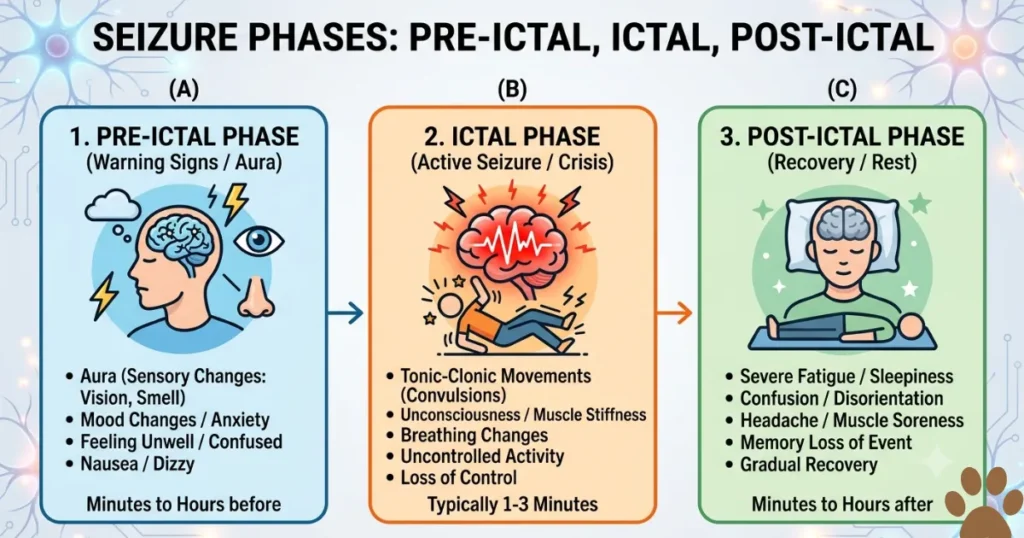
A dog seizure unfolds in three stages, and knowing them tells you where you are in the event. Most owners only recognize the middle one.
The Pre-Ictal Stage (Aura).
Before the seizure, many dogs change their behavior. During the pre-ictal phase, you might notice your dog becoming anxious, restless, or unusually clingy, and some might whine, hide, pace, or salivate. This warning window can last seconds to hours, and it’s your cue to clear the area around your Golden.
The Ictal Stage (The Seizure Itself).
This is the seizure you picture. The ictal phase lasts from a few seconds to about five minutes. All the body muscles contract strongly; the dog usually falls on its side and seems paralyzed while shaking, the head draws backward, and urination, defecation, and salivation often occur. For the past five minutes, your dog has been in status epilepticus, and that is a true emergency.
The Post-Ictal Stage (Recovery).
After the convulsion, the brain resets, and this stage confuses owners the most. The post-ictal phase consists of disorientation, confusion, pacing, salivation, restlessness, and sometimes temporary blindness, and it can last minutes to hours. A golden retriever bumping into walls or eating frantically afterward is recovering, not deteriorating.
The Most Common Dog Seizure Signs, Head to Tail.
The clearest dog seizure signs cluster around sudden collapse and rhythmic, involuntary movement your dog can’t stop. Run through them head to tail.
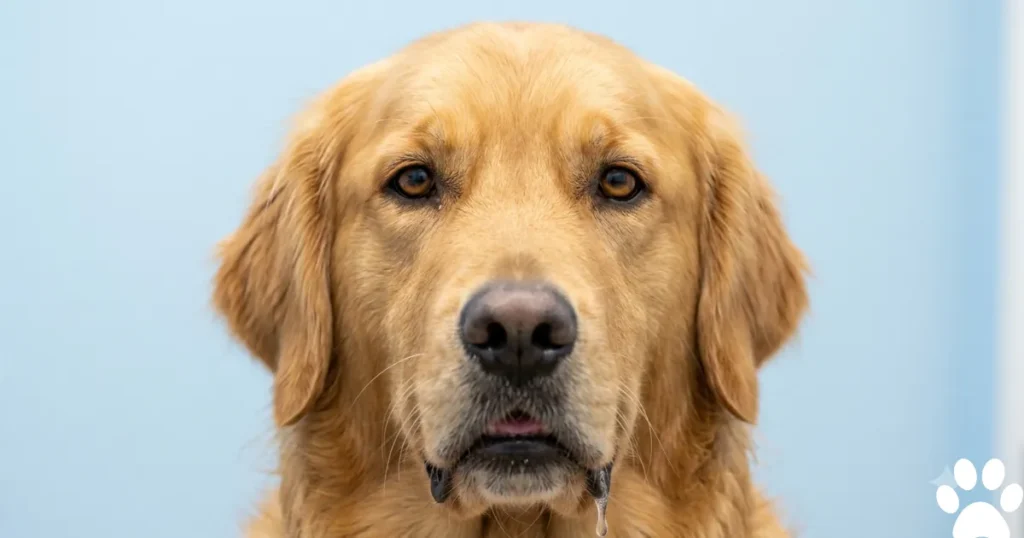
The head and face go first in many cases: a fixed or vacant stare, jaw-chomping or “chewing gum” motion, heavy drooling, and the head pulling backward. Down the body, the legs stiffen and then paddle as if swimming on their side, the muscles jerk rhythmically, and many dogs lose bladder or bowel control. The giveaway that separates a seizure from most look-alikes is that your Golden is unresponsive and unaware throughout.
Not every seizure is dramatic, though. Focal seizures can look like nothing more than a twitching lip, ear, or eyelid, or the classic fly-biting at invisible objects. Those start in one brain region and may not include collapse, which our guide to focal and cluster seizure types breaks down.
How to Tell If Your Dog Is Having a Seizure or Something Else.
To tell if your dog is having a seizure, watch what happens before, during, and after, because fainting, dreaming, and balance episodes each break the pattern in a specific way. Most guides skip this, and it’s exactly where owners go wrong.
Fainting is the big mimic. Cardiac collapse tends to be softer than seizure activity, more closely resembling fainting, and the dog usually recovers more quickly, with no aura beforehand and no confused recovery afterward. Syncope also tends to happen when a dog is moving or excited, whereas seizures occur more commonly when a dog is at rest.
A balance problem is the other mimic. Vestibular events commonly include loss of balance, incoordination, head tilt, and abnormal eye movements, which are different from a seizure. A dreaming dog twitching in sleep wakes normally when you call, while a seizing dog doesn’t, a distinction our companion guide on twitching in sleep versus a seizure examines in depth.
What a Golden Retriever’s Seizure Usually Looks Like.
A Golden Retriever’s seizure usually looks like a full generalized convulsion rather than a subtle twitch, which shapes what you’ll actually witness. The breed runs toward the dramatic end.
A genetic study of idiopathic epilepsy in the golden retriever found that most affected dogs showed generalized grand mal seizures, with onset within one to three years in 75% of cases and a predisposition in males. So a young adult male Golden collapsing into a whole-body convulsion fits the breed pattern closely.
Age also reframes what a first seizure means. In a golden under one year, I look hard for toxins or low blood sugar first. In a senior Golden, a first seizure raises the question of a structural cause, which matters more in this breed given its high cancer rate documented by the Golden Retriever Lifetime Study. The trigger side is covered in what causes seizures in dogs.

The GRI Before, During, and After Check.
Use this named check to sort what you saw into seizure or look-alike across four windows. It’s the fastest way to give your vet a useful description.
| Window | Seizure | Fainting (syncope) | Sleep twitch/dream |
| Before | Aura: clingy, restless, hiding | No warning, often during exertion | Asleep, settled |
| During | Stiff then paddling, jaw chomps, unaware | Goes limp, brief, may wet | Small paw or whisker twitches |
| After | Confused, blind, hungry for minutes to hours | Up and normal within seconds | Wakes normally when called |
| Trigger | Often at rest | Excitement, coughing, standing up | None |
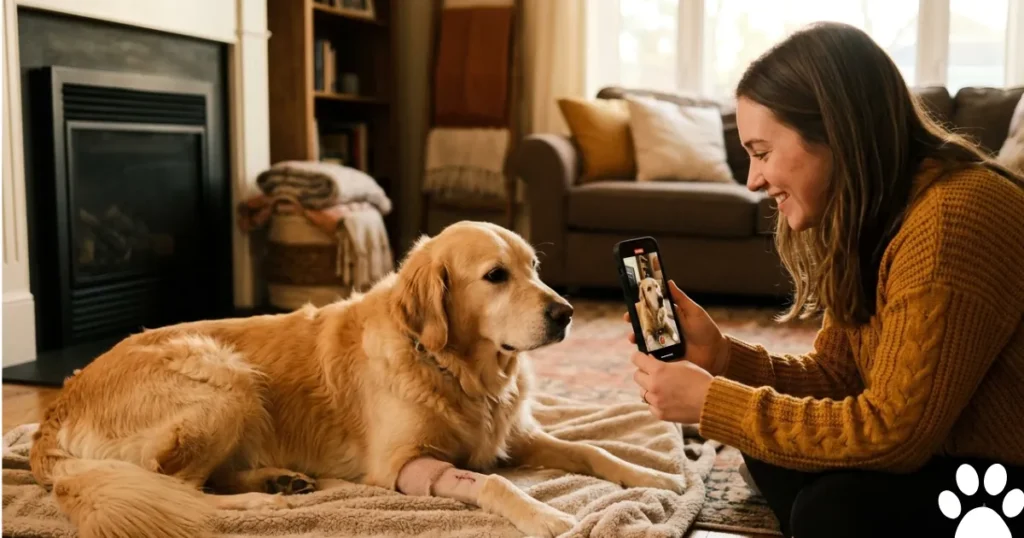
What I tell owners. Film the event if you can safely, because a phone video answers these four windows better than any description, and it’s the single most useful thing you can hand your vet.
EXPERT INSIGHT
The owners who get the fastest diagnosis aren’t the ones who describe the seizure best. They’re the ones who filmed it. A ten-second clip tells me in seconds whether I’m looking at a seizure, a faint, or a balance problem, and it changes the entire workup. Verify phrasing with the reviewing vet.
What to Do the Moment Your Golden Has a Seizure.
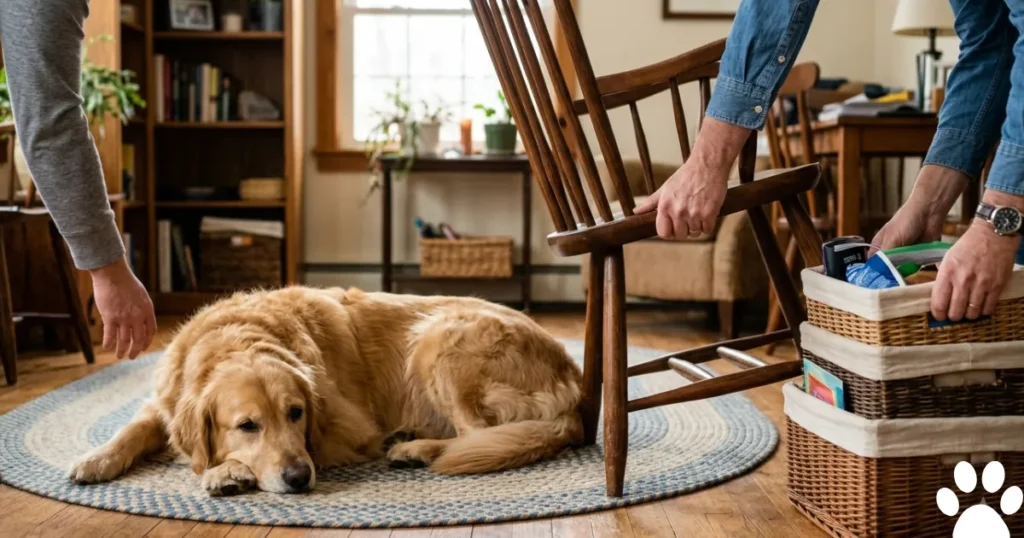
Stay calm, clear the space, time it, and keep your hands away from your mouth. That sequence keeps both of you safe.
Never put your fingers in a dog’s mouth during a seizure, because you could be bitten, and dogs do not swallow their tongues. Move furniture away, dim the lights, and note the start time on your phone. Don’t try to restrain or comfort-hold your Golden mid-convulsion; just protect the head from hard edges.
Once the convulsion ends, let the post-ictal fog pass and book a veterinary exam. For a first seizure, or any cluster, treatment may follow, which our overview of seizure medications for dogs and the deeper guide to daily epilepsy medication explain.
When to Call the Vet about Your Golden’s Seizure.
Call immediately for any seizure over five minutes, repeated seizures, or a first seizure in a senior Golden. Everything else gets logged and reviewed.
| 🔴 URGENT — Call now | 🟢 MONITOR — Log and review |
| Seizure lasting 5 minutes or longer | Single seizure under 2 minutes, full recovery |
| Two or more seizures in 24 hours | First mild focal twitch that resolves |
| Not waking between events | Brief post-seizure wobble that clears within an hour |
| First seizure in a senior Golden | Known epilepsy, stable and as expected |
| Seizure with collapse plus blue gums | Short disorientation that passes |
What does a dog seizure look like?
A dog seizure looks like a sudden collapse with stiff, then paddling, legs; a chomping jaw; drooling; and often loss of bladder control, with the dog unconscious and unaware. Most last under two minutes.
What does a dog seizure look like while sleeping?
A sleeping seizure shows rigid paddling, jaw chomping, and unresponsiveness, and the dog cannot be roused. Normal dream twitches are small, brief, and stop the moment you call your dog’s name.
What are the first dog seizure signs to watch for?
The first dog seizure signs are usually pre-ictal: sudden clinginess, restlessness, hiding, pacing, or drooling minutes before collapse. Recognizing this aura gives you time to clear the area and start timing.
What do dog seizures look like when they are mild?
Mild seizures look like a vacant stare, lip or eyelid twitching, or snapping at invisible flies without collapsing. These focal seizures may not cause loss of consciousness but can progress to a full convulsion.
How to tell if your dog is having a seizure or fainting?
Watch recovery. A seizure has a confused, disoriented recovery lasting minutes to hours, while fainting recovers within seconds. Fainting also tends to strike during exertion, whereas seizures happen at rest.
How to know if your dog is having a seizure at night?
A nighttime seizure involves rigid paddling, chomping, and total unresponsiveness, and your dog won’t wake when called. A dreaming dog twitches softly and rouses normally, a key difference vets use to separate the two.
How long does a dog seizure last?
Most last under two minutes. A seizure lasting five minutes or longer is status epilepticus and a medical emergency. Time every event, because duration drives the urgency of your next step.
Are dogs in pain during a seizure?
No, dogs are not in pain during a full seizure. They are unconscious and unaware that it’s happening. The event looks far worse for you to watch than it feels for your dog to experience.
How to help a dog having a seizure?
Clear hard objects away, dim the lights, time it, and keep hands away from the mouth. Don’t restrain your dog. Protect the head, then book a vet exam once recovery begins.
Can a dog have a seizure and act normal afterward?
Yes, after the post-ictal recovery passes, many dogs return to normal. That recovery can take minutes to hours and may include confusion, pacing, temporary blindness, or unusual hunger before your dog seems himself again.
Why do Golden Retrievers have generalized seizures more than focal ones?
Golden Retrievers carry a genetic predisposition to idiopathic epilepsy that, in studies of the breed, most often produces generalized grand mal seizures rather than subtle focal ones, which is why their events usually look like full convulsions.
Why do Golden Retrievers have seizures so young?
Golden Retrievers are predisposed to idiopathic epilepsy, and breed studies show onset within one to three years in about 75% of affected dogs, so the first seizure commonly appears in early adulthood rather than later in life.
Do Golden Retrievers have a higher risk of epilepsy than other breeds?
Yes, Golden Retrievers sit among the breeds predisposed to idiopathic epilepsy, listed alongside Labradors and Border Collies by Cornell, with a documented genetic component and a predisposition in male Goldens.
Can Golden Retrievers twitch in their sleep without having a seizure?
Yes, Golden Retrievers commonly twitch, paddle, or whimper while dreaming. The difference from a seizure is simple: a dreaming Golden wakes normally when called, while a seizing one stays unresponsive and rigid.
When should I take my Golden Retriever to the vet after a seizure?
Go immediately if a seizure lasts over five minutes, repeats within 24 hours, or is your senior Golden’s first. For a single short seizure with full recovery, book a prompt, non-emergency exam.
Conclusion.
Knowing what a dog seizure looks like comes down to the three stages and one test: a real seizure brings a confused recovery and an unresponsive dog, while fainting and dreaming don’t.
Your one move today is to film the next event, because that clip tells your vet in seconds whether it’s a seizure, a faint, or a balance problem. For your Golden, expect a full convulsion rather than a subtle twitch, and treat anything past five minutes as an emergency.
If your Golden has had a seizure, what did the first one look like, and how old was he when it happened? The early-adult timing is so common in this breed that your story helps another owner recognize it faster. Did you manage to film it, and did that change what your vet found?