When is a dog considered an adult? Most dogs reach adulthood between one and two years, but the exact age depends on size and on which kind of maturity you mean. Small breeds grow up fastest and giant breeds slowest. Physical maturity comes first, and full mental maturity often arrives a year or more later.
It sounds like a simple question with a simple answer. In practice, there is no single birthday when a dog flips from puppy to adult, which is why owners get so many different answers.
The honest reply is that it depends. This guide breaks down when a dog becomes an adult by breed size, explains the different kinds of maturity, and shows why the answer matters for feeding, exercise, and care. For the month-by-month view of one breed, see the full growth timeline.
When is a dog considered an adult? The short answer
There is no fixed day, only a gradual shift from fast growth to steady maintenance and from puppy chaos to settled habits. Most dogs cross that line somewhere between one and two years old.
Size is the biggest factor, and the kind of maturity you mean matters too. This guide sits in our health and care guides, part of more of our Golden Retriever guides. The word “adult” really covers two things: a body that has stopped growing and a mind that has settled down. Those two rarely happen at the same time, so when is a dog an adult often has one answer for the body and another for the brain.
The three kinds of dog maturity
A dog does not grow up all at once. It reaches three kinds of maturity at three different times, which is the real reason the question is confusing. Line these three up, though, and the confusion clears. A dog can be an adult in one sense and still a youngster in another.
Sexual maturity comes first.
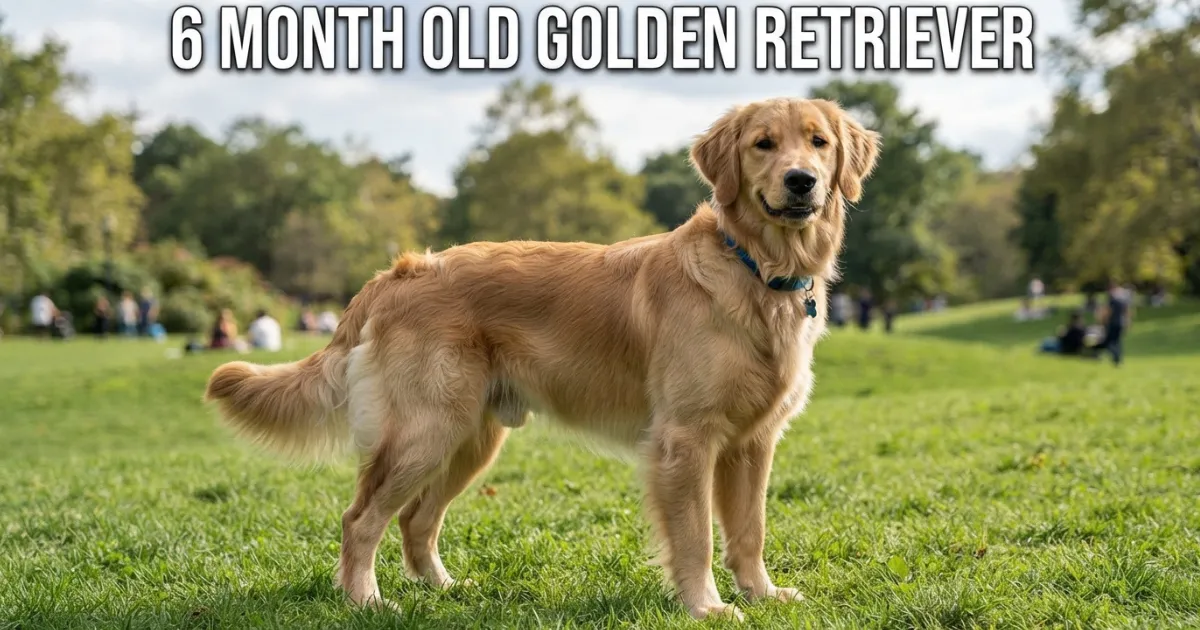
Dogs can reproduce well before they are grown, often between six and twelve months. Females may have a first heat and males start marking around then. Being able to breed is not the same as being an adult, as covered around the half year milestone. So a six-month-old that could father a litter is nowhere near a finished adult. This is the earliest and most misleading milestone of the three.
Physical maturity depends on size.
This is skeletal maturity, when the growth plates close and the dog stops getting taller. It ranges from about 9 months in small dogs to 24 months in giant breeds. The physical journey is mapped in our guide to puppy growth stages. Once the plates close, the skeleton is set, and the dog will not get any taller. That is the moment most people picture when they ask when a dog is an adult.
Mental maturity comes last.
Emotional and behavioral maturity is the slowest of the three, often not settling until two to three years. This is why a fully grown dog can still act like a teenager, a pattern explained in our puppy behavior guide. This is the slowest clock of the three, and the one owners forget. A dog can look completely grown and still have the judgment of a youngster for another year.
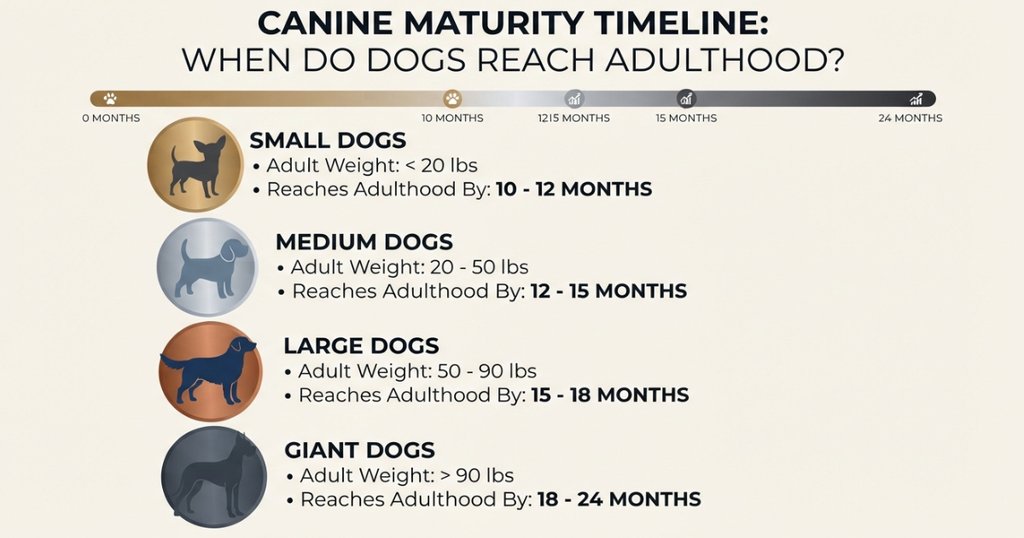
What age is a dog considered an adult by size?
The single most useful way to answer what age is a dog considered an adult is to look at its size. Bigger bones simply take longer to finish, so large dogs stay puppies for longer. This is the most practical way to answer when is a dog an adult, because you can estimate it the day you learn the breed. Bigger dogs just need more months to finish the job.
| Dog size | Typical adult weight | Reaches physical adulthood |
| Small | Under 20 lb | 9 to 12 months |
| Medium | 20 to 50 lb | Around 12 months |
| Large | 50 to 100 lb | 15 to 18 months |
| Giant | Over 100 lb | 18 to 24 months |
Small and medium dogs
Small breeds grow up fast, with some finishing close to 9 months. Medium breeds usually reach physical adulthood around a year. Both tend to settle behaviorally sooner than big dogs too. For most small and medium dogs, the first birthday is a fair marker of adulthood.
By then the growing is largely done, and the worst of the puppy energy has passed. Even so, plenty of small dogs keep a playful streak for life, which blurs when a dog is an adult in behavior even after the body is done.
Large and giant dogs
Large and giant breeds take the longest, sometimes not finishing until two years old. A giant-breed dog of eighteen months can still be growing, so what age is a dog considered an adult really has no single answer without knowing its size. For these breeds, patience pays off.
Rushing a giant-breed puppy into hard exercise or adult food too early can do real harm while the body is still building. The reward for waiting is a sounder, healthier adult, with stronger joints for the long haul.
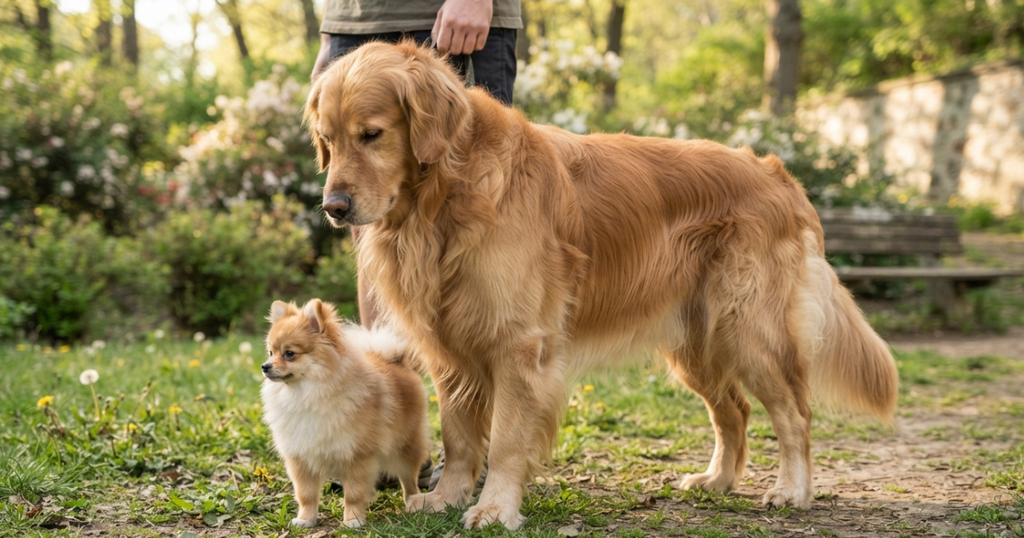
At what age is a dog an adult for a Golden Retriever?
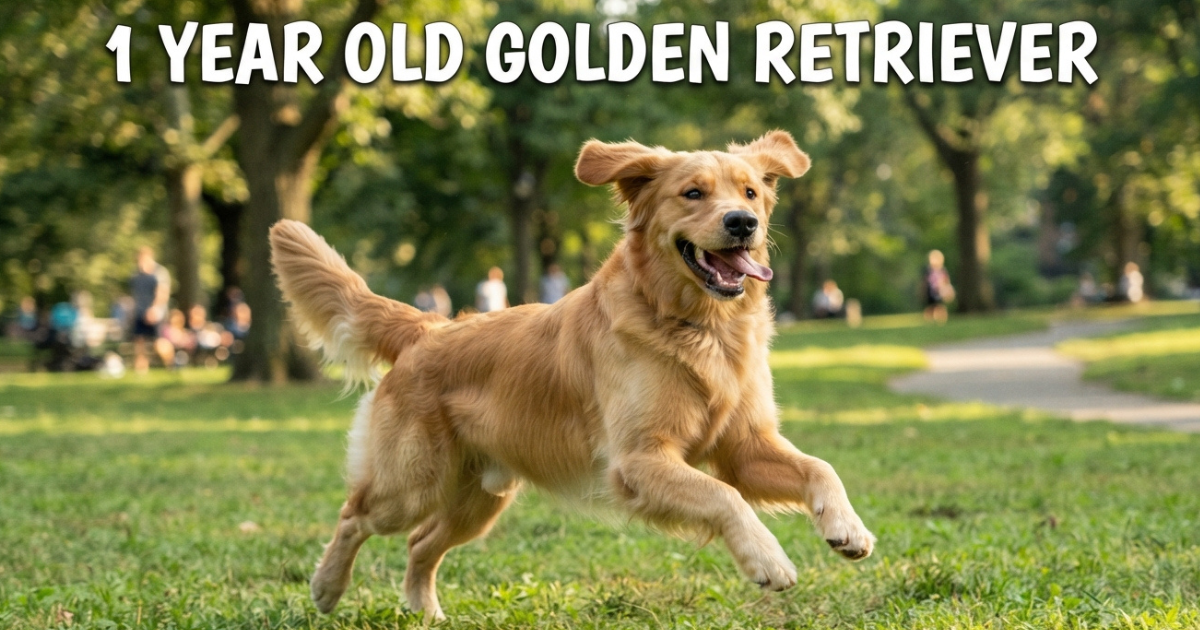
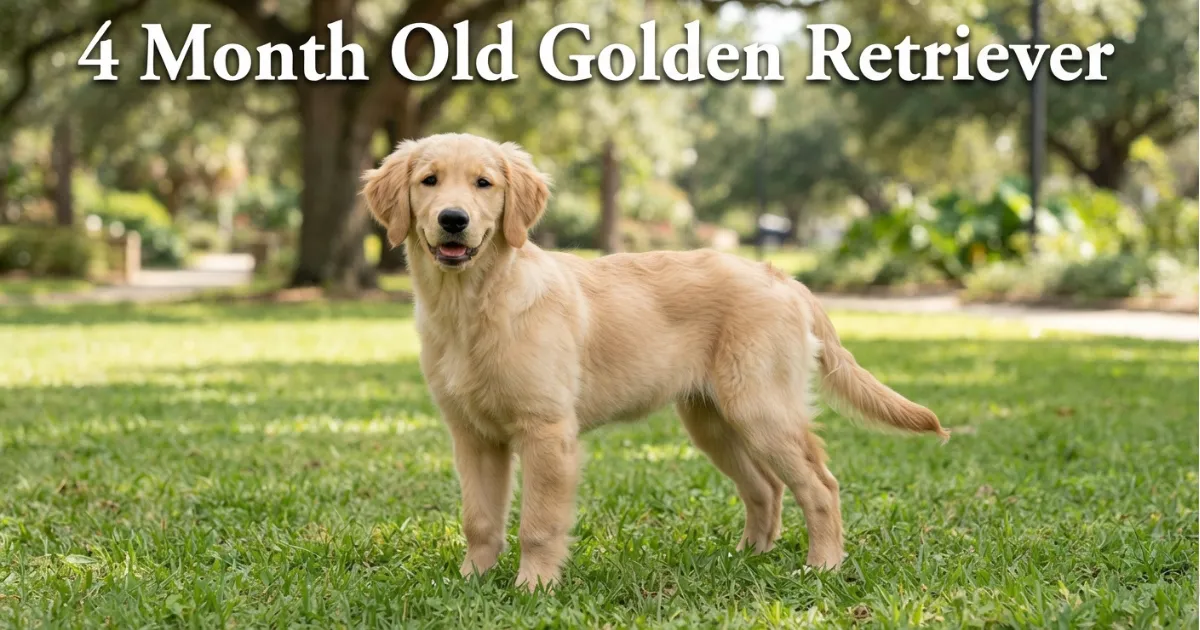
Golden Retrievers are a large breed, so the question of at what age is a dog an adult lands in the 15 to 18 month range for physical maturity. Height usually finishes near a year, then the body keeps filling out with muscle and chest depth toward two years.
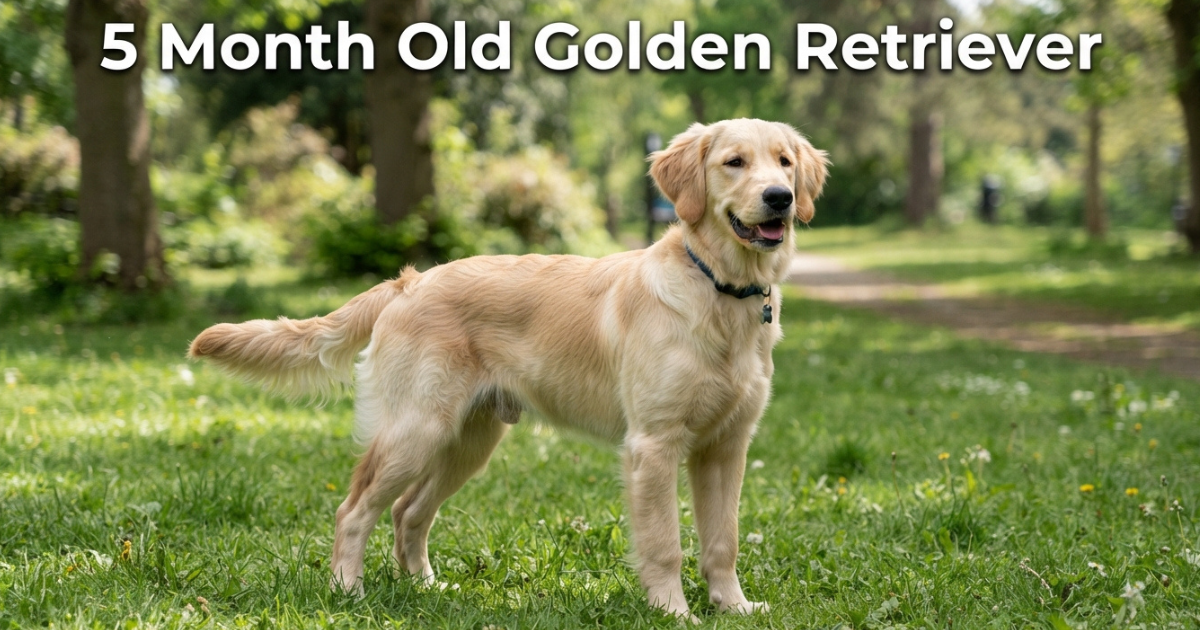
Behaviorally, Goldens take longer still, often not fully mature until two to three years. That gap is why a Golden can look grown at your dog’s first year and still act like an overgrown puppy, with the teenage stretch running from around the five months stage. So for a Golden, the honest answer to when is a dog an adult is a range, not a date. The body is adult by around eighteen months, and the personality catches up nearer to two or three years.
How do you know your dog is grown?
You do not need an exact date to tell that growth is finishing. A few clear signs point to physical adulthood, whatever the breed.
The most reliable sign is a steady weight and height for several weeks, with no more upward climb.
Your vet can confirm skeletal maturity, since closed growth plates are the definitive marker. Appetite often levels off too, and the frantic puppy energy starts, slowly, to settle. No single sign is exact on its own, but together they paint a clear picture. If the scale has held steady for a month and your vet agrees, you can safely treat your dog as physically grown.
Behaviorally the picture is fuzzier, which is why when is a dog an adult has no tidy answer for the mind. The calm simply arrives gradually, month by month.
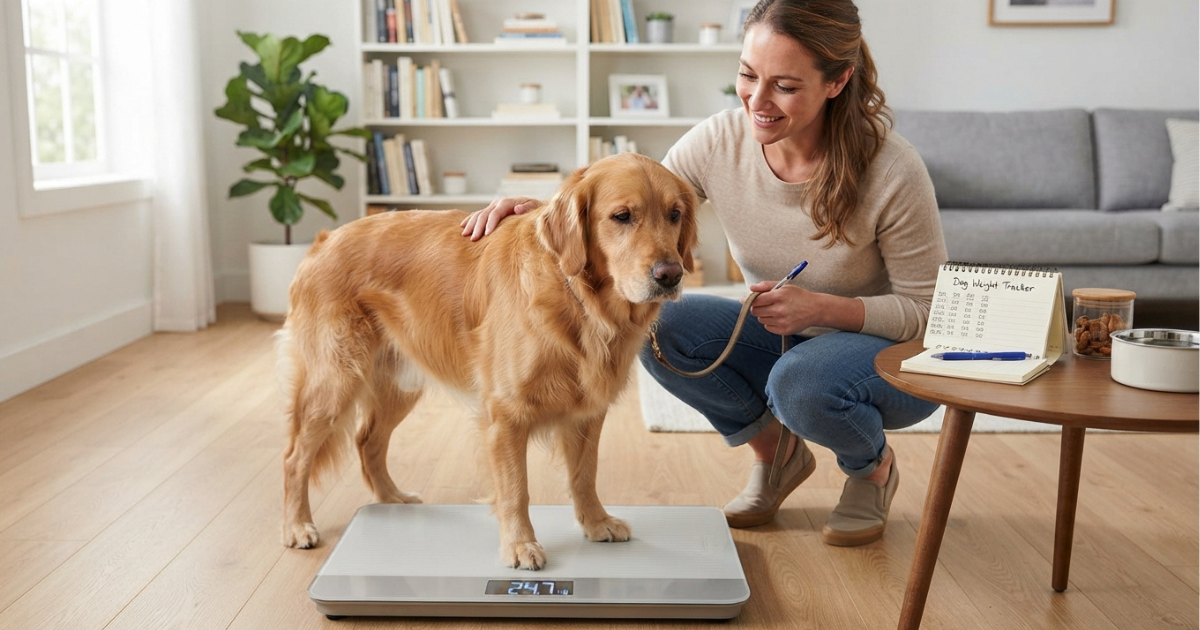
When does an adult dog become a senior?
Adulthood does not last forever, and here size flips the script. Because larger dogs age faster, they reach their senior years sooner than small dogs.
| Dog size | Adult prime | Considered senior |
| Small | 1 to 10 years | Around 10 to 12 years |
| Medium | 1 to 9 years | Around 9 years |
| Large | 1.5 to 7 years | Around 7 years |
| Giant | 2 to 6 years | Around 6 years |
Most dogs are treated as seniors around 8 years old, but the table shows how much size shifts that line.
A giant breed may need senior-level care years before a small dog of the same age. Knowing when a dog becomes an adult is only half the story, then, because the adult window itself is shorter for big breeds. Larger dogs also tend to have shorter lifespans overall, which is simply part of being a big dog.
It is a good reminder that when is a dog an adult, it is really a question about that dog’s whole timeline. A giant breed lives its life on fast-forward compared with a terrier.
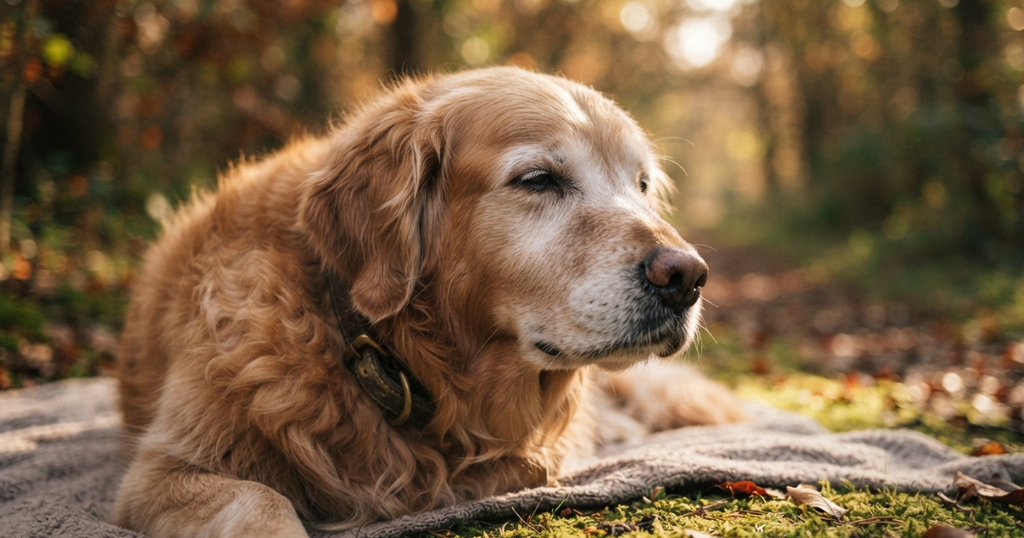
Does spaying or neutering make a dog an adult?
No, and this is a common mix-up. Spaying or neutering changes a dog’s hormones, but it does not fast-forward growth or maturity. A neutered puppy is still very much a puppy.
For large breeds, many vets now suggest waiting until closer to physical maturity before the surgery, since the growth plates rely on those hormones to close on time. The decision, and the timing, is one to make with your own vet. It does not change when a dog is an adult, only how you manage the years around it.
Why the answer matters for your dog’s care
Switching to adult food
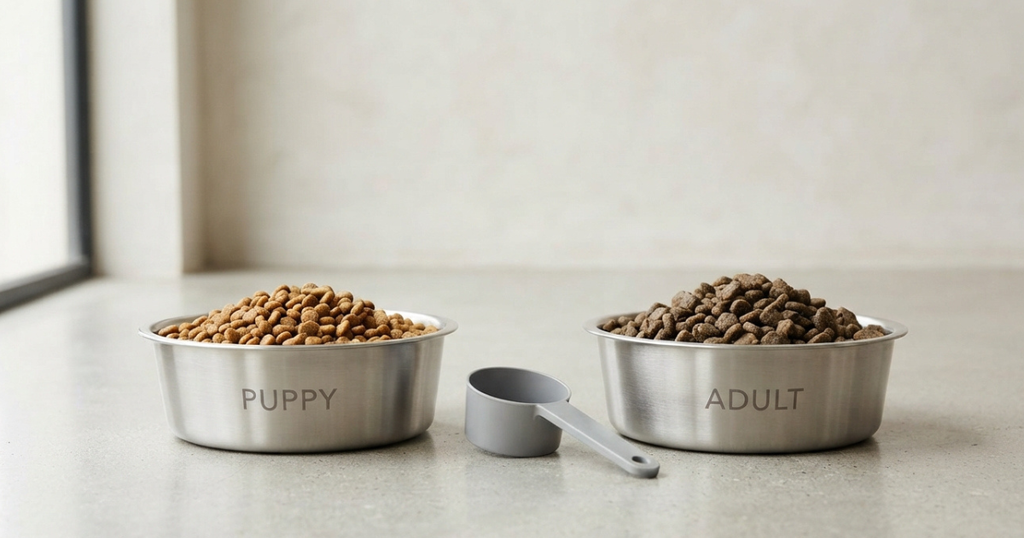
Knowing when a dog is an adult tells you when to change its food. Puppy formula fuels growth, so switching too early can shortchange a still-growing dog. Small breeds often move to adult food around 9 to 12 months, while large breeds wait until closer to 15 to 18 months. The safest guide is your dog’s body, not the calendar. When growth has clearly finished, the switch makes sense, and your vet can confirm the timing.
Vet care, exercise, and training
Adulthood also changes the routine. Frequent puppy vet visits give way to an annual adult checkup. Exercise limits lift once the growth plates close, so a physically mature dog can finally take on longer runs and hikes.
Training does not stop at adulthood, though. Adult dogs keep learning happily, and mental stimulation matters for life. The steady habits you build in the early years are what carry a dog well into its adult prime. Adulthood is a beginning as much as an ending. It is the start of the long, settled stretch that most owners enjoy the very most. So treat the day your dog reaches adulthood as a milestone worth marking. The hardest, most demanding work of raising it is behind you.
Expert Insight
Owners often ask me for a single age, and I always point back to size and to the three kinds of maturity. A toy breed can be a settled adult at a year, while a giant breed is still a growing, goofy teenager at eighteen months. Match your food, exercise, and expectations to your dog’s size, not to a birthday, and you will rarely go wrong.
The quick answer by size.
Small dogs are adults by about 9 to 12 months, medium dogs by around 12 months, large dogs by 15 to 18 months, and giant breeds by 18 to 24 months. That is physical maturity. Mental maturity comes later, often at two to three years, so a grown-looking dog can still act young.
When is a dog an adult?
When is a dog an adult depends on size, but most dogs reach adulthood between one and two years. Small breeds mature fastest, around 9 to 12 months, and giant breeds slowest, up to 24 months. Mental maturity often comes later still.
What age is a dog considered an adult?
What age is a dog considered an adult depends mostly on breed size. Small dogs are adults by 9 to 12 months, medium dogs by about a year, large dogs by 15 to 18 months, and giant breeds by 18 to 24 months.
At what age is a dog an adult for large breeds?
At what age is a dog an adult? For a large breed, it is usually 15 to 18 months for physical maturity. Height often finishes near a year, but the body keeps filling out and the mind matures later, closer to two or three years.
Do dogs mature at different ages by size?
Yes, and size is the biggest factor. Bigger bones take longer to finish growing, so small breeds reach adulthood by about a year, while giant breeds may take two years. Small dogs also tend to settle behaviorally sooner.
What are the three kinds of dog maturity?
Dogs reach sexual maturity first, often at six to twelve months, then physical maturity when the growth plates close, then mental maturity last, often at two to three years. A dog can be one kind of adult but not another.
Is a dog an adult at one year?
Often, but not always. A one-year-old small or medium dog is usually a physical adult, while a large or giant breed may still be growing. And most dogs, whatever their size, are still maturing mentally well past their first birthday.
When do dogs stop growing?
Dogs stop growing when their growth plates close, between about 6 and 24 months depending on size. Small breeds finish around 9 to 12 months, and large and giant breeds can take 18 to 24 months to reach full height.
How can I tell if my dog is fully grown?
The clearest sign is a steady height and weight for several weeks with no more increase. Your vet can confirm it, since closed growth plates are the definitive marker. Appetite leveling off and calmer behavior are supporting clues.
When should I switch my dog to adult food?
Base it on physical maturity, not a fixed birthday. Small breeds often switch around 9 to 12 months, while large breeds wait until 15 to 18 months. Switching too early can shortchange a dog that is still growing.
Does spaying or neutering make a dog an adult?
No. Spaying or neutering does not create adulthood, though the timing can affect growth and behavior. A dog still needs time to reach physical and mental maturity, which happens on its own schedule regardless of the surgery.
When does a dog become a senior?
Most dogs are seniors around 8 years, but size shifts it. Small dogs reach senior years around 10 to 12, medium around 9, large around 7, and giant breeds as early as 6, because bigger dogs age faster.
Why does my adult dog still act like a puppy?
Because physical and mental maturity arrive at different times. A dog can be fully grown in body while its behavior is still catching up, especially in large breeds, where full emotional maturity can take two to three years.
The bottom line
So when is a dog an adult? There is no single answer, only a range that depends on size and on which kind of maturity you mean.
Small dogs grow up by about a year, large and giant breeds take up to two, and mental maturity trails the body by a year or more in every case. That, boiled down, is the whole answer to when is a dog an adult. Size sets the pace, and the mind lags the body. Get those two ideas straight, and the question stops being puzzling for good.
The practical takeaway is to stop looking for one magic birthday. Judge adulthood by your dog’s size and by the signs that growth has finished, then match its food, exercise, and vet care to that stage. From those first newborn weeks to a settled adult, the whole path makes sense once you stop hunting for one magic birthday. Do that, and the question of when a dog becomes an adult stops being confusing and simply becomes another part of knowing your dog.
How old was your dog when it finally felt like a grown-up, in body or in behavior? Share your dog’s size and story in the comments about “At what age is a dog an adult” to help other owners set fair expectations.