
Do this now:
- Don’t touch your dog’s mouth and don’t hold it down. Clear hard objects away.
- Start a timer the second the seizure begins.
- If it lasts over 5 minutes, or a second one follows within 24 hours, get to the emergency vet immediately.
You can’t manually stop a dogs seizure once it starts, and you shouldn’t try. Most seizures end on their own within one to two minutes. Your real job is to keep your dog safe, time the seizure, and get emergency help if it runs past 5 minutes. The only thing that stops an active seizure is your dog’s own brain settling or medication given by you if your vet has prescribed a rescue drug or by the emergency team.
If you’re searching for how to stop seizures in dogs immediately while it’s happening, take a breath. The instinct to grab and hold your dog is strong, and I see it in every owner who calls me mid-panic. What actually helps isn’t force; it’s a calm, fast routine.
When a Golden owner calls me mid-seizure, the first thing I say is to put the phone on speakerphone and start a timer, not your hands on the dog. That one switch, from grabbing to timing, changes the whole outcome. Most seizures in dogs last between 30 seconds and two minutes, and one that passes 5 minutes becomes a medical emergency. For why seizures happen at all, see the full overview of seizures in dogs.
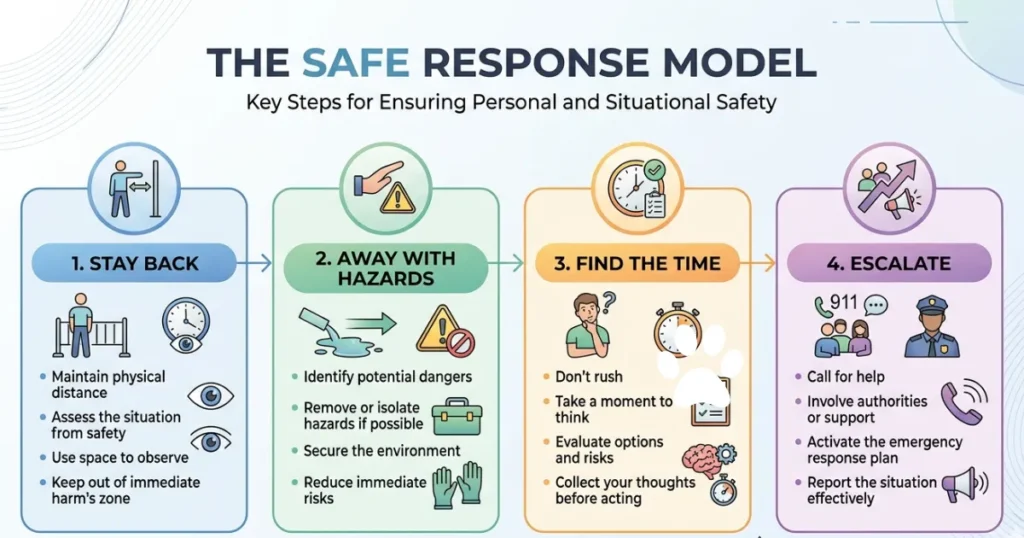
How to Stop a Dog’s Seizure: The SAFE Response
Since you can’t halt the seizure itself, your job is to protect your dog and gather facts. I teach owners a four-step routine they can run while their hands are shaking. Run it in order.
The SAFE response:
1. S—Stay back and stay calm.
Don’t restrain your dog and don’t reach for its mouth. The old fear about swallowing the tongue is a myth, and a seizing dog can bite without meaning to. Your calm voice matters more than your hands.
2. A—Away with hazards.
Clear furniture, sharp corners, and anything that could fall. Cushion the head with a folded towel. Keep your dog away from stairs and water, and only move it by gently sliding it by the back legs if it’s somewhere dangerous.
3. F—Find the time.
Start a stopwatch the moment the seizure begins. Duration is the single most useful number you can give your vet, and it decides what happens next.
4. E—Escalate if needed.
A seizure past 5 minutes, or a second seizure within 24 hours, means you go to the emergency vet now.
If you’re not even sure the episode is a seizure, knowing what a dog seizure looks like and how to tell if your dog is having a seizure will help. Some events are subtle, like a focal seizure that only twitches one side of the face.
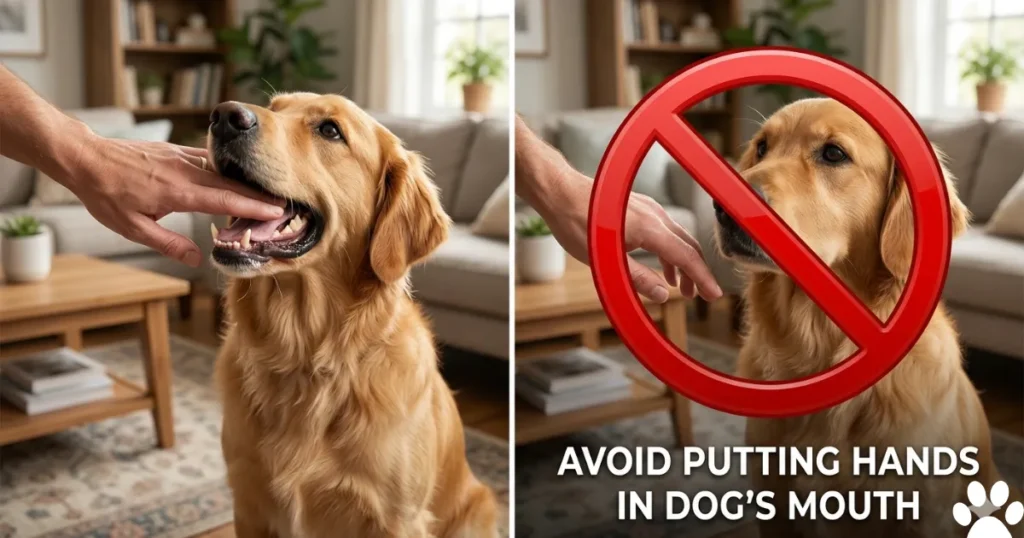
What NOT to Do During a Dog Seizure
The wrong instincts are common, and a few can hurt you or your dog. Skip these.
Don’t put your hands, fingers, or any object in your dog’s mouth. Dogs can’t swallow their tongues, and you’re likely to be bitten hard. Don’t try to hold your dog still or pin it down, because restraint doesn’t shorten a seizure and can injure you both. Don’t move your dog unless it’s in real danger, such as near a staircase or a pool.
Don’t try to cool a seizing dog with ice-cold water, which can cause shock. If a seizure runs long and your dog overheats, use cool, damp towels on the paws, head, and groin or a fan, rather than an ice bath. And don’t offer food or water the instant a seizure ends. A dazed dog can choke. Wait until it’s clearly alert again.
One more. Don’t reach for a human medication or someone else’s pet prescription to “stop” the seizure. Dosing the wrong drug or amount can do real harm, a point Cornell’s veterinary neurologists make about keeping any emergency medication strictly vet-directed, and browse our Golden Retriever health guides.
What Actually Stops a Seizure: Rescue Medications
Here’s the honest mechanism. A short seizure stops because the brain’s own brakes kick back in, usually within a minute or two. A prolonged seizure needs medication to stop, and that’s a job for a prescription, not a home remedy.
For dogs with a history of long or repeated seizures, vets often send owners home with a rescue medication so they can break a bad seizure before it escalates. According to MedVet, intranasal midazolam or rectal diazepam can safely stop an active seizure and buy time until you reach care.
These are dosed by weight, roughly 0.2 mg/kg for intranasal midazolam, which is about 6 mg for a 30-kg (66 lbs) Golden, and 0.5 to 1 mg/kg for rectal diazepam. Your vet calculates the exact dose, prescribes it, and trains you on when to give it. Never improvise.
At the clinic, an emergency team stops a seizure that won’t quit with an intravenous benzodiazepine such as diazepam or midazolam. If your dog keeps seizing, ask your vet whether a take-home rescue protocol and long-term seizure medication make sense for your dog.

When a Dog Seizure Becomes an Emergency
Most single seizures aren’t immediately dangerous, but four situations are. Treat each as a drive to the vet-now event.
The first is duration. A seizure lasting more than 5 minutes is status epilepticus, and VCA classifies it as life-threatening because the body overheats and the brain can be injured. At the clinic, the team stops it with an intravenous benzodiazepine, which is exactly why minutes matter.
The second is frequency. Two or more seizures in 24 hours is a cluster, covered in cluster seizures in dogs, and a cluster can build toward status epilepticus if it isn’t interrupted.
The third is a first-ever seizure. Even if it’s brief and your dog recovers fully, a first seizure deserves a same-day call because it can signal poisoning, infection, head trauma, or a metabolic problem that needs testing.
The fourth is a suspected toxin. If your dog may have eaten something, treat it as an emergency, scan our list of toxins that trigger seizures, and call animal poison control on your way in.
Before you drive, call the clinic so the team can prepare. Keep the car cool and quiet, and place your dog on a flat surface or in a crate to prevent falls.
What to Do After the Seizure Stops
The minutes after a seizure have their own rules. Your dog enters the post-ictal phase, a stretch of confusion, pacing, drooling, thirst, and sometimes temporary blindness that can last minutes to hours. None of that means something new is wrong. It’s the brain rebooting.
How long it lasts varies, and there’s no link between how violent the seizure looked and how long recovery takes. If the post-ictal fog runs much longer than usual for your dog, or your dog doesn’t return to its normal self at all, treat that as a same-day vet call rather than waiting it out.
Keep the room dim and quiet, and speak softly. Don’t crowd your dog or invite the whole family over to watch. Keep other pets away too, because a disoriented dog may react defensively to a housemate it doesn’t quite recognize for a few minutes. Hold off on food and water until your dog is steady and alert, then offer small amounts.
Write down what you saw, the time the seizure started, how long it lasted, and what your dog did before and after. If you can, film part of an episode for your vet, because a 30-second clip beats any description. Then call your vet to plan the next step, especially after a first seizure or a seizure that struck during sleep.
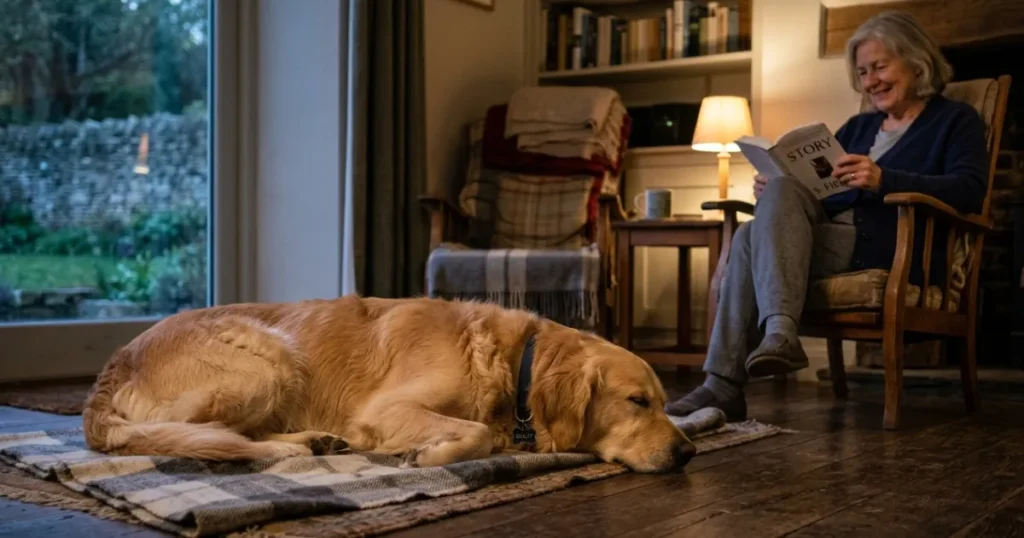
Golden Retrievers and Seizure First Aid: What’s the Same, What’s Not?
I’ll be straight about the breed angle, because honesty matters more than a hook. The first-aid steps are identical for every dog. A Golden in a seizure gets the exact same SAFE response as a Chihuahua, and there’s no Golden-specific trick to stop a seizure faster.
What’s different for Goldens is that the odds of needing this plan are higher. Golden Retrievers have a documented breed predisposition for idiopathic epilepsy, and the Srenk study found their seizures usually begin between one and three years of age.
So a young adult Golden is a dog whose owner should already know the SAFE response by heart, with a rescue medication discussed in advance if seizures recur. You can read more on the breed across our Golden Retriever guides.
There’s also a practical size note. A 70-pound Golden mid-seizure is a lot of moving weight, so clearing space and cushioning the head matters more than with a small dog, and you’ll need a plan for safe transport. The steps don’t change. The logistics just get bigger.
Expert Insight
“Owners always ask how to stop it. I tell them the kindest, fastest thing they can do is the opposite of stopping. Get your hands clear, get a timer running, and get ready to drive. That calm beats any heroics.”

How to stop a dog’s seizure immediately?
You can’t manually stop an active seizure, and you shouldn’t try. Most end on their own within one to two minutes. Keep your dog safe, time it, and get emergency care if it lasts over 5 minutes.
Can you stop a dog’s seizure at home?
Only with a vet-prescribed rescue medication like intranasal midazolam or rectal diazepam, given as directed. You can’t physically halt a seizure by holding your dog, though staying calm and keeping it safe genuinely helps.
What should you do when a dog is having a seizure?
Stay calm, don’t touch the mouth, don’t restrain your dog, and clear hazards. Cushion the head, start a timer, and dim the room. If the seizure passes 5 minutes, go to the emergency vet.
How long should a dog seizure last before going to the vet?
Any seizure over 5 minutes is an emergency, so go immediately. A first-ever seizure, or two in 24 hours, also warrants urgent care. For a single short seizure with full recovery, call your vet that day.
Is it safe to touch a dog having a seizure?
Keep your hands away from your mouth, where you risk a bite. You can cushion the head and clear hazards, but don’t restrain your dog. Restraint doesn’t shorten a seizure and can injure you both.
What happens if you don’t stop a dog’s seizure?
Most seizures stop on their own within two minutes. One that continues past 5 minutes is status epilepticus, which can cause overheating, brain injury, or death without emergency medication.
How to help a dog during a seizure at home?
Protect, don’t intervene. Clear furniture, cushion the head, keep your dog from stairs and water, and time the event. Give any vet-prescribed rescue medication as directed, then arrange veterinary care.
When should I take my dog to the ER for a seizure?
Go immediately if a seizure lasts over 5 minutes, your dog has two or more in 24 hours, doesn’t recover between them, or it’s a first seizure or suspected poisoning. When unsure, call your emergency vet.
Should you hold a dog down during a seizure?
No. Holding or pinning a seizing dog doesn’t shorten the seizure and can hurt you both. Let the movements happen in a cleared, cushioned space, away from the mouth.
Can I give my dog medication to stop a seizure?
Only a vet-prescribed rescue medication such as rectal diazepam or intranasal midazolam at the prescribed dose. Never use human drugs or another pet’s prescription, as they can poison your dog.
Can Golden Retrievers have sudden seizures?
Yes. Golden Retrievers are predisposed to idiopathic epilepsy, and a first seizure can appear suddenly in a healthy young adult. The first-aid response is the same as for any dog, so learn the SAFE steps.
Why do Golden Retrievers have seizures?
Golden Retrievers carry a documented genetic risk for idiopathic epilepsy. The Srenk study found that their seizures usually begin between one and three years of age and tend to be generalized rather than focal.
Do Golden Retrievers need rescue medication for seizures?
Some do. If a Golden has long or repeated seizures, vets often prescribe an at-home rescue drug like intranasal midazolam. Whether your dog needs one depends on its seizure pattern, so ask your vet.
Can a Golden Retriever recover from a seizure?
Yes. After a seizure, a Golden goes through a groggy post-ictal phase of minutes to hours, then usually returns to normal. Keep it calm and quiet, hold off on food, and call your vet.
When is a dog seizure a life-threatening emergency?
A seizure over 5 minutes, called status epilepticus, is life-threatening and needs emergency care now. Two or more seizures in 24 hours, or a dog that won’t wake between them, are also emergencies.
Conclusions
If you came here for how to stop seizures in dogs immediately, the honest answer is that you protect rather than stop. You can’t force a seizure to end, but most stop on their own within a minute or two, and your calm SAFE response is what truly helps. Keep your hands clear, cushion the head, start a timer, and watch the clock.
One number decides everything. A seizure past 5 minutes, or a second one in 24 hours, means the emergency vet now. Ask your vet whether a rescue medication belongs in your kit.
Has your Golden ever had a seizure when you were home alone? Tell us what helped you stay calm and whether your vet gave you a rescue plan. Your experience could steady another owner during their first one.