What is your dog’s real age? Many people think that one dog year equals seven human years, but this is a misconception. Dogs grow very rapidly in their first two years of life, after which that growth slows down. After they reach adulthood, size is the determining factor.
The question I get asked most often is how to check dog years to human years. The honest answer is the old rule of thumb of “multiplying by 7” doesn’t work here. Dogs don’t age uniformly or linearly. A Golden Retriever goes through an intense developmental phase in its first two years of life, after which the pace slows down. Both the American Kennel Club (AKC) and the veterinary college at the University of California, Davis, have calculated that the first year of a medium-sized dog’s life corresponds to about 15 human years, and the second year to about 9.
In this guide, you will find a free, veterinarian-recommended tool to convert your dog’s age to human years (and vice versa), a detailed age chart by breed size, and clear answers to questions about each stage of your pet’s life, from puppyhood to senior age.
🐕 Dog Age Calculator
Convert your dog's age to human years the accurate way, adjusted for breed size, not the old "multiply by 7" myth.
| Dog age | Small | Medium | Large |
|---|---|---|---|
| 1 yr | 15 | 15 | 15 |
| 2 yr | 24 | 24 | 24 |
| 3 yr | 28 | 28 | 28 |
| 4 yr | 32 | 32 | 32 |
| 5 yr | 36 | 36 | 36 |
| 6 yr | 40 | 42 | 45 |
| 7 yr | 44 | 47 | 50 |
| 8 yr | 48 | 51 | 55 |
| 9 yr | 52 | 56 | 61 |
| 10 yr | 56 | 60 | 66 |
| 11 yr | 60 | 65 | 72 |
| 12 yr | 64 | 69 | 77 |
| 13 yr | 68 | 74 | 82 |
| 14 yr | 72 | 78 | 88 |
| 15 yr | 76 | 83 | 93 |
| 16 yr | 80 | 87 | 99 |
Based on veterinary size-based canine age charts (small / medium / large breed). Figures are approximate and vary by individual dog. Medically reviewed by Dr. Nabeel Akram, DVM.
What are “dog years”?
Dog years are a way of expressing a dog’s age in human years. They allow you to compare a dog’s maturity, physical condition, and health with a similar stage of human life. When someone asks you how old your dog is “in human years,” they are essentially asking about their current life stage and what you can expect in the future.
Converting a dog’s age to human years helps you plan vaccinations, choose the right diet and exercise, and schedule necessary medical checkups for senior dogs, helping them stay healthy longer.
How to Convert Dog Years to Human Years
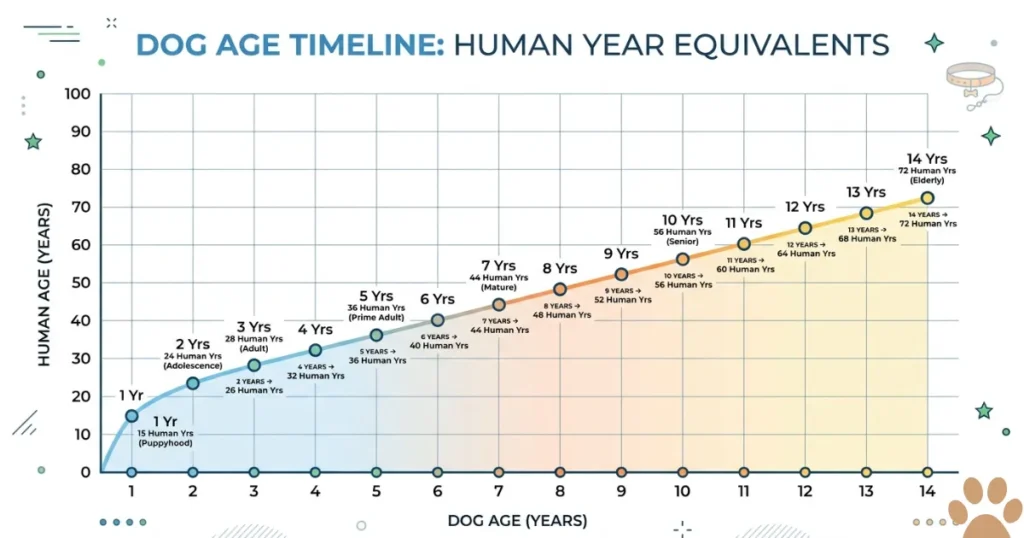
Veterinarians use a dog size adjusted model rather than a flat multiplier, and we have used this principle behind our calculator. In short, a dog’s first year of life is roughly equivalent to 15 human years, as puppies quickly reach a developmental stage (mid-teens) comparable to human puberty.
In the second year, another 9 years are added, totaling approximately 24 human years. After that, each subsequent year of a dog’s life is equivalent to 4-5 human years, with the exact value depending on size: smaller dogs have lower values, while large and very giant breeds have higher values.
Thus, simple calculators that don’t consider the dog’s size provide only an approximate result. So, how many human years are equivalent to one dog year? There’s no single answer to this question. In a dog’s first year of life, one canine year is approximately equivalent to 15 human years, while in the Middle Ages this value was only four or five. This change in life expectancy makes the common rule of “multiplying by 7” inaccurate.
Why the “Multiply By 7” Rule is Wrong
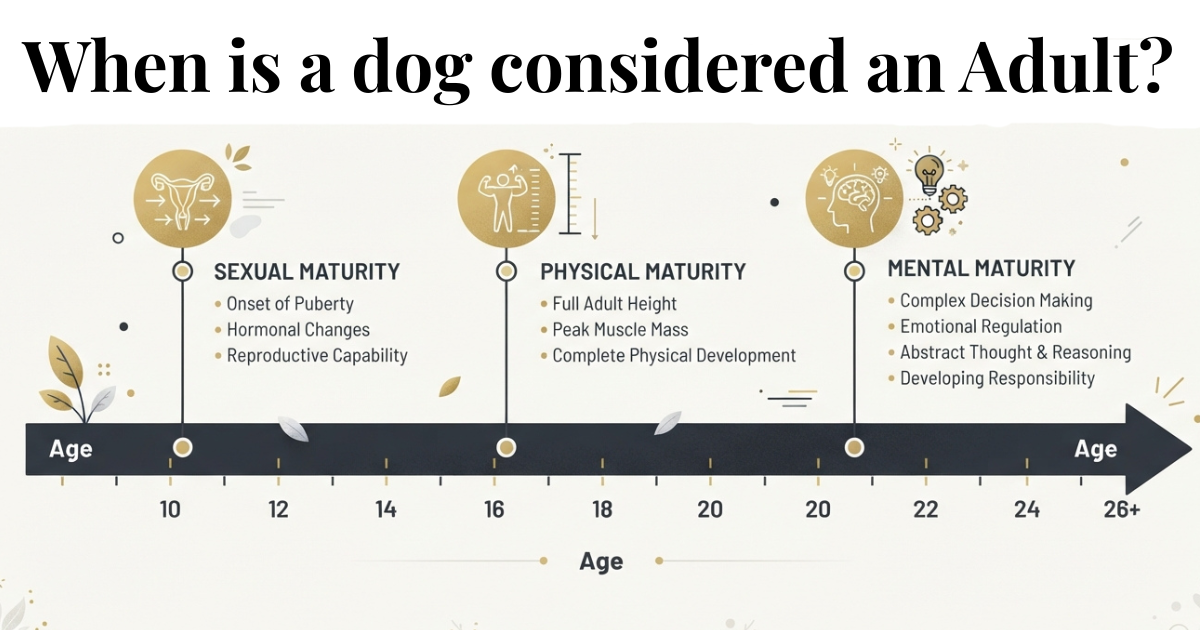
The “rule of seven years” likely dates back many decades, when the average life expectancy of a human was divided by the average life expectancy of a dog. It’s easy to remember but inaccurate for almost all age ranges. It significantly underestimates the first two years of a dog’s life: a one-year-old dog is already physically and sexually mature, which is very different from a seven-year-old child.
At the same time, it overestimates the dog’s age in adulthood, especially for small breeds that remain active in their teens and old age. Modern veterinary age charts (like the one integrated into the calculator above) are based on the actual developmental stages of dogs and are far more useful and accurate for making decisions about your pet’s care.
The Science Behind the Numbers
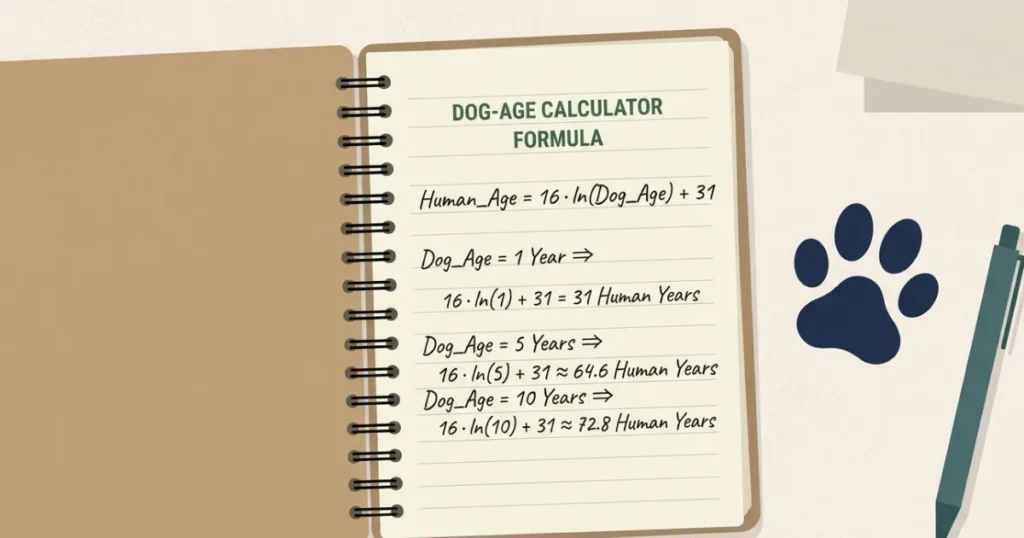
Modern estimates are based on the actual developmental process of dogs, not on simple arithmetic calculations. A reputable, most-cited 2019 study used DNA methylation analysis, the chemical “epigenetic” marks that accumulate with age, to compare dog aging to human aging.
The results confirmed the data from the charts: dogs’ age very quickly when young and then much more slowly (the process is curvilinear, not linear). Another important factor is body size. Small dog breeds tend to live longer than large and giant breeds; therefore, reliable dog age calculators always take the animal’s size into account.
Dog Age Chart: Dog Years to Human Years by Size
The dog age chart below shows dog age in human years for three size groups. This is the same dog years to human years chart built into the calculator, and it is why “small,” “medium,” and “large” give different results. All sizes track together through about age five, and then large breeds begin to age faster. Use this dog age chart in human years as your at-a-glance reference.
The following chart shows the age of dogs in human years for three size groups. It uses the same data as the calculator above; therefore, the results vary for the “small,” “medium,” and “large” categories. Up to about five years of age, dogs of all sizes develop at a similar rate; after that, large breeds age faster. Use this chart as a practical reference.
| Dog’s age | Small (up to 20 lb) | Medium (21 to 50 lb) | Large (51 to 100 lb) |
| 1 year | 15 | 15 | 15 |
| 2 years | 24 | 24 | 24 |
| 3 years | 28 | 28 | 28 |
| 4 years | 32 | 32 | 32 |
| 5 years | 36 | 36 | 36 |
| 6 years | 40 | 42 | 45 |
| 7 years | 44 | 47 | 50 |
| 8 years | 48 | 51 | 55 |
| 9 years | 52 | 56 | 61 |
| 10 years | 56 | 60 | 66 |
| 11 years | 60 | 65 | 72 |
| 12 years | 64 | 69 | 77 |
| 13 years | 68 | 74 | 82 |
| 14 years | 72 | 78 | 88 |
| 15 years | 76 | 83 | 93 |
| 16 years | 80 | 87 | 99 |

Dog Age in Human Years: Both Directions
Many dog owners want to know their dog’s age in human years, but the reverse conversion is also possible.
Dog Years to Human Years
This is the most common method. Let’s say your dog is 4 years old; that’s approximately 32 human years. The calculator and table above will show this result immediately.
Human Years to Dog Years
Converting in the opposite direction, from human years to dog years, is a fun way to see where you would land on the dog age timeline. This also helps with questions like, “My dog is acting like a teenager; how old is he in dog years?” Set the calculator to “Human to Dog” mode and enter the age in human years to see the equivalent age in dog years.
How old is My Dog? A Year-By-Year Breakdown
Below, you will find data for the most common age calculations. The calculations show three dog size categories, allowing you to accurately determine your dog’s age in human years or, in reverse, find out “how old is my dog in dog years?” Note that the values remain the same for different sizes up to five years of age but vary thereafter.
How old is a 1-year-old dog in human years?
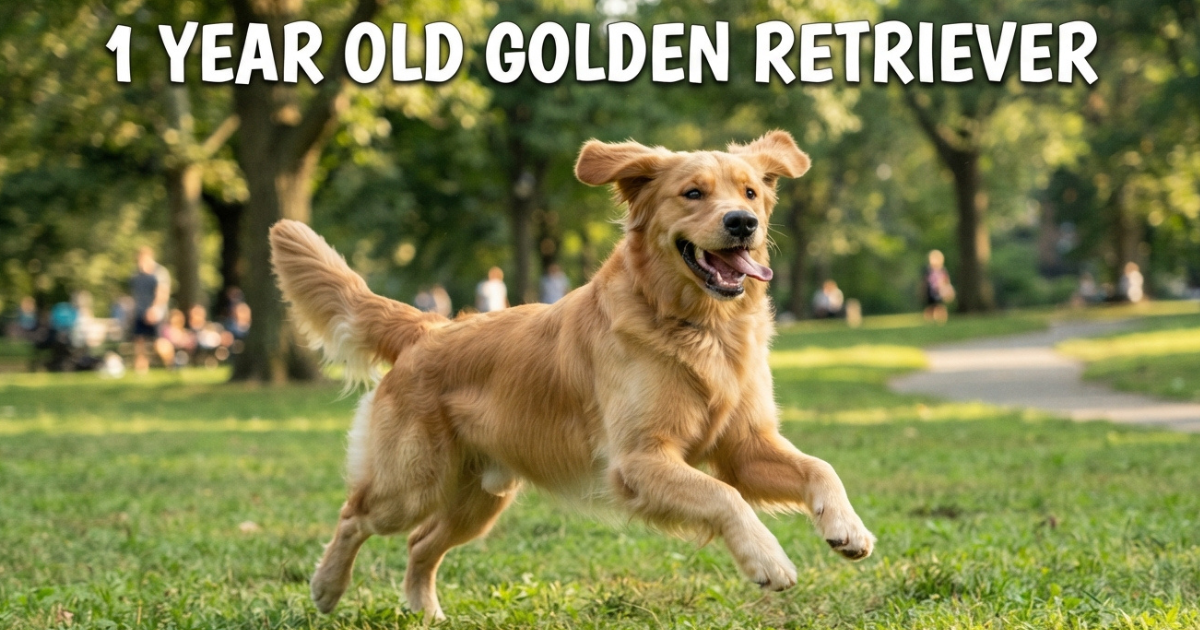
A one-year-old dog is approximately equivalent to 15 human years, roughly a human teenager. This value is approximately the same for dogs of all sizes. Although a dog already looks like an adult, its mental development is not yet complete. At this age, gentle exercise and movements that don’t overload the joints are beneficial for growth and health.
How old is a 2-year-old dog in human years?
A two-year-old dog is essentially a young adult (approximately 24 human years, regardless of size). At this age, the dog is newly mature, fully developed, and full of energy. The rapid maturation typical of the breeding phase is coming to an end. The aging process slows down, and the dog’s size becomes an important factor.
How old is a 3-year-old dog in human years?
The dog is approximately 28 years old, regardless of breed or size. A three-year-old dog is in the prime of its life. It is already calm and trained, and this is a good age to improve its fitness and teach good habits.
How old is a 4-year-old dog in human years?
Four dog years are approximately equivalent to 32 human years, for all breeds and sizes. Your dog is already an adult. This is the ideal time to ensure a healthy weight and good dental care. This will pay off later.
How old is a 9-year-old dog in human years?
Now size matters. The age of a nine-year-old dog in human years depends on its size: for a small dog, this equates to approximately 52 years, for a medium-sized dog to 56 years, and for a large dog to 61 years. Many large breeds are considered senior at this age; in these cases, blood tests and more frequent visits to the veterinarian are recommended.
How old is a 10-year-old dog in human years?
A ten-year-old dog equates to approximately 56 human years (for small breeds), 60 human years (for medium breeds), or 66 human years (for large breeds). For most medium and large breeds (including Golden Retrievers), a ten-year-old dog is already considered senior. At this stage of life, it is recommended to visit the veterinarian twice a year and closely observe the dog for signs of arthritis, lumps, and changes in appetite or energy levels.
How old is a 13-year-old dog in human years?
Thirteen canine years is approximately equivalent to 68 human years (for small breeds), 74 human years (for medium breeds), or 82 human years (for large breeds). For large breeds, the 13th year is a significant milestone. From this age onwards, it is especially important to ensure comfort, maintain mobility, and prioritize the dog’s quality of life.
How old is a 14-year-old dog in human years?
14 canine years is approximately equivalent to 72 human years (for small breeds), 78 human years (for medium breeds), or 88 human years (for large breeds). At this age, dogs are considered senior or even geriatric (aged). Moderate exercise, a soft bed, and regular veterinary checkups contribute significantly to their well-being.
Dog Life Stages: When is a Dog Senior?
A dog’s life stage depends not only on its age but also on its size. A general classification is as follows:
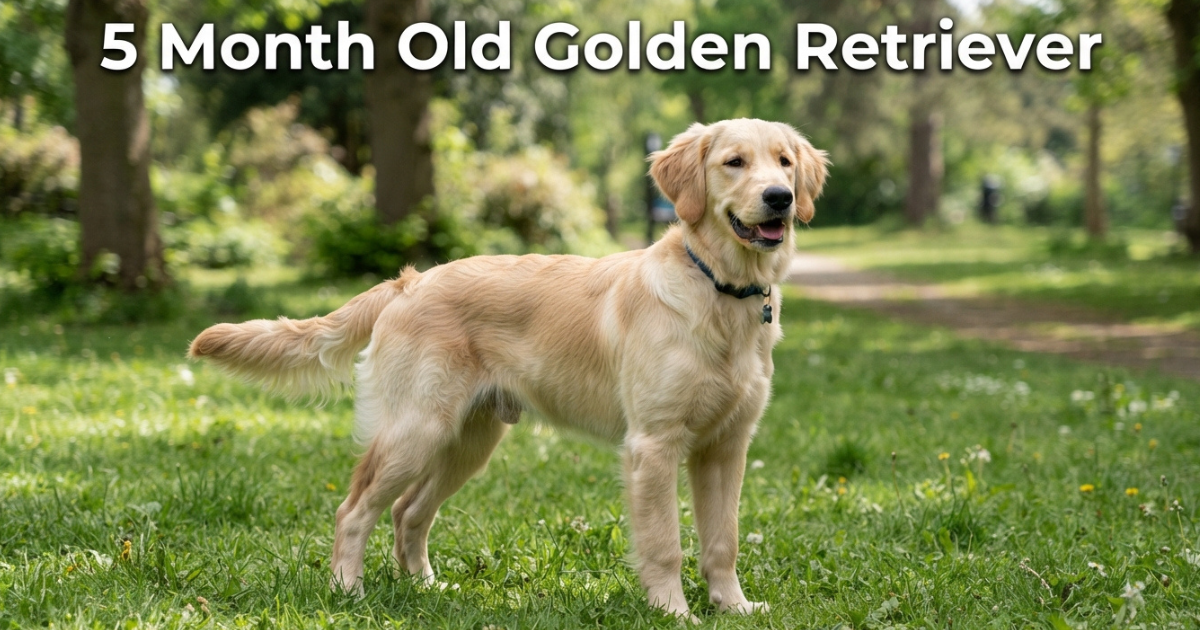
- Puppy Age: From birth to 6 months of age.
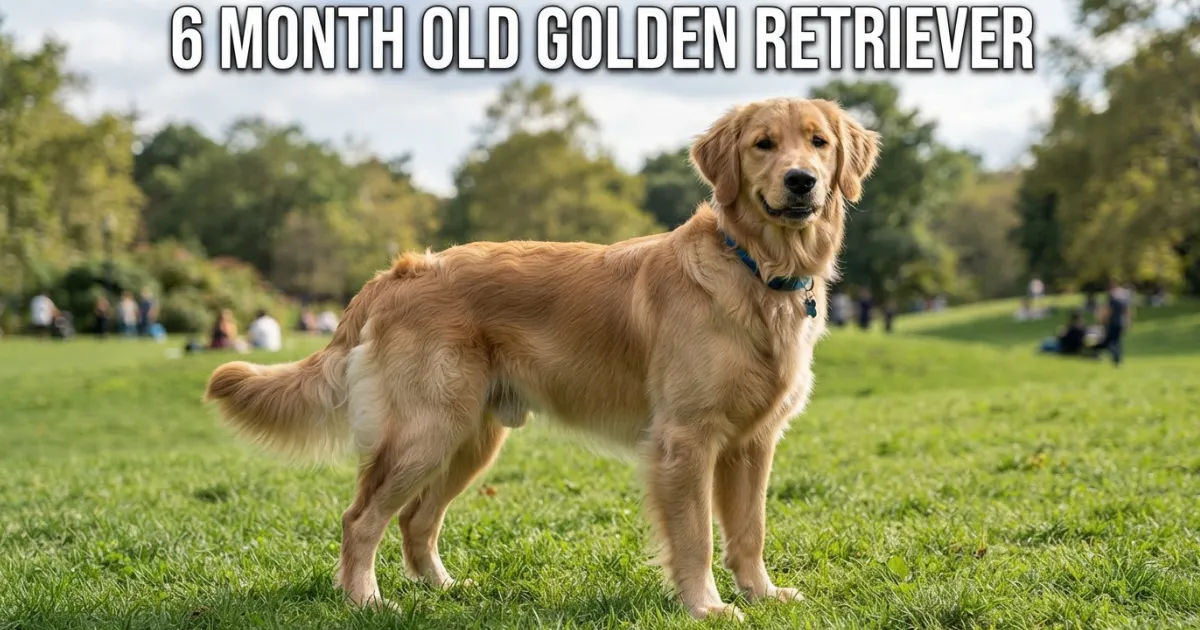
- Adolescent (Young Dog): From 6 months of age to 1-2 years of age.
- Adult: From 2 years of age to approximately 5-7 years (depending on size).
- Mature: The period before senior age, approximately 5 to 8 years for large dogs (this stage is gradually delayed for small breeds).
- Senior: Approximately 6-8 years for large and giant breeds, 8-9 years for medium-sized dogs, and 10-11 years for small breeds.
- Geriatric: The final stage of life, where comfort and focused care matter most.
As large dog breeds like Golden Retrievers reach this age sooner, veterinarians often recommend regular check-ups for senior dogs starting at seven years old, including blood tests, weight, and joint assessments. Early detection of changes is the best way to ensure your senior dog’s well-being and increasing lifespan.
Helping Your Dog Age Well at Every Stage
Knowing your dog’s age in human years is most useful to ensure proper care. A few vet-backed habits make the biggest difference to how long and how comfortably your dog lives.
- Keep them lean. Maintain a healthy weight. Obesity is the most common health problem in dogs and accelerates the development of joint and internal organ diseases. A dog with a healthy weight generally lives longer.
- Prioritize dental care. Dental disease is usually widespread by middle age in dogs, which leads to heart and kidney problems. Regular dental cleanings (ideally brushing at home or by a professional dental hygienist every 3-6 months) are essential for their health.
- Match exercise to life stage. An adult dog needs regular activities and exercise, while a senior dog doesn’t need more frequent exercise either. Follow vet-recommended exercise or joint-friendly movement rather than high-impact bursts.
- Start preventative checkups early. For large breeds, it’s recommended to begin blood tests and veterinary checkups every six months, starting at seven years of age. This allows for the early detection of arthritis, tumors, or changes in organ functions, at a stage where they can be treated more effectively.
- Adjust the home for seniors. A comfortable bed, a non-slip mat or rugs, and easy access to food and water will ensure your senior dog feels comfortable and stays active.
From Dr. Nabeel’s practice
Over the years, I have repeatedly seen in my clinic how a simple misunderstanding about a dog’s age can lead to problems. Owners often say, “My dog is only seven years old and still young,” when in fact, a large breed is already old enough for a health checkup. I saw a nine-year-old Golden Retriever with mild lameness (limp); during the same visit, we did a routine blood test of the dog and discovered the first signs of kidney dysfunction.
This early detection allowed us to control the disease and give him a few more years of comfortable life. For this reason, I am convinced that a dog’s age is more than just a number. Knowing your dog’s life stage helps you decide when to adjust their diet, when to start joint support, and when to begin routine checkups every six months. In this way, we can ensure early detection and treatment.
How old is my dog in human years?
To find dog age in human years, enter your puppy’s age and size into the calculator above. For reference: a one-year-old dog is approximately 15 human years, a five-year-old dog is about 36 years, and a ten-year-old dog is about 56 to 66 human years (depending on size).
How do I calculate dog years to human years?
Remember that a dog’s first year of life is approximately 15 human years, and the second year is another 9 (totaling 24). Each year of a dog’s life is approximately 4 to 5 human years: more for large breeds and less for small breeds. Our calculator determines this automatically, taking into account the dog’s size.
How many dog years is one human year?
That depends on age. A dog’s first year of life is approximately 15 human years, while a year later is only 4 to 5 human years. There isn’t a single factor, so the common rule of thumb of “multiplying by 7” is inaccurate.
Is 1 human year really 7 dog years?
No, that’s a myth. A dog’s first year of life is roughly equivalent to 15 human years, and the aging process slows down as they get older.
What is 6 in dog years?
A 6-year-old dog is equivalent to approximately 40 (small breeds), 42 (medium breeds), or 45 (large breeds) human years. At this early middle age, it’s advisable to pay attention to your dog’s weight and joint health.
What is 14 years in dog years?
A 14-year-old dog is equivalent to approximately 72 (small breeds) to 88 (large breeds) human years. At this age, a dog is considered elderly and requires special care and regular veterinary checkups.
How old is a 17-year-old dog in human years?
A 17-year-old dog is approximately 84 years old (small breeds) or over 100 years old (large breeds) in human years. This is a special phase of life that requires constant veterinary care to ensure the dog’s well-being and quality of life.
Do big and small dogs age at the same rate?
Yes! Up to five years of age. After that, large dogs age faster, and their life expectancy is shorter. Therefore, size should be added when calculating a dog’s age.
At what age is a dog considered a senior?
This depends on the size. Large and giant breeds generally reach old age between 6 and 8 years, medium breeds between 8 and 9 years, and small breeds between 10 and 11 years. Golden Retrievers, which are among the large breeds, are generally considered seniors between 7 and 8 years old.
What’s the human age of the oldest dogs?
A dog that reaches 16 years of age is approximately 80 (for small breeds) to 99 (for large breeds) human years. This is an important milestone that you should celebrate with your veterinarian.
Why does the calculator factor in my dog’s size?
Because size is the most important factor in how a dog ages after reaching sexual maturity. Small dogs remain “young” longer, while large and very large breeds age faster. Therefore, a calculation that considers size is much more accurate than any universal formula.
Are these dog age conversions accurate?
They are based on established veterinary data, size-based age charts, and are reviewed by experts for accuracy. Like any model, this is just an estimate, not an absolute number, as your dog’s actual biological age also depends on genetics, lifestyle, and health. For any health-related queries you can see our health guides, and must consult your veterinarian.
Conclusion: Use Your Dog’s Age as a Care Roadmap
Converting a dog’s age to a “human age” isn’t about finding a “magic” number. It helps you understand your dog’s life stage and provide the best care. Puppies develop rapidly in their first two years, adult dogs reach their peak, and senior dogs require more attention and more frequent vet visits.
Use the calculator and chart on this page as a guide. Review them regularly as your dog ages, especially large breeds like Golden Retrievers, as they pass age seven.
Most importantly, these calculations are only a guide and not a medical diagnosis. Every dog is unique. If you notice changes in your dog’s weight, appetite, energy levels, activity level, or behavior, contact your veterinarian regardless of age. Paying attention to these changes early is one of the best ways to ensure your dog’s health and well-being.