When Golden Retriever owners walk into my clinic with dogs scratching constantly, developing hot spots, or losing patches of their beautiful coat, my first question always involves diet. After years of experience treating Golden Retrievers with skin allergies, I’ve witnessed remarkable transformations when owners switch to properly formulated homemade dog food for skin allergies. Food allergies represent one of the most common causes of dermatological issues in Golden Retrievers, and commercial diets often contain multiple potential allergens that make identifying the culprit nearly impossible.
Creating homemade dog food for dogs with skin allergies gives you complete control over ingredients, eliminates hidden allergens, and provides the foundation for an effective elimination diet. In this comprehensive guide, I’ll share proven strategies, tested recipes, and clinical insights that have helped countless Golden Retrievers finally find relief from chronic itching, inflammation, and skin discomfort through targeted nutritional intervention.
Understanding Skin Allergies in Golden Retrievers
Golden Retrievers are genetically predisposed to allergic skin conditions, making them one of the breeds I treat most frequently for dermatological issues. Understanding the connection between diet and skin health forms the foundation for successful management.

Types of Allergies Affecting Golden Retrievers
Food allergies (adverse food reactions):
Immune-mediated responses to specific proteins or ingredients causing skin inflammation, itching, and gastrointestinal symptoms
Environmental allergies (atopic dermatitis):
Reactions to pollen, dust mites, and mold spores create similar skin symptoms but require different management
Contact allergies:
Direct skin reactions to substances like grass, chemicals, or cleaning products
Flea allergy dermatitis:
Severe reactions to flea saliva affecting allergic dogs disproportionately
In my clinic, I’ve treated many Golden Retrievers who presented with environmental allergies but discovered underlying food sensitivities contributing significantly to their symptoms. Addressing diet with homemade dog food for allergies often reduces overall allergic burden, even when food isn’t the primary trigger.
Common Food Allergens in Golden Retrievers
Through years of conducting elimination diets and monitoring responses, I’ve identified the most frequent culprits:
- Beef: Most common food allergen in dogs
- Dairy products: Milk proteins trigger reactions in sensitive individuals
- Chicken: Despite being popular, many Golden Retrievers develop sensitivities
- Wheat: Gluten and wheat proteins cause issues in predisposed dogs
- Soy: Common filler in commercial foods, frequently problematic
- Corn: Another prevalent commercial food ingredient causing reactions
- Eggs: Some Golden Retrievers react to egg proteins
Vet’s Tip: True food allergies develop over time through repeated exposure. A protein your Golden ate safely for years can suddenly trigger allergic reactions as the immune system becomes sensitized.
Recognizing Skin Allergy Symptoms
Golden Retrievers with food-related skin allergies typically display:
Primary symptoms:
- Persistent scratching, especially face, ears, paws, and groin
- Red, inflamed skin (erythema).
- Hot spots (acute moist dermatitis).
- Chronic ear infections.
- Hair loss and thinning coat.
- Skin thickening (lichenification) from chronic inflammation.
Secondary symptoms:
- Gastrointestinal upset (diarrhea, vomiting, gas).
- Paw licking and chewing.
- Face rubbing against furniture or carpet.
- Skin odor from secondary bacterial or yeast infections.
- Behavioral changes due to discomfort.
Unlike environmental allergies that often show seasonal patterns, food allergies cause year-round symptoms. This distinction helps identify dietary triggers versus environmental factors.
The Science behind Homemade Dog Food for Dogs with Skin Allergies.
Creating effective homemade dog food for skin allergies requires understanding immunological responses and nutritional strategies that reduce inflammation and support skin barrier function.
How Food Allergies Develop.
Food allergies represent type I hypersensitivity reactions where the immune system mistakenly identifies harmless food proteins as threats. This triggers:
- Sensitization phase: Initial exposure causes antibody production (IgE).
- Re-exposure: Subsequent contact activates mast cells.
- Inflammatory cascade: Release of histamine and cytokines.
- Clinical symptoms: Skin inflammation, itching, and discomfort.
The gastrointestinal tract contains 70% of the immune system. Compromised gut integrity (leaky gut) allows undigested proteins to enter circulation, potentially increasing allergic responses. Homemade dog food for allergies supports gut health through fresh, minimally processed ingredients.
Benefits of Homemade Diets for Allergic Golden Retrievers.
- Complete ingredient control: Eliminate all potential allergens and hidden ingredients.
- Novel protein introduction: Use proteins that your Golden has never consumed.
- Reduced processing: Minimize protein alteration that can increase allergenicity.
- Enhanced digestibility: Fresh ingredients support gut barrier function.
- Anti-inflammatory nutrients: Incorporate omega-3 fatty acids and antioxidants.
- Elimination diet foundation: Create controlled trials identifying specific triggers.
In my clinic, I’ve treated many Golden Retrievers who showed no improvement on hypoallergenic commercial diets but experienced dramatic relief within 4-6 weeks of properly formulated homemade dog food for skin allergies.
Implementing an Elimination Diet Protocol.
The elimination diet remains the gold standard for diagnosing food allergies. This systematic approach identifies specific triggers through controlled ingredient introduction.
Phase 1: The Elimination Period (8-12 Weeks).
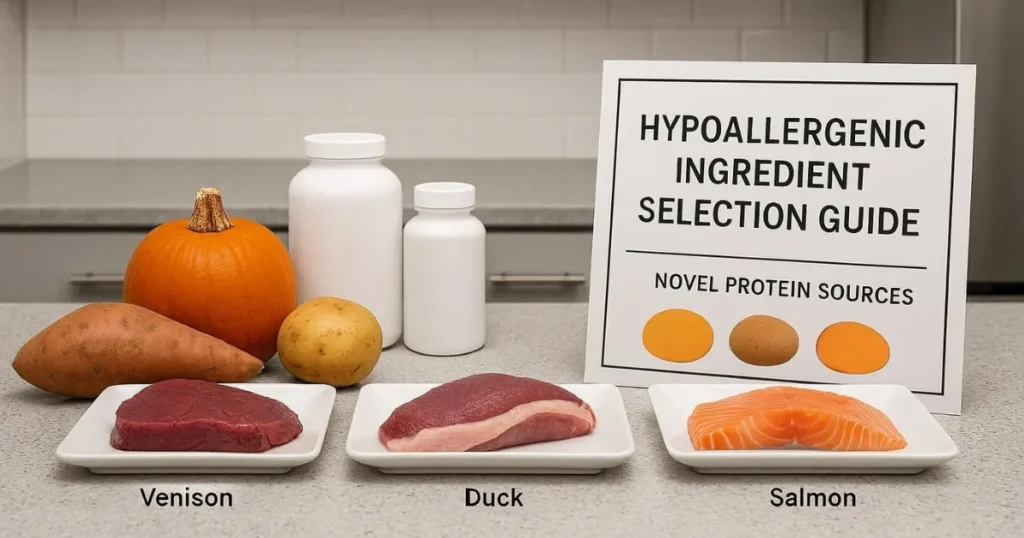
Select a single novel protein (one your Golden has never eaten) and a single carbohydrate source:
Novel protein options:
- Venison.
- Duck.
- Rabbit.
- Kangaroo.
- Fish (salmon, whitefish).
- Turkey (if it has never been previously fed).
Carbohydrate options:
- Sweet potato.
- White potato.
- Tapioca.
- Pumpkin.
During this phase, your Golden Retriever eats ONLY the selected protein and carbohydrate – absolutely no treats, flavored medications, table scraps, or other foods. This strict protocol allows the immune system to reset.
Phase 2: Monitoring and Assessment.
Track symptoms weekly using a standardized scoring system:
| Symptom | Week 1 | Week 4 | Week 8 | Week 12 |
| Scratching frequency | ||||
| Skin redness | ||||
| Ear infections | ||||
| Hot spots | ||||
| Paw licking | ||||
| GI symptoms |
Most Golden Retrievers with food allergies show significant improvement within 4-8 weeks if the diet excludes their specific allergens.
Phase 3: Challenge Testing.
Once symptoms resolve, systematically introduce potential allergens one at a time:
- Add a single ingredient to the base diet.
- Monitor for 7-14 days.
- If symptoms return, identify the allergen and eliminate it permanently.
- If no reaction occurs, incorporate the ingredient and test the next item.
This methodical approach creates a comprehensive list of safe and problematic foods, allowing long-term dietary customization.
Proven Homemade Dog Food Recipes for Skin Allergies.
These veterinary-formulated recipes provide complete nutrition while eliminating common allergens. Each uses novel proteins suitable for elimination diets.
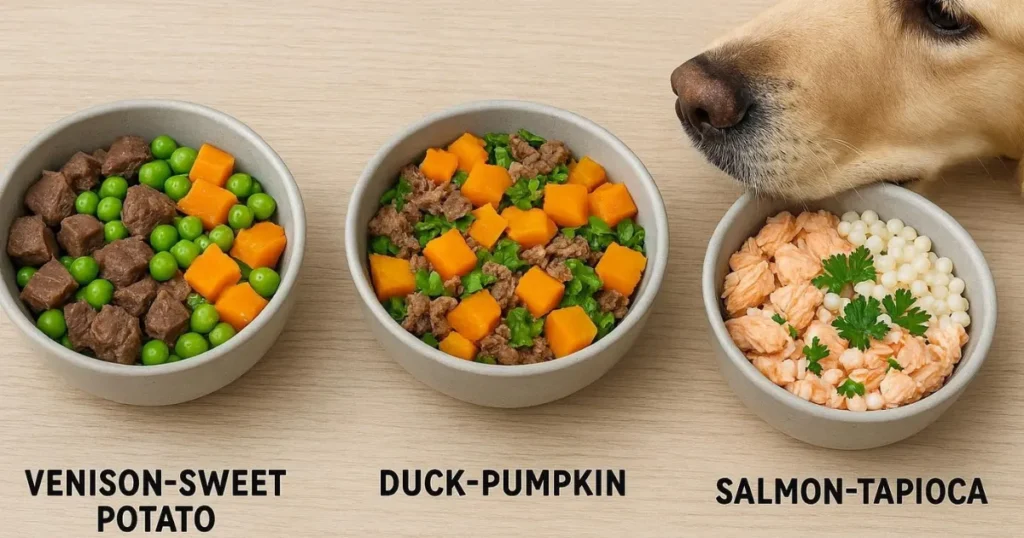
Hypoallergenic Venison and Sweet Potato Recipe.
Ingredients:
- 2 pounds ground venison.
- 2.5 cups cooked sweet potato, mashed.
- 1 cup cooked white rice (optional carbohydrate addition).
- 2 tablespoons fish oil (omega-3 source).
- 1 teaspoon calcium carbonate powder.
- Veterinary-formulated multivitamin (allergen-free).
Preparation:
Cook venison thoroughly to 160 °F internal temperature, combine with mashed sweet potato, add supplements, mix well, portion into meal-sized containers, and refrigerate or freeze.
Yield:
Approximately 8-9 cups (3-4 days for a 70-pound Golden Retriever).
Key benefits:
Venison provides novel protein rarely causing reactions, sweet potato offers easily digestible carbohydrates with anti-inflammatory beta-carotene, and fish oil delivers omega-3 fatty acids, reducing skin inflammation.
Duck and Pumpkin Formula.
Ingredients:
- 2 pounds ground duck or duck breast.
- 2 cups cooked pumpkin (not pie filling).
- 1.5 cups cooked white potato.
- 2 tablespoons salmon oil.
- 1 teaspoon bone meal powder.
- Hypoallergenic multivitamin supplement.
Preparation method:
Similar to the venison recipe, ensure thorough cooking and complete ingredient mixing.
This recipe works exceptionally well for Golden Retrievers with chicken sensitivities, as duck provides different protein structures less likely to cross-react.
Salmon and Tapioca Recipe.
Ingredients:
- 1.5 pounds fresh salmon (deboned).
- 2 cups cooked tapioca pearls.
- 1 cup cooked butternut squash.
- 1 tablespoon coconut oil.
- 2 tablespoons additional fish oil.
- 1 teaspoon calcium supplement.
- Multivitamin (fish-based acceptable).
Special considerations:
Some Golden Retrievers react to fish, so reserve this recipe for dogs without seafood sensitivities. Salmon provides exceptional omega-3 content, directly addressing skin inflammation at the cellular level.
Turkey and White Potato Formula (If Never Previously Fed).
Ingredients:
- 2 pounds ground turkey (93% lean).
- 2.5 cups cooked white potato.
- 1 cup cooked green beans (introduce carefully).
- 2 tablespoons flaxseed oil.
- 1 teaspoon calcium carbonate.
- Veterinary multivitamin.
Use turkey only if your Golden has never consumed it previously. Many commercial foods contain turkey, making it unsuitable for elimination diets in dogs with extensive commercial food exposure.
Essential Supplements for Allergy-Fighting Homemade Dog Food.
Beyond basic nutrition, specific supplements support skin health and reduce allergic responses in Golden Retrievers with food sensitivities.
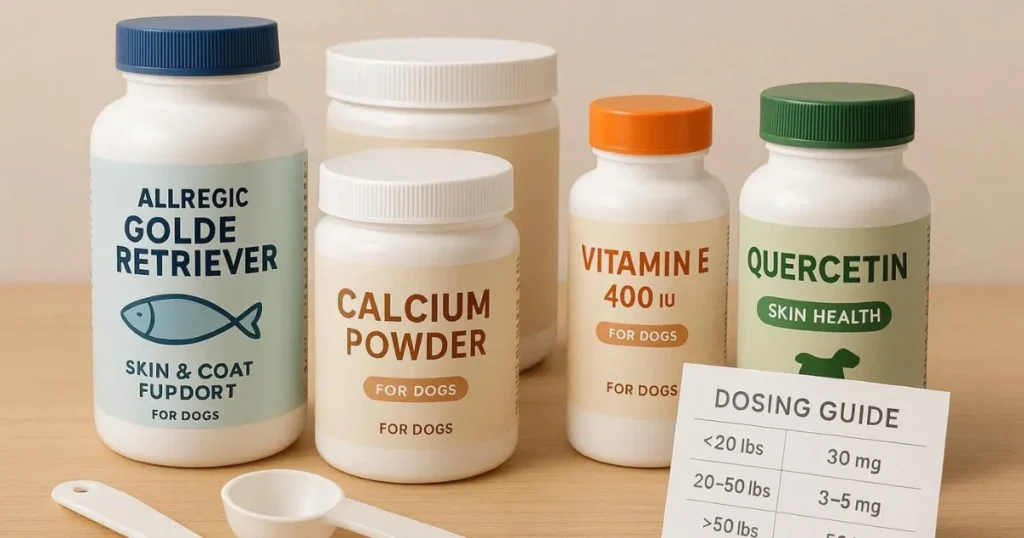
Omega-3 Fatty Acids.
EPA and DHA:
These long-chain omega-3s from fish oil directly reduce inflammatory mediators (prostaglandins, leukotrienes) responsible for itching and skin damage.
Dosing:
1,000 mg combined EPA/DHA per 30 pounds body weight daily.
Sources:
- Wild-caught fish oil (salmon, sardine, anchovy).
- Krill oil (more bioavailable but expensive).
- Algae-based omega-3 (for fish-allergic dogs).
In my clinic, I’ve treated many Golden Retrievers whose skin conditions improved dramatically with adequate omega-3 supplementation – often within 4-6 weeks of consistent dosing.
Probiotics for Gut Health.
The gut-skin axis plays a crucial role in allergic responses. Beneficial bacteria support intestinal barrier function, reducing antigen absorption:
Recommended strains:
- Lactobacillus acidophilus.
- Bifidobacterium animalis.
- Enterococcus faecium.
Dosing: 1-5 billion CFU daily, depending on product concentration.
Antioxidants and Anti-Inflammatory Compounds.
Vitamin E:
100-400 IU daily supports skin barrier function and reduces oxidative stress.
Quercetin:
Natural antihistamine (10-20 mg per pound body weight daily).
Turmeric (curcumin):
Anti-inflammatory properties (1/4 teaspoon per 20 pounds body weight).
Vitamin C:
Supports collagen production and reduces histamine (100-500 mg daily).
Essential Minerals.
Zinc:
Critical for skin integrity and immune function (deficiency common in allergic dogs).
Selenium:
Antioxidant mineral supporting immune regulation.
Ensure your veterinary multivitamin provides adequate amounts, or add specific supplementation under professional guidance.
Ingredient Selection Guidelines for Homemade Dog Food for Allergies.
Choosing appropriate ingredients requires understanding protein structures, cross-reactivity patterns, and individual sensitivities.
Novel Protein Selection Criteria.
True novel proteins:
Your Golden has NEVER consumed them in any form (treats, foods, supplements).
Low cross-reactivity:
Proteins with different amino acid sequences from common allergens.
Availability:
Sustainable sourcing for long-term feeding.
Palatability:
Golden Retrievers generally accept most proteins readily.
Proteins to Avoid Initially.
During elimination diets, strictly avoid:
- Beef and beef byproducts.
- Chicken and poultry byproducts.
- Dairy (milk, cheese, yogurt).
- Pork.
- Lamb (increasingly common in commercial foods).
- Eggs (unless testing specifically).
Carbohydrate Considerations.
Grain-free diets gained popularity for allergic dogs, but grains cause allergies less frequently than proteins. Appropriate carbohydrates include:
Safe options:
- Sweet potato (rarely allergenic).
- White potato (nightshade family).
- Tapioca (cassava-derived).
- Pumpkin (easily digestible).
Potentially problematic:
- Wheat and wheat gluten.
- Corn and corn derivatives.
- Soy products.
- Rice (generally safe but some sensitivity exists).
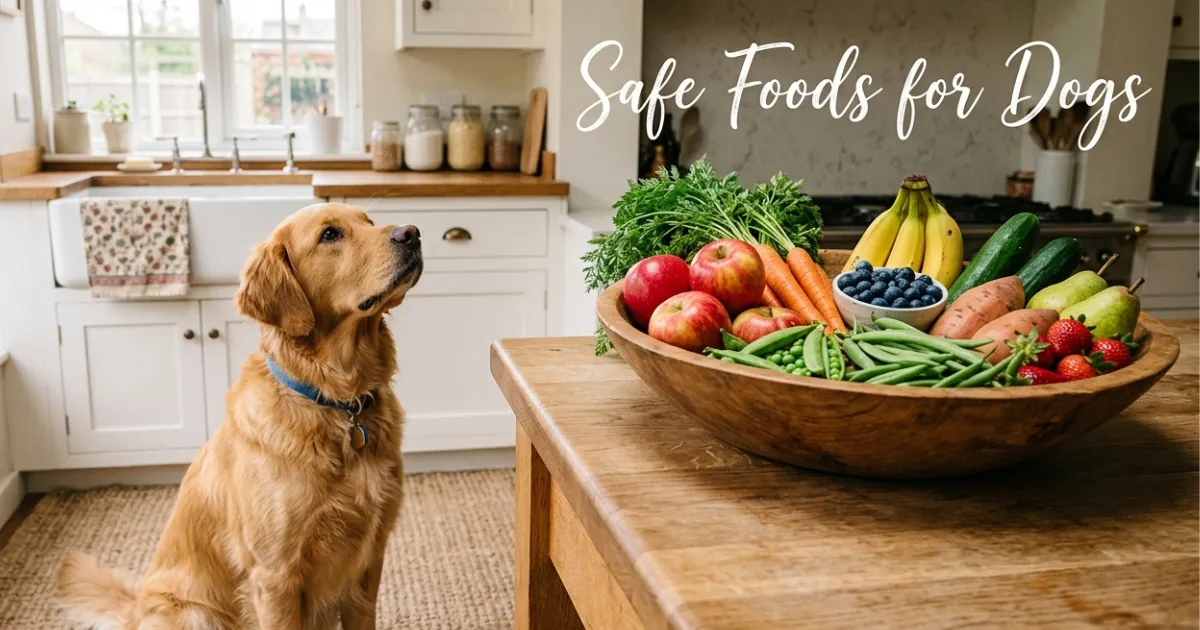
Vegetable and Fruit Selection.
Introduce vegetables cautiously during elimination phases:
Generally safe:
- Carrots (well-cooked).
- Green beans.
- Zucchini.
- Butternut squash.
Introduce carefully:
- Peas (legume family).
- Spinach (oxalates).
- Broccoli (goitrogens in large amounts).
Avoid completely:
- Onions and garlic (toxic).
- Grapes and raisins (toxic).
- Tomatoes (nightshade, acidic).
Nutritional Completeness in Hypoallergenic Diets.
Limited-ingredient elimination diets risk nutritional deficiencies if maintained long-term without proper supplementation. Ensuring completeness remains critical for Golden Retriever health.
Meeting AAFCO Standards.
Adult maintenance diets require:
- Protein: minimum 18% (dry matter basis).
- Fat: minimum 5.5%.
- Calcium: 0.6-2.5%.
- Phosphorus: 0.5-1.6%.
- Calcium: phosphorus ratio: 1:1 to 2:1.
Homemade dog food for dogs with skin allergies must meet these standards, even with limited ingredients.
Supplement Requirements.
Calcium:
1,000-1,800 mg per pound of food (calcium carbonate or citrate).
Multivitamin:
Veterinary-formulated product providing:
- B-complex vitamins.
- Vitamins A, D, E, and K.
- Essential minerals (zinc, iron, copper, manganese, selenium).
- Appropriate for elimination diet restrictions.
Essential fatty acids:
If not using fish oil due to allergies, provide alternative omega-3 sources.
Professional Formulation Services.
Consider consultation with:
- Board-certified veterinary nutritionists (DACVN).
- Balance IT formulation service (balanceit.com).
- Custom recipe development for your Golden’s specific needs.
Professional guidance ensures nutritional adequacy while maintaining allergen restrictions during extended elimination trials.
Transitioning to Homemade Dog Food for Skin Allergies.
Proper transition prevents gastrointestinal upset and allows accurate symptom monitoring during the elimination phase.
Standard Transition Protocol.
- Days 1-3: 75% current food + 25% homemade dog food for allergies.
- Days 4-6: 50% current food + 50% homemade.
- Days 7-9: 25% current food + 75% homemade.
- Day 10+: 100% homemade elimination diet.
Modified Protocol for Allergic Dogs.
Some Golden Retrievers with severe allergies benefit from faster transition:
- Days 1-2: 50% current food + 50% hypoallergenic homemade.
- Days 3-4: 100% hypoallergenic homemade diet.
Faster transition risks temporary digestive upset but allows quicker allergen elimination. Discuss the approach with your veterinarian based on symptom severity.
Monitoring During Transition.
Track both skin and gastrointestinal symptoms:
- Skin improvements indicate: Dietary allergens are being eliminated.
- Skin worsening suggests: New recipe contains allergen, or detoxification response (temporary, 7-10 days).
- GI symptoms indicate: Transition too rapid, ingredient intolerance, or unrelated issue.
Most Golden Retrievers tolerate transition well, especially when motivated by relief from chronic itching.
Managing Secondary Skin Infections.
Golden Retrievers with chronic skin allergies frequently develop secondary bacterial or yeast infections requiring concurrent treatment alongside dietary management.
Bacterial Infections (Pyoderma).
Damaged skin barriers allow bacterial overgrowth, particularly Staphylococcus pseudintermedius:
Treatment options:
- Topical chlorhexidine shampoos (2-3 times weekly).
- Oral antibiotics (cephalexin, amoxicillin-clavulanate).
- Treatment duration: 3-6 weeks, depending on severity.
Yeast Infections (Malassezia).
Yeast thrives in warm, moist areas (ears, skin folds, paws):
Management strategies:
- Antifungal shampoos (ketoconazole, miconazole).
- Ear cleaning with appropriate solutions.
- Oral antifungals for severe cases.
- Dietary modifications reducing sugar/carbohydrates.
Homemade dog food for skin allergies addresses root causes, but secondary infections require direct treatment for complete resolution.
Preventing Recurrence.
Once skin heals through dietary intervention:
- Maintain a consistent elimination diet.
- Continue omega-3 supplementation.
- Regular bathing with hypoallergenic shampoos.
- Monitor for early infection signs.
- Address environmental allergens concurrently.
Cost Considerations for Hypoallergenic Homemade Diets.
Novel protein sources typically cost more than conventional ingredients, but comparing total healthcare costs provides perspective.
Monthly Food Cost Analysis (70-Pound Golden Retriever).
Venison-based homemade diet:
- Venison: $80-120.
- Sweet potato/carbohydrates: $15-20.
- Supplements: $25-35.
- Total: $120-175/ month.
Duck-based homemade diet:
- Duck: $70-100.
- Pumpkin/carbohydrates: $12-18.
- Supplements: $25-35.
- Total: $107-153/ month.
Prescription hypoallergenic commercial diet:
- $ 110-180/ month.
Total healthcare comparison:
| Approach | Monthly Food | Vet Visits | Medications | Total |
| Homemade elimination diet | $120-175 | $50-100 (monitoring) | $0-30 (initial) | $170-305 |
| Commercial hypoallergenic | $110-180 | $100-200 (ongoing symptoms) | $50-150 | $260-530 |
| Standard diet (no management) | $60-90 | $200-400 (frequent visits) | $100-300 | $360-790 |
Effective homemade dog food for allergies often reduces long-term healthcare costs despite higher ingredient expenses.
Long-Term Maintenance and Dietary Expansion.
After successful elimination trials, identify safe ingredients and gradually expand dietary variety while maintaining allergen avoidance.

Building a Safe Ingredient Database.
Document all tested ingredients:
- Safe proteins: Continue using in rotation.
- Safe carbohydrates: Vary to provide nutritional diversity.
- Safe vegetables: Add gradually for micronutrients.
- Confirmed allergens: Permanently eliminate.
Rotation Diet Strategy.
Once you’ve identified 2-3 safe proteins, implement rotation:
- Week 1-2: Venison-based recipe.
- Week 3-4: Duck-based recipe.
- Week 5-6: Salmon-based recipe (if tolerated).
Rotation prevents the development of new sensitivities through constant exposure while providing nutritional variety.
Periodic Re-evaluation.
Schedule veterinary monitoring:
- Initial assessment: Pre-elimination diet baseline.
- 4-week check: Early response evaluation.
- 8-week evaluation: Full elimination trial completion.
- 6-month monitoring: Long-term skin health assessment.
- Annual comprehensive exam: Overall health and nutritional status.
Regular monitoring ensures continued success and catches emerging issues early.
Complementary Strategies for Managing Golden Retriever Allergies.
While homemade dog food for dogs with skin allergies addresses dietary triggers, comprehensive management often requires additional interventions.
Environmental Allergen Management.
- HEPA air filters reduce indoor allergens.
- Regular bedding washing (hot water, hypoallergenic detergent).
- Paw wiping after outdoor exposure.
- Bathing protocols removing surface allergens.
- Avoiding high-pollen outdoor activities during peak seasons.
Topical Skin Support.
- Moisturizing sprays: Support damaged skin barriers.
- Medicated shampoos: Reduce inflammation and microbial load.
- Spot treatments: Address localized hot spots.
- Protective clothing: Prevent scratching and environmental contact.
Medication Options.
When diet alone provides incomplete relief:
- Apoquel (oclacitinib): Fast-acting itch relief.
- Cytopoint (lokivetmab): Monthly injectable reducing itch.
- Atopica (cyclosporine): Immune modulation for severe cases.
- Antihistamines: Mild cases or adjunct therapy.
Discuss medication options with your veterinarian, emphasizing dietary foundation remains the primary treatment for food-related allergies.
What is homemade dog food for skin allergies, and how does it help Golden Retrievers?
Homemade dog food for skin allergies uses limited, novel ingredients, eliminating common allergens like beef, chicken, dairy, and wheat. By controlling every ingredient, you remove dietary triggers causing immune responses, inflammation, and itching. Most Golden Retrievers show significant improvement within 4-8 weeks on proper elimination diets.
How long until homemade dog food for dogs with skin allergies shows results?
Most Golden Retrievers demonstrate noticeable improvement within 4-6 weeks, with complete resolution taking 8-12 weeks. Food allergy symptoms don’t disappear immediately because existing inflammation must resolve. Patience during elimination trials is essential – premature ingredient additions compromise diagnostic accuracy and prolong suffering.
What are the best novel proteins for homemade dog food for allergies?
Venison, duck, rabbit, kangaroo, and fish (salmon, whitefish) work best as novel proteins. Choose proteins that your Golden has never consumed in any food, treat, or supplement. Novel protein selection is critical – using previously eaten proteins defeats the elimination diet purposes and prevents accurate allergen identification.
Can I use chicken in homemade dog food for skin allergies?
No, avoid chicken during elimination diets. Chicken is one of the most common allergens in Golden Retrievers. Even if your dog previously tolerated chicken, sensitivities develop through repeated exposure. Reserve chicken testing until after completing full elimination trials with novel proteins and identifying all allergens.
Do I need supplements in homemade dog food for allergies?
Yes, absolutely essential. Limited-ingredient elimination diets lack complete nutrition without proper supplementation. Add calcium carbonate (1,000-1,800 mg/lb food), veterinary-formulated multivitamins, omega-3 fish oil, and vitamin E. Nutritional deficiencies cause serious health problems – supplementation is non-negotiable for long-term feeding.
How do I know if my Golden Retriever’s skin issues are food allergies?
Food allergies cause year-round symptoms, including persistent scratching, red, inflamed skin, ear infections, paw licking, and hot spots. Unlike seasonal environmental allergies, food-related issues remain constant. The only definitive diagnosis method is strict elimination diet trials lasting 8-12 weeks under veterinary supervision.
Can homemade dog food for skin allergies cure my Golden Retriever completely?
If food allergens cause your Golden’s skin issues, elimination provides complete resolution. However, many Golden Retrievers have multiple allergy types (food, environmental, flea). Addressing dietary triggers significantly reduces overall allergic burden even when other allergens remain, often eliminating the need for medications or reducing doses substantially.
What mistakes should I avoid with homemade dog food for dogs with skin allergies?
Critical mistakes include: using proteins your Golden previously ate, giving any treats or table scraps during elimination trials, insufficient supplementation causing nutritional deficiencies, premature ingredient additions before completing 8-12 week trials, and failing to treat secondary bacterial or yeast infections concurrently with dietary changes.
Conclusion.
After years of experience helping Golden Retriever families navigate the challenging journey of managing skin allergies, I can confidently say that properly formulated homemade dog food for skin allergies represents one of the most effective interventions available. While the process requires patience, strict adherence to elimination protocols, and careful monitoring, the results – watching a constantly scratching, uncomfortable Golden Retriever transform into a content, healthy dog with a beautiful coat – make every effort worthwhile.
Successfully implementing homemade dog food for dogs with skin allergies depends on several critical factors: selecting truly novel proteins your Golden has never consumed, maintaining strict ingredient control during elimination phases, ensuring nutritional completeness through appropriate supplementation, and systematically identifying specific allergens through challenge testing. Whether you choose venison, duck, salmon, or another novel protein as your foundation, consistency and completeness remain paramount throughout the treatment journey.
Remember that managing homemade dog food for allergies isn’t a solitary endeavor. Regular veterinary monitoring, potential consultation with veterinary nutritionists, concurrent treatment of secondary infections, and addressing environmental factors alongside dietary intervention provide comprehensive care. The elimination diet protocol I’ve outlined has helped countless Golden Retrievers in my practice finally achieve lasting relief from chronic skin conditions that previously dominated their lives.
Your Golden Retriever’s comfort, health, and quality of life improve dramatically when food allergies are properly identified and managed through targeted nutrition. By committing to this systematic approach and maintaining vigilance about ingredient selection, you’re providing your beloved companion the opportunity to live free from constant itching, inflammation, and discomfort – and that commitment reflects the depth of care you have for their wellbeing.
Share Your Skin Allergy Success Story! Has homemade dog food for skin allergies transformed your Golden Retriever’s life? We want to hear about your journey! What symptoms did your Golden experience before starting an elimination diet? Which novel protein worked best? How long until you noticed improvements in itching, coat quality, and overall comfort?