After years of experience treating Golden Retrievers in my clinic, I’ve noticed a significant trend: more owners are asking me about homemade chicken dog food recipes vet approved for their beloved companions. The concern is genuine – commercial dog foods don’t always meet every dog’s unique nutritional needs, and many Golden Retriever parents want complete control over what goes into their dog’s bowl.
Creating vet approved homemade dog food isn’t just about throwing ingredients together; it requires understanding canine nutrition, portion control, and the specific needs of Golden Retrievers. In this comprehensive guide, I’ll share proven vet approved homemade dog food recipes that I’ve recommended to countless Golden Retriever families, along with critical nutritional insights to ensure your dog thrives on a homemade diet.
Why Golden Retrievers Benefit From Vet Approved Homemade Dog Food
Golden Retrievers have specific nutritional requirements that differ from other breeds. Their predisposition to hip dysplasia, heart conditions, and certain cancers means their diet plays a crucial role in long-term health. In my clinic, I’ve treated many Golden Retrievers who experienced remarkable improvements after switching to properly formulated homemade diets.
The key phrase here is “properly formulated.” Many well-intentioned owners create homemade meals that lack essential nutrients. A vet approved homemade dog food recipe ensures your Golden gets adequate protein, healthy fats, vitamins, minerals, and appropriate caloric intake. Unlike random internet recipes, vet approved formulations are based on AAFCO (Association of American Feed Control Officials) guidelines and veterinary nutritional science.
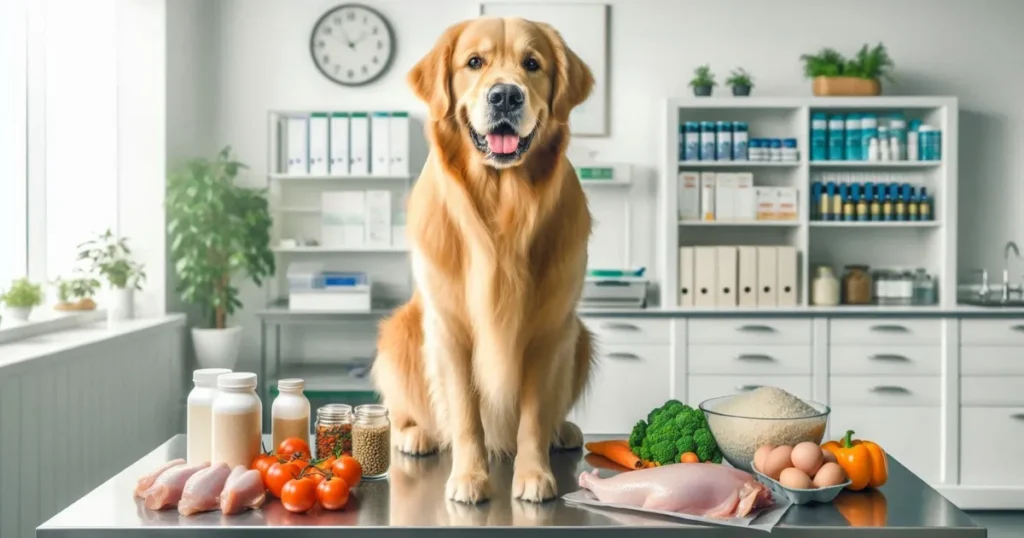
Common Nutritional Deficiencies in Homemade Diets
Through my years of experience, I’ve identified several recurring issues:
- Calcium-phosphorus imbalance: Homemade diets often lack sufficient calcium, leading to skeletal problems
- Essential fatty acid deficiency: Critical for Golden Retrievers’ coat health and joint function
- Inadequate taurine: Can contribute to dilated cardiomyopathy, a concern for this breed
- Vitamin E deficiency: Important for immune function and skin health
- Zinc and copper imbalances: Affect coat quality and overall metabolism
Vet’s Tip: Always consult with a veterinary nutritionist before transitioning your Golden Retriever to a 100% homemade diet. Blood work every 6 months helps monitor nutritional status.
Essential Nutritional Components for Golden Retriever Homemade Meals
Before diving into specific vet approved homemade dog food recipes, understanding the fundamental building blocks is essential. Golden Retrievers are active, medium-to-large breed dogs requiring balanced macronutrients and micronutrients.
Protein Requirements
Adult Golden Retrievers need approximately 18-25% protein in their diet, while puppies require 22-28%. High-quality protein sources include:
- Chicken breast or thighs: Lean, digestible, affordable
- Turkey: Lower in fat, excellent for weight management
- Beef: Rich in iron and B vitamins
- Fish (salmon, mackerel): Provides omega-3 fatty acids
- Eggs: Highly bioavailable protein source
Carbohydrate Sources
Contrary to popular belief, dogs benefit from carbohydrates for energy. Golden Retrievers, being active dogs, utilize carbs efficiently:
- Brown rice: Easily digestible, provides B vitamins
- Sweet potatoes: Rich in beta-carotene and fiber
- Oatmeal: Beneficial for dogs with grain sensitivities
- Quinoa: Complete protein with essential amino acids
Healthy Fats
Golden Retrievers need 10-15% dietary fat for energy, coat health, and nutrient absorption:
- Fish oil: Omega-3 for joint and heart health
- Flaxseed oil: Plant-based omega-3 alternative
- Chicken fat: Palatable and nutrient-dense
Vegetables and Fruits
These provide essential vitamins, minerals, and antioxidants:
- Carrots: Beta-carotene for vision
- Green beans: Low-calorie fiber source
- Blueberries: Antioxidants for cellular health
- Pumpkin: Digestive health and fiber
Complete Vet Approved Homemade Chicken Dog Food Recipe
This is my most recommended homemade chicken dog food recipes vet approved formula. I’ve prescribed variations of this recipe to hundreds of Golden Retriever families with excellent results.
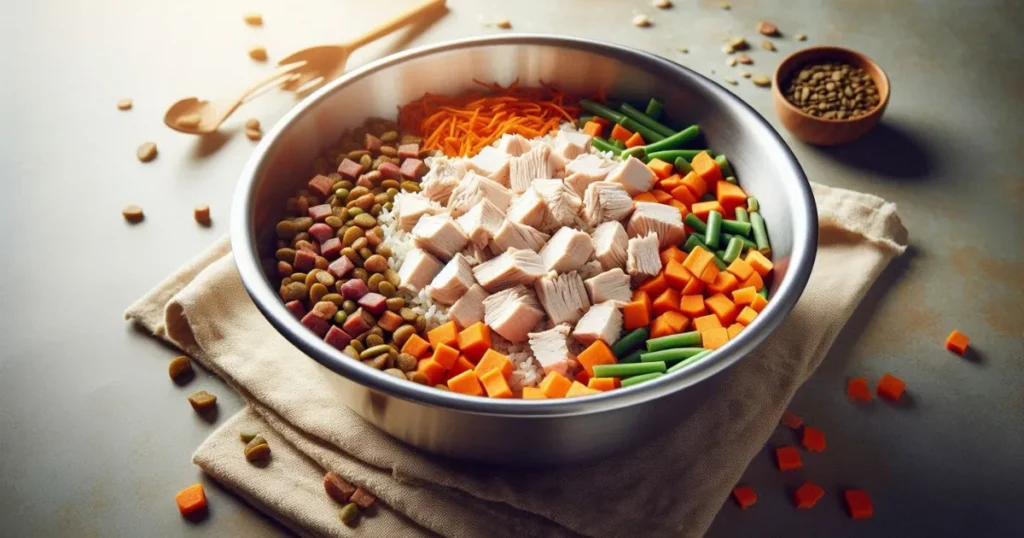
Balanced Chicken and Rice Recipe
Ingredients:
- 2.5 lbs boneless, skinless chicken thighs
- 2 cups cooked brown rice
- 1 cup cooked sweet potato, diced
- 1 cup mixed vegetables (carrots, green beans, peas).
- 2 tablespoons fish oil.
- 1 teaspoon calcium carbonate powder (approximately 1,800 mg calcium).
- 1/4 teaspoon salt (iodized).
- Multivitamin supplement (veterinary-formulated).
Preparation:
- Cook chicken thoroughly until internal temperature reaches 165 °F.
- Dice into bite-sized pieces appropriate for your Golden’s size.
- Cook brown rice according to package directions.
- Steam vegetables until tender but not mushy.
- Bake or boil the sweet potato until soft.
- Combine all ingredients in a large mixing bowl.
- Add fish oil, calcium powder, and salt.
- Mix thoroughly and allow to cool.
- Portion into meal-sized containers.
Yield:
Approximately 8-10 cups, providing 3-4 days of meals for an average 70-pound Golden Retriever.
Nutritional Analysis (per cup):
- Calories: 275-300.
- Protein: 22%.
- Fat: 12%.
- Carbohydrates: 40%.
- Fiber: 4%.
This vet approved homemade dog food recipe maintains proper calcium-phosphorus ratios and provides complete nutrition when combined with a quality multivitamin.
Advanced Vet Approved Homemade Dog Food Recipes.
Turkey and Quinoa Formula.
This alternative to chicken-based recipes works exceptionally well for Golden Retrievers with poultry sensitivities.
Ingredients:
- 2 lbs ground turkey (93% lean).
- 1.5 cups cooked quinoa.
- 1 cup cooked butternut squash.
- 1/2 cup spinach, chopped.
- 1/2 cup blueberries.
- 2 tablespoons coconut oil.
- 1 teaspoon bone meal powder.
- Veterinary multivitamin.
Preparation follows similar methods: Cook turkey thoroughly, combine with cooked grains and vegetables, add supplements, and portion appropriately.
Beef and Sweet Potato Recipe.
Golden Retrievers often love beef, and this recipe provides excellent palatability:
Ingredients:
- 2 lbs lean ground beef (90% lean).
- 2 cups cooked sweet potato, mashed.
- 1 cup cooked oatmeal.
- 3/4 cup mixed vegetables (broccoli, carrots, and zucchini).
- 1 tablespoon fish oil.
- 1 teaspoon calcium supplement.
- Veterinary multivitamin.
This variation offers higher iron content and different amino acid profiles compared to poultry-based recipes.
Salmon and Brown Rice Formula.
Ideal for Golden Retrievers with joint concerns or those needing extra omega-3 fatty acids:
Ingredients:
- 1.5 lbs fresh salmon (deboned).
- 2.5 cups cooked brown rice.
- 1 cup cooked green beans.
- 1/2 cup cooked carrots.
- 2 tablespoons olive oil.
- 1 teaspoon calcium carbonate.
- Veterinary multivitamin with vitamin E.
Calculating Proper Portions for Your Golden Retriever.
One of the most common mistakes I see with vet approved homemade dog food recipes is incorrect portioning. Golden Retrievers’ caloric needs vary based on age, activity level, and metabolic rate.
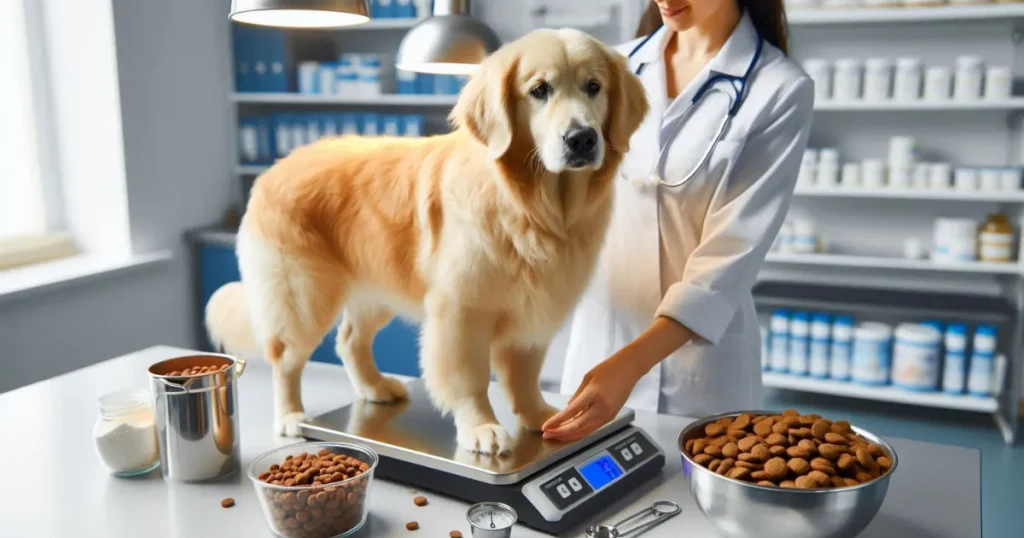
Daily Caloric Requirements.
Formula: Resting Energy Requirement (RER) = 70 × (body weight in kg) ^ 0.75.
For a 70-pound (32 kg) adult Golden Retriever:
- RER = 70 × (32)^0.75 = approximately 1,100 calories
- Multiply by activity factor:
- Inactive/senior: 1.2-1.4 × RER = 1,320-1,540 calories
- Moderately active: 1.6-1.8 × RER = 1,760-1,980 calories
- Very active: 2.0-2.5 × RER = 2,200-2,750 calories
Practical Portioning Guide.
| Dog Weight | Activity Level | Daily Calories | Cups of Recipe |
| 55-65 lbs | Moderate | 1,500-1,700 | 5-6 cups |
| 65-75 lbs | Moderate | 1,700-1,900 | 6-7 cups |
| 75-85 lbs | Moderate | 1,900-2,100 | 7-8 cups |
| 55-65 lbs | Active | 1,800-2,000 | 6-7 cups |
| 65-75 lbs | Active | 2,000-2,200 | 7-8 cups |
Divide daily portions into two meals for adult Golden Retrievers to prevent bloat, a serious condition this breed is prone to developing.
Critical Supplements for Homemade Dog Food.
Even with the best vet approved homemade dog food recipes, supplementation remains essential. Whole food ingredients alone cannot provide optimal micronutrient levels.
Essential Supplements.
Calcium supplements:
Calcium carbonate or calcium citrate (1,000-1,800 mg per pound of food).
Multivitamin:
Choose veterinary-formulated products like:
- Balance IT Canine.
- Multivitamin by Rx Vitamins.
- NuVet Plus.
Fish oil:
1,000 mg per 30 pounds of body weight for omega-3 fatty acids.
Vitamin E:
100-400 IU daily, especially important for Golden Retrievers.
Probiotics:
Beneficial for digestive health and immune function.
In my clinic, I’ve treated many Golden Retrievers who developed health issues from homemade diets lacking proper supplementation. Don’t skip this crucial step.
Transitioning Your Golden Retriever to Homemade Food.
Sudden dietary changes cause gastrointestinal upset. Proper transition takes 7-10 days.
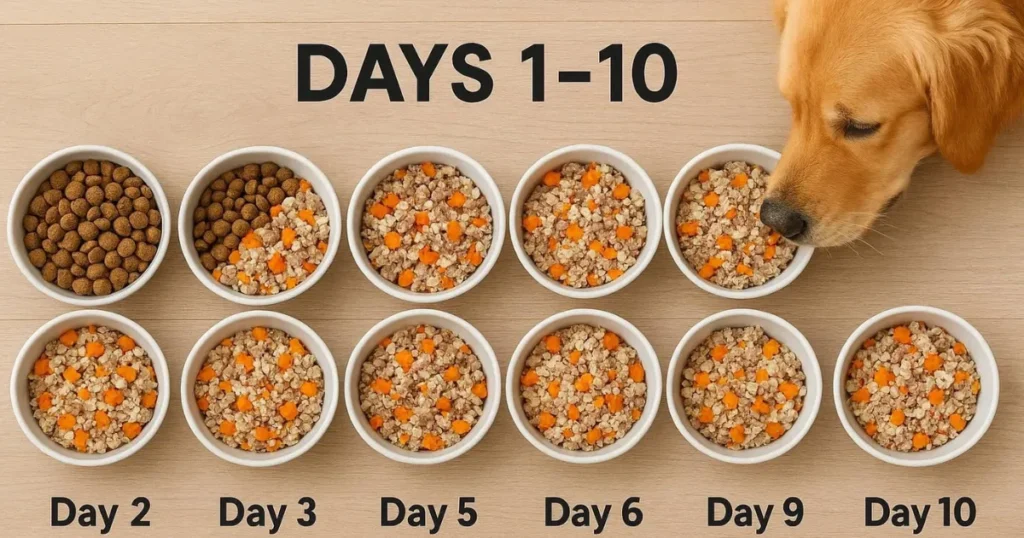
10-Day Transition Schedule.
- Days 1-2: 75% current food + 25% homemade.
- Days 3-4: 50% current food + 50% homemade.
- Days 5-6: 25% current food + 75% homemade.
- Days 7-10: 100% homemade food.
Monitor your Golden for:
- Stool consistency changes.
- Appetite fluctuations.
- Energy level variations.
- Coat condition improvements.
Most Golden Retrievers adapt well to homemade chicken dog food recipes vet approved when transitioned properly.
Food Safety and Storage Guidelines.
Homemade dog food requires careful handling to prevent bacterial contamination and nutrient degradation.
Preparation Safety.
- Cook all meats to safe internal temperatures (165 °F for poultry).
- Use separate cutting boards for raw meat.
- Wash hands thoroughly before and after preparation.
- Clean all utensils and surfaces with hot, soapy water.
Storage Recommendations.
- Refrigeration: Store prepared food in airtight containers for up to 3-4 days.
- Freezing: Portion meals into individual servings, freeze for up to 2-3 months.
- Thawing: Move frozen portions to the refrigerator 24 hours before feeding; never refreeze thawed food.
- Serving temperature: Slightly warm or room temperature; avoid serving cold food directly from the refrigerator.
Common Mistakes with Homemade Dog Food.
Through years of experience reviewing homemade diets, I’ve identified recurring errors that compromise Golden Retriever health.
Critical Errors to Avoid.
- All-meat diets: Lack essential nutrients and create calcium-phosphorus imbalances.
- Inconsistent recipes: Varying ingredients weekly prevents nutritional consistency.
- Insufficient fat: Golden Retrievers need adequate dietary fat for energy and nutrient absorption.
- Over-reliance on vegetables: While beneficial, vegetables cannot replace protein and fat requirements.
- Skipping supplements: Whole foods alone don’t provide complete nutrition.
- Ignoring food sensitivities: Some Golden Retrievers develop allergies to common proteins.
- Improper calcium supplementation: Too little causes skeletal issues; too much affects other mineral absorption.
Monitoring Your Golden Retriever’s Health on Homemade Food.
Regular health assessments ensure your vet approved homemade dog food meets your Golden’s needs.
Key Health Indicators.
- Body condition score: Maintain ideal weight with visible waist and palpable ribs.
- Coat quality: Shiny, full coat without excessive shedding or dryness.
- Energy levels: Consistent, appropriate energy for age and breed.
- Stool quality: Well-formed, brown stools without mucus or blood.
- Dental health: Clean teeth without excessive tartar buildup.
Recommended Veterinary Monitoring.
- Initial bloodwork: Before starting a homemade diet.
- 3-month recheck: Assess nutritional status and make adjustments.
- 6-month monitoring: Complete blood panel including calcium, phosphorus, and protein levels.
- Annual comprehensive exam: Includes cardiac evaluation, joint assessment, and nutritional review.
I recommend bringing a detailed food diary to appointments, listing ingredients, portions, and any supplements used.

Customizing Recipes for Special Health Needs.
Golden Retrievers often require dietary modifications for specific health conditions.
For Joint Health and Arthritis.
Add glucosamine and chondroitin supplements, increase omega-3 fatty acids from fish oil, and include turmeric (1/4 teaspoon per 20 pounds) for natural anti-inflammatory properties.
For Weight Management.
Reduce carbohydrate portions, increase green beans and other low-calorie vegetables, use lean protein sources like turkey breast, and adjust portions based on weight loss goals (0.5-1% body weight loss per week).
For Sensitive Stomachs.
Use novel proteins like duck or venison, incorporate pumpkin for digestive support, add probiotics daily, and cook all vegetables thoroughly for easier digestion.
For Senior Golden Retrievers.
Reduce overall calories by 20-30%, increase antioxidant-rich fruits and vegetables, ensure adequate protein to maintain muscle mass, and consider softer food textures for dental comfort.
Cost Comparison: Homemade vs Commercial Dog Food.
Many owners ask about the financial investment of vet approved homemade dog food recipes.
Monthly Cost Analysis (70-pound Golden Retriever).
Premium commercial food: $80-120 per month.
Homemade food (chicken-based recipe):
- Chicken: $40-50.
- Rice and grains: $10-15.
- Vegetables: $15-20.
- Supplements: $20-30.
- Total: $85-115 per month.
Homemade food (beef-based recipe):
- Beef: $60-80.
- Grains: $10-15.
- Vegetables: $15-20.
- Supplements: $20-30.
- Total: $105-145 per month.
While homemade dog food requires more time investment, the cost remains comparable to high-quality commercial diets, with the added benefit of knowing exactly what your Golden Retriever consumes.
Addressing Common Concerns about Homemade Dog Food.
“Isn’t commercial dog food already complete and balanced?”
Yes, quality commercial foods meet AAFCO standards. However, some Golden Retrievers benefit from fresh, whole-food ingredients, particularly those with food sensitivities or specific health conditions. When properly formulated, homemade chicken dog food recipes vet approved provide equivalent or superior nutrition.
“Do I need to cook vegetables for my Golden?”
Lightly cooking vegetables improves digestibility and nutrient availability. Raw vegetables aren’t harmful but may pass through partially undigested, reducing nutritional benefit.
“Can I use a slow cooker for meal preparation?”
Absolutely. Slow cookers work excellently for preparing large batches of vet approved homemade dog food. Cook on low for 6-8 hours, ensuring all ingredients reach safe temperatures.
“What about raw food diets?”
While some owners advocate raw feeding, I recommend cooked homemade diets for food safety and digestibility. Raw diets carry bacterial contamination risks and require extremely careful handling and sourcing.
Expert Resources and Professional Consultation.
Creating truly balanced homemade diets benefits from professional guidance. Consider consulting:
Board-certified veterinary nutritionists: Find specialists through the American College of Veterinary Nutrition (ACVN).
Reputable formulation services:
- Balance IT (balanceit.com) offers customized supplement blends.
- PetDiets.com provides personalized recipe formulations.
Veterinary resources:
- American Veterinary Medical Association (AVMA).
- World Small Animal Veterinary Association (WSAVA) nutritional guidelines.
Never hesitate to discuss homemade food feeding plans with your veterinarian. Most appreciate owners’ commitment to nutrition and can provide valuable breed-specific guidance.
What makes a dog food recipe vet approved for Golden Retrievers?
Vet approved recipes meet AAFCO nutritional standards, include proper calcium-phosphorus ratios, contain complete protein sources, incorporate essential supplements, and account for Golden Retriever-specific nutritional needs like joint support and healthy fat levels for coat maintenance.
How much homemade chicken dog food should I feed my Golden Retriever daily?
A 70-pound Golden Retriever typically needs 6-8 cups of homemade food daily, divided into two meals. Calculate based on activity level: moderately active dogs need 1,700-1,900 calories daily, while very active dogs require 2,000-2,500 calories from properly balanced recipes.
Can I substitute ingredients in vet approved homemade dog food recipes?
Yes, but maintain nutritional balance. Substitute similar proteins (chicken for turkey), carbohydrates (rice for quinoa), or vegetables (carrots for green beans). Never eliminate calcium supplements, multivitamins, or essential fatty acids, as these ensure complete nutrition for your Golden.
What supplements are essential for homemade Golden Retriever food?
Essential supplements include calcium carbonate (1,000-1,800 mg per pound of food), veterinary-formulated multivitamins, fish oil for omega-3s (1,000 mg per 30 pounds body weight), and vitamin E (100-400 IU daily) for immune support and disease prevention.
How long does homemade dog food stay fresh in the refrigerator?
Properly stored homemade dog food remains fresh for 3-4 days in airtight containers in the refrigerator. For longer storage, freeze individual portions for up to 2-3 months. Always thaw frozen food in the refrigerator, never at room temperature.
Is homemade dog food better than commercial food for Golden Retrievers?
Both can be excellent when properly formulated. Homemade food offers ingredient control and customization for specific health needs, while quality commercial foods provide convenience and guaranteed nutrition. Many Golden Retrievers thrive on either option when nutritional requirements are met.
What are the signs my Golden Retriever isn’t getting proper nutrition from homemade food?
Warning signs include dull coat, excessive shedding, low energy, poor stool quality, unexplained weight loss or gain, and changes in appetite. Schedule veterinary blood work if you notice these symptoms to assess nutritional status and adjust recipes accordingly.
Can puppies eat vet approved homemade dog food recipes designed for adult Golden Retrievers?
Puppies require higher protein (22-28%) and specific calcium levels for proper growth. Adult recipes need modification for puppies. Consult your veterinarian for puppy-specific formulations, ensuring proper skeletal development and avoiding growth-related orthopedic issues common in Golden Retrievers.
Conclusion.
Creating vet approved homemade dog food recipes for your Golden Retriever represents a meaningful commitment to their health and longevity. Through my years of experience, I’ve witnessed remarkable transformations in Golden Retrievers thriving on properly formulated homemade diets – improved coat quality, better weight management, enhanced energy levels, and overall vitality.
The key to success lies in understanding that homemade chicken dog food recipes vet approved must include appropriate protein, healthy fats, digestible carbohydrates, essential supplements, and correct portioning. Whether you choose chicken, turkey, beef, or fish as your primary protein source, consistency and nutritional completeness remain paramount.
Remember that transitioning to vet approved homemade dog food requires patience, attention to detail, and regular veterinary monitoring. Your Golden Retriever’s individual needs may vary based on age, activity level, and health status. By following the recipes and guidelines outlined in this comprehensive guide, you’ll provide your beloved Golden Retriever with nutritious, wholesome meals that support their health for years to come.
Share Your Homemade Golden Retriever Food Success Story! Have you tried any of these vet approved homemade dog food recipes with your Golden Retriever? We’d love to hear about your experience! Did you notice improvements in your dog’s coat, energy levels, or overall health after switching to homemade meals? What’s your Golden’s favorite recipe variation?