Throughout my years of experience treating Golden Retrievers, I’ve witnessed a significant shift in owner interest toward the best fresh dog food options as alternatives to traditional kibble. The fresh food movement promises superior nutrition through minimally processed, whole-food ingredients that more closely resemble what owners eat themselves. Many clients ask me about fresh puppy food and whether these premium options truly deliver health benefits justifying their considerably higher cost.
In my clinic, I’ve observed compelling outcomes in Golden Retrievers transitioned to quality, best fresh dog food diets – improved coat condition, better digestive health, maintained ideal weight, and increased eating enthusiasm. However, I’ve also encountered problems when owners select inappropriate formulas or implement fresh feeding incorrectly. Today, I’ll share comprehensive guidance on the best fresh dog food for Golden Retrievers, addressing both the remarkable benefits and potential pitfalls based on clinical experience and nutritional science.
Understanding Fresh Dog Food: What Makes It Different
Before recommending the best fresh dog food options, I explain what distinguishes fresh feeding from conventional kibble and why this approach appeals to so many Golden Retriever owners seeking optimal nutrition.
Defining Fresh Dog Food
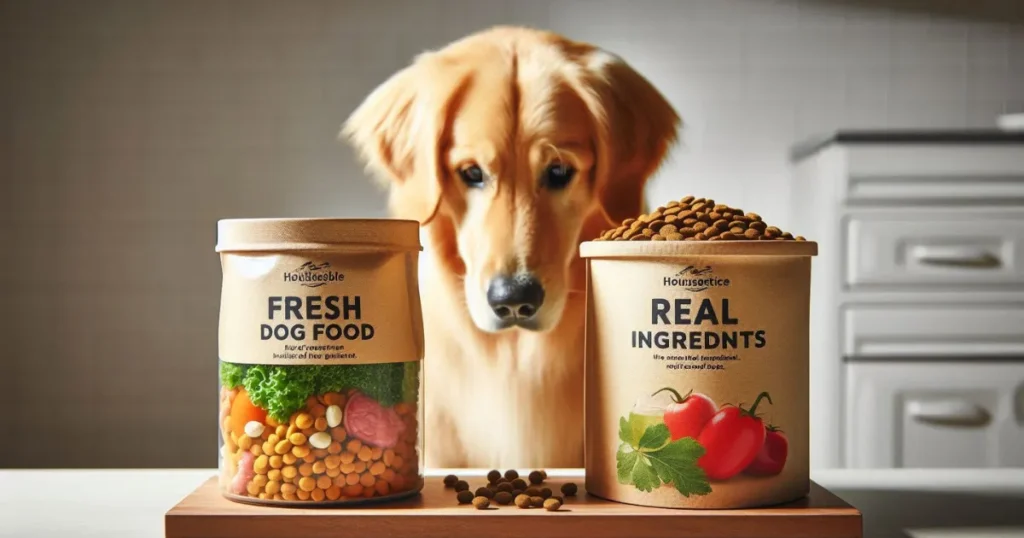
Best fresh dog food refers to minimally processed diets using whole-food ingredients – real meat, vegetables, fruits, and grains – prepared through gentle cooking or served raw, then delivered fresh or frozen rather than shelf-stable kibble requiring extensive processing and preservatives.
Commercial fresh food services like Nom Nom, The Farmer’s Dog, Ollie, and Spot & Tango prepare veterinary-formulated recipes in human-grade facilities, portion them individually, and ship directly to consumers. These fresh puppy food and adult formulas arrive refrigerated or frozen, requiring cold storage, unlike traditional kibble.
The key distinction involves minimal processing, preserving nutrients often degraded during high-heat kibble manufacturing. Fresh foods avoid synthetic preservatives, artificial colors, and flavor enhancers common in conventional products, instead relying on refrigeration for preservation.
Nutritional Advantages of Fresh Feeding
In my practice, I’ve identified several legitimate nutritional benefits explaining why best fresh dog food produces observable health improvements in many Golden Retrievers.
Higher digestibility results from gentle cooking methods, preserving protein structure and minimal processing, maintaining nutrient bioavailability. Studies show fresh diets often achieve 85-95% digestibility compared to 70-80% for many kibbles, meaning dogs extract more nutrients from smaller portions.
Enhanced palatability makes fresh puppy food particularly valuable for picky eaters or dogs recovering from illness. The aroma, texture, and taste of real food ingredients significantly exceed kibble’s appeal, encouraging better food intake in reluctant eaters I treat regularly.
Superior ingredient quality characterizes reputable fresh food companies using human-grade meats, vegetables, and grains. These whole-food ingredients provide naturally occurring vitamins, minerals, and phytonutrients in forms dogs evolved to utilize, potentially offering advantages over synthetic nutrients added to kibble after heat processing destroys naturally occurring versions.
Increased moisture content at 60-75% in the best fresh dog food supports hydration – particularly beneficial for Golden Retrievers prone to kidney issues as they age. Many dogs don’t drink adequate water, and moisture-rich fresh food helps maintain proper hydration status I assess during examinations.
Vet’s Tip: Fresh food’s higher moisture content means larger portions compared to kibble for equivalent calories. A Golden eating 4 cups of fresh food might only need 2 cups of kibble providing the same caloric intake.
Potential Concerns and Limitations
Despite benefits, the best fresh dog food presents challenges and limitations that I counsel owners about before they commit to this feeding approach for their Golden Retrievers.
Significantly higher cost represents the primary barrier. Fresh feeding typically costs $150-400 monthly for a 70-pound Golden Retriever compared to $50-100 for premium kibble – a 3-5x price difference many households can not sustain long-term regardless of nutritional advantages.
Storage requirements demand adequate refrigerator and freezer space. A month’s supply of fresh puppy food for a growing Golden occupies significant cold storage that families with limited space struggle to accommodate alongside human food.
Travel challenges complicate fresh feeding for owners who travel frequently with dogs or board them during vacations. Fresh food requires refrigeration, limiting portability compared to kibble’s convenience during trips, camping, or other situations where cold storage is unavailable.
Nutritional completeness concerns arise with some fresh food options. While reputable commercial services employ veterinary nutritionists ensuring AAFCO compliance, homemade fresh diets often lack essential nutrients unless carefully formulated – a critical consideration for fresh puppy food, where nutritional deficiencies cause serious developmental problems I’ve treated.
Top Veterinary Recommendations: Best Fresh Dog Food Services
Based on nutritional analysis, AAFCO compliance verification, clinical outcomes in my Golden Retriever patients, and practical considerations, here are my evidence-based recommendations for best fresh dog food delivery services.

Vet’s Pick # 1: The Farmer’s Dog
This service consistently delivers excellent results in my Golden Retriever patients through veterinary-formulated recipes, high-quality ingredients, and a convenient delivery model. Each recipe meets AAFCO nutritional standards for all life stages, making it suitable as fresh puppy food and adult maintenance.
Recipes feature USDA-certified meats as primary ingredients – beef, chicken, turkey, or pork – combined with vegetables, grains, and supplements ensuring nutritional completeness. Gentle cooking at low temperatures preserves nutrients while eliminating pathogens associated with raw diets.
Pre-portioned packs customized to your Golden’s weight, age, and activity level simplify feeding and prevent overfeeding. I’ve observed and maintained ideal body condition in numerous patients using this service, with particularly impressive coat quality improvements within 8-12 weeks of transition.
The subscription model delivers fresh food on customized schedules, and flexible plans accommodate changing needs. While premium-priced at approximately $200-350 monthly for adult Goldens, this represents the best fresh dog food when convenience, quality, and nutritional completeness are priorities.
Vet’s Pick # 2: Nom Nom
Nom Nom’s veterinary nutritionist-formulated recipes provide another excellent best fresh dog food option backed by nutritional expertise and quality ingredient sourcing. Four core recipes (beef, chicken, turkey, pork) offer variety, preventing dietary boredom in long-term feeding.
Each recipe provides complete and balanced nutrition meeting AAFCO standards for all life stages, including fresh puppy food applications. The gentle cooking process preserves nutrients while ensuring food safety – a balance I appreciate given raw feeding risks.
Pre-portioned packages eliminate guesswork in serving sizes, and the company provides feeding calculators, helping owners determine appropriate daily amounts based on individual dog characteristics. Many clients report their Goldens eagerly anticipate meals, with improved eating enthusiasm compared to previous kibble feeding.
The main limitation involves cost – similar to The Farmer’s Dog at $200-350 monthly for adult Golden Retrievers. However, the nutritional quality and health outcomes I’ve observed in patients justify the investment for families able to afford premium, best fresh dog food options.
Vet’s Pick # 3: Ollie
Ollie offers human-grade, best fresh dog food with transparent ingredient sourcing and gentle cooking methods, preserving nutritional value. Four recipes (beef, chicken, turkey, and lamb) provide protein variety, and all formulations meet AAFCO nutritional adequacy standards.
The service includes veterinary consultation, helping owners select appropriate recipes based on Golden Retriever health needs, age, and sensitivities. This personalized approach benefits dogs with food allergies or specific health conditions requiring dietary modifications.
Customized portions based on dog characteristics help maintain ideal body weight – crucial for Golden Retrievers prone to obesity. I’ve successfully used Ollie in weight management programs for overweight patients, achieving gradual loss while keeping dogs satisfied through fresh food’s enhanced palatability and satiety.
Cost remains comparable to other premium services at $180-320 monthly for adult Goldens. The fresh puppy food formulations work well for growing dogs when portions are calculated appropriately for large-breed puppies requiring controlled growth rates.
Owner’s Choice: Spot & Tango
Many clients prefer Spot & Tango’s subscription flexibility and recipe variety. The service offers both fresh and gently-cooked kibble options, allowing mixed feeding approaches balancing cost and fresh food benefits.
UnKibble – their proprietary gently-cooked kibble – provides a middle ground between traditional kibble and full fresh feeding at more accessible pricing. This best fresh dog food alternative works well for budget-conscious owners seeking some fresh feeding advantages without full premium pricing.
Full fresh recipes meet AAFCO standards and feature quality proteins with vegetables and supplements, ensuring nutritional completeness. The company’s transparent ingredient sourcing and human-grade facility standards align with owner preferences for clean, identifiable ingredients.
Monthly costs range $150-280 for adult Golden Retrievers using full fresh feeding, or $100-180 with UnKibble, making this more accessible than strictly fresh options while maintaining quality standards I consider appropriate for Golden Retriever nutrition.
Budget-Conscious Option: JustFoodForDogs Pantry Fresh
For owners seeking the best fresh dog food benefits at reduced cost, JustFoodForDogs Pantry Fresh offers shelf-stable fresh food requiring refrigeration only after opening. This format dramatically reduces shipping costs while maintaining fresh food’s nutritional advantages.
Available at major pet retailers (Petco, PetSmart), this eliminates subscription commitments and delivery fees inherent to other services. Recipes meet AAFCO nutritional standards using whole-food ingredients without synthetic preservatives, though the production process differs slightly from refrigerated fresh foods.
Cost approximates $120-200 monthly for adult Golden Retrievers – still premium-priced but more accessible than pure fresh services. This represents a practical entry point for fresh puppy food and adult feeding when full premium services exceed household budgets.
Fresh Puppy Food: Special Considerations for Growing Goldens
Golden Retriever puppies have unique nutritional requirements, making fresh puppy food selection particularly critical for healthy development and preventing orthopedic problems I frequently diagnose.

Large-Breed Puppy Requirements
Golden puppies need carefully balanced calcium and phosphorus levels controlling growth rate and preventing developmental orthopedic diseases – hip dysplasia, elbow dysplasia, osteochondrosis – that plague rapidly growing large breeds.
The best fresh dog food for puppies must meet AAFCO standards for growth while maintaining appropriate calcium levels (1.2-1.8% dry matter basis) and calcium-to-phosphorus ratios (1:1 to 1.8:1). Excessive calcium from improper formulations causes skeletal problems I’ve treated in young Goldens fed nutritionally imbalanced fresh diets.
Many fresh food services offer all-life-stage formulations safe for puppies, but verify AAFCO compliance and appropriate mineral ratios before feeding fresh puppy food. Never feed homemade fresh diets to puppies without veterinary nutritionist consultation – the developmental consequences of nutritional deficiencies or imbalances prove devastating.
Feeding Growing Puppies
Golden Retriever puppies require more frequent feeding than adults – three to four meals daily until six months, then twice daily through adolescence. The fresh puppy food portions should support steady growth without promoting rapid weight gain, increasing orthopedic disease risk.
Monitor body condition closely during growth. Puppies should maintain lean body condition throughout development, never appearing chubby despite owner temptation to encourage robust growth. I use growth charts tracking weight progression, adjusting the best fresh dog food portions, maintaining ideal body condition, while supporting healthy development.
Calculate portions based on expected adult weight (60-75 pounds for females, 65-80 pounds for males) rather than current puppy weight. Fresh food companies provide calculators, but I recommend veterinary guidance, ensuring appropriate growth rates for large-breed puppies with their unique developmental vulnerabilities.
Vet’s Tip: Weigh puppies weekly, adjusting fresh food portions if weight gain exceeds 2-4 pounds weekly after 12 weeks of age. Rapid growth increases orthopedic disease risk in Golden Retrievers genetically predisposed to hip and elbow dysplasia.
Transitioning to Fresh Dog Food Successfully
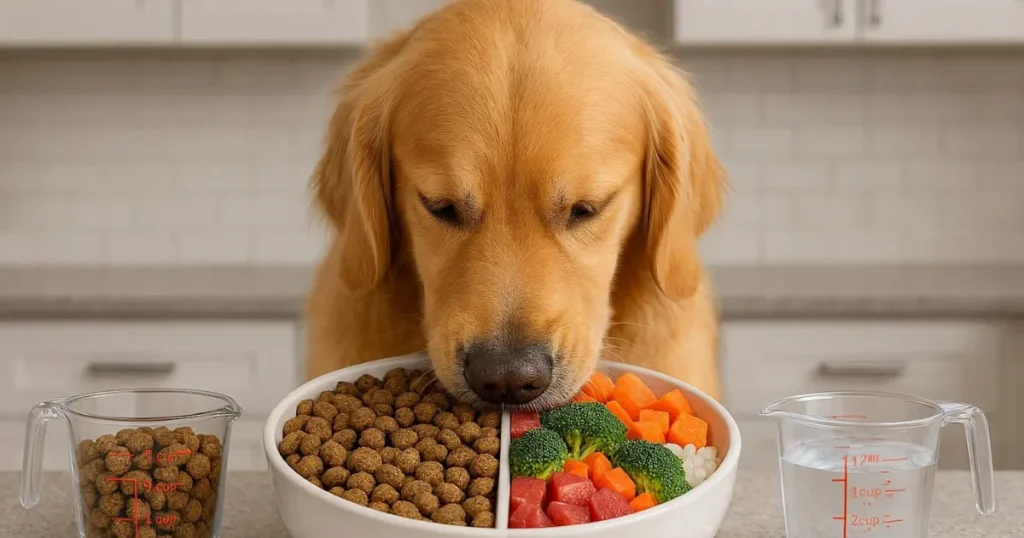
Switching Golden Retrievers to the best fresh dog food requires a gradual transition, preventing digestive upset I commonly see when owners change diets too rapidly.
The 10-Day Transition Protocol
Days 1-3:
Mix 25% fresh food with 75% current food. Monitor stool consistency and appetite closely. Slightly softer stools are normal initially; severe diarrhea indicates too-rapid transition requiring a slower pace.
Days 4-6:
Increase to 50% fresh food, 50% current food. Most dogs tolerate this stage well if the earlier days proceeded smoothly. Energy levels should remain normal or improve as digestive adaptation occurs.
Days 7-9:
Progress to 75% fresh food, 25% current food. By this stage, stools should normalize to a healthy consistency despite diet change. Appetite typically increases given fresh food’s enhanced palatability.
Day 10:
Complete transition to 100% best fresh dog food. Some sensitive Golden Retrievers benefit from 12-14-day transitions. Let individual digestive tolerance guide pace rather than rigid timeline adherence.
Expected Changes during Transition
I teach owners to anticipate several normal changes when transitioning to fresh puppy food or adult formulas that shouldn’t cause concern unless severe.
Increased stool frequency may occur initially as the digestive systems adapt. This typically normalizes within 2-3 weeks. Smaller stool volume follows the given fresh food’s higher digestibility – less waste means less stool production, indicating superior nutrient absorption.
Enhanced eating enthusiasm appears immediately in most Golden Retrievers, given the fresh food’s palatability advantages. Dogs previously disinterested in meals often become eager eaters, though food-motivated Goldens typically show enthusiasm regardless of food type.
Coat quality improvements require 8-12 weeks, appearing due to hair growth cycles. Shinier coats, reduced shedding beyond seasonal patterns, and healthier skin consistently follow quality, best fresh dog food feeding in my clinical observations.
Homemade Fresh Dog Food: Proceed with Caution
Some owners consider preparing homemade, the best fresh dog food, hoping to reduce costs while maintaining fresh feeding benefits. I counsel extreme caution with this approach, given serious nutritional risks.
Why Homemade Fresh Diets Often Fail
In my practice, I’ve treated numerous Golden Retrievers suffering nutritional deficiencies from well-intentioned but improperly formulated homemade diets. Owners typically provide adequate protein and calories but miss essential vitamins, minerals, and fatty acids that dogs require.
Calcium-phosphorus imbalances cause skeletal problems in puppies fed homemade fresh puppy food lacking appropriate mineral supplementation. Taurine deficiency from inadequate meat organ inclusion contributes to dilated cardiomyopathy I’ve diagnosed in dogs eating unbalanced homemade diets long-term.
Essential fatty acid deficiencies manifest as poor coat quality, skin problems, and immune dysfunction. Vitamin deficiencies cause various health issues depending on which nutrients are lacking – from night blindness (vitamin A) to bleeding disorders (vitamin K).
Veterinary Nutritionist Consultation Essential
If committed to homemade, best fresh dog food, consult a board-certified veterinary nutritionist (Diplomate of the American College of Veterinary Nutrition) who’ll formulate balanced recipes meeting AAFCO standards using whole-food ingredients.
Services like BalanceIT provide custom supplement blends correcting nutritional gaps in home-prepared diets, ensuring the finished product provides complete balanced nutrition. This professional guidance prevents the devastating health consequences I’ve treated resulting from nutritionally inadequate homemade feeding.
Never use random internet recipes without veterinary nutritionist verification. The consequences – particularly for fresh puppy food applications – include irreversible developmental problems, skeletal deformities, and organ damage from chronic nutritional deficiencies.
Cost Analysis: Is Fresh Dog Food Worth the Investment?
The best fresh dog food costs 3-5x more than premium kibble, raising legitimate questions about value and whether health benefits justify the price difference for most families.

Monthly Cost Comparison
For a 70-pound adult Golden Retriever, approximate monthly costs:
- Premium kibble: $50-80
- Mid-tier fresh food services: $150-250.
- Premium fresh food services: $200-350
- Homemade fresh (ingredients only): $120-180.
These estimates assume exclusive feeding of each type. Mixed feeding – combining kibble and fresh food – reduces costs while providing some fresh feeding benefits.
Health Benefits vs. Financial Reality.
In my clinical experience, the best fresh dog food genuinely improves health outcomes in many Golden Retrievers – better body condition, enhanced coat quality, improved digestive health, and increased longevity potential justify the investment for families who can afford it.
However, premium kibble also supports excellent health when properly portioned and combined with preventive veterinary care. The difference between fresh feeding and quality kibble is incremental improvement rather than transformation – important but not necessarily mandatory for adequate Golden Retriever health.
I counsel owners honestly: fresh food offers real benefits, but financial stress from unaffordable premium feeding creates household strain, potentially harming overall dog welfare. Better to feed excellent kibble within budget while affording proper veterinary care than overextend financially for fresh puppy food while skipping wellness exams or delaying needed medical treatment.
Cost-Reduction Strategies.
For owners committed to fresh feeding despite budget concerns, several strategies reduce costs while maintaining nutritional benefits:
Mixed feeding (50% fresh food, 50% kibble) cuts costs significantly while providing fresh food advantages. Use premium kibble for the dry portion, ensuring overall diet quality.
The Topper approach adds small amounts of fresh food (20-30% of calories) over a kibble base, enhancing palatability and providing some fresh food nutrients at a manageable cost.
Homemade with professional guidance reduces expenses through bulk ingredient purchasing and home preparation, though it requires a veterinary nutritionist consultation, ensuring nutritional completeness and time investment for preparation.
Auto-ship discounts offered by most fresh food services provide 10-15% savings on recurring deliveries, making premium, best fresh dog food slightly more accessible for committed long-term subscribers.
Is fresh dog food better than kibble for Golden Retrievers?
Best fresh dog food offers advantages – higher digestibility, better ingredient quality, enhanced palatability, and increased moisture content. However, premium kibble also supports excellent health when properly fed. Fresh food provides incremental improvements rather than transformative changes. The “better” choice depends on budget, lifestyle, and individual dog needs. Both can support thriving Golden Retrievers with appropriate selection and feeding management.
How much does fresh puppy food cost monthly for Golden Retrievers?
For growing Golden Retriever puppies, expect $180-400 monthly, depending on service and puppy age/size. Younger puppies need less, but portions increase significantly during rapid growth phases (4-8 months). Fresh food costs 3-5x more than premium kibble. Budget accordingly and ensure fresh feeding doesn’t prevent proper veterinary care, including wellness exams, vaccinations, and preventive treatments.
Can I make homemade fresh dog food for my Golden?
Yes, but only with board-certified veterinary nutritionist consultation ensuring AAFCO-compliant balanced recipes. Homemade fresh puppy food is particularly risky – nutritional deficiencies cause irreversible developmental problems. Never use random internet recipes without professional formulation. Services like BalanceIT provide custom supplements correcting nutritional gaps in home-prepared diets, making safe homemade feeding possible with proper guidance and commitment.
How long does fresh dog food last in the refrigerator?
Opened fresh food packages last 4-5 days refrigerated at 40 ° F or below. Frozen fresh food maintains quality 6-12 months. Thaw frozen portions in the refrigerator 24 hours before feeding – never at room temperature due to bacterial growth risks. Discard any fresh food left at room temperature for over 2 hours. Best fresh dog food services provide clear storage and handling instructions for food safety.
Will my picky Golden Retriever eat fresh dog food better?
Most likely. Fresh puppy food and adult formulas offer superior palatability compared to kibble through natural meat aromas, appealing textures, and whole-food ingredients. I’ve successfully resolved eating reluctance in numerous patients through a fresh food transition. However, underlying medical issues sometimes cause decreased appetite – consult your veterinarian if appetite problems persist despite fresh feeding or if weight loss occurs.
Can I mix fresh dog food with kibble for my Golden?
Yes, mixed feeding works excellently, balancing fresh food benefits with kibble’s cost-effectiveness and convenience. Combine 50/50 by calories or use fresh food as a 20-30% topper over kibble base. Ensure the combined diet remains nutritionally balanced. Both components should be quality formulations. Mixed feeding provides a practical middle ground for owners seeking the best fresh dog food advantages without a full premium pricing commitment.
Is fresh dog food safe for Golden Retriever puppies?
Yes, when formulas meet AAFCO standards for growth and maintain appropriate calcium levels (1.2-1.8% dry matter) for large breeds. Many fresh food services offer all-life-stage formulations suitable as fresh puppy food. Verify AAFCO compliance before feeding. Never feed nutritionally unbalanced homemade fresh diets to puppies – developmental consequences from deficiencies prove devastating. Professional formulation is mandatory for growing dogs.
Does fresh dog food help with Golden Retriever allergies?
Best fresh dog food may help food-allergic Goldens through limited ingredients and novel proteins unavailable in kibble. However, environmental allergies (pollen, dust mites) remain unaffected by diet changes. If your Golden has chronic ear infections, itchy skin, or gastrointestinal issues, consult your veterinarian for a proper allergy diagnosis. Fresh feeding sometimes resolves food sensitivities but requires appropriate protein selection, avoiding known allergens.
Conclusion.
The best fresh dog food offers legitimate nutritional advantages for Golden Retrievers through minimally processed whole-food ingredients, enhanced digestibility, superior palatability, and increased moisture content supporting overall health. Throughout my years treating Goldens, I’ve observed compelling improvements in patients transitioned to quality fresh diets – particularly coat condition, body weight maintenance, and digestive health.
However, fresh feeding isn’t mandatory for excellent Golden Retriever health. Premium kibble combined with proper portioning and veterinary care also supports thriving dogs. The decision involves balancing nutritional benefits against significantly higher costs, storage requirements, and lifestyle compatibility.
For fresh puppy food applications, ensure AAFCO compliance and appropriate large-breed formulation, preventing developmental orthopedic problems. Whether choosing commercial services like The Farmer’s Dog or Nom Nom, or preparing homemade diets with veterinary nutritionist guidance, nutritional completeness remains non-negotiable for growing puppies.
Ultimately, the best fresh dog food is one you can afford consistently while maintaining your Golden’s complete veterinary care. Fresh feeding represents an excellent choice for families with financial flexibility seeking optimal nutrition, while quality kibble remains perfectly appropriate for households where premium fresh food exceeds practical budget limitations.
Share Your Fresh Dog Food Experience! Has the best fresh dog food transformed your Golden Retriever’s health? I’m eager to hear about your experiences with fresh feeding – whether commercial services or homemade preparations! Your real-world insights help other Golden Retriever owners evaluate whether fresh puppy food or adult formulas suit their dogs and households.