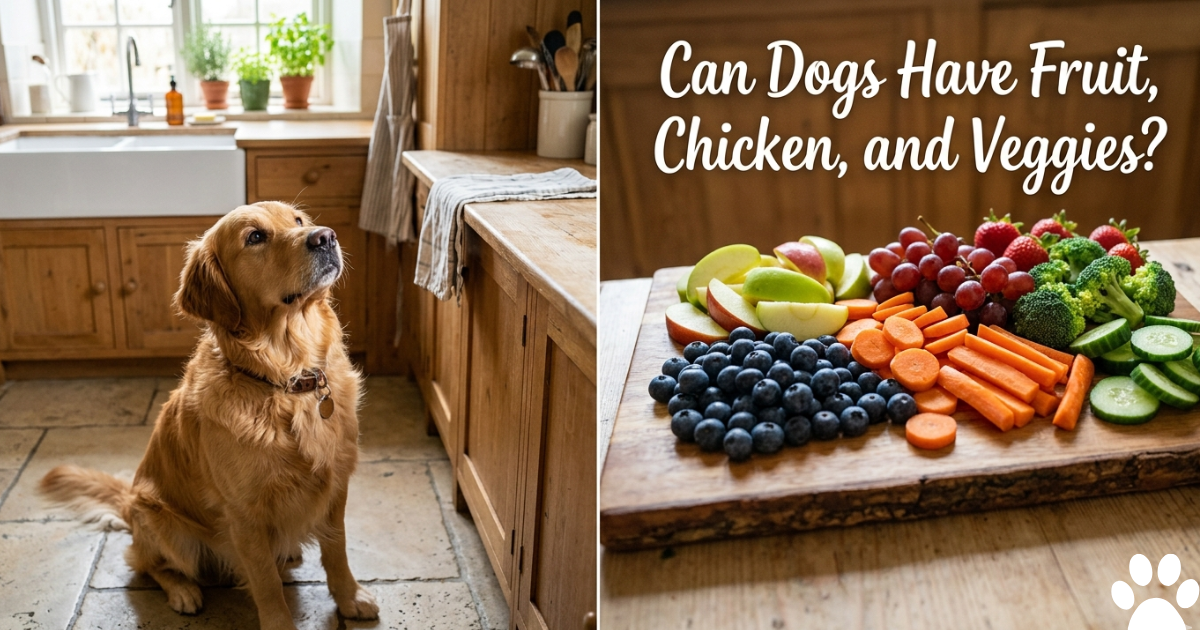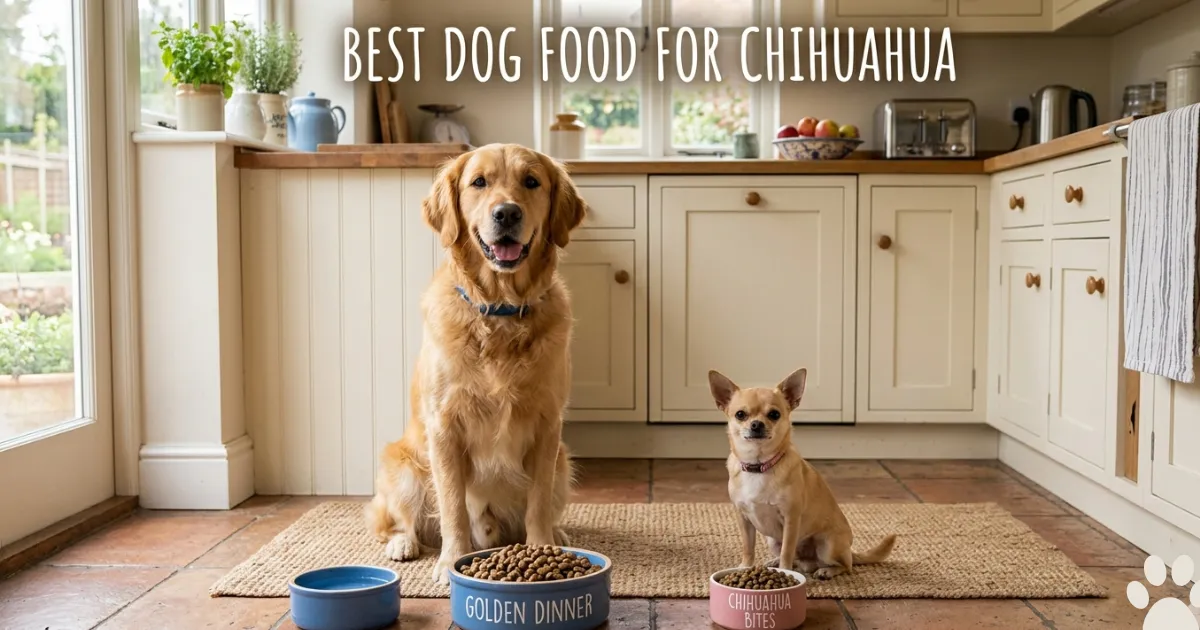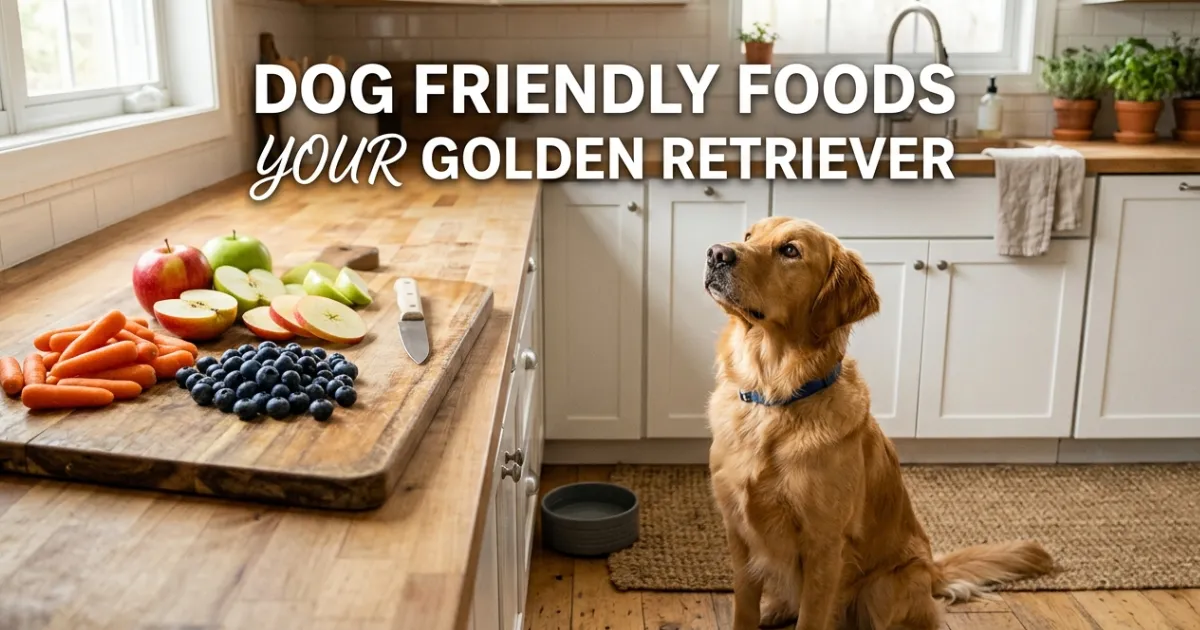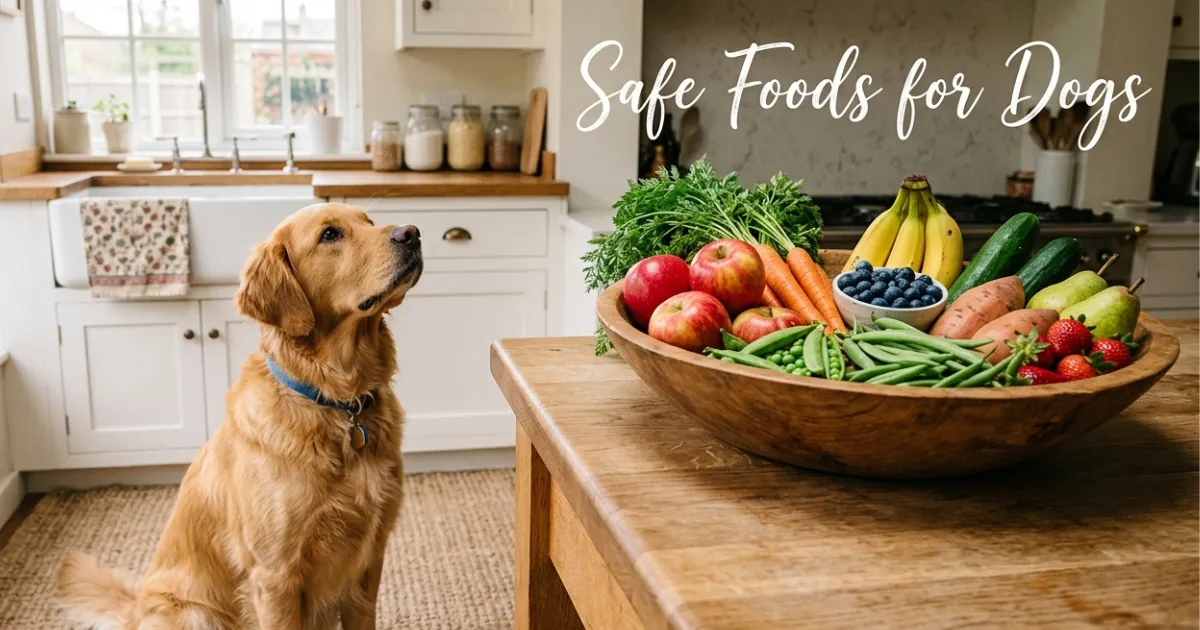
Understanding what human foods are good for dogs transforms mealtimes from anxiety-inducing “can they have this?” moments into opportunities for nutritional supplementation, training rewards, and bonding experiences. I’ve watched Golden Retriever owners unnecessarily restrict all human food, creating missed opportunities for omega-3-rich salmon, fibre-packed pumpkin, or protein-dense eggs – all of which provide legitimate nutritional benefits when fed appropriately. The confusion stems from conflicting online information: some sources claim all human food is dangerous, others suggest dogs can eat anything “natural,” and neither extreme reflects veterinary nutritional science which recongnize that many human foods offer health benefits while others cause harm.
Golden Retrievers benefit particularly from strategic supplementation with human foods, given their breed-specific nutritional needs and health challenges. Their predisposition to joint disease responds positively to omega-3 fatty acids in fish, their sensitive skin benefits from biotin-rich eggs and zinc in lean meats, their cancer risk may be reduced by antioxidants in blueberries and pumpkin, and their enthusiasm for food makes human foods excellent high-value training rewards that don’t require commercial treat purchases. Additionally, Golden Retrievers’ large size means appropriate portion control differs dramatically from small breed guidelines – “small amounts” for a Chihuahua versus a 70-pound Golden require different calculations.
This guide identifies what human foods are good for dogs organized by nutritional benefit rather than simple safe/unsafe lists, explains the what human foods are good for dogs with specific advantages for Golden Retriever health challenges, provides precise portion guidelines because “moderation” means nothing without numbers, and addresses preparation methods that maintain safety while maximizing nutritional value of human foods for dogs.
Human Foods Good For Dogs: Proteins and Their Benefits
High-quality proteins provide essential amino acids, support muscle maintenance, and offer breed-specific health advantages:
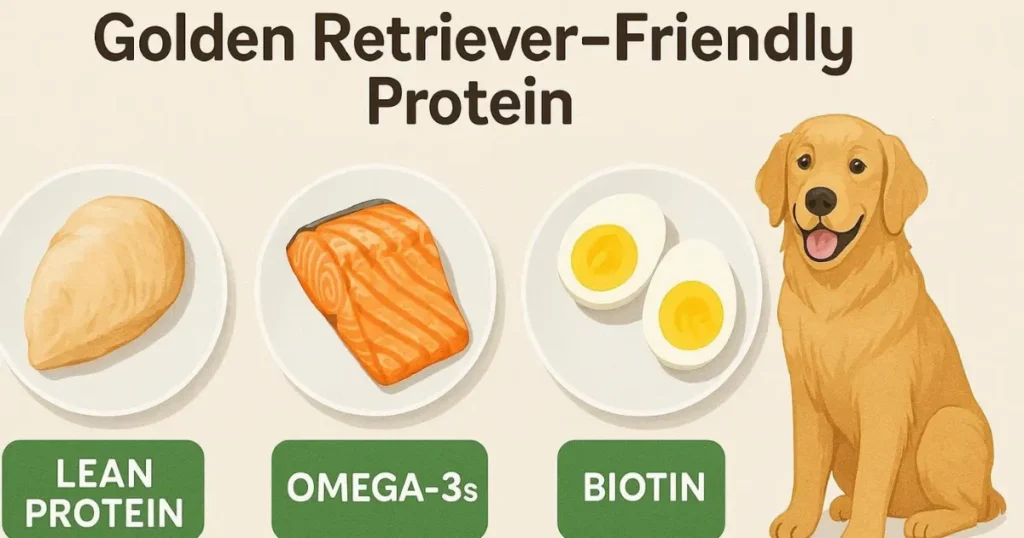
Chicken (Boneless, Skinless, Cooked).
Nutritional Benefits:
- Lean protein (31g protein per 100g).
- Low fat (3.6 g per 100g) – safe for pancreatitis-prone Golden Retrievers.
- B vitamins (niacin, B6) support metabolism.
- Selenium for thyroid function.
Best Uses:
- Digestive upset recovery (bland diet with rice).
- High-value training treats.
- Meal topper for picky eaters.
- Low-calorie protein supplementation.
Golden Retriever Portions:
- Training treats: 1-2 cubic inches per session.
- Meal topper: 2-4 ounces (10-15% of meal).
- Bland diet: 1/3 of a meal mixed with rice.
Preparation: Boiled or baked, no seasoning, no skin, NO BONES.
Salmon (Cooked, Boneless).
Nutritional Benefits:
- Omega-3 fatty acids (EPA/DHA) for joint health and coat quality.
- Complete protein (25g per 100g).
- Vitamin D for bone health.
- Astaxanthin (antioxidant from pink color).
Golden Retriever Joint Disease:
Omega-3s reduce inflammation in hips and elbows. 50-75mg EPA/DHA per kg bodyweight daily is recommended for arthritis. 3-4oz cooked salmon provides approximately 2,000 mg omega-3s.
Portions:
- Joint support: 3-4oz twice weekly for a 70-lb dog.
- Training treats: 1-inch cubes.
- Meal supplement: 2-3oz (10% of meal).
Critical:
Must be fully cooked (165 °F). Raw salmon can carry salmon poisoning disease (potentially fatal in the Pacific Northwest).
Eggs (Cooked).
Nutritional Benefits:
- Complete protein (6g per egg).
- Biotin for skin and coat health.
- Lutein for eye health.
- Choline for brain function.
- Riboflavin, selenium, B vitamins.
Human Foods Good for Dogs with Skin Issues:
Biotin in eggs supports skin barrier function and reduces Golden Retriever hot spots and allergic dermatitis.
Portions:
- Small dogs: 1/2 egg 2-3x weekly.
- Medium dogs: 1 egg 2-3x weekly.
- Golden Retrievers (60-80 lbs): 1-2 eggs 2-3x weekly.
Preparation:
Scrambled or hard-boiled, NO butter/oil/seasonings. Raw eggs NOT recommended (biotin inhibitor, Salmonella risk).
Vet’s Tip: Crush eggshells (after boiling to sterilize) into fine powder. 1/2 teaspoon provides 400mg of calcium – an excellent supplement for homemade diets or for dogs on calcium-restricted commercial foods. Store in a sealed jar and use within 2 weeks.
What Human Foods Are Good for Dogs: Vegetables for Health.
Vegetables provide fiber, vitamins, minerals, and antioxidants, supporting overall health:
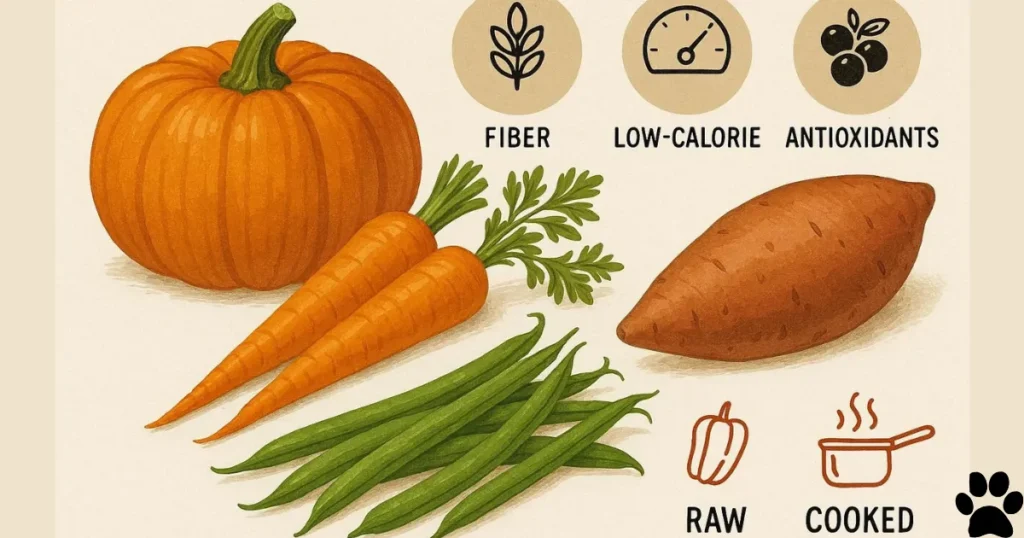
Pumpkin (Plain, Canned or Cooked).
Nutritional Benefits
- Soluble fiber regulating digestion.
- Beta-carotene (vitamin A precursor) for immune function.
- Potassium for heart health.
- Low calorie (50 calories per cup).
Digestive Benefits:
Helps BOTH diarrhea (absorbs water) AND constipation (adds bulk). Soluble fiber supports healthy gut bacteria.
Golden Retriever Portions:
- Small dogs: 1-2 tablespoons daily.
- Golden Retrievers: 2-4 tablespoons daily.
- Maximum: 1 cup per day for a 70-lb dog.
Critical:
Plain canned pumpkin ONLY. NOT pumpkin pie filling (contains sugar, spices, xylitol potentially).
Carrots (Raw or Cooked).
Nutritional Benefits:
- Beta-carotene for vision and immune health.
- Fiber (2.8 g per 100g).
- Low calorie (41 calories per 100g).
- Crunchy texture cleans teeth.
Best Uses:
- Low-calorie training treats (raw baby carrots).
- Weight management snacks.
- Dental cleaning (raw carrots).
- Meal supplement (cooked, mashed).
Portions:
- Baby carrots: 2-5 daily for Golden Retrievers.
- Large carrot: 1/2 to 1 daily.
- Cooked/mashed: 1/4 to 1/2 cup as meal topper.
Preparation: Raw (chopped to an appropriate size) or steamed. No seasonings.
Green Beans (Fresh, Frozen, or Canned No-Salt).
Nutritional Benefits:
- Very low calorie (31 calories per 100g).
- Fiber (3.4 g per 100g).
- Vitamin K for blood clotting.
- Manganese, vitamin C.
Weight Management:
“Green bean diet” replaces 25-50% of regular meals with green beans, maintaining fullness while dramatically reducing calories. Popular for overweight Golden Retrievers.
Portions:
- Weight management: Replace up to 50% of a meal.
- Supplement: 1/4 to 1/2 cup with meals.
- Training treats: Individual beans.
- Maximum: 2 cups daily for a 70-lb dog.
Preparation: Plain only – no salt, butter, or seasonings.
Sweet Potato (Cooked).
Nutritional Benefits:
- Complex carbohydrates for sustained energy.
- Fiber (3g per 100g).
- Beta-carotene and vitamin A.
- Potassium, manganese.
Best for:
Active Golden Retrievers needing energy, senior dogs with constipation, and dogs transitioning to a new diet.
Portions:
- Cooked, mashed: 1-3 tablespoons for a 70-lb dog.
- Cubed treats: 5-10 cubes.
- Maximum: 1/4 cup daily.
Preparation: Baked or boiled. NO butter, marshmallows, or brown sugar. Skin removed.
Human Foods for Dogs: Fruits with Antioxidant Benefits.
Fruits provide antioxidants that may reduce cancer risk in Golden Retrievers.
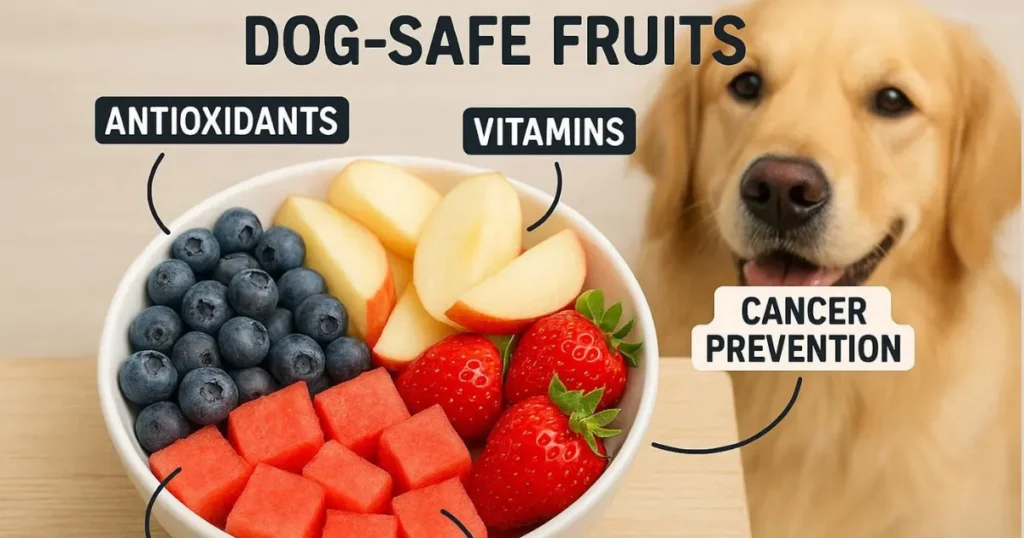
Blueberries.
Nutritional Benefits:
- Antioxidants (anthocyanins) with anti-cancer properties.
- Vitamin C for immune function.
- Fiber for digestion.
- Low calorie (57 calories per 100g).
Cancer Prevention:
Golden Retrievers have 60% lifetime cancer rate. Antioxidants may reduce oxidative damage, which contributes to cancer development.
Portions:
- Small dogs: 5-10 berries daily.
- Golden Retrievers: 10-20 berries daily.
- Training treats: 2-3 berries per session.
- Maximum: 1/4 cup daily for a 70-lb dog.
Preparation: Fresh or frozen (thawed). Wash thoroughly.
Apples (No Seeds/Core).
Nutritional Benefits:
- Fiber (2.4 g per 100g).
- Vitamin C.
- Polyphenols (antioxidants).
- Dental cleaning (crunchy texture).
Portions:
- Sliced treats: 3-5 slices daily.
- Chopped supplement: 1/4 cup.
- Maximum: 1/2 apple daily for a 70-lb dog.
Critical Safety:
REMOVE seeds and core. Apple seeds contain cyanogenic glycosides (cyanide precursor). Small amounts are not acutely toxic, but avoid cumulative exposure.
Preparation: Washed, cored, and sliced. Leave skin on for fiber.
Watermelon (Seedless, No Rind).
Nutritional Benefits:
- Hydration (92% water content).
- Lycopene (antioxidant).
- Vitamins A, B6, and C.
- Very low calorie.
Best Uses:
- Summer hydration treats.
- Post-exercise refreshment for active Golden Retrievers.
- Low-calorie snacks.
Portions:
- Cubed: 5-10 cubes.
- Maximum: 1 cup daily for a 70-lb dog.
Preparation:
Remove the rind (to reduce the risk of digestive obstruction) and the seeds. Cut into appropriate pieces.
Definitive Statements on Human Foods for Dogs.
In veterinary nutrition, many human foods provide legitimate nutritional benefits for Golden Retrievers when fed appropriately. Plain cooked salmon offers omega-3 fatty acids that reduce joint inflammation, eggs provide biotin to support skin health, and pumpkin supplies fibre to regulate digestion – all addressing common Golden Retriever health challenges more effectively than many commercial supplements.
Human foods are good for dogs serves specific nutritional purposes beyond “treats.” Low-calorie green beans support weight management in obesity-prone Golden Retrievers, antioxidant-rich blueberries may reduce cancer risk in breeds with 60% lifetime cancer rates, and lean chicken provides easily digestible protein during digestive upset recovery when commercial foods may be poorly tolerated.
Understanding what human foods are good for dogs requires portion control based on calorie content and dog size. “Small amounts” for a Chihuahua (2-3 blueberries) versus a Golden Retriever (15-20 blueberries) represent identical 10% treat calorie ratios despite dramatically different volumes. Generic “moderation” advice fails without specific portion numbers accounting for breed size.
Human foods for dogs can become dangerous during preparation, not because of the base ingredient. Plain cooked chicken is excellent; chicken with a garlic marinade or chicken bones becomes toxic. Fresh apples benefit health – apple seeds contain cyanide. Cooked sweet potato provides energy – butter-topped sweet potato casserole triggers pancreatitis. Safety depends on preparation as much as ingredient selection.
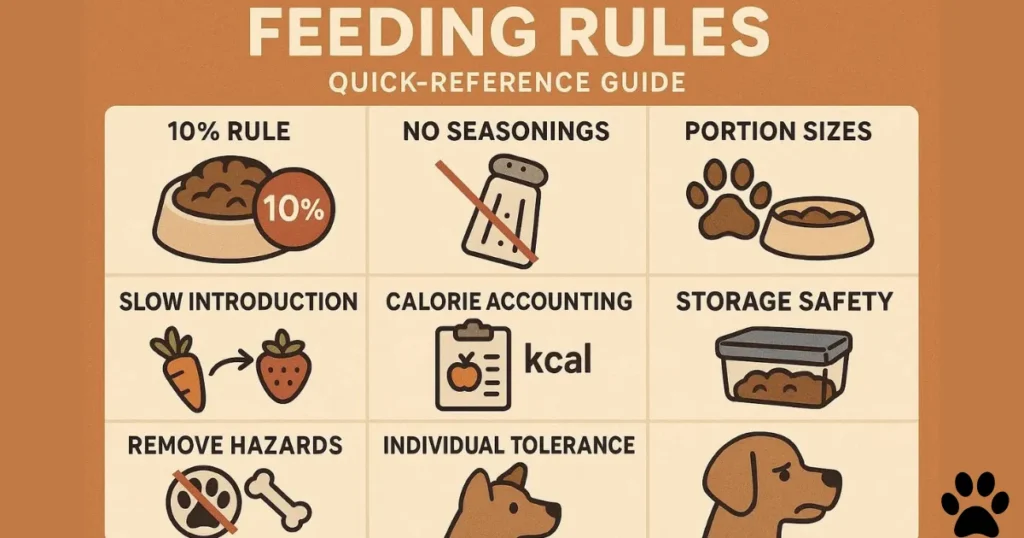
8 Golden Rules for Feeding Human Foods to Dogs.
Rule 1: The 10% Treat Rule.
All human foods combined should comprise no more than 10% of daily calories.
- 70-lb Golden Retriever: 1,800 calories daily = 180 treat calories maximum.
- 1 cup chicken breast = 230 calories (EXCEEDS daily treat allowance).
- 10 baby carrots = 40 calories.
- 15 blueberries = 12 calories.
- 2 tablespoons pumpkin = 10 calories.
Track total daily treat calories from ALL sources.
Rule 2: Never Seasoned or Prepared for Humans.
Avoid:
- Salt, pepper, garlic, onion, butter, oil.
- Sauces, marinades, dressings.
- Sugar, artificial sweeteners (especially xylitol).
Prepare separately: Plain boiled, baked, or steamed.
Rule 3: Proper Portion Sizes by Dog Weight.
Use this quick reference:
- 10-20 lbs: 1-2 tablespoons or equivalent.
- 20-40 lbs: 2-4 tablespoons.
- 40-60 lbs: 1/4 cup.
- 60-80 lbs (Golden Retrievers): 1/4 to 1/2 cup or equivalent.
- 80-100 lbs: 1/2 cup.
Rule 4: Introduce New Foods Slowly.
Protocol:
- Day 1-2: Very small amount (1 teaspoon).
- Monitor for vomiting, diarrhea, and allergic reactions.
- Day 3-4: Increase to full portion if tolerated.
- Some dogs show delayed reactions (24-48 hours).
Rule 5: Account for Calorie Reduction in Meals.
If feeding substantial amounts of human food, reduce the proportion of commercial food accordingly.
- 100 calories from chicken = reduce kibble by 1/4 to 1/3 cup (depending on food).
- Otherwise, the dog gains weight from excess total calories.
Rule 6: Refrigeration and Storage Safety.
Human food for dogs follows the same safety standards as human consumption.
- Cooked chicken/salmon: 3-4 days refrigerated.
- Hard-boiled eggs: 1 week refrigerated.
- Cooked vegetables: 3-5 days refrigerated.
- Fruits: Follow standard storage guidelines.
Rule 7: No Bones, Seeds, Pits, or Cores.
Always remove:
- Cooked bones (any type).
- Apple seeds and cores.
- Watermelon rind.
- Any choking hazards.
Rule 8: Observe Individual Tolerance.
Some dogs react to typically-safe foods:
- Lactose intolerance (dairy).
- Food sensitivities (beef, chicken).
- Digestive upset (too much fiber).
Watch YOUR dog’s response, not just general guidelines.
What human foods are good for dogs to eat daily?
Human foods safe daily: plain cooked chicken (lean protein), carrots (low-calorie fiber), green beans (weight management), blueberries (antioxidants), pumpkin (digestive health). Keep the combined total under 10% daily calories. For 70-lb Golden: 2-3oz chicken OR 1/4 cup vegetables daily.
What human foods are good for dogs with sensitive stomachs?
Human foods good for dogs with sensitive stomachs: plain boiled chicken, white rice, plain pumpkin, cooked sweet potato, and hard-boiled eggs. These are easily digestible, low-fat, and gentle on GI systems. Start with chicken and rice, and gradually add others if tolerated.
What human foods for dogs help with weight loss?
Weight loss human foods: green beans (very low calorie, high fiber), carrots (low calorie crunch), plain pumpkin (filling, low calorie), air-popped popcorn unsalted (volume without calories). Replace 25-50% of the meal with green beans to maintain fullness while reducing calories.
Can Golden Retrievers eat the same human foods as small dogs?
Yes, but portions differ dramatically. A Chihuahua’s “small amount” (2-3 blueberries) versus a Golden Retriever’s (15-20 berries) represents identical 10% treat calorie ratios. Same foods, different volumes accounting for the size difference. Calculate portions by weight, not generic “small amounts.”
What human foods are good for dogs with joint problems?
Joint-supporting foods: cooked salmon (omega-3 EPA/DHA reduces inflammation), sardines (omega-3s), eggs (protein without fat stressing joints), blueberries (antioxidants). 50-75mg omega-3 per kg bodyweight daily. For a 70-lb dog: 3-4oz of salmon twice weekly, or a daily fish oil supplement.
What human foods are good for dogs as training treats?
Best training treats: small chicken pieces (high value, low calorie), baby carrots (crunch, very low calorie), blueberries (tiny, individual pieces), and green beans (essentially calorie-free). Avoid cheese/hot dogs (high fat/sodium). Need tiny portions, given frequently during training.
What human foods for dogs provide protein without fat?
Low-fat proteins: boneless skinless chicken breast (3% fat), boneless skinless turkey breast (2% fat), white fish like cod (1-3% fat), egg whites only (nearly zero fat). Critical for pancreatitis-prone Golden Retrievers. Avoid chicken thighs (15% fat), salmon (12% fat if fatty cuts).
Can dogs eat human food every day safely?
Yes, if: keeps total calories under 10% of daily calories, makes nutritionally appropriate choices, uses proper portions, and accounts for calories by reducing meal portions proportionally. Many dogs benefit from daily small amounts of vegetables, lean proteins, or fruits. Becomes unsafe when replacing balanced dog food entirely.
What human foods are good for dogs with allergies?
Novel proteins for allergies: rabbit, venison, duck (if dog hasn’t eaten before). Safe additions: sweet potato (hypoallergenic carb), pumpkin (gentle fiber), blueberries (low allergen risk). Avoid: beef, chicken, dairy (common allergens). Introduce one food at a time, monitor reactions for 2 weeks.
What are the healthiest human foods for dogs overall?
Healthiest overall: plain cooked chicken (lean protein), salmon (omega-3s), eggs (complete protein, biotin), pumpkin (digestive health), blueberries (antioxidants), carrots (low-calorie fiber), green beans (weight management), and sweet potato (complex carbs). Rotate variety for balanced nutritional supplementation.
How much human food can Golden Retrievers eat?
Golden Retrievers (60-80 lbs) can eat 10% of daily calories from human food: approximately 160-200 calories = 2-4oz cooked chicken OR 1/2 cup vegetables OR 20-30 blueberries OR combination totaling 160-200 calories. Track all sources to stay under 10% at all times.
What human foods for dogs are best for coat health?
Coat-supporting foods: salmon (omega-3s for shine), eggs (biotin for strength), sardines (omega-3s), coconut oil 1tsp daily (MCT fatty acids). Omega-3 EPA/DHA is the most important. 50-75mg per kg bodyweight. For a 70-lb dog: 1,500-2,400 mg daily from fish or supplement.
Can puppies eat the same human foods as adult dogs?
Puppies can eat the same safe human foods, but they need higher protein ratios. Appropriate: chicken, salmon, eggs, pumpkin, carrots. Portions are smaller (puppy size + kibble already high calorie). Avoid: anything requiring strong teeth (hard raw carrots), and excessive treats that interfere with growth nutrition.
What people food helps dogs with diarrhea?
Diarrhea recovery foods: plain boiled chicken (easily digestible protein), white rice (binding carb), plain pumpkin (soluble fiber absorbs water), cooked sweet potato (gentle carb). Feed small, frequent meals. Bland diet: 1/3 boiled chicken + 2/3 rice for 24-48 hours, gradually reintroduce regular food.
What human foods are good for senior dogs?
Senior-appropriate foods: easily digestible proteins (chicken, fish, eggs), pumpkin (fiber for constipation), blueberries (antioxidants), sweet potato (gentle energy), salmon (anti-inflammatory omega-3s for aging joints). Softer textures for dental issues. Lower portions due to reduced metabolism and activity.
Conclusion.
Understanding what human foods are good for dogs transforms feeding from anxiety about dangers into strategic nutritional supplementation. Human foods for dogs serve specific health purposes: omega-3-rich salmon reduces joint inflammation in arthritis-prone Golden Retrievers; biotin-containing eggs support skin barrier function in allergy-prone dogs; fibre-packed pumpkin regulates digestion; and antioxidant-rich blueberries may reduce cancer risk in breeds with 60% lifetime cancer rates.
Critical human foods for dogs include lean proteins (chicken breast, turkey breast, eggs), vegetables (carrots, green beans, pumpkin, sweet potato), and fruits (blueberries, apples, watermelon) – all providing vitamins, minerals, protein, and fiber supporting overall health when fed in appropriate portions. The key is maintaining the 10% treat rule: for a 70-pound Golden Retriever consuming 1,800 daily calories, human foods should not exceed 180 calories combined – approximately 2-4 ounces cooked chicken, one-half cup vegetables, or 20-30 blueberries daily.
Safety depends on preparation as much as ingredient selection. Plain cooked chicken benefits health – chicken with a garlic marinade becomes toxic. Fresh apples provide antioxidants – apple seeds contain cyanide. Cooked salmon supports joints – cooked salmon bones cause perforation. Every safe food requires proper preparation: no seasonings, no dangerous additives, no bones/seeds/pits, appropriate cooking when needed, and correct portion sizes based on dog weight.
The most important principle is that human foods supplement rather than replace balanced commercial dog food. They provide variety, high-value training rewards, targeted nutritional benefits, and bonding opportunities – but should never exceed 10% of daily calories or compromise the complete and balanced nutrition that quality dog food provides.
What Human Foods Does Your Golden Retriever Love?
Share your experiences with safe human foods that benefit your Golden Retriever’s health.
- Which foods work as training treats?
- What helps with specific health issues?
- Any preparation tips or portion sizes you’ve learned?
Tell us what works in comments or tag #GoldenRetrieverNutrition and #SafeHumanFood.