
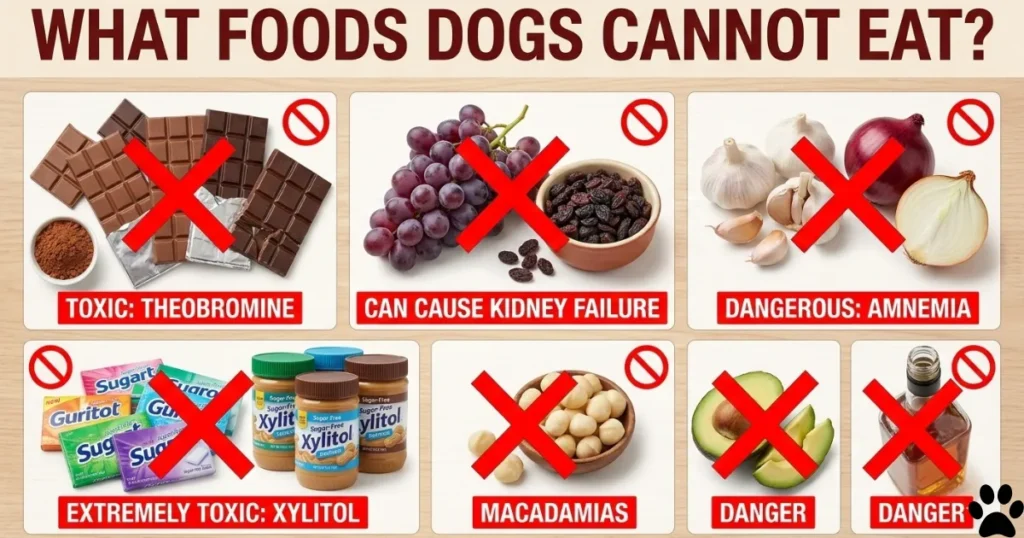
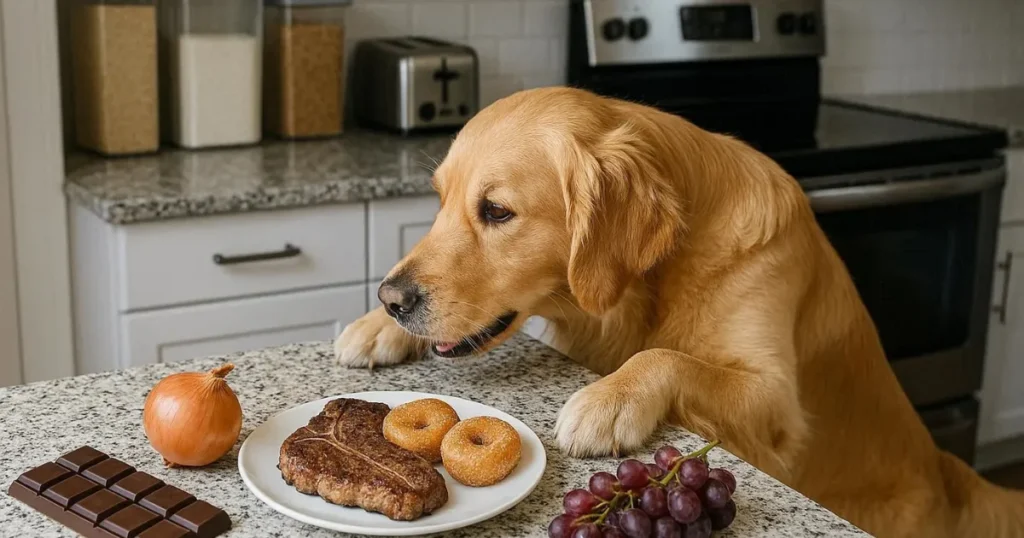
Knowing what can dogs not eat saves lives – I’ve treated too many Golden Retrievers in emergency toxicity situations that were completely preventable with proper knowledge. The challenge is that dangerous foods often seem harmless to owners: grapes sitting in fruit bowls, sugar-free gum in purses, chocolate chips in pantries. Golden Retrievers’ enthusiastic appetite combined with their counter-surfing abilities creates a constant exposure risk to foods that cause organ failure, seizures, or death from surprisingly small amounts.
Golden Retrievers face greater risks of toxic foods than selective eaters. Their indiscriminate eating habits mean they’ll consume entire containers rather than sample, their large size allows access to high countertops and tables, and their food motivation drives them to actively seek out items that smell appealing regardless of safety. Additionally, toxic dose calculations matter – the amount causing mild symptoms in a 15-pound dog can be lethal for a 75-pound Golden Retriever due to total toxin load consumed.
This guide provides definitive answers on what can dogs not eat, organized by toxicity severity from immediately life-threatening to moderately dangerous, explains the mechanisms behind each toxin and why these foods harm dogs differently than humans, details emergency protocols with specific timelines when dangerous foods are consumed, and addresses Golden Retriever-specific risks, including breed predispositions that amplify certain toxic effects.
Contents
- 1 What Can Dogs Not Eat: Immediately Life-Threatening Foods
- 2 What Foods Can Dogs Not Eat: Severe Danger Category.
- 3 Definitive Statements on Canine Food Toxicity.
- 4 Emergency Protocol: What to Do When Dogs Eat Forbidden Foods.
- 5 7 Golden Retriever-Specific Toxic Food Risks.
- 5.1 1. Counter-Surfing Access to Dangerous Items.
- 5.2 2. Indiscriminate Eating Habits.
- 5.3 3. Pancreatitis Predisposition from Fatty Foods.
- 5.4 4. Bloat Risk From Fermentable Items.
- 5.5 5. Size-Based Toxic Dose Miscalculations.
- 5.6 6. Swimming and Water Access.
- 5.7 7. Hunting and Field Activity Exposure.
- 5.8 What can dogs not eat that most owners don’t know about?
- 5.9 What foods can dogs not eat from the grocery store?
- 5.10 What can dogs absolutely not eat under any circumstances?
- 5.11 What human foods can dogs not eat, even in small amounts?
- 5.12 What can large dogs like Golden Retrievers not eat?
- 5.13 What treats can dogs not eat from pet stores?
- 5.14 What table scraps can dogs not eat?
- 5.15 What vegetables can dogs not eat at all?
- 5.16 What fruits can dogs not eat due to toxicity?
- 5.17 What can dogs not eat that causes kidney failure?
- 5.18 What sweeteners can dogs not eat besides xylitol?
- 5.19 What foods can dogs not eat that cause seizures?
- 5.20 What can senior dogs not eat due to health risks?
- 5.21 What can puppies not eat that differs from adults?
- 5.22 What can dogs not eat that causes immediate symptoms?
- 6 Conclusion.
What Can Dogs Not Eat: Immediately Life-Threatening Foods
What can dogs eat and not eat? These foods require emergency veterinary care within minutes to hours of consumption:
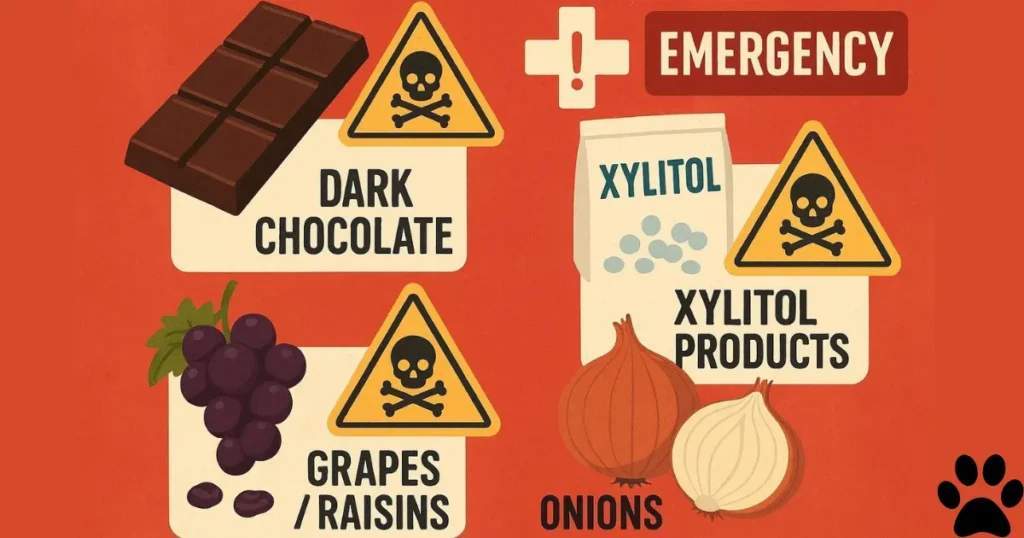
Chocolate – Theobromine and Caffeine Toxicity
Why Dogs Cannot Eat It: Chocolate contains methylxanthines (theobromine and caffeine) that dogs metabolize 3-4 times slower than humans. These compounds accumulate to toxic levels, causing cardiac and neurological problems.
Toxicity Levels by Type:
- Baking chocolate: Most dangerous – 450mg theobromine per ounce
- Dark chocolate: 160mg theobromine per ounce
- Milk chocolate: 60mg theobromine per ounce
- White chocolate: Minimal theobromine but high fat content
Toxic Dose for 70-lb Golden Retriever:
- Mild symptoms: 2-3 ounces dark chocolate
- Severe symptoms: 4-6 ounces of dark chocolate
- Potentially lethal: 8+ ounces dark chocolate
Symptoms:
Vomiting, diarrhea, increased heart rate, tremors, seizures, and hyperthermia. Appear 6-12 hours post-consumption.
Action Required:
Emergency veterinary care immediately. Treatment within 2 hours dramatically improves outcomes.
Xylitol – Artificial Sweetener Causing Hypoglycemia
Why Dogs Cannot Eat It:
Xylitol triggers massive insulin release in dogs (not humans), causing blood sugar to plummet within 15-30 minutes. Higher doses cause acute liver failure.
Hidden Sources:
- Sugar-free gum and mints
- Peanut butter (increasing brands).
- Baked goods and desserts.
- Medications and supplements.
- Toothpaste and mouthwash.
Toxic Dose:
0.1 g/kg body weight causes hypoglycemia. A 70-lb (32kg) dog experiences toxicity from just 3.2 grams – equivalent to 2-3 pieces of xylitol gum.
Symptoms:
Weakness, lethargy, collapse, seizures within 30 minutes. In severe cases, liver failure develops 12-24 hours later.
Action Required:
IMMEDIATE emergency care. Every minute matters with xylitol toxicity.
Grapes and Raisins – Idiopathic Kidney Failure.
Why Dogs Cannot Eat Them:
An unknown compound in grapes and raisins causes acute kidney failure in dogs. The toxic substance hasn’t been identified, making all varieties dangerous.
No Safe Dose Exists:
Reactions are idiosyncratic – some dogs tolerate small amounts, while others experience kidney failure from 4-5 grapes. Golden Retrievers should never consume any amount.
Symptoms:
Vomiting within 12 hours, lethargy, decreased urination, and abdominal pain. Kidney failure develops 24-72 hours post-consumption.
Action Required:
Emergency care within hours. Induced vomiting and aggressive fluid therapy prevent kidney damage if caught early.
Onions and Garlic – Hemolytic Anemia.
Why Dogs Cannot Eat Them:
All allium family members (onions, garlic, leeks, chives, shallots) contain n-propyl disulfide compounds that damage red blood cells, causing hemolytic anemia.
Cumulative Toxicity:
Unlike acute toxins, allium damage accumulates over time. Small daily doses cause more harm than a single large dose due to ongoing red blood cell destruction.
Toxic Dose:
- Onions: 5g per kg bodyweight (3.5 ounces for a 70-lb dog).
- Garlic: 15-30g per kg (more concentrated than onions).
- Garlic powder: Highly concentrated – especially dangerous.
Symptoms:
Weakness, pale gums, red/brown urine, vomiting, diarrhea. Symptoms appear 1-5 days after consumption as anemia develops.
Action Required:
Veterinary evaluation within 24 hours for large amounts. Monitoring is required for cumulative exposure.
What Foods Can Dogs Not Eat: Severe Danger Category.
These foods cause serious harm requiring veterinary intervention:
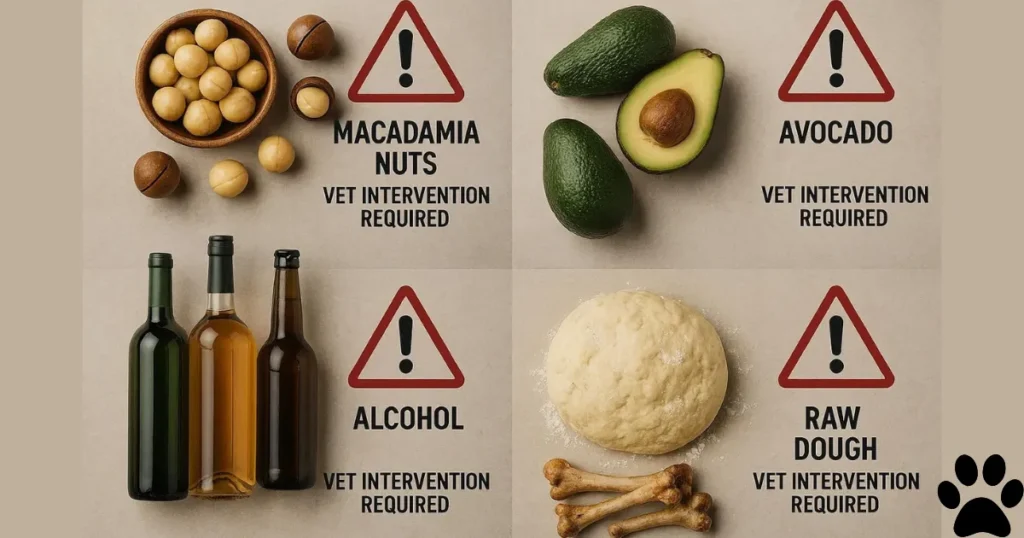
Macadamia Nuts.
Toxicity Mechanism:
Unknown compound causes weakness, vomiting, hyperthermia, and tremors in dogs. Effects appear within 12 hours.
Toxic Dose:
6-40 nuts, depending on dog size. A 70-lb Golden Retriever shows symptoms from 20-30 macadamia nuts.
Duration:
Symptoms last 12-48 hours. Most dogs recover fully with supportive care.
Alcohol and Ethanol-Containing Products.
Why Extremely Dangerous:
Dogs have dramatically lower alcohol tolerance than humans. Even small amounts cause dangerous intoxication, respiratory depression, and death.
Sources Beyond Beverages:
- Raw yeast dough (ferments in the stomach, producing alcohol).
- Rotting/fermenting fruits.
- Rum-soaked cakes and desserts.
Toxic Dose:
1 teaspoon of 40% alcohol per kg bodyweight can be lethal. A 70-lb dog can die from 4-5 ounces of vodka.
Avocados.
Toxin:
Persin is present in fruit, leaves, bark, and pits. Causes vomiting and diarrhea in dogs. Large amounts cause respiratory distress.
Additional Risk:
A large pit poses a choking and intestinal obstruction hazard for Golden Retrievers who swallow items whole.
Raw Yeast Dough.
Dual Toxicity:
Dough expands in a warm, moist stomach environment, causing painful bloat and potentially life-threatening gastric dilatation-volvulus (GDV). Fermentation produces alcohol, compounding toxicity.
Time-Critical:
Expansion begins within 30 minutes. GDV requires emergency surgery.
Cooked Bones.
Why Never Feed: Cooking makes bones brittle. They splinter into sharp fragments, causing:
- Oral lacerations.
- Esophageal perforation.
- Intestinal obstruction.
- Intestinal perforation requiring emergency surgery.
Most Dangerous: Chicken, turkey, pork, and rib bones. Never feed cooked bones of any type.
Definitive Statements on Canine Food Toxicity.
In veterinary toxicology, there is no safe dose for grapes, raisins, or xylitol in dogs. These substances cause idiosyncratic reactions where even tiny amounts trigger life-threatening organ failure, making complete avoidance the only safe approach for Golden Retrievers.
Chocolate toxicity severity depends on theobromine concentration, with baking chocolate containing 7-8 times more theobromine than milk chocolate. A 70-pound Golden Retriever consuming 2-3 ounces of baking chocolate requires emergency intervention within 2 hours to prevent cardiac arrest and seizures.
Onion and garlic toxicity operate through cumulative red blood cell damage rather than acute poisoning. Small daily amounts cause more severe anemia than single large doses because ongoing cell destruction prevents bone marrow from compensating with new red blood cell production.
Golden Retrievers’ tendency to consume entire containers rather than sample means toxic doses often exceed those affecting smaller or more selective breeds. A Golden eating an entire bag of chocolate chips consumes multiples of the lethal dose compared to a dog that nibbles one chip.
Vet’s Tip: Program Pet Poison Helpline into your phone now. When seconds count during toxicity emergencies, fumbling to find the number wastes critical intervention time. Consultation fees apply, but are minimal compared to emergency vet bills.
Emergency Protocol: What to Do When Dogs Eat Forbidden Foods.
Time-sensitive response when Golden Retrievers consume toxic items:
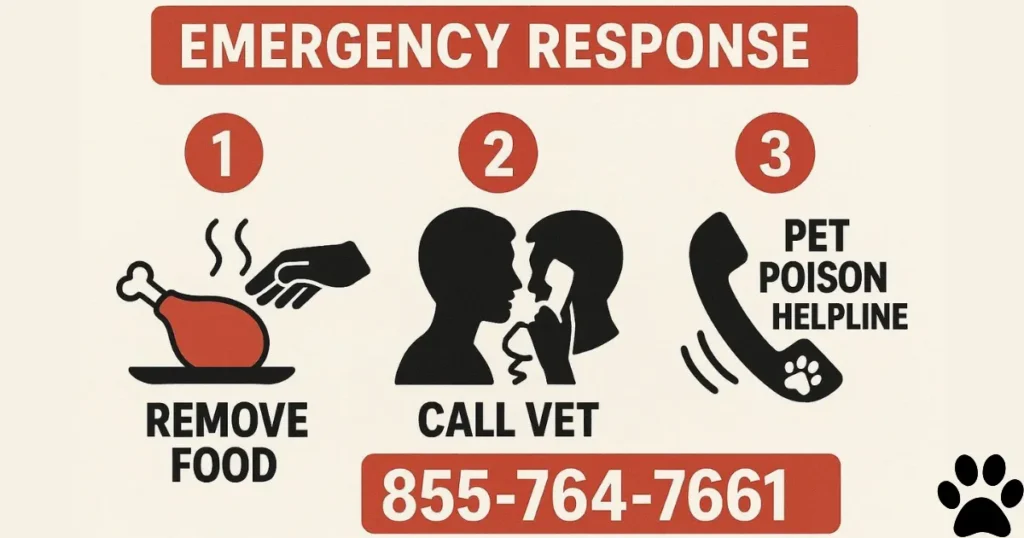
Immediate Actions (0-5 Minutes).
- Remove remaining food source – Prevent additional consumption.
- Note exact food type and amount – “Half a bag of dark chocolate chips” vs “some chocolate”.
- Record time of consumption – Precise timing guides treatment decisions.
- Check dog’s current status – Conscious? Breathing normally? Vomiting already?
- Call a veterinarian or Pet Poison Helpline immediately – Do NOT wait for symptoms.
Do NOT Induce Vomiting Without Veterinary Approval.
- Xylitol (too rapid absorption – may already be in bloodstream).
- Alcohol (aspiration risk outweighs benefits).
- Bones (can cause more damage coming back up).
- Caustic substances (burned the esophagus twice).
- Unconscious or seizing dogs.
When Vomiting Is Beneficial (With Vet Approval):
- Chocolate consumed within the past 2 hours.
- Grapes/raisins consumed within the past 2 hours.
- Large amounts of fatty foods (pancreatitis prevention).
- Other foods where the benefits outweigh the risks.
Veterinary Treatment Options Explained.
Activated Charcoal:
Binds toxins in the stomach/intestines, preventing absorption. Effective for chocolate, grapes, and onions. Must be given within 4-6 hours of consumption.
Intravenous Fluids:
Supports kidney function (grapes), promotes toxin elimination, and maintains blood pressure.
Hospitalization:
Required for severe cases. Monitoring includes heart rate, blood pressure, kidney function, and blood sugar levels.
7 Golden Retriever-Specific Toxic Food Risks.
1. Counter-Surfing Access to Dangerous Items.
Golden Retrievers easily reach items 3-4 feet high. Chocolate, baked goods, and medication bottles left on counters become accessible. Store ALL food in closed cabinets or 5+ feet high.
2. Indiscriminate Eating Habits.
Unlike selective eaters, Golden Retrievers consume without tasting first. They’ll eat entire containers, including packaging. This trait amplifies toxic doses dramatically.
3. Pancreatitis Predisposition from Fatty Foods.
Golden Retrievers have a higher rate of pancreatitis than many breeds. Fatty table scraps trigger acute pancreatitis requiring hospitalization even if not technically “toxic.”
4. Bloat Risk From Fermentable Items.
Deep-chested Golden Retrievers face elevated gastric dilatation-volvulus (GDV) risk. Foods that expand (such as raw dough) or ferment (such as rotting produce) increase the risk of bloat.
5. Size-Based Toxic Dose Miscalculations.
Owners see “small amount” differently for large dogs. “Just a few grapes” for a Chi might be 15-20 grapes for a Golden – well into the toxic range for their body weight.
6. Swimming and Water Access.
Golden Retrievers love water. Stagnant pond water with rotting fruit, algae blooms, or dead animals presents toxicity risks beyond traditional “foods dogs cannot eat.”
7. Hunting and Field Activity Exposure.
Working Golden Retrievers encounter wild mushrooms, carrion, and agricultural chemicals. Field training environments require heightened vigilance regarding toxic plant and animal materials.
What can dogs not eat that most owners don’t know about?
Dogs cannot eat xylitol (found in peanut butter, gum), macadamia nuts, raw yeast dough, or nutmeg. These hidden dangers surprise owners who don’t realize sugar-free products, homemade bread dough, and spice racks contain life-threatening toxins.
What foods can dogs not eat from the grocery store?
Dogs cannot eat grapes, raisins, chocolate, xylitol products (sugar-free sections), onions, garlic, avocados, or macadamia nuts available at grocery stores. Sugar-free peanut butter increasingly contains xylitol – always check labels before purchasing.
What can dogs absolutely not eat under any circumstances?
Dogs absolutely cannot eat chocolate, grapes, raisins, xylitol (any amount), onions, garlic, macadamia nuts, alcohol, or cooked bones. These lack safe dose thresholds – even tiny amounts trigger life-threatening toxicity requiring emergency veterinary intervention.
What human foods can dogs not eat, even in small amounts?
Dogs cannot eat even small amounts of: xylitol (2-3 pieces of gum causes toxicity), grapes/raisins (4-5 grapes trigger kidney failure), dark chocolate (2oz causes severe symptoms), onions/garlic (cumulative toxicity), or macadamia nuts (20-30 nuts cause symptoms).
What can large dogs like Golden Retrievers not eat?
Large Golden Retrievers cannot eat the same toxic foods as small dogs – chocolate, grapes, xylitol, onions, garlic, macadamia nuts, and alcohol. However, their size means they often consume larger total amounts, increasing the toxic dose beyond small-breed thresholds.
What treats can dogs not eat from pet stores?
Most commercial pet treats are safe, but dogs cannot eat treats containing xylitol, chocolate coatings, raisins, or onion/garlic powder. Always read ingredient labels – even “natural” pet treats sometimes contain dangerous additives, or imported jerky treats that have been recalled for safety reasons.
What table scraps can dogs not eat?
Dogs cannot eat table scraps containing: fatty meats (bacon, sausage trigger pancreatitis), bones (splinter/obstruct), onions/garlic (in seasoning), grapes (in salads), chocolate desserts, alcohol-soaked foods, or heavily seasoned dishes with dangerous spices.
What vegetables can dogs not eat at all?
Dogs cannot eat onions, garlic, leeks, chives, or shallots (all allium vegetables cause anemia). Avoid raw potatoes and tomato plants (green parts contain solanine). Most other vegetables are safe when plain – those that are toxic are primarily members of the allium family.
What fruits can dogs not eat due to toxicity?
Dogs cannot eat grapes, raisins, cherries (pits contain cyanide), or fruit with pits/seeds (apple seeds, apricot pits contain cyanide compounds). Citrus fruits and peels cause stomach upset. Remove all seeds, pits, and cores before feeding any fruit.
What can dogs not eat that causes kidney failure?
Grapes and raisins cause acute kidney failure in dogs. An unknown compound triggers an idiosyncratic kidney shutdown – even 4-5 grapes can be lethal for Golden Retrievers. Large amounts of Easter lilies (if ingested) also cause kidney failure, though this affects cats more severely.
What sweeteners can dogs not eat besides xylitol?
Dogs cannot eat xylitol (most dangerous), but should also avoid excessive sorbitol, mannitol, and erythritol (sugar alcohols causing digestive upset). Artificial sweeteners like saccharin and aspartame aren’t highly toxic but provide no nutritional value and should be avoided.
What foods can dogs not eat that cause seizures?
Chocolate (theobromine causes tremors/seizures), xylitol (hypoglycemia-induced seizures), caffeine, and certain mushrooms cause seizures in dogs. Tremorgenic mycotoxins in moldy food and compost also trigger neurological symptoms, including seizures.
What can senior dogs not eat due to health risks?
Senior dogs cannot eat the same toxic foods as younger dogs – chocolate, grapes, xylitol, onions, and garlic. Additionally, elderly Golden Retrievers should avoid high-sodium foods (heart disease), fatty treats (pancreatitis), and hard bones (dental fractures due to weakened teeth).
What can puppies not eat that differs from adults?
Puppies cannot eat all foods adult dogs avoid – chocolate, grapes, xylitol, onions, garlic, and macadamia nuts. Additionally, avoid cow’s milk (can cause digestive upset), adult dog food (can have incorrect nutrient ratios), small bones (can cause choking), and hard treats (can cause tooth fractures during development).
What can dogs not eat that causes immediate symptoms?
Xylitol causes symptoms within 15-30 minutes (weakness, collapse, seizures). Chocolate shows effects in 6-12 hours. Grapes/raisins cause vomiting within 12 hours. Alcohol causes immediate intoxication. Foods with a rapid onset require IMMEDIATE emergency care – minutes matter critically.
Conclusion.
Understanding what can dogs not eat prevents the emergency toxicity situations I treat weekly where Golden Retrievers have consumed chocolate, grapes, xylitol, or other dangerous foods. Foods dogs absolutely cannot eat include chocolate (causes seizures and cardiac problems), grapes and raisins (cause kidney failure), xylitol (causes hypoglycemia and liver failure), onions and garlic (cause anemia), macadamia nuts (cause weakness and tremors), alcohol (causes intoxication and death), and cooked bones (cause obstruction and perforation).
The question “what foods can dogs not eat?” has definitive answers backed by veterinary toxicology. No safe dose exists for grapes, raisins, or xylitol – even tiny amounts trigger organ failure. Chocolate toxicity depends on type, with baking chocolate containing 7-8 times more theobromine than milk chocolate. A 70-pound Golden Retriever consuming just 2-3 ounces of dark chocolate requires emergency intervention within hours.
Golden Retrievers face heightened toxic food risks due to their indiscriminate eating habits (consumption of entire containers), counter-surfing (access to high surfaces), and size-based miscalculations (owners underestimate toxic doses for large dogs). Their predisposition to pancreatitis makes fatty table scraps especially dangerous, even if not technically toxic.
When toxic food consumption occurs, immediate action is critical. Call your veterinarian or Pet Poison Helpline (855-764-7661) within minutes, identify exactly what was eaten and how much, and follow professional guidance about inducing vomiting versus rushing to emergency care. Treatment within 2 hours for chocolate or xylitol dramatically improves outcomes – waiting for symptoms wastes precious intervention time that determines survival.
Have You Experienced Toxic Food Emergencies With Your Golden Retriever?
Share your story to help other owners recognize dangers and respond quickly to food toxicity situations. Your experience could save another Golden Retriever’s life.
- What happened?
- How did you respond?
- What would you tell other Golden Retriever owners about preventing toxic food exposure?
Comment below or tag us with #GoldenRetrieverSafety and #ToxicFoodAwareness.

Dr. Nabeel A.
Hi, I’m Dr. Nabeel Akram – a farm management professional by trade and a passionate Golden Retriever enthusiast at heart. With years of experience in animal science and livestock care, I’ve built a career around understanding animals—how they live, thrive, and bring value to our lives. This blog is a personal project born from that same passion, focusing on one of the most loyal and lovable breeds out there: the Golden Retriever. Whether I’m managing farm operations or sharing insights on canine health, behavior, and care, it all ties back to one core belief—animals deserve thoughtful, informed, and compassionate attention. Welcome to a space where professional expertise meets genuine love for dogs.
Facebook |
Links will be automatically removed from comments.