

Finding the best dog food for itchy dogs transforms the quality of life for Golden Retrievers and their owners. I’ve worked with countless Golden Retrievers suffering from chronic itching, and the right nutritional approach consistently produces dramatic improvements that medications alone cannot achieve.
Golden Retrievers face unique challenges with itchy skin due to genetic predisposition to atopic dermatitis, food sensitivities, and environmental allergies. Their thick coats trap allergens and moisture against the skin, creating perfect conditions for inflammation and secondary infections. What makes nutrition so powerful is that food influences the inflammation systemically – reducing triggers from within rather than just treating surface symptoms.
The best dog food for itchy dogs addresses multiple factors: eliminating common allergenic proteins, providing anti-inflammatory omega-3 fatty acids, supporting skin barrier function, and maintaining digestive health that influences systemic inflammation. This guide evaluates top formulas for itchy Golden Retrievers, explains which ingredients matter most, and provides clear recommendations based on different underlying causes of itching.
Contents
- 1 Why Golden Retrievers Get Itchy: Understanding Root Causes
- 2 8 Key Ingredients in the Best Dog Food for Itchy Dogs
- 3 Top 7 Best Dog Food for Itchy Dogs: Veterinary Picks
- 3.1 1. Hill’s Prescription Diet Derm Defense
- 3.2 2. Royal Canin Veterinary Diet Hydrolyzed Protein HP.
- 3.3 3. Purina Pro Plan Veterinary Diets HA Hydrolyzed.
- 3.4 4. Natural Balance L.I.D. Limited Ingredient Diets (Duck & Potato).
- 3.5 Why It’s Best:
- 3.6 5. Zignature Limited Ingredient Formula (Kangaroo).
- 3.7 6. Wellness CORE Grain-Free Ocean Formula.
- 3.8 7. Blue Buffalo Basics Limited Ingredient Grain-Free (Salmon & Potato).
- 4 Definitive Statements on Food and Itchy Skin.
- 5 How to Transition to New Food for Itchy Dogs.
- 6 6 Mistakes Owners Make Choosing the Best Dog Food for Itchy Dogs.
- 7 Supporting Supplements for Itchy Golden Retrievers.
- 8 When Food Alone Isn’t Enough.
- 8.1 What is the best dog food for itchy dogs with allergies?
- 8.2 How long will it take itchy dogs to improve on the new food?
- 8.3 Do grain-free foods help itchy dogs?
- 8.4 Should I choose chicken-free food for itchy Golden Retrievers?
- 8.5 Can changing food stop my dog from scratching?
- 8.6 Is salmon or duck better for itchy dogs?
- 8.7 Do I need prescription food for my itchy Golden Retriever?
- 8.8 How much does the best dog food for itchy dogs cost?
- 8.9 Can I mix different proteins to help with itching?
- 8.10 Should itchy dogs eat wet or dry food?
- 9 Conclusion.
Why Golden Retrievers Get Itchy: Understanding Root Causes
Before selecting the best dog food for itchy dogs, understanding why Golden Retrievers itch helps target the most effective nutritional approach.
Food Allergies:
Proteins like beef, chicken, dairy, and wheat trigger immune responses, causing systemic inflammation. Food-allergic dogs itch year-round, often develop ear infections, and show gastrointestinal symptoms alongside skin issues. Novel protein or hydrolyzed protein diets eliminate these triggers entirely.
Environmental Allergies:
Pollen, dust mites, molds trigger seasonal or year-round itching focused on the paws, face, belly, and armpits. While food cannot eliminate environmental allergies, anti-inflammatory diets reduce overall inflammatory burden, making environmental exposures less symptomatic.
Fatty Acid Imbalance:
Excessive omega-6 fatty acids from vegetable oils promote inflammation. Insufficient omega-3s from marine sources fail to provide an anti-inflammatory balance. The best dog food for itchy dogs corrects this ratio, reducing skin inflammation regardless of the underlying cause.
Poor Skin Barrier Function:
Genetic or acquired skin barrier defects allow allergens to penetrate easily. Nutrients like essential fatty acids, zinc, and B vitamins support barrier reconstruction, reducing itch by preventing allergen penetration.
Gut Dysbiosis:
Imbalanced intestinal bacteria populations increase systemic inflammation and immune dysregulation. Prebiotics, probiotics, and highly digestible ingredients support gut health, reducing inflammatory signals that affect the skin.
In veterinary dermatology, food influences itching through multiple mechanisms simultaneously – eliminating triggers, reducing inflammation, supporting barrier function, and regulating immune function. This multi-factorial effect explains why dietary management often succeeds where single medications fail.
8 Key Ingredients in the Best Dog Food for Itchy Dogs
These are the 8 best dog foods for itchy Golden Retrievers share specific nutritional characteristics:
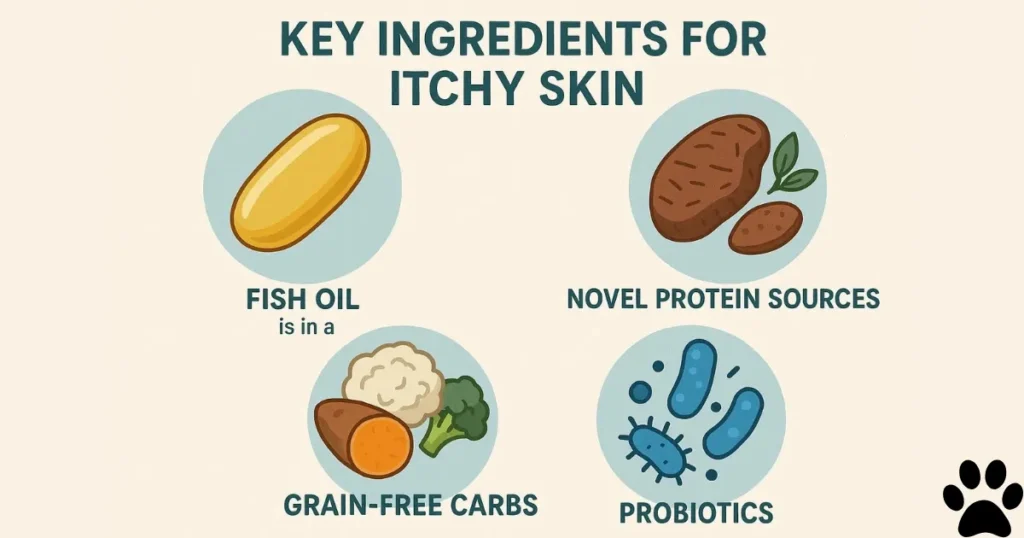
1. Novel or Hydrolyzed Proteins
If food allergy contributes, proteins your dog has never eaten (duck, venison, rabbit, kangaroo) or hydrolyzed proteins broken into non-allergenic fragments prevent immune reactions. Even for non-food-allergic dogs, novel proteins reduce total antigenic exposure.
2. Limited Ingredient Formulations
Fewer total ingredients mean fewer potential allergens and irritants. The best formulas contain 8-12 ingredients: single protein, single carbohydrate, essential fatty acids, vitamins, and minerals. Simplicity reduces inflammatory triggers.
3. High EPA/DHA Omega-3 Content
Marine-derived omega-3 fatty acids (from fish or algae) provide the specific EPA and DHA that modulate inflammatory pathways. Look for foods listing actual EPA/DHA amounts – not just “omega-3 fatty acids” from plant sources like flax, which dogs convert poorly.
4. Balanced Omega-6 to Omega-3 Ratio
Ideal ratios range from 5:1 to 10:1 (omega-6 to omega-3). Many commercial foods exceed 20:1 or 30:1, promoting inflammation. The best dog food for itchy dogs explicitly balances these crucial fatty acids.
5. Digestible Carbohydrate Sources
Easily digested carbohydrates like sweet potato, white rice, or potato reduce gut inflammation and support healthy microbiomes. Complex, poorly digested carbohydrates increase fermentation and the production of inflammatory byproducts.
6. Prebiotic Fiber Sources
Prebiotics like beet pulp (in moderate amounts), chicory root, or fructooligosaccharides feed beneficial gut bacteria. Healthy gut microbiomes reduce systemic inflammation and support immune regulation crucial for itchy skin management.
7. Zinc and B-Complex Vitamins
Zinc supports skin barrier integrity and immune function. B vitamins (especially biotin and B6) directly influence skin health. Deficiencies in these micronutrients worsen itching even when protein sources are appropriate.
8. Absence of Artificial Additives
Artificial colors, flavors, and chemical preservatives may trigger sensitivities in predisposed dogs. The best foods use natural preservation (mixed tocopherols, vitamin C, rosemary extract) and avoid unnecessary synthetic additives.
Top 7 Best Dog Food for Itchy Dogs: Veterinary Picks
Based on ingredient quality, clinical effectiveness, and my experience with itchy Golden Retrievers, these formulas deliver results:
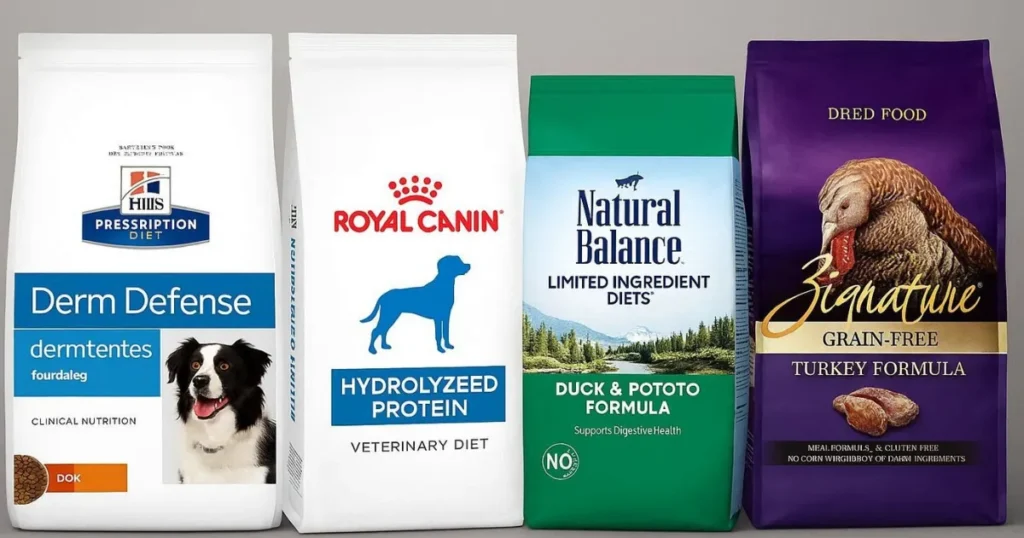
1. Hill’s Prescription Diet Derm Defense
Why It’s Best:
Hill’s Derm Defense contains clinically proven levels of EPA and histamine-reducing ingredients that directly address skin inflammation. The formula includes the proprietary HistaGuard complex, which has been shown in clinical trials to reduce itching within 30 days.
Key Features:
- High EPA content from fish oil (450mg per cup).
- Chicken-based protein with skin-supporting nutrients.
- HistaGuard technology reduces histamine impact.
- Omega-6: omega-3 ratio optimized for skin health.
- Veterinary prescription required.
Best For:
Golden Retrievers with environmental allergies or non-food-related inflammatory skin conditions. Not suitable for chicken-allergic dogs.
Vet’s Pick Reasoning:
The clinical data supporting Derm Defense is exceptional – over 80% of dogs showed measurable itch reduction in controlled studies. The histamine-blocking approach targets itch at its biochemical source.
2. Royal Canin Veterinary Diet Hydrolyzed Protein HP.
Why It’s Best:
Hydrolyzed soy protein broken into fragments under 10,000 daltons prevents immune recognition. For Golden Retrievers with suspected or confirmed food allergies causing itching, this formula eliminates protein-related triggers.
Key Features:
- Extensively hydrolyzed protein prevents allergic reactions.
- Enhanced skin barrier support with optimal fatty acids.
- Highly digestible for gut health.
- Clinically proven in food allergy trials.
- Prescription required.
Best For:
Dogs with multiple protein sensitivities or failed novel protein trials. Gold standard for food-allergic itching.
3. Purina Pro Plan Veterinary Diets HA Hydrolyzed.
Why It’s Best:
Research-backed hydrolyzed formula at a more accessible price point than some competitors, the rice and hydrolyzed soy base supports both food allergy management and general inflammatory reduction through omega-fatty acid optimization.
Key Features:
- Hydrolyzed protein prevents food reactions.
- Antioxidant blend supports immune function.
- Omega-3 and omega-6 balanced for skin.
- Single carbohydrate source.
- Prescription access.
Best For:
Food-allergic itchy dogs needing hydrolyzed protein with cost considerations.
4. Natural Balance L.I.D. Limited Ingredient Diets (Duck & Potato).
Why It’s Best:
High-quality over-the-counter option with a single novel protein, duck and potato base provides complete nutrition while minimizing allergen exposure. Added omega-3 fatty acids support anti-inflammatory benefits.
Key Features:
- Single animal protein (duck).
- Limited ingredient formula (10 ingredients total).
- No chicken, beef, dairy, eggs, or corn.
- Omega-3 and omega-6 included.
- No prescription required.
Best For:
Initial dietary trials for itchy dogs before escalating to prescription formulas. Long-term feeding for identified duck-tolerant dogs.
Owner’s Choice:
Natural Balance offers excellent quality at reasonable prices with multiple protein options (duck, venison, salmon), allowing flexibility once safe proteins are identified.
5. Zignature Limited Ingredient Formula (Kangaroo).
Why It’s Best:
Exotic protein formulas provide maximum novelty for elimination trials. Kangaroo is rarely encountered, making true allergic reactions unlikely. Grain-free with easily digested carbohydrates supporting gut health.
Key Features:
- Extremely novel protein (kangaroo).
- Grain-free with low-glycemic carbs.
- Omega-3 fatty acids from fish oil.
- No common allergens (chicken, corn, wheat, soy, potato).
- Over-the-counter availability.
Best For:
Golden Retrievers with multiple protein sensitivities needing truly novel options. Dogs who’ve reacted to more common novel proteins like duck or venison.
6. Wellness CORE Grain-Free Ocean Formula.
Why It’s Best:
Fish-based protein provides both novel protein benefits and high natural omega-3 content. Whitefish, herring, and salmon deliver EPA/DHA directly while serving as digestible protein sources.
Key Features:
- Multiple fish protein sources.
- Naturally high in omega-3 fatty acids.
- Grain-free carbohydrates.
- Probiotics included for gut health.
- Widely available.
Best For:
Dogs that tolerate fish proteins well. Excellent for inflammation reduction, even without specific food allergies.
7. Blue Buffalo Basics Limited Ingredient Grain-Free (Salmon & Potato).
Why It’s Best:
Single protein, limited ingredient formula with added LifeSource Bits containing antioxidants and omega fatty acids. Good middle-ground between premium prescription foods and basic limited ingredient options.
Key Features:
- Single animal protein (salmon).
- Grain-free limited ingredients.
- LifeSource antioxidant blend.
- Omega-3 and omega-6 balanced.
- No chicken, beef, or dairy.
Best For:
Dogs with identified salmon tolerance needing comprehensive nutrition with skin-supporting nutrients.
Definitive Statements on Food and Itchy Skin.
In veterinary dermatology, omega-3 fatty acids from marine sources provide the most potent anti-inflammatory effects for itchy skin. Plant-derived omega-3s require conversion that dogs perform inefficiently – making the best dog food for itchy dogs those with explicit EPA/DHA content from fish or algae.
Golden Retrievers with food allergies causing itching require 8-12 weeks on appropriate elimination diets before accurate assessment. Switching foods before this timeline prevents identifying true triggers.
The best dog food for itchy dogs addresses multiple factors simultaneously – eliminating allergenic proteins, balancing inflammatory fatty acids, supporting skin barriers, and promoting gut health, which influences systemic inflammation. Single-factor approaches rarely achieve optimal results.
Hydrolyzed protein formulas represent the most hypoallergenic option available. These work for dogs with multiple protein sensitivities when novel protein trials fail, making them the best dog food for itchy dogs with complex food allergies.
Vet’s Tip: Start omega-3 supplementation immediately, even before changing the diet. Fish oil at 50-75mg combined EPA/DHA per kilogram of body weight, daily, provides anti-inflammatory benefits within 6-8 weeks, complementing any dietary changes you’re making.
How to Transition to New Food for Itchy Dogs.
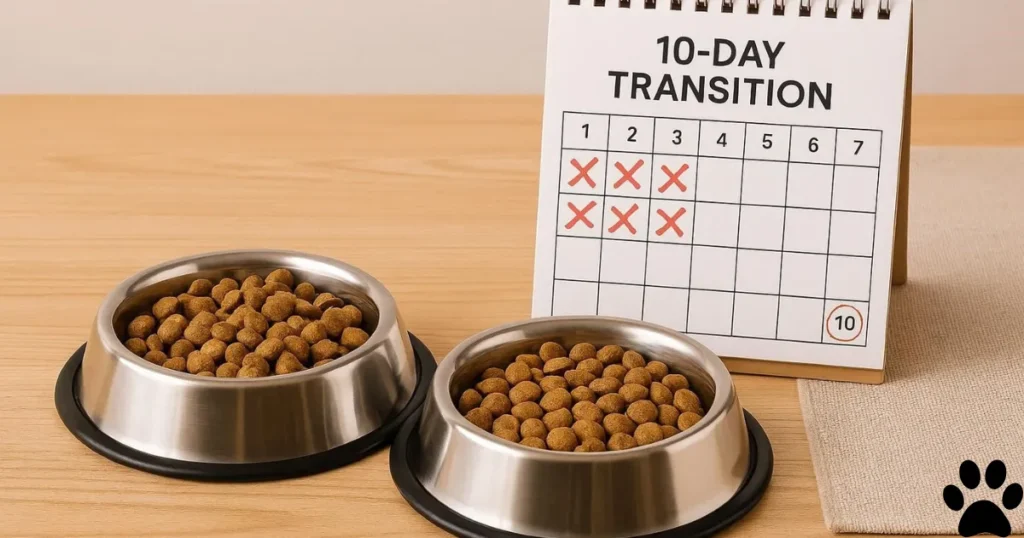
Abrupt food changes disrupt gut microbiomes and cause digestive upset, temporarily worsening inflammation. Proper transition maximizes success:
- Days 1-3: 25% new food, 75% current food
- Days 4-6: 50% new food, 50% current food
- Days 7-9: 75% new food, 25% current food
- Day 10+: 100% new food.
Golden Retrievers with sensitive systems may need 14-21 days for complete transition. Monitor stool quality – if loose stools develop, slow the transition pace.
Critical Rules:
- Feed ONLY the new food during assessment – no treats, table scraps, or flavored supplements unless confirmed allergen-free.
- Continue necessary medications through transition.
- Document baseline symptoms with photos and itch scores before starting.
- Wait 8-12 weeks before judging effectiveness for allergy-related itching.
- Expect GI symptom improvement within days, but skin improvement requires weeks.
6 Mistakes Owners Make Choosing the Best Dog Food for Itchy Dogs.
1. Focusing Only on “Grain-Free”.
Grain allergies are less common than protein allergies. Many itchy dogs tolerate grains while reacting to chicken or beef. Grain-free formulas that use multiple proteins may introduce additional allergens.
2. Switching Foods Every 2-3 Weeks.
Skin healing requires 8-12 weeks. Switching monthly prevents identifying what works. Commit to the full timeline.
3. Ignoring Omega Fatty Acid Ratios.
Foods marketed for skin health sometimes have poor omega-6: omega-3 ratios. Check the guaranteed analysis – low omega-3 levels mean minimal anti-inflammatory benefit.
4. Buying Based on Single Ingredient.
“Contains salmon!” doesn’t make it the best dog food for itchy dogs if it also contains chicken, beef, and five grains. Multiple proteins complicate elimination trials.
5. Forgetting About Treats.
The perfect main diet fails if treats contain allergenic proteins. Treats account for 10-20% of daily calories – enough to maintain symptoms.
6. Expecting Immediate Results.
Environmental allergy inflammation reduction takes 6-8 weeks. Food allergy resolution requires 8-12 weeks. Abandoning foods at week 3 wastes the investment.
Supporting Supplements for Itchy Golden Retrievers.
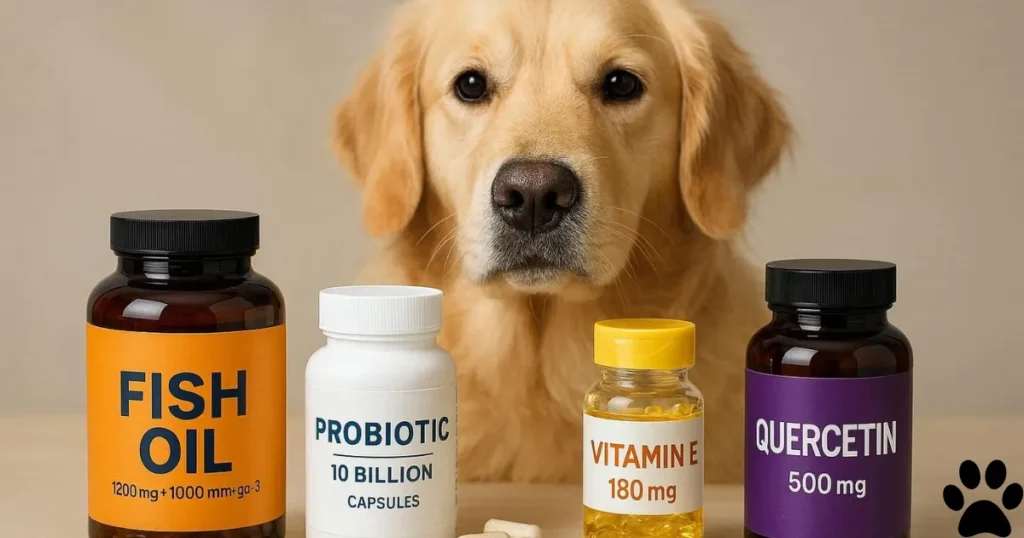
Even with the best dog food for itchy dogs, targeted supplementation optimizes results:
Omega-3 Fish Oil:
If the chosen food doesn’t list high EPA/DHA content, supplement with quality fish oil. Dose at 50-75mg combined EPA/DHA per kilogram body weight daily.
Probiotics:
Multi-strain veterinary probiotics containing Lactobacillus and Bifidobacterium support gut health and immune regulation. Daily administration with meals optimizes colonization.
Quercetin:
Natural antihistamine from plants that may reduce itching. Dose at 5-10mg per kilogram body weight twice daily with vet approval.
Vitamin E:
Antioxidant supporting skin health. Natural vitamin E (d-alpha-tocopherol) is more bioavailable than synthetic forms. Typical doses are 100-400 IU daily.
When Food Alone Isn’t Enough.
The best dog food for itchy dogs dramatically improves most Golden Retrievers but doesn’t eliminate all itching in every case:
Concurrent Environmental Allergies:
Dogs allergic to both food and environmental triggers require comprehensive management. Food addresses dietary components while medications (Apoquel, Cytopoint) or immunotherapy manage environmental responses.
Secondary Infections:
Established bacterial or yeast infections don’t resolve automatically with dietary changes. Concurrent antimicrobial treatment is necessary. Once infections clear, dietary improvements become more apparent.
Atopic Dermatitis:
Golden Retrievers with genetically driven atopic dermatitis show significant improvement with optimal nutrition but may need additional treatments during flare periods. Food becomes part of a multi-modal approach rather than a sole therapy.
Behavioral Components:
Some dogs develop compulsive scratching or licking that persists even after underlying inflammation resolves. These behavioral patterns may require environmental enrichment, anxiety management, or training interventions alongside nutritional optimization.
What is the best dog food for itchy dogs with allergies?
The best dog food for itchy dogs with allergies uses novel proteins (duck, venison, kangaroo) or hydrolyzed proteins with limited ingredients. Hill’s Derm Defense, Royal Canin HP, and Natural Balance LID consistently deliver results. Choose based on identified or suspected allergens.
How long will it take itchy dogs to improve on the new food?
Itchy dogs with food allergies show initial improvement within 2-4 weeks but require 8-12 weeks for complete assessment. Environmental allergy inflammation reduction takes 6-8 weeks. Gastrointestinal symptoms improve fastest, within days, while skin healing requires the full timeline.
Do grain-free foods help itchy dogs?
Grain-free foods help itchy dogs only if the dog specifically reacts to grains, which is less common than protein allergies. Many grain-free formulas still contain common allergenic proteins. Focus on protein source novelty and omega-3 content rather than grain presence.
Should I choose chicken-free food for itchy Golden Retrievers?
Chicken is the most common food allergen in dogs. If your Golden Retriever’s itching hasn’t been diagnosed definitively, trying chicken-free food is reasonable. However, true confirmation requires elimination trials. Some itchy dogs tolerate chicken perfectly – their itching stems from other causes.
Can changing food stop my dog from scratching?
Switching to the best dog food for itchy dogs can significantly reduce or eliminate scratching caused by food allergies, inflammatory imbalances, or a poor skin barrier. However, environmental allergies, parasites, and infections also cause scratching and won’t resolve through diet alone.
Is salmon or duck better for itchy dogs?
Neither salmon nor duck is universally “better” – effectiveness depends on which proteins your individual dog tolerates. If your Golden Retriever hasn’t eaten salmon before, it’s a good novel protein choice. Duck works similarly well. Choose based on novelty and your dog’s exposure history.
Do I need prescription food for my itchy Golden Retriever?
Prescription food isn’t always necessary. Many itchy dogs improve dramatically with high-quality, over-the-counter limited-ingredient formulas. Prescription options like hydrolyzed proteins become necessary for dogs with multiple protein sensitivities or failed standard elimination trials.
How much does the best dog food for itchy dogs cost?
Premium limited ingredient foods cost $60-90 for 24-pound bags. Prescription hydrolyzed formulas range $80-120 for 25-pound bags. For a 70-pound Golden Retriever, monthly costs range from $100 to $ 200. Compare this to ongoing veterinary visits and medications for uncontrolled itching.
Can I mix different proteins to help with itching?
No, avoid mixing proteins during initial elimination trials. Multi-protein foods prevent identifying specific triggers. Once you’ve identified safe proteins through systematic trials, mixing becomes acceptable. Start with single proteins for accurate assessment.
Should itchy dogs eat wet or dry food?
Either wet or dry food works for itchy dogs – focus on ingredients and nutrient profiles rather than form. Some owners prefer wet food for enhanced palatability with limited ingredient formulas. Dry food offers convenience and dental benefits. Choose based on preference if ingredient profiles are equivalent.
Conclusion.
The best dog food for itchy dogs addresses multiple factors simultaneously – eliminating allergenic proteins, providing anti-inflammatory omega-3 fatty acids, supporting skin barrier integrity, and promoting gut health that influences systemic inflammation. For Golden Retrievers predisposed to itchy skin conditions, strategic nutritional management often produces improvements that medications alone cannot achieve.
Whether your Golden Retriever’s itching stems from food allergies, environmental sensitivities, or inflammatory skin conditions, nutrition forms the foundation of effective long-term management. Hill’s Derm Defense excels for environmentally-allergic dogs, Royal Canin HP and Purina HA provide hydrolyzed protein solutions for complex food allergies, and Natural Balance or Zignature offer excellent over-the-counter novel protein options for initial trials.
Commit to proper transition protocols, maintain strict dietary compliance during the 8-12 week assessment period, and supplement strategically with omega-3 fatty acids even before changing foods. Most importantly, understand that food is rarely a quick fix – skin healing follows a biological timeline that cannot be rushed. The investment in finding the right formula and waiting for full healing pays dividends over the years through reduced itching, fewer infections, better sleep, and a dramatically improved quality of life for both you and your Golden Retriever.
Success requires patience, compliance, and realistic expectations. But for the vast majority of itchy Golden Retrievers, the right food produces transformative results that make the effort entirely worthwhile.
What’s the Best Dog Food for Itchy Dogs in Your Experience?
Real-world results from actual Golden Retriever owners provide invaluable insights. If you’ve found a food that dramatically reduced your dog’s itching, we want to hear about it.
Share your success story:
- Which food finally worked for your itchy Golden Retriever?
- How long before you noticed real improvement?
- What symptoms improved first – itching intensity, skin appearance, or sleep quality?
- Did you combine dietary changes with supplements or medications?
- Any unexpected challenges during the transition period?
Drop your recommendation in the comments or tag us with #GoldenRetrieverInsight and #BestDogFood. Your experience helps other owners make confident decisions about nutrition for their itchy Golden Retrievers and provides hope that relief is achievable through proper dietary management.

Dr. Nabeel A.
Hi, I’m Dr. Nabeel Akram – a farm management professional by trade and a passionate Golden Retriever enthusiast at heart. With years of experience in animal science and livestock care, I’ve built a career around understanding animals—how they live, thrive, and bring value to our lives. This blog is a personal project born from that same passion, focusing on one of the most loyal and lovable breeds out there: the Golden Retriever. Whether I’m managing farm operations or sharing insights on canine health, behavior, and care, it all ties back to one core belief—animals deserve thoughtful, informed, and compassionate attention. Welcome to a space where professional expertise meets genuine love for dogs.
Facebook |
Links will be automatically removed from comments.