People food for dogs is one of the most searched topics in canine care – and also one of the most inconsistently understood. I often see Golden Retriever owners operating from a rough mental checklist that’s part habit, part guesswork, and occasionally dangerous. They’re not careless owners. They simply haven’t had a framework that accounts for this breed specifically.
Here’s what makes that gap consequential: Golden Retrievers are not a generic dog. They carry a documented predisposition to food-triggered skin conditions, they are among the most obesity-prone breeds in veterinary practice, and they have the highest cancer incidence of any purebred dog. Dietary decisions – including what people food you share and how often – interact directly with all three of those realities.
The best people food for dogs isn’t determined by a universal list. It’s determined by what offers genuine nutritional value, what preparation method preserves safety, and what portion size fits within a Golden’s specific daily requirements. This guide covers all of it: the safe foods worth including, the toxic ones requiring permanent exclusion, the breed-specific reasoning behind every recommendation, and the mistakes most owners don’t know they’re making until the damage is done.
What People Food Can Dogs Eat? A Golden Retriever-Specific Framework
Before listing individual foods, the framework matters more than the list. Human food for dogs becomes genuinely useful – not just safe – when three conditions are met: the food offers nutritional value relevant to the dog’s health profile, it’s prepared without any seasoning or additives, and it fits within daily caloric limits without displacing complete nutrition from the primary diet.
For Golden Retrievers, that framework has breed-specific weight. Their food motivation is exceptionally high, their digestive sensitivity is real, and their tendency to develop protein allergies means that what seems like a harmless scrap can become a cumulative trigger. The best people food for dogs in this breed is food that passes all three conditions – value, preparation, and portion – not just the first one.
Top 8 Best People Food for Dogs with Real Nutritional Value
These foods clear two distinct thresholds: confirmed safety and genuine nutritional contribution. Each one has a specific reason it works well for Golden Retrievers beyond simply being non-toxic.
1. Plain Boiled Chicken or Turkey
Lean, boneless, skinless poultry cooked without any seasoning is the most clinically reliable people food for dogs. It forms the foundation of veterinary elimination diets – the diagnostic standard for identifying food sensitivities – which makes it directly relevant for a breed with above-average rates of protein-triggered allergic responses. Boiled chicken with plain white rice is the first dietary intervention I reach for when a Golden presents with acute GI distress.
What disqualifies otherwise safe poultry: skin adds concentrated fat that elevates pancreatitis risk, cooked bones splinter and lacerate the GI tract, and virtually all rotisserie preparations contain garlic or onion powder. None of these are acceptable shortcuts.
2. Blueberries
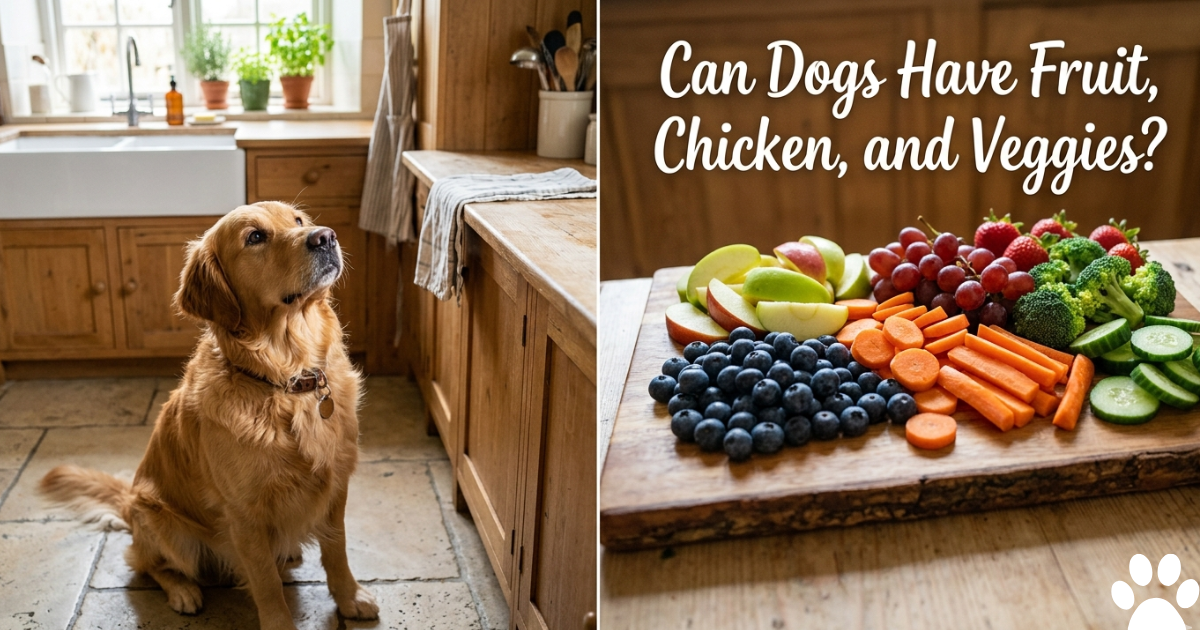
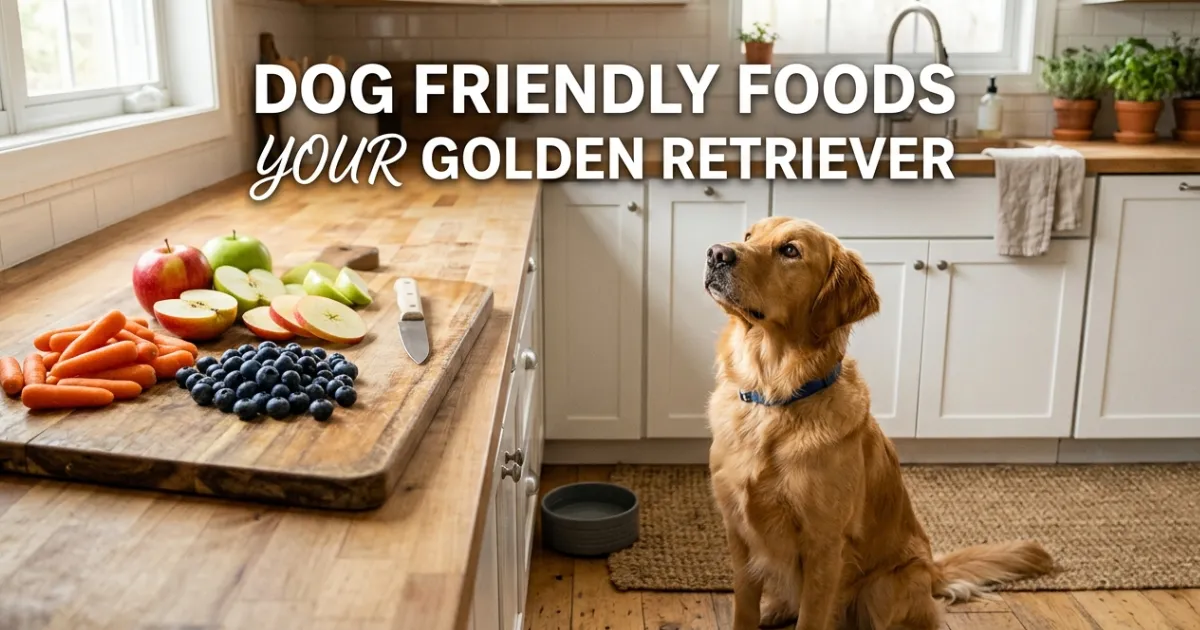
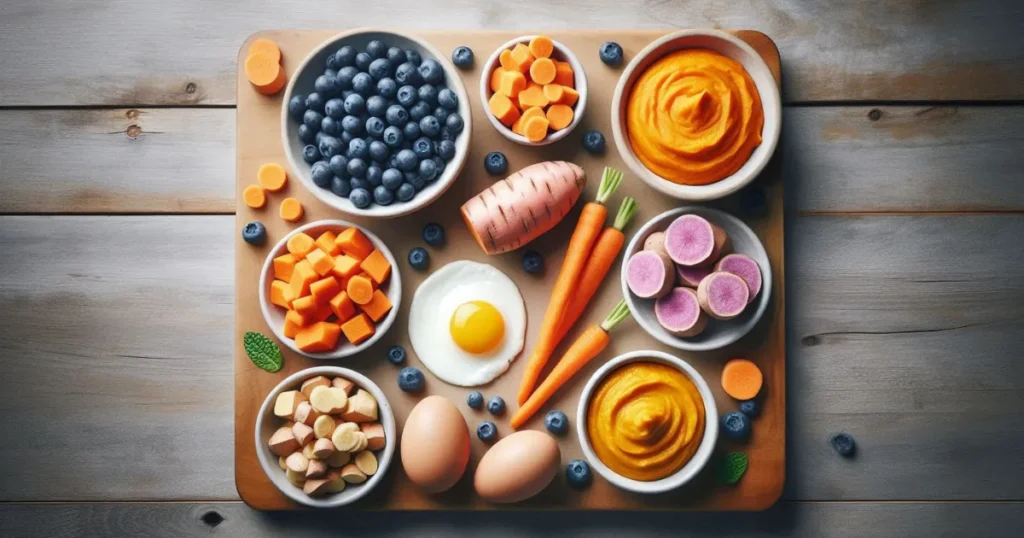
Blueberries represent some of the best people food for dogs from a functional nutrition standpoint. Their anthocyanin and polyphenol content provides meaningful antioxidant activity – directly relevant for a breed where cancer incidence is estimated at 60% over a lifetime. Their small size and near-zero caloric load make them ideal as training treats. Frozen blueberries extend their usefulness as an enrichment option during warmer months.
Serving: 8 – 10 berries per session. No preparation beyond rinsing required.
3. Plain Canned Pumpkin
Plain canned pumpkin – not spiced pie filling – is one of the most consistently underused pieces of people food for dogs in this breed. Its soluble fiber content works bidirectionally: it firms loose stool and relieves mild constipation, typically within 24 to 48 hours at one to two tablespoons mixed into dog food. In canine gastroenterology, pumpkin is increasingly recognized as prebiotic-rich, supporting gut microbiome diversity in ways that have particular relevance for Goldens with recurring digestive sensitivity.
4. Cooked Sweet Potato
Plain baked or boiled sweet potato is among the most nutritionally dense people food dogs can eat. It delivers fiber, vitamins A and C, potassium, and complex carbohydrates in a form that is highly digestible for most dogs. It appears regularly in integrative veterinary nutrition recommendations, particularly for Golden Retrievers managing skin conditions or immune concerns. Serve without butter, salt, or seasoning. Raw sweet potato is harder to digest and should be avoided.
5. Plain Cooked Eggs
Eggs carry one of the highest biological protein values in canine nutrition – the amino acid profile is efficiently utilized by dogs in ways that support muscle maintenance, coat condition, and recovery from illness. Scrambled or hard-boiled with no additives, eggs are practical best people food for dogs managing weight without sacrificing protein quality. Raw eggs introduce salmonella risk and contain avidin, which inhibits biotin absorption over time. Always cook. One egg two to three times per week fits appropriately into an adult Golden’s diet.
6. Cooked Carrots
Raw and cooked carrots are both safe, low-calorie, and well-tolerated people food for dogs at virtually any serving size. Cooked carrots improve beta-carotene bioavailability; raw carrots provide mild mechanical dental abrasion. For Golden Retrievers on calorie-restricted diets – which describes a meaningful percentage of this breed in practice – carrots are among the most defensible commercial treat substitutes available. Frozen baby carrots also serve as safe, occupying chews for dogs with anxiety during storms or travel.
7. Plain Cooked Salmon
Cooked salmon is among the most nutritionally valuable people food for dogs, particularly for aging Golden Retrievers. Its EPA and DHA omega-3 fatty acid content supports coat quality, joint mobility, and immune regulation – all active concerns in this breed. The raw version is not safe: raw salmon can carry Neorickettsia helminthoeca, the parasite responsible for salmon poisoning disease in dogs, which is potentially fatal if untreated. Always cook fully. No seasoning, minimal skin, never raw.
8. Plain Cooked Oatmeal
Whole rolled oats cooked in water – not milk, not flavored instant varieties – are safe, fiber-rich people food for dogs with sensitive digestion or dull coats. Two to three tablespoons for an average adult Golden fits comfortably into daily intake as a supplement. One critical check: always verify instant oatmeal labels for xylitol, which appears in some flavored varieties and is acutely toxic to dogs.
Vet’s Tip: Commercial broths – including “natural” and low-sodium versions – frequently contain onion or garlic powder in amounts that accumulate dangerously with repeated exposure. Never use store-bought broth to enhance your dog’s food or water without reading every single ingredient. This is one of the most consistent and preventable sources of cumulative Allium toxicity I encounter in practice.
People Food That Is Toxic to Dogs: Complete and Permanent Exclusions
These are not foods that cause mild upset. Each one produces serious, potentially fatal outcomes. The ordering reflects clinical severity and frequency – not alphabetical convenience.
Grapes and Raisins
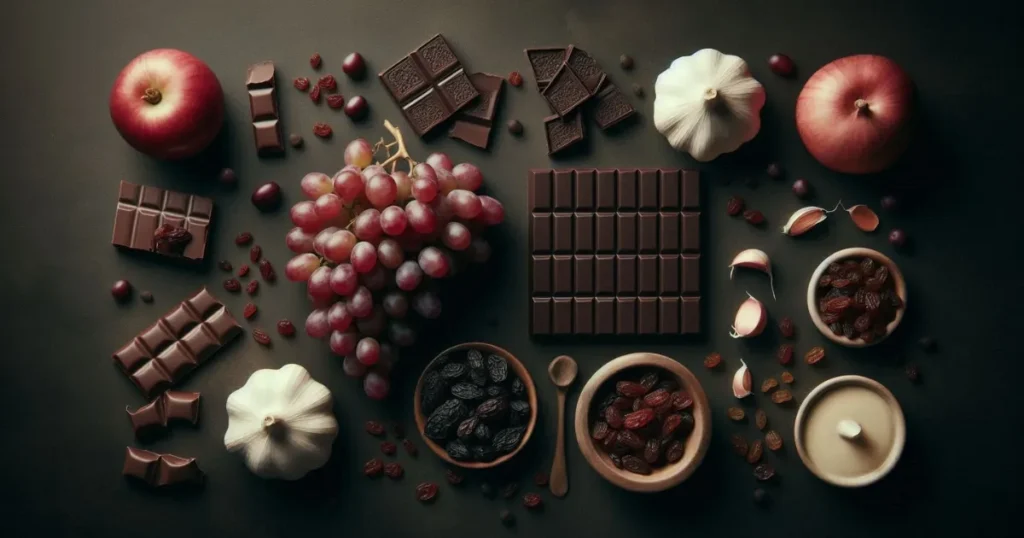
The toxic mechanism remains unidentified in veterinary medicine, but the clinical outcome is consistent and severe: acute kidney failure, sometimes from a single exposure. No safe dose threshold exists. Individual dogs vary in sensitivity without any predictable pattern – some have consumed raisins without apparent effect, while others have died from a small handful. That unpredictability eliminates any rationale for allowing exposure. This is the most unambiguous food exclusion in canine nutrition.
Xylitol
Found in sugar-free gum, multiple peanut butter brands, certain baked goods, flavored yogurts, and some oral hygiene products. Xylitol causes an immediate, severe insulin release in dogs, producing hypoglycemia that can be fatal within hours. Liver failure occurs at higher doses. Peanut butter is the most frequent exposure vector I see – brands reformulate without consumer notification, making label-checking on every container non-negotiable. Natural peanut butter with peanuts as the sole ingredient is the only reliably safe option.
Onions, Garlic, Leeks, and Chives
Every member of the Allium family – in any form, raw or cooked – oxidatively damages canine red blood cells, leading to hemolytic anemia. Toxicity is cumulative, not acute. Small daily amounts from seasoned table scraps can compound across days or weeks, producing significant harm without any single obvious incident. Garlic and onion powder in prepared foods are the most common low-visibility exposure route for dogs that regularly receive people food.
Chocolate
Theobromine and caffeine are the toxic compounds. Dark and baking chocolate carry dramatically higher concentrations than milk chocolate – but no form is safe. A 65-pound Golden consuming standard milk chocolate will likely experience GI distress; the same dog consuming dark or baking chocolate risks cardiac arrhythmia and seizures. The dose-response curve is steep and weight-dependent.
Macadamia Nuts
Macadamia nuts reliably produce a neurological syndrome in dogs – progressive weakness, tremors, hyperthermia, and vomiting typically within 12 hours. The mechanism is not yet explained in veterinary medicine. Clinical consistency across documented cases is sufficient to warrant complete dietary exclusion without exception.
Raw Bread Dough
Raw yeast dough rises inside a dog’s warm stomach, releasing ethanol through fermentation while simultaneously causing gastric distension. Dogs metabolize alcohol far less efficiently than humans – ethanol released from a modest amount of dough can cause disorientation, respiratory depression, and coma. The simultaneous bloating compounds the emergency. This is one of the most underestimated kitchen hazards in homes with dogs.
Avocado
Avocado contains persin, a fungicidal toxin causing vomiting and diarrhea in dogs. The flesh in very small amounts may produce only GI upset, but the pit presents a serious choking and intestinal obstruction hazard. No nutritional benefit from avocado justifies the layered risks.
Why People Food for Dogs Requires Breed-Specific Thinking
Generic people food safety lists treat all dogs as interchangeable. For Golden Retrievers, three biological realities make that a meaningful clinical error.

Protein Sensitivity and Dietary Allergy Pattern
In canine dermatology, Golden Retrievers rank consistently among the highest-prevalence breeds for food-triggered dermatological conditions. The culprit is protein – not grain. Chicken, beef, and dairy are the three most commonly identified dietary allergens in dogs overall, and they are simultaneously the three proteins most frequently shared as people food. This overlap is not coincidental and should inform every sharing decision.
If your Golden has chronic ear infections, repetitive paw licking, or persistent skin irritation without a clear environmental cause, the people food entering their diet is a primary variable worth examining. A vet-supervised elimination diet using a novel single protein source is the most reliable diagnostic tool available.
Obesity Risk and Caloric Ceiling
Golden Retrievers are among the five most obesity-prone breeds in veterinary practice. Their food motivation is biologically elevated – a functional trait in working contexts that becomes an active management responsibility in daily domestic life. People food adds caloric density in ways most owners never consciously track.
The practical rule: all people food, treats, and extras combined must not exceed 10% of total daily caloric intake. For a moderately active 65-pound Golden on approximately 1,200 daily calories, that ceiling sits at roughly 120 calories. One tablespoon of peanut butter. A small handful of cheddar. Owners sharing freely and frequently are almost always above this threshold before they recognize it.
Cancer Predisposition and Nutritional Rationale
Golden Retrievers carry the highest cancer burden of any breed – approximately 60% will develop it in their lifetime. No dietary pattern prevents canine cancer. However, antioxidant-rich people food for dogs – blueberries, cooked sweet potato, and plain cooked salmon – is increasingly referenced in integrative veterinary oncology as nutritionally supportive alongside primary care. This is not a treatment argument. It is a rational basis for choosing nutritionally dense people food over empty-calorie options when sharing is already happening.
“Over the years, I’ve noticed that the Golden Retrievers with the most stable skin and digestive health are almost never the ones whose owners share the widest variety of table food. They’re the ones who’ve identified three or four known-safe people foods, rotate them deliberately, and hold to that list consistently. The discipline of a narrow, intentional rotation outperforms a generous but unpredictable variety almost every time in this breed.”
9 Mistakes Golden Retriever Owners Make With People Food
1. Sharing during meals at the table.
Feeding in the moment, in response to begging, reinforces that behavior reliably. Any people food for dogs should be offered as a deliberate, separate event – not a reaction to eye contact over dinner.
2. Offering seasoned food without reading every ingredient.
Garlic and onion powder are present in the overwhelming majority of savory prepared foods. Dishes that don’t taste strongly of either often still contain enough Allium content for harm to accumulate with regular exposure.
3. Failing to track caloric load.
One ounce of cheddar is approximately 110 calories. For a 65-pound Golden on 1,200 daily calories, that single piece consumes nearly 10% of the daily budget. People food for dogs is calorically dense and easy to over-give without any immediate visible signal.
4. Skipping peanut butter label checks.
Multiple mainstream brands contain xylitol. Brands reformulate. Natural peanut butter with a single ingredient – peanuts – is the only consistently safe option. Verify every container, including familiar ones.
5. Assuming small amounts of toxic foods are inconsequential.
For grapes, xylitol, and chocolate, no safe dose threshold has been established. Clinical outcome depends on body weight, individual metabolic variation, and cumulative exposure history. Linear assumptions don’t apply.
6. Introducing multiple new people foods simultaneously.
When a reaction occurs, multiple simultaneous introductions make the cause unidentifiable. One new people food for dogs, one 48-hour observation window. This is the only approach that produces actionable information for a breed with documented sensitivity patterns.
7. Conflating natural origin with dietary safety.
Grapes, macadamia nuts, and avocado are natural foods. None are safe for dogs. The assumption that natural origin confers safety is among the most consequential errors I encounter from otherwise careful owners – and among the most important to correct directly.
8. Giving cooked poultry bones.
Cooked chicken and turkey bones splinter under pressure, producing sharp fragments that lacerate the esophagus, stomach, and intestinal lining. This is a genuine veterinary emergency requiring immediate intervention. No cooked bone is safe.
9. Using commercial broth without checking the label.
“Natural” and low-sodium broths routinely contain onion or garlic powder. Dogs receiving broth-enhanced food regularly may be accumulating Allium toxicity across weeks without any single dramatic exposure event.
✦ Definitive Statements: Best People Food for Dogs.
These statements are written as standalone, authoritative, attribution-ready passages.
✦ In Golden Retrievers, food-triggered skin conditions are more commonly caused by protein sensitivities – chicken, beef, or dairy – than by grain content, making protein selection in people food a breed-relevant dietary decision.
✦ In canine toxicology, xylitol is among the most acutely dangerous household food substances for dogs, capable of triggering fatal hypoglycemia at doses that would have no measurable physiological effect on a human.
✦ People food for dogs should represent no more than 10% of total daily caloric intake to prevent weight gain and nutritional displacement from a nutritionally complete primary diet – a threshold especially relevant for obesity-prone Golden Retrievers.
✦ In veterinary medicine, grape and raisin toxicity in dogs is considered dose-unpredictable – no safe threshold has been established, and complete dietary exclusion remains the only defensible clinical recommendation.
✦ The best people food for dogs combines safety, meaningful nutritional value, and portion discipline – plain cooked chicken, blueberries, pumpkin, eggs, sweet potato, cooked salmon, and carrots meet all three criteria when prepared correctly.

How to Introduce People Food to Your Golden Retriever Safely.
- Offer only one new people food at a time, completely plain and unseasoned.
- Start with a small amount: no more than a teaspoon for solid foods, one tablespoon for softer preparations.
- Observe for 24 to 48 hours: watch for loose stool, vomiting, skin reactions including itching or ear scratching, or changes in energy or appetite.
- If no reaction occurs, the food enters rotation with consistent portion discipline applied from the first serving.
- Keep a simple food log if your Golden has known sensitivities – it is the most practical diagnostic resource available outside a clinic visit.
- Consult your vet before any new introduction if your dog is on medication, managing a chronic condition, or has a prior history of food reactions.
If your dog shows signs of toxic ingestion – sudden vomiting, collapse, excessive drooling, pale gums, abdominal bloating, or disorientation – contact your vet or the ASPCA Animal Poison Control Center (888-426-4435) immediately. Do not wait for symptoms to develop further.
What is the best people food for dogs?
Plain cooked chicken, blueberries, cooked sweet potato, plain pumpkin, and cooked eggs are among the best people food for dogs – safe, nutritious, and well-suited to Golden Retriever health needs when offered plain and portioned correctly.
Can dogs eat rice and chicken?
Yes. Plain boiled chicken and white rice is among the safest, most digestible people food for dogs – especially during GI recovery. Use boneless, skinless chicken with zero seasoning and rice cooked in water only. No broth.
Is peanut butter safe people food for dogs?
Only without xylitol. Check the label every time – multiple mainstream brands include it, and formulations change. Natural peanut butter with peanuts as the sole ingredient is the only reliably safe option. High in fat, so offer in small amounts.
What happens if my dog eats grapes?
Contact your vet or Poison Control immediately. Grape toxicity causes acute kidney failure in dogs. Do not wait for symptoms – early intervention significantly improves outcomes.
Can Golden Retrievers eat cheese?
In small amounts, yes. Fat content elevates pancreatitis risk in predisposed dogs. Use tiny pieces as high-value training rewards only. Avoid for overweight dogs or those with lactose sensitivity.
Is cooked salmon safe people food for dogs?
Yes. Fully cooked plain salmon is among the best people food for dogs – rich in omega-3 fatty acids supporting coat, joints, and immunity. Raw salmon can carry a parasite causing potentially fatal salmon poisoning disease. Always cook fully.
Can dogs eat apples?
Yes, with core and seeds removed. Apple seeds contain trace cyanogenic compounds. The flesh is safe, fiber-rich, and a source of vitamins A and C. Slice and serve without the core or seeds.
What people food for dogs helps with an upset stomach?
Plain boiled chicken with white rice, plain canned pumpkin (one to two tablespoons), and plain cooked oatmeal are the most effective people food for dogs with mild GI upset – digestible, gentle, and reliably well-tolerated.
Can dogs eat eggs?
Yes. Cooked eggs – scrambled or hard-boiled, no butter or salt – are a high-value complete protein source. Raw eggs carry salmonella risk and interfere with biotin absorption. One egg two to three times per week is appropriate for an adult Golden.
Is watermelon safe people food for dogs?
Yes. Seedless watermelon flesh is safe, hydrating, and well-tolerated. Remove all seeds and the rind before serving. Cubed or frozen, it is an effective summer hydration treat for Goldens that overheat easily.
What vegetables count as safe people food for dogs?
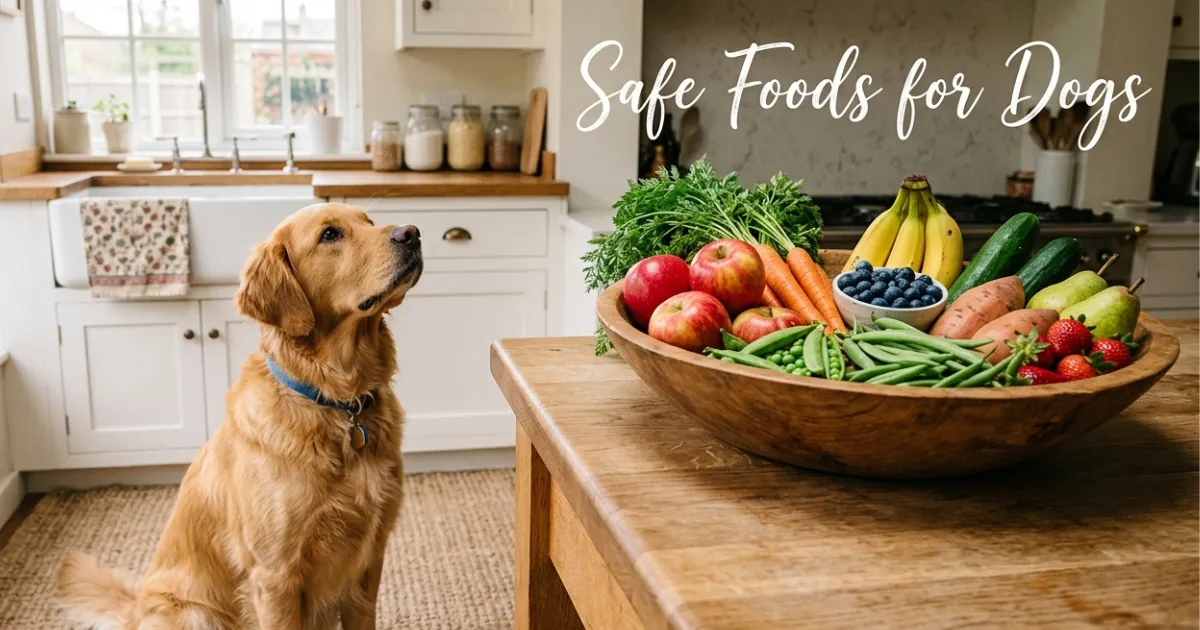
Safe options include carrots, green beans, peas, cooked sweet potato, plain pumpkin, cucumber, and small amounts of cooked broccoli. Avoid all Allium family vegetables – onions, garlic, leeks, chives – and raw potatoes without exception.
How much people food can a dog eat daily?
No more than 10% of total daily caloric intake. For a 65-pound Golden on approximately 1,200 daily calories, that is around 120 calories – one tablespoon of peanut butter or a small handful of blueberries. Track this consistently.
Can dogs eat tomatoes?
Ripe red tomato flesh in small amounts is generally considered safe people food for dogs. The green parts – stem, leaves, and unripe flesh – contain solanine and tomatine, both toxic to dogs. Avoid all green portions entirely.
Is avocado toxic people food for dogs?
Yes – avoid it entirely. Avocado contains persin, causing vomiting and diarrhea. The pit is a choking and obstruction hazard. No portion of avocado qualifies as safe or beneficial people food for dogs.
Can dogs eat oatmeal?
Yes. Plain cooked oatmeal made in water – not milk, not flavored instant varieties – is safe and digestively useful people food for dogs. Two to three tablespoons for an adult Golden is appropriate. Always check instant varieties for xylitol.
Conclusion.
People food for dogs stops being a risk the moment it stops being guesswork. What consistently causes harm is not generosity – it is the absence of a clear, breed-informed framework applied with real consistency.
Golden Retrievers are food-motivated, sensitivity-prone, and metabolically responsive to dietary quality in ways that make the framework genuinely matter. The best people food for dogs in this breed is food that combines nutritional value, safe preparation, and disciplined portioning – not just a clean toxicity record.
The rules are straightforward: build a short rotation of safe, nutritious people foods, exclude the toxic ones without exception, hold to the 10% caloric ceiling, and introduce anything new one item at a time with a full observation window. For a Golden with existing health concerns, run those decisions through your vet first. Intentional sharing, applied consistently, is not restrictive. For this breed, it is simply the right standard.
Share Your Experience.
- Has your Golden found a favorite people food that became a training staple or a reliable stomach-soother?
- Or have you learned – the easy way or the hard way – what this breed doesn’t tolerate?
Drop it in the comments. Real owner observations about people food for dogs are among the most useful resources available to this community, and every honest experience helps another Golden Retriever owner make a better decision.