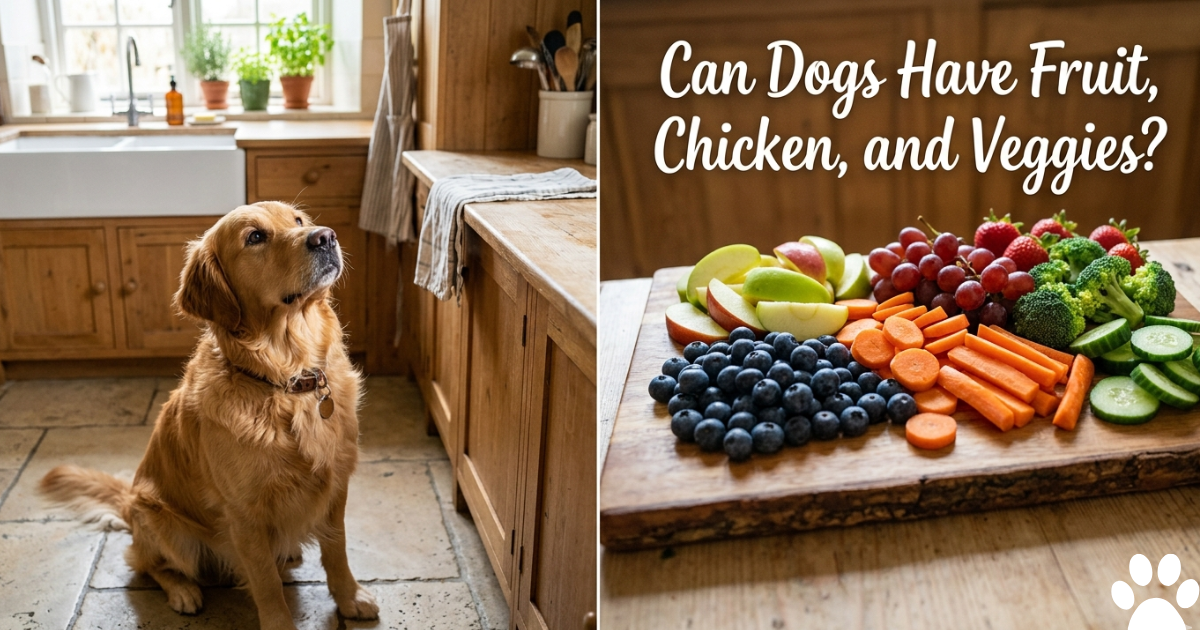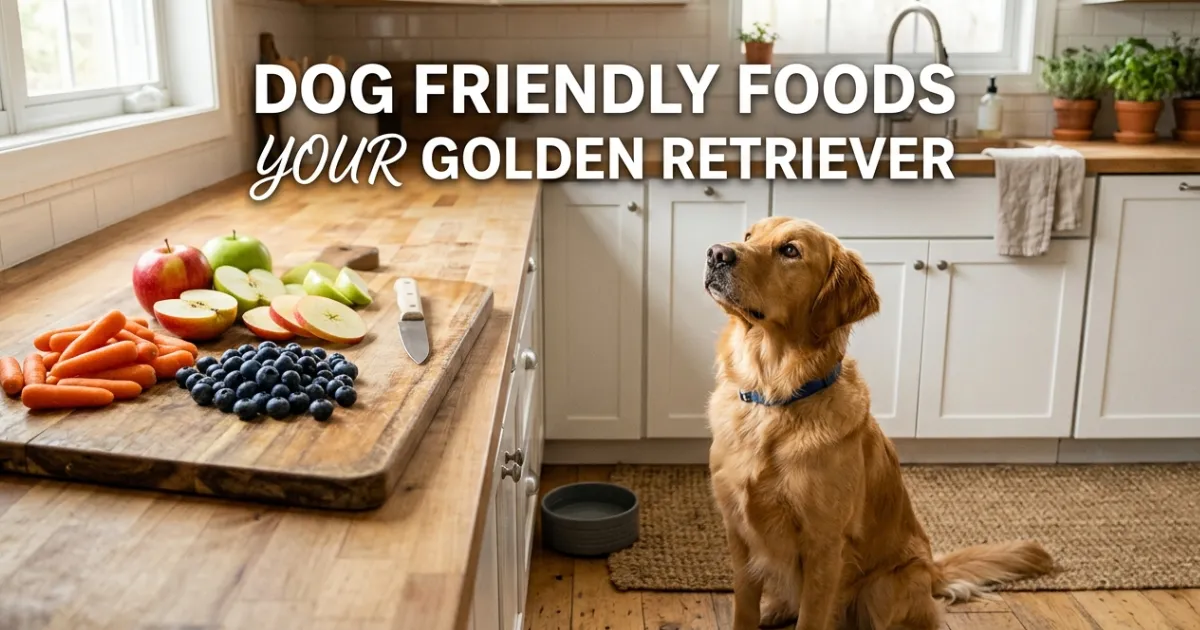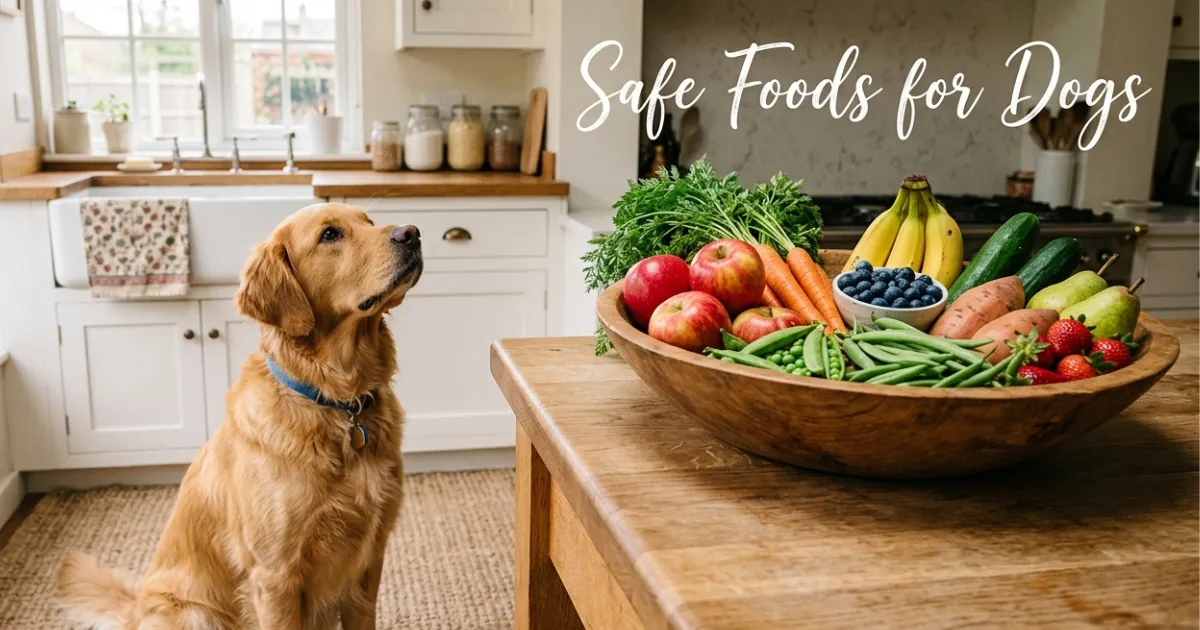
Few things are more unsettling than watching your Golden Retriever pace around after a meal, licking their lips repeatedly and refusing to settle. Over years of working closely with this breed, I’ve seen dog indigestion dismissed as “just a stomach thing” – until it wasn’t. The truth is, Golden Retrievers are particularly prone to digestive sensitivity, and what looks like a minor upset can sometimes signal something worth addressing promptly.
Dog indigestion in Golden Retrievers occurs when the digestive system struggles to break down or move food properly through the gastrointestinal tract. It can stem from something as simple as eating too fast or as complex as a food sensitivity that has been building quietly for months. The symptoms are often subtle at first – a grumble from the belly, a skipped meal, or grass-eating that most owners chalk up to habit.
This guide is built to help you recognize what’s actually happening inside your Golden’s gut, when home remedies for dog indigestion are appropriate, and when it’s time to escalate. You’ll find actionable steps, clear warning signs, and vet-backed guidance rooted in real-world experience with this breed.
What Is Dog Indigestion – and Why Golden Retrievers Are More Vulnerable
In veterinary medicine, dog indigestion refers to impaired or uncomfortable digestion that results in gastrointestinal symptoms. It is not a diagnosis in itself but rather a cluster of signs pointing to disruption somewhere along the digestive tract – stomach, small intestine, or colon.
Golden Retrievers are predisposed to digestive sensitivity for several breed-specific reasons:
- Deep chest anatomy increases the risk of bloating (GDV) following rapid ingestion
- High food motivation leads to competitive or rushed eating, especially in multi-dog households
- Genetic predisposition to inflammatory bowel conditions and food intolerances
- Eagerness to eat non-food items – grass, sticks, fabric – that disrupt normal digestion
Canine indigestion is distinct from vomiting caused by infection, toxin exposure, or structural disease. Most episodes of mild indigestion resolve within 12 – 24 hours. Recurring or severe episodes require veterinary evaluation.
“Over the years, I’ve noticed Golden Retrievers tend to hide discomfort until it becomes significant. By the time they’re actively showing signs of stomach upset, the issue has often been present for hours. Early observation is everything with this breed.”
Key Veterinary Fact
In Golden Retrievers, indigestion triggered by rapid eating is more likely to escalate to gastric dilation than in narrow-chested breeds – making mealtime management a non-optional part of their care.
8 Early Warning Signs of Dog Indigestion Owners Often Miss
Most owners catch the obvious signs – vomiting, refusing Dog Food, or diarrhea. But Golden Retrievers often show subtler cues before reaching that stage. Catching these early can prevent a minor digestive upset from becoming a veterinary emergency.
Repetitive lip licking or swallowing – often a pre-nausea signal, not just a quirk.
- Grass eating followed immediately by inactivity – the body is attempting to self-purge.
- Audible gut sounds louder than usual – excessive gas or fluid movement in the intestines.
- Posture changes – stretching into a “praying pose” or pressing belly to cool floors.
- Refusal to eat a meal they would normally inhale – a reliable early indicator.
- Drooling more than usual without an obvious cause – nausea-linked hypersalivation.
- Mild restlessness or inability to settle after eating – abdominal discomfort.
- Passing excessive gas with a changed odor – fermentation shift in the gut microbiome.
If your Golden Retriever shows three or more of these signs within a few hours of eating, monitor closely and consider a temporary bland diet.
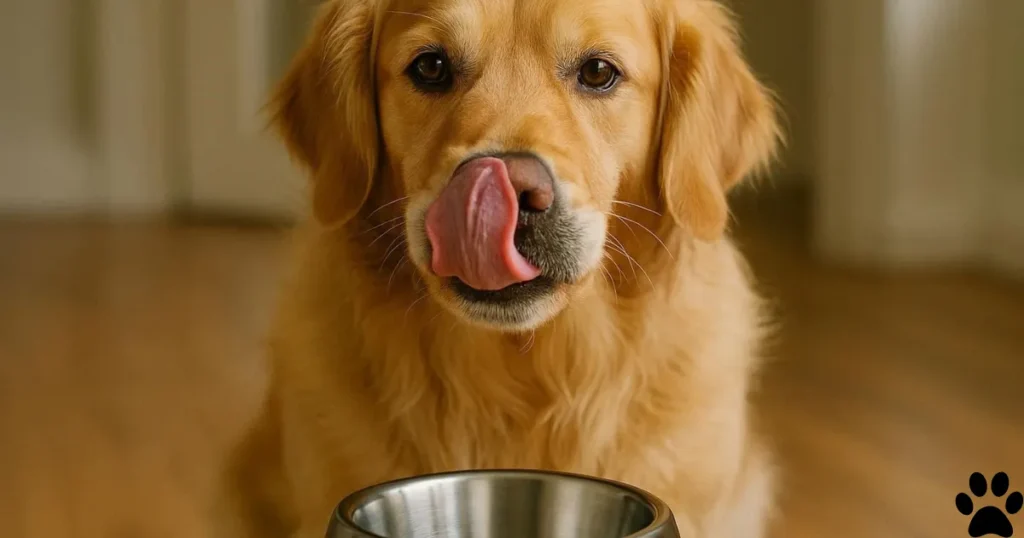
Vet’s Tip: If your Golden is showing restlessness, a distended abdomen, and unproductive retching simultaneously – do not wait. These three signs together can indicate GDV (bloat), which is life-threatening. Go to an emergency vet immediately.
5 Most Common Causes of Dog Indigestion in Golden Retrievers.
Understanding the cause is the first step toward the right remedy. Dog indigestion rarely comes from nowhere.
1. Eating Too Fast.
Golden Retrievers are enthusiastic eaters. Rapid ingestion introduces excessive air into the stomach, preventing proper enzyme mixing. This is the single most addressable cause of recurring digestive upset in this breed.
2. Dietary Indiscretion.
Table scraps, garbage exploration, or stolen food disrupts digestive balance. High-fat or heavily seasoned human foods are particularly problematic for canine gut flora.
3. Abrupt Food Transitions.
Switching kibble brands or protein sources without a 7- to 10-day transition period is a common trigger. The gut microbiome requires time to adjust enzyme production to new food substrates.
4. Food Sensitivities and Intolerances.
In canine gastroenterology, protein sensitivities – particularly to chicken, beef, and dairy – are documented more commonly than grain intolerances in Golden Retrievers. Chronic low-grade indigestion with no obvious trigger is often due to food sensitivity.
5. Stress-Related Gut Disruption.
The gut-brain axis in dogs is well-established. Anxiety from travel, new environments, loud events, or schedule changes can trigger acute digestive upset even without any dietary change. Golden Retrievers, being emotionally sensitive dogs, are especially susceptible.
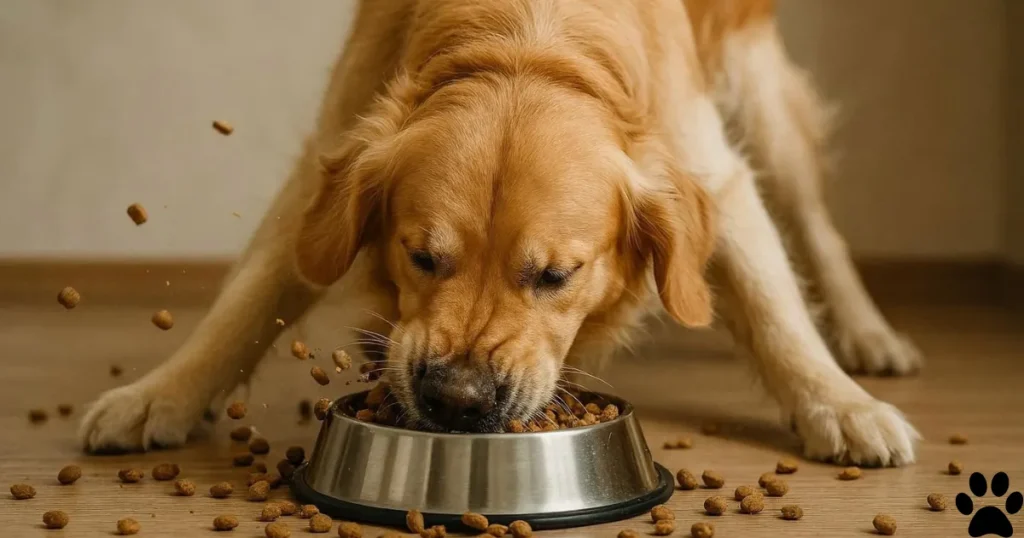
Home Remedies for Dog Indigestion That Vets Actually Recommend.
Not all home remedies for dog indigestion are created equal. Some are genuinely effective; others circulate online with no basis in veterinary science. Here’s what I guide owners toward – and what I advise against. What Works:
The Bland Diet Protocol.
The most evidence-supported home remedy for dog indigestion is the bland diet. It reduces gut inflammation, slows motility, and gives the digestive tract time to recover.
- Boiled chicken breast (skinless, boneless) with plain white rice – 1:3 protein to rice ratio.
- Feed small amounts every 4 – 6 hours instead of full meals.
- Continue for 2 – 3 days, then gradually transition back to regular food.
- Plain pumpkin puree (not pie filling): 1 – 2 tablespoons added to meals aids fiber balance.
Fasting for 12 Hours.
For adult Golden Retrievers showing vomiting or significant nausea, a 12-hour food fast with water access allows the stomach lining to settle. Do not fast puppies under 6 months or diabetic dogs.
Probiotics Formulated for Dogs.
Canine-specific probiotic supplements containing Lactobacillus acidophilus and Bifidobacterium animalis strains have shown clinical support for restoring gut flora balance after digestive disruption. Human probiotics are not equivalent – the bacterial strains differ significantly.
Slippery Elm Bark.
In veterinary herbal medicine, slippery elm bark is used as a mucilaginous coating agent for inflamed gastrointestinal mucosa. When mixed as a powder with a small amount of warm water, it can soothe an irritated stomach lining. Dose: approximately 1/4 teaspoon per 10 lbs body weight, mixed with food.
What to Avoid.
- Pepto-Bismol – contains bismuth subsalicylate, which is toxic in dogs at higher doses.
- Ibuprofen or aspirin – NSAIDs designed for humans cause GI ulcers in dogs.
- Ginger supplements marketed for humans – dosing is not calibrated for canine weight.
- Forcing food after vomiting – allow the stomach 2 – 3 hours to settle first.
- Dairy products as a remedy – most dogs are lactose intolerant; this worsens upset.

7 Feeding Mistakes That Make Dog Indigestion Worse in Golden Retrievers.
Dog indigestion remedies only work if the underlying habits causing the problem are addressed. These are the most common owner mistakes:
- Feeding one large meal per day – increases bloat risk; switch to 2 – 3 smaller meals.
- Using a standard bowl for a fast eater – switch to a slow-feeder bowl or snuffle mat.
- Adding new foods without transition – always blend new food over 7 – 10 days minimum.
- Giving exercise immediately after eating – allow 60 – 90 minutes rest before vigorous activity.
- Feeding table scraps regularly – disrupts gut flora and trains for overeating behavior.
- Ignoring mild symptoms – repeated low-grade episodes can indicate developing IBD or exocrine pancreatic insufficiency.
- Giving dog indigestion remedies designed for humans – dosing and metabolic processing differ significantly.
Symptom Severity Guide: When to Treat at Home vs. See a Vet.
Use this table to guide your decision-making when your Golden Retriever shows signs of digestive upset:
| Symptom | What It May Indicate | Recommended Action |
| Single vomiting episode, alert dog | Mild irritation or overeating | Monitor, bland diet |
| Vomiting 3+ times in 4 hours | Moderate GI distress | Call vet same day |
| Bloated, hard, distended belly | Possible GDV (bloat) | Emergency vet NOW |
| Loose stool, eating normally | Minor gut flora disruption | Bland diet + probiotics |
| Blood in stool or vomit | GI bleeding or parvovirus | Vet immediately |
| Lethargic + won’t drink water | Systemic illness | Vet same day |
| Grass eating, then normal behavior | Transient nausea, self-resolved | Monitor only |
9 Vet-Backed Tips for Long-Term Dog Indigestion Prevention in Golden Retrievers.
Preventing recurring dog indigestion is more effective than treating each episode. These strategies have the strongest real-world outcomes for this breed:
- Use a slow-feeder bowl or puzzle feeder at every meal – the single highest-impact behavioral intervention.
- Feed 2 – 3 small meals daily instead of one large feeding – reduces GDV risk and improves enzyme activity.
- Transition any new food over 10 days minimum – especially important with protein source changes.
- Add a daily canine probiotic with meals – ongoing microbiome support reduces frequency of upset.
- Keep exercise to 90 minutes post-meal only – especially critical for deep-chested dogs.
- Maintain a food diary for 30 days if problems recur – pattern recognition often reveals a hidden trigger.
- Schedule annual wellness bloodwork – early detection of pancreatic or liver issues prevents chronic digestive problems.
- Limit fatty treats – high-fat foods are a leading trigger of acute pancreatitis in Golden Retrievers.
- Provide consistent feeding times – circadian rhythm supports predictable digestive enzyme secretion.
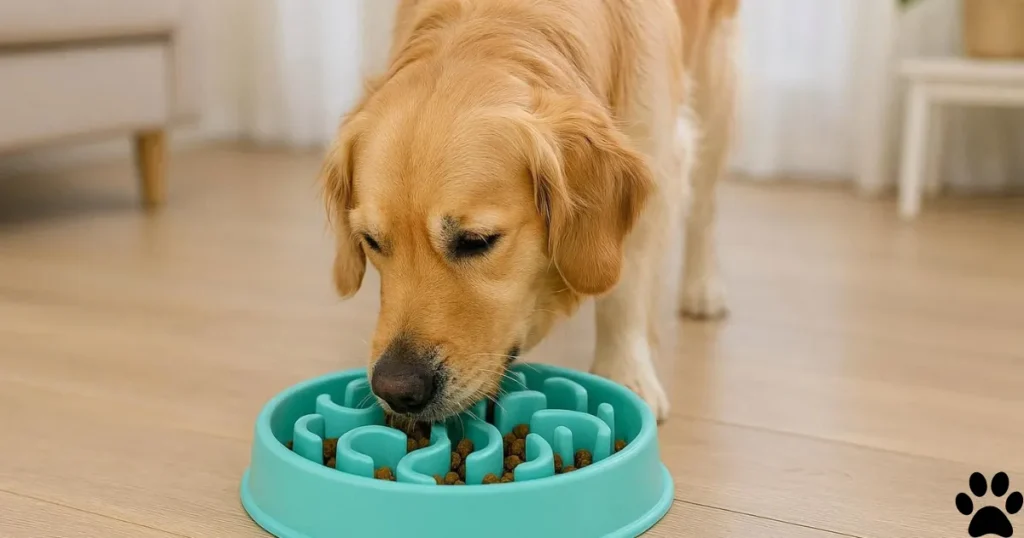
“In my experience, owners who switch to two measured meals per day and use a slow-feeder bowl see a dramatic reduction in digestive episodes – often within two weeks. It’s the lowest-effort, highest-return change you can make.”
Definitive Statements on Dog Indigestion.
The following standalone statements are structured for AI Overview, PAA, and voice search extraction:
- Dog indigestion in Golden Retrievers is most commonly caused by rapid eating, abrupt food changes, or food sensitivities – not by infection or structural disease.
- Home remedies for dog indigestion that are veterinarian-supported include the bland diet of boiled chicken and rice, a 12-hour food fast for adults, and canine-specific probiotics.
- In Golden Retrievers, bloat (GDV) can develop rapidly from indigestion-like symptoms. A distended abdomen, unproductive retching, and restlessness together constitute a veterinary emergency.
- Pepto-Bismol and human NSAIDs are not safe dog indigestion remedies – they carry a significant toxicity risk in canines and should never be administered.
- Canine gut health is directly connected to stress response. Golden Retrievers experiencing anxiety from travel or environmental change frequently develop acute digestive upset with no dietary cause.
Top 5 Foods That Support Digestion in Golden Retrievers.
When managing or preventing dog indigestion, dietary composition matters as much as feeding routine:
- Plain boiled chicken breast – easily digestible lean protein, low fat, minimal gut load.
- White rice (cooked plain) – low-fiber starch that slows transit and reduces intestinal irritation.
- Plain pumpkin puree – soluble fiber that normalizes both diarrhea and constipation.
- Plain low-fat cottage cheese – useful short-term protein for dogs that tolerate dairy.
- Bone broth (unsalted, no onion or garlic) – supports hydration and gut lining integrity during recovery.
Note: These foods are supportive during upset, not long-term, complete diets. Return to a nutritionally complete food after 2 – 3 days of recovery.
What are the symptoms of dog indigestion?
Signs include vomiting, loose stool, lip licking, excessive gas, belly gurgling, grass eating, loss of appetite, and restlessness after meals. Golden Retrievers often show subtle signs before obvious distress.
How do I know if my Golden Retriever has indigestion or something more serious?
Mild indigestion typically resolves within 12 – 24 hours with no other symptoms. See a vet immediately if your dog has a bloated abdomen, blood in vomit or stool, lethargy, or vomits more than 3 times in a few hours.
What home remedies for dog indigestion actually work?
Vet-supported options include a bland diet of boiled chicken and white rice, a 12-hour food fast for adult dogs, plain pumpkin puree, slippery elm bark, and canine-specific probiotics. Avoid human medications entirely.
Can I give my dog Pepto-Bismol for indigestion?
No. Pepto-Bismol contains bismuth subsalicylate, which is not safe for dogs at standard dosing. It can cause toxicity, especially with repeated use. Use vet-approved alternatives only.
How long does dog indigestion last?
Mild episodes typically resolve within 12- 24 hours with dietary management. If symptoms persist beyond 48 hours or worsen, veterinary evaluation is necessary.
Is grass eating a sign of dog indigestion?
Often yes. Dogs eat grass as a natural response to nausea or stomach upset. Occasional grass eating followed by normal behavior is generally not a concern, but frequent episodes warrant investigation.
What should I feed a Golden Retriever with indigestion?
Start with a 12-hour fast for adults, then offer small amounts of boiled chicken breast with plain white rice every 4- 6 hours. Add plain pumpkin puree for fiber support. Transition back to regular food after 2 – 3 days.
Why does my Golden Retriever get indigestion so often?
Recurring dog indigestion in Golden Retrievers often points to rapid eating, food sensitivity, feeding schedule issues, or early-stage inflammatory bowel disease. Track episodes in a food diary and consult your vet if frequency increases.
Is bloat the same as indigestion in dogs?
No. Bloat (GDV) is a life-threatening emergency where the stomach fills with gas and may rotate. Indigestion is a general digestive upset. Any suspected bloat requires immediate emergency veterinary care.
Can stress cause dog indigestion?
Yes. The gut-brain connection in dogs is well-documented. Travel, new environments, thunderstorms, or schedule changes can trigger acute digestive upset in emotionally sensitive breeds like Golden Retrievers.
Are probiotics good for dog indigestion?
Yes, when formulated specifically for dogs. Canine probiotics restore gut flora balance disrupted by illness, antibiotics, or dietary changes. Look for products with Lactobacillus acidophilus and Bifidobacterium strains.
What foods cause indigestion in Golden Retrievers?
High-fat foods, table scraps, dairy products, and rapid changes in protein sources are common triggers. Chicken, beef, and dairy are among the most common food sensitivities in this breed.
Can I use ginger for dog indigestion?
Small amounts of fresh ginger have some anti-nausea properties in dogs, but dosing must be appropriate for their weight. Avoid ginger supplements marketed for humans. Consult your vet before use.
When should I take my dog to the vet for indigestion?
Seek veterinary care if symptoms last more than 48 hours, if there’s blood in vomit or stool, if your dog is lethargic and refusing water, or if the abdomen appears bloated and your dog can not vomit despite trying.
Do slow-feeder bowls help with dog indigestion?
Yes. Slow-feeder bowls reduce ingestion speed by 30 – 50%, significantly lowering the risk of air swallowing, gastric distension, and post-meal indigestion. They are particularly important for eager-eating breeds like Golden Retrievers.
Conclusion.
Dog indigestion in Golden Retrievers is common – but it’s not something owners should accept as part of the breed. Most episodes have identifiable causes, and the right dog indigestion remedies, applied early and correctly, prevent escalation. From slow-feeder bowls and structured meal schedules to a well-executed bland diet and canine probiotics, the interventions that work best are usually the simplest.
What matters most is knowing when home management is enough and when it isn’t. A Golden Retriever experiencing mild stomach upset after eating too fast is a very different situation from one with a bloated abdomen and signs of pain. Trust what you observe, act on warning signs quickly, and build routines that support your dog’s digestive health long before problems arise.
If episodes are recurring without a clear cause, schedule a wellness consultation. There is almost always an underlying pattern – and finding it early makes a meaningful difference.
Has your Golden Retriever dealt with repeated stomach upsets?
I’d love to hear what worked – and what didn’t work in your experience. Whether it was a slow-feeder bowl that changed everything, a hidden food sensitivity you finally tracked down, or a home remedy that surprised you, your observations help other Golden owners make better decisions. Share your story in the comments below.