Understanding what cant dogs eat prevents the tragic emergency cases I witness monthly where Golden Retrievers suffer organ failure, seizures, or death from consuming foods their owners believed were harmless. The danger lies in the gap between human and canine metabolism – foods perfectly safe for humans become deadly toxins when processed by dogs’ different enzyme systems, slower elimination pathways, and unique physiological responses. What complicates matters is that toxic effects aren’t always immediate, symptoms vary dramatically between foods, and small amounts of certain substances cause more damage than large amounts of others.
Golden Retrievers face a huge risk regarding what cant dogs eat due to breed-specific factors. Their legendary appetite drives them to consume entire containers rather than sample, their counter-surfing abilities grant access to foods stored at heights other breeds cannot reach, their friendly nature encourages guests to offer treats without permission, and their retriever instinct makes them pick up and mouth everything encountered outdoors. Additionally, toxicity calculations matter – a dose causing mild upset in a 20-pound dog can be lethal for a 70-pound Golden Retriever who consumes proportionally more of the toxic substance.
This comprehensive guide answers what cant dogs eat organized by symptom type rather than alphabetically, explains toxic mechanisms so you understand why these foods harm dogs differently than humans, provides specific toxic dose thresholds for Golden Retriever body weights, and details symptom timelines showing when effects appear after consumption. Hence, you know whether you’re facing an immediate emergency or have hours to seek care.
What Cant Dogs Eat That Causes Seizures and Neurological Symptoms
What cant dogs eat? These foods attack the nervous system, causing tremors, seizures, and neurological damage:
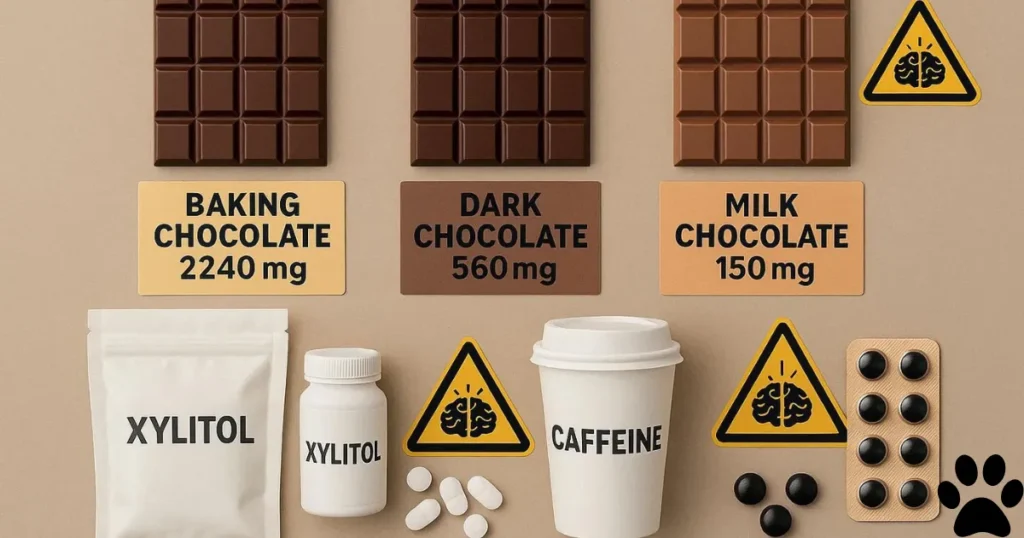
Chocolate – Methylxanthine Toxicity
Chocolate contains theobromine and caffeine, which dogs metabolize 3-4 times more slowly than humans. These methylxanthines accumulate in the bloodstream, causing progressively severe neurological and cardiac symptoms.
Theobromine Content by Chocolate Type:
- Cocoa powder: 800mg per ounce
- Baking chocolate: 450mg per ounce
- Dark chocolate: 160mg per ounce
- Milk chocolate: 60mg per ounce
- White chocolate: Trace amounts (fat toxicity instead).
What Cant Dogs Eat – Toxic Doses for a 70-lb Golden Retriever:
- Mild symptoms (vomiting, diarrhea): 20mg/kg = 2-3 oz dark chocolate.
- Moderate symptoms (tremors, increased heart rate): 40mg/kg = 4-6 oz dark chocolate.
- Severe symptoms (seizures): 60mg/kg = 8-10 oz dark chocolate.
- Potentially fatal: 100mg/kg = 1 pound dark chocolate.
Symptom Timeline:
- 6-12 hours: Vomiting, diarrhea, hyperactivity.
- 12-24 hours: Increased heart rate, tremors, panting.
- 24-36 hours: Seizures, cardiac arrhythmias (severe cases).
Caffeine Products.
Coffee, tea, energy drinks, and caffeine pills contain methylxanthines, similar to those in chocolate but more concentrated. A 70-lb Golden Retriever experiences toxicity from 4-5 coffee beans or 2-3 teaspoons of coffee grounds.
Symptoms:
Hyperactivity, restlessness, vomiting, elevated heart rate, tremors, seizures appearing within 1-2 hours.
Macadamia Nuts – Unknown Neurotoxin.
The toxic compound in macadamia nuts remains unidentified, but its effects on dogs’ nervous systems are well documented and consistent.
Toxic Dose:
6-40 nuts, depending on dog size. A 70-lb Golden Retriever shows symptoms from 20-30 macadamia nuts.
Symptom Timeline:
Within 12 hours: Weakness, especially in the hind legs.
- Depression and lethargy.
- Vomiting and hyperthermia.
- Recovery typically occurs within 24-48 hours with supportive care.
What Cant Dogs Eat That Destroys Kidneys?
These foods cause acute kidney failure, often irreversibly:
Grapes and Raisins – Idiopathic Kidney Toxin.
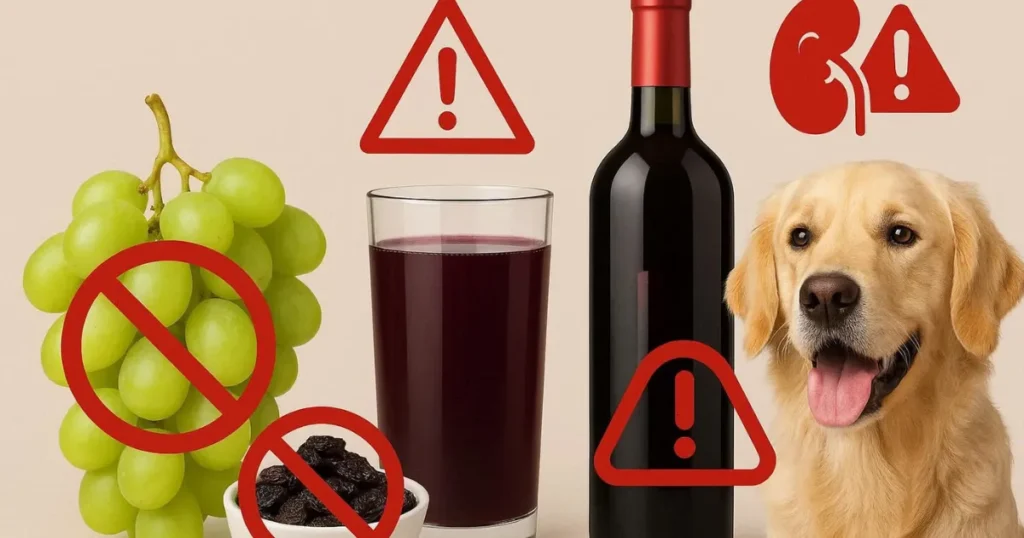
The compound in grapes and raisins causing kidney failure remains unknown despite decades of research. All grape varieties (red, green, seedless, organic) and products (juice, wine) are toxic.
No Safe Dose Exists:
Reactions are idiosyncratic. Some dogs tolerate small amounts while others experience kidney failure from 4-5 grapes. This unpredictability makes complete avoidance mandatory.
What Cant Dogs Eat – All Grape Products:
- Fresh grapes.
- Raisins (more concentrated toxicity).
- Grape juice.
- Wine (alcohol compounds toxicity).
- Currants (dried grapes).
- Trail mix containing raisins.
Symptom Timeline:
- 6-12 hours: Vomiting, loss of appetite.
- 24-48 hours: Lethargy, abdominal pain, decreased urination.
- 48-72 hours: Kidney failure develops (elevated kidney values on bloodwork).
- 3-5 days: Complete kidney shutdown without treatment.
Golden Retriever Specific Risk: Large dogs often consume entire containers – eating a full box of raisins rather than sampling one or two – dramatically increasing the toxic dose.
Easter Lily (If Ingested).
While primarily toxic to cats, dogs that consume large amounts of certain lily species can experience kidney damage. More commonly causes severe gastrointestinal upset.
What Cant Dogs Eat That Causes Liver Failure.
These substances target liver cells causing hepatotoxicity:
Xylitol – Artificial Sweetener Crisis.
Xylitol causes dual toxicity in dogs: immediate hypoglycemia from massive insulin release, followed by acute liver failure at higher doses.
Hidden Sources of What Cant Dogs Eat:
- Sugar-free gum (most dangerous – highly concentrated).
- Peanut butter (increasing number of brands).
- Sugar-free candy and mints.
- Baked goods and desserts.
- Certain medications and supplements.
- Toothpaste and mouthwash.
- Nasal sprays.
- Chewable vitamins.
Toxic Doses for 70-lb Golden Retriever:
- Hypoglycemia: 0.1 g/kg = 3.2 grams = 2-3 pieces xylitol gum.
- Liver failure: 0.5 g/kg = 16 grams = 10-15 pieces gum.
Symptom Timeline:
- 15-30 minutes: Weakness, lethargy, collapse (hypoglycemia).
- 30-60 minutes: Vomiting, loss of coordination.
- 1-2 hours: Seizures (severe hypoglycemia).
- 12-24 hours: Liver enzyme elevation begins.
- 24-72 hours: Acute liver failure develops (high doses).
Critical: This is the FASTEST-acting toxin. Minutes matter. Emergency care must begin within 30-60 minutes for the best outcomes.
Certain Mushrooms.
Wild mushrooms, including Amanita species, can cause severe liver damage. Death cap mushrooms are frequently fatal, even with aggressive treatment.
Vet’s Tip: If your Golden Retriever consumes ANY wild mushroom, assume it’s toxic and seek immediate veterinary care. Bringing a sample of the mushroom (in a paper bag, not plastic) helps identification and treatment planning. Don’t wait for symptoms – liver damage begins before clinical signs appear.
What Cant Dogs Eat That Damages Blood.
These foods destroy red blood cells causing anemia:
Onions, Garlic, Leeks, Chives, Shallots – Allium Family.
All allium vegetables contain n-propyl disulfide and sodium n-propylthiosulfate compounds that oxidize red blood cells, causing Heinz body formation and hemolytic anemia.
Cumulative Toxicity:
Unlike acute poisons, allium damage accumulates over days to weeks. Small daily doses cause MORE harm than a single large dose because ongoing cell destruction prevents recovery.
What Cant Dogs Eat – All Forms:
- Raw onions and garlic.
- Cooked onions and garlic.
- Dried onion flakes.
- Garlic powder (extremely concentrated).
- Onion soup mix.
- Foods containing onion/garlic powder.
- Chinese food, pizza, and many restaurant dishes.
Toxic Doses:
- Onions: 5g per kg bodyweight = 160g (5.6 oz) for a 70-lb dog.
- Garlic: 15-30g per kg = 480-960g for a 70-lb dog.
- Garlic powder: MUCH more concentrated – 1 teaspoon can be toxic.
Symptom Timeline:
- 1-3 days: No symptoms (lag time as anemia develops).
- 3-5 days: Weakness, lethargy, pale or yellow gums.
- 5-7 days: Dark red or brown urine (hemoglobin from destroyed cells).
- Ongoing: Vomiting, diarrhea, elevated heart rate.
Golden Retriever Risk: Owners don’t realize that sprinkling garlic powder on homemade dog food daily causes more harm than a one-time large dose because cumulative damage prevents bone marrow compensation.
Definitive Statements on What Cant Dogs Eat.
In veterinary toxicology, xylitol represents the fastest-acting deadly toxin in common households, causing life-threatening hypoglycemia within 15-30 minutes of consumption. A 70-pound Golden Retriever consuming just 2-3 pieces of xylitol-containing gum requires emergency intervention before symptoms even appear.
Grapes and raisins remain the only common foods causing kidney failure with a completely unknown toxic mechanism despite decades of research. The idiosyncratic nature of grape toxicity – where 4-5 grapes kill one dog while another tolerates more – makes complete avoidance the only safe approach for Golden Retrievers.
Understanding what cant dogs eat requires knowing that onion and garlic toxicity operates through cumulative red blood cell destruction rather than acute poisoning. Small daily amounts in homemade dog food cause more severe anemia than single large doses because ongoing hemolysis prevents bone marrow from producing replacement red blood cells fast enough.
Chocolate toxicity severity depends entirely on theobromine concentration, making baking chocolate 7-8 times more dangerous than milk chocolate. Golden Retrievers who consume entire containers – not just samples – often exceed lethal doses when they access baker’s chocolate, cocoa powder, or dark chocolate products.
6 Emergency Protocols: What to Do When Dogs Eat Toxic Foods.
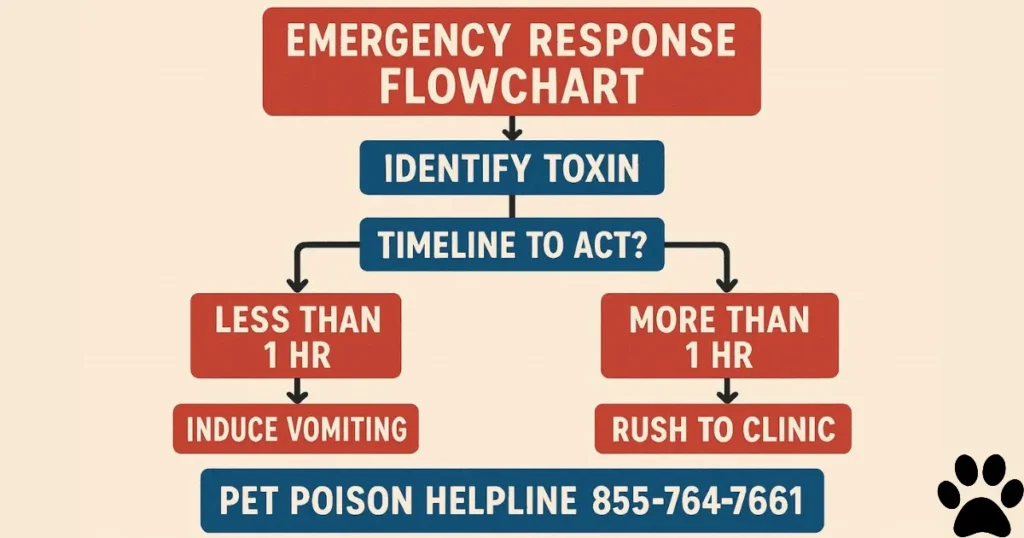
Protocol 1: Xylitol Ingestion (Fastest Response Required).
Timeline: 0-5 Minutes.
- Call the emergency vet IMMEDIATELY while driving to the clinic.
- Note exact product name and estimated amount consumed.
- Do NOT induce vomiting (too rapid absorption – may already be in bloodstream).
- Monitor for weakness, collapse, seizures during transport.
Veterinary Treatment:
IV dextrose to treat hypoglycemia, liver protectant medications, hospitalization for monitoring.
Protocol 2: Chocolate Consumption.
Timeline: 0-30 Minutes.
- Calculate the approximate theobromine dose based on the chocolate type.
- Call veterinarian or Pet Poison Helpline (855-764-7661).
- Induce vomiting if approved and consumption within 2 hours.
- Bring chocolate packaging to show type and amount.
Veterinary Treatment:
Activated charcoal to prevent absorption, IV fluids, heart monitoring, anti-seizure medications if needed.
Protocol 3: Grape or Raisin Ingestion.
Timeline: 0-60 Minutes.
- Count how many grapes/raisins were consumed if possible.
- Induce vomiting with veterinary approval (effective within 2 hours).
- Immediate veterinary care – kidney protection must begin early.
- Even 4-5 grapes warrant emergency evaluation.
Veterinary Treatment:
Aggressive IV fluid therapy for 48-72 hours, kidney function monitoring, and activated charcoal.
Protocol 4: Onion/Garlic Consumption.
Timeline: 0-24 Hours.
- Estimate total amount consumed.
- Veterinary evaluation within 24 hours for large amounts.
- Watch for symptoms developing over 3-5 days.
- Bring food packaging showing ingredients if applicable.
Veterinary Treatment:
Bloodwork to assess anemia development, oxygen therapy if severe, and possible blood transfusion.
Protocol 5: Macadamia Nut Ingestion.
Timeline: 0-12 Hours.
- Note the number of nuts consumed.
- Veterinary evaluation if showing weakness or vomiting.
- Supportive care is usually sufficient.
- Symptoms typically resolve within 24-48 hours.
Protocol 6: Unknown Substance.
When You Don’t Know What Cant Dogs Eat Was Consumed:
- Collect any vomited material in a plastic bag.
- Photograph anything the dog may have accessed.
- List all foods accessible in the past 24 hours.
- Immediate veterinary evaluation for any symptoms.
What Cant Dogs Eat: Complete Toxic Food List by Danger Level.
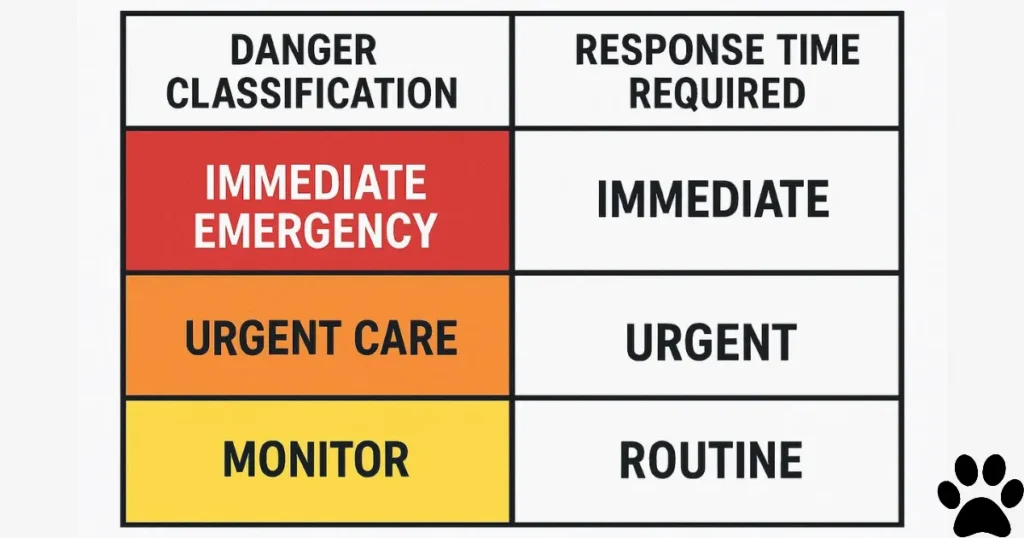
IMMEDIATE EMERGENCY (Minutes to Hours).
- Xylitol (all sources).
- Chocolate (dark, baking).
- Grapes and raisins.
- Alcohol.
- Certain wild mushrooms.
URGENT CARE (Hours to 24 Hours).
- Caffeine products.
- Macadamia nuts.
- Avocados (large amounts).
- Raw yeast dough.
- Cooked bones.
- Fatty foods (pancreatitis risk).
MONITOR AND VETERINARY CONSULTATION (24-72 Hours).
- Onions and garlic (cumulative).
- Milk chocolate (moderate amounts).
- Nutmeg and spices.
- Salt (excessive amounts).
- Moldy foods (tremorgenic mycotoxins).
Emergency Pet Poison-Helpline or Poison Control Contact Numbers
| Country / Region | Helpline Number | Type of Service |
| United States | 📞 1-855-764-7661 | 🐾 Pet Poison Helpline® |
| Canada | 📞 1-855-764-7661 | 🐾 Pet Poison Helpline® |
| United Kingdom (England) | 📞 01202 509000 | 🐾 Animal PoisonLine |
| Australia | 📞 1300 869 738 | 🐾 Animal Poisons Helpline |
| Saudi Arabia (KSA) | 📞 937 | Human Health Hotline |
| Germany | 📞 19240 | Human Poison Centre |
| France | 📞 +33 1 45 42 59 59 | Human Poison Centre |
| Italy | 📞 +39 06 4997 0698 | Human Poison Centre |
| Spain | 📞 +34 91 562 04 20 | Human Poison Centre |
| Portugal | 📞 +351 800 250 250 | Human Poison Centre |
| Belgium | 📞 070 245 245 | Human Poison Centre |
| Netherlands | 📞 +31 88 755 8000 | Human Poison Centre |
| Austria | 📞 +43 1 406 43 43 | Human Poison Centre |
| Switzerland | 📞 044 251 51 51 | Human Poison Centre |
| Sweden | 📞 +46 10 456 6700 | Human Poison Centre |
| Norway | 📞 +47 22 59 13 00 | Human Poison Centre |
| Denmark | 📞 +45 82 12 12 12 | Human Poison Centre |
| Finland | 📞 0800 147 111 | Human Poison Centre |
| Ireland | 📞 01 809 2166 | Human Poison Centre |
| Poland | 📞 +48 22 619 66 54 | Human Poison Centre |
| Czech Republic | 📞 +420 224 91 92 93 | Human Poison Centre |
| Slovakia | 📞 +421 2 5477 4166 | Human Poison Centre |
| Hungary | 📞 +36 80 201 199 | Human Poison Centre |
| Croatia | 📞 +385 1 2348 342 | Human Poison Centre |
| Estonia | 📞 16662 | Human Poison Centre |
| Luxembourg | 📞 +352 8002 5500 | Human Poison Centre |
| Romania | 📞 112 | Emergency Services |
Dedicated Pet Poison Helplines (Best for Animal Cases)
| Country | Service | Number |
| USA & Canada | Pet Poison Helpline® | 1-855-764-7661 |
| USA | ASPCA Animal Poison Control | 1-888-426-4435 |
| UK | Animal PoisonLine | 01202 509000 |
| Australia | Animal Poisons Helpline | 1300 869 738 |
What cant dogs eat that causes immediate symptoms?
Xylitol causes weakness and collapse within 15-30 minutes. Alcohol causes intoxication immediately. Raw yeast dough expands within 30 minutes, causing bloat. These require IMMEDIATE emergency care – minutes determine outcomes, not hours.
What can’t dogs eat from the kitchen that owners don’t realize?
Dogs can’t eat sugar-free peanut butter (xylitol), onion powder in seasonings, garlic salt, raw bread dough, baker’s chocolate, coffee grounds, or macadamia nuts in cookies. These hidden kitchen dangers surprise owners.
What cant dogs eat that kills them quickly?
Xylitol kills within hours through hypoglycemia and liver failure. Baking chocolate causes fatal seizures and cardiac arrest within 24 hours. Antifreeze (not food but commonly consumed) kills within hours. Grapes cause kidney failure over 3-5 days.
What foods cant dogs eat, even in tiny amounts?
Dogs cant eat ANY amount of: xylitol (2-3 gum pieces toxic), grapes/raisins (4-5 grapes dangerous), baking chocolate (2-3oz causes severe symptoms), or wild mushrooms (identification required). No safe threshold exists.
What cant dogs eat that damages the kidneys permanently?
Grapes and raisins cause irreversible kidney failure in susceptible dogs. Easter lilies (primarily cats, but some dogs affected). Raisins are more concentrated than grapes – small amounts can cause severe damage, requiring lifelong kidney management.
What human foods cant dogs eat that seem safe?
Dogs cant eat: xylitol, peanut butter, sugar-free desserts, garlic bread, onion rings, chocolate chip cookies, macadamia nut cookies, or alcohol-soaked cakes. These “treats” contain hidden toxins not obvious from appearance.
What cant dogs eat that causes seizures?
Chocolate (theobromine), caffeine products, xylitol (from hypoglycemia), certain mushrooms, moldy food (tremorgenic mycotoxins), and excessive salt cause seizures. Chocolate and xylitol are the most common household substances that require emergency care.
What vegetables cant dogs eat at all?
Dogs cant eat onions, garlic, leeks, chives, or shallots (all in the allium family – cause anemia). Avoid raw potatoes and tomato plant parts (solanine toxicity). Most other vegetables are safe when plain and appropriately sized.
What fruits cant dogs eat besides grapes?
Dogs cant eat grape products (juice, wine, raisins, currants). Avoid cherries (pits contain cyanide), apple seeds and cores (cyanide), apricot pits, peach pits. Always remove seeds, pits, and cores before feeding any fruit.
What cant dogs eat that’s toxic to Golden Retrievers specifically?
Golden Retrievers cant eat the same toxic foods as other breeds – chocolate, grapes, xylitol, onions, and garlic. Their large size means they consume larger total amounts. Fatty foods additionally trigger pancreatitis (breed predisposition).
What cant dogs eat that causes liver failure?
Xylitol causes acute liver failure at doses of 0.5 g/kg bodyweight. Certain Amanita mushrooms cause fatal liver damage. Excessive amounts of some medications are given as “treats.” Xylitol is the most common household cause.
What treats cant dogs eat from pet stores?
Most commercial pet treats are safe, but check labels for: xylitol, chocolate, raisins, onion/garlic powder. Imported jerky treats have a recall history. Sugar-free products may contain dangerous artificial sweeteners.
What cant dogs eat during holidays that owners offer?
Holiday dangers: chocolate (Halloween, Christmas, Easter), raisins (fruitcakes), onions/garlic (stuffing, gravy), fatty ham/turkey skin (pancreatitis), alcohol-soaked desserts, xylitol desserts, macadamia nut cookies, grapes (New Year’s).
What cant dogs eat that causes blood in stool?
Cooked bones (intestinal perforation), large amounts of onions/garlic (hemolytic anemia), fatty foods (hemorrhagic pancreatitis), or caustic substances cause bloody stool. All require veterinary evaluation – blood indicates serious damage.
What cant senior dogs eat due to age-related risks?
Senior dogs cant eat the same toxins as young dogs – chocolate, grapes, xylitol, onions. Additionally, avoid: fatty foods (reduced pancreatic function), hard bones (dental fractures), high-sodium foods (heart disease risk)
Conclusion.
Understanding what cant dogs eat protects Golden Retrievers from preventable toxic emergencies. Foods dogs absolutely cannot consume include xylitol (causes hypoglycemia in 15-30 minutes), chocolate (causes seizures and cardiac problems), grapes and raisins (cause kidney failure from an unknown toxin), onions and garlic (cause cumulative anemia), macadamia nuts (cause weakness and tremors), and alcohol (causes intoxication and death). No safe dose exists for xylitol, grapes, or raisins – even tiny amounts trigger life-threatening organ damage.
The critical insight about what cant dogs eat is that toxicity operates through different mechanisms requiring different response urgency. Xylitol demands emergency care within minutes as hypoglycemia develops rapidly. Chocolate allows hours for intervention before severe neurological symptoms appear. Onion and garlic toxicity accumulates over days as red blood cell destruction gradually causes anemia. Understanding these timelines determines whether you’re facing a rush to the emergency clinic or have time for a veterinary phone consultation.
Golden Retrievers face significant toxic food risks due to their indiscriminate eating (consumption of entire containers), counter-surfing (access to elevated storage), and large size (total toxic dose exceeding small-breed thresholds). Their breed predisposition to pancreatitis makes fatty table scraps especially dangerous, even when not technically toxic. Store ALL food in closed cabinets 5+ feet high, establish firm “do not feed” rules with visitors, and program Pet Poison Helpline (855-764-7661) into your phone before emergencies occur.
Has Your Golden Retriever Consumed Toxic Foods?
Share your toxic food emergency experience to help other owners recognize dangers and respond appropriately. Your story about symptoms, timeline, and outcomes provides valuable real-world lessons.
- What toxic food did your dog consume?
- How quickly did symptoms appear?
- What treatment was required?
Share in comments or tag #GoldenRetrieverSafety and #ToxicFoodAwareness.