
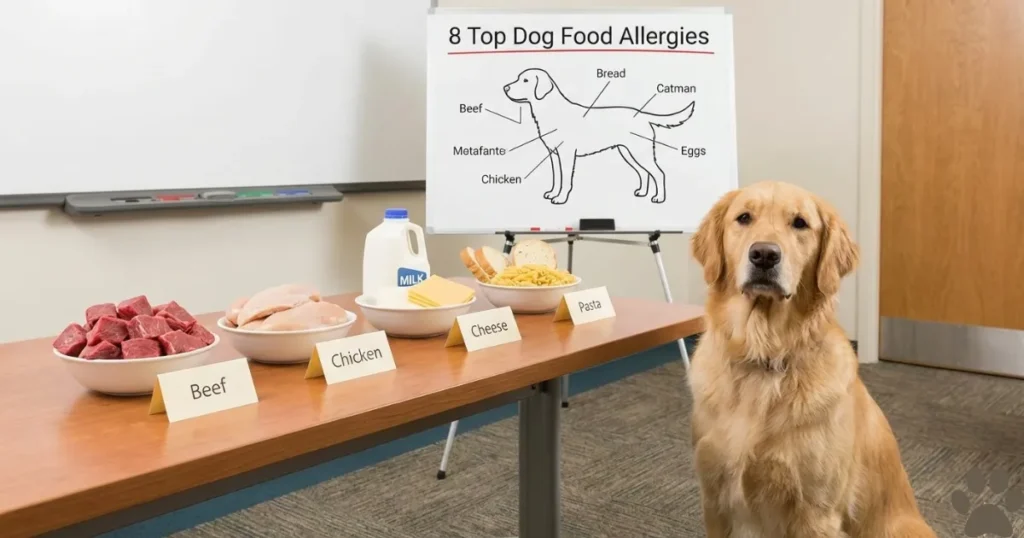
Understanding the top dog food allergies helps owners recognize problems early and take decisive action. In my years working with Golden Retrievers, I’ve observed that certain proteins and ingredients trigger reactions far more frequently than others. While every dog is unique, patterns emerge – beef, chicken, dairy, and wheat dominate the allergen list. Yet many owners unknowingly feed these ingredients daily, unaware they’re fueling their dog’s discomfort.
Golden Retrievers face heightened susceptibility to food allergies due to genetic factors affecting immune regulation. What makes this particularly challenging is that food allergies often develop gradually, with dogs tolerating ingredients for months or years before suddenly reacting. This guide identifies the most common culprits, explains why they trigger reactions, and provides actionable strategies for managing your Golden Retriever’s dietary sensitivities effectively.
Contents
- 1 The 8 Most Common Dog Food Allergies in Golden Retrievers
- 2 Why Proteins Dominate the Top Dog Food Allergies List
- 3 6 Critical Factors That Increase Food Allergy Risk
- 4 Definitive Statements on Dog Food Allergies
- 5 7 Unmistakable Signs Your Golden Retriever Has Food Allergies
- 5.1 1. Year-Round Itching Without Seasonal Pattern.
- 5.2 2. Chronic Ear Infections Every 4-8 Weeks.
- 5.3 3. Face, Paw, and Groin Redness.
- 5.4 4. Gastrointestinal Symptoms Alongside Skin Issues.
- 5.5 5. Hot Spots Developing Frequently
- 5.6 6. Poor Response to Standard Allergy Medications
- 5.7 7. Improved Symptoms During Fasting.
- 6 How to Systematically Identify Your Dog’s Specific Allergies
- 7 Treatment Options Beyond Dietary Management
- 8 Long-Term Management of Multiple Food Allergies
- 8.1 Maintain Detailed Food Journals.
- 8.2 Establish Safe Food Lists.
- 8.3 Plan for Life Transitions:
- 8.4 Prepare for Emergencies.
- 8.5 Annual Veterinary Monitoring:
- 8.6 What are the top dog food allergies?
- 8.7 How can I tell if my Golden Retriever has food allergies?
- 8.8 Are grain-free diets necessary for food allergies?
- 8.9 How long does it take to diagnose food allergies?
- 8.10 Can dogs develop new food allergies over time?
- 8.11 Should I avoid all the top allergens for my Golden Retriever?
- 8.12 Are blood tests reliable for diagnosing food allergies?
- 8.13 What’s the difference between food allergies and food intolerance?
- 9 Conclusion
The 8 Most Common Dog Food Allergies in Golden Retrievers
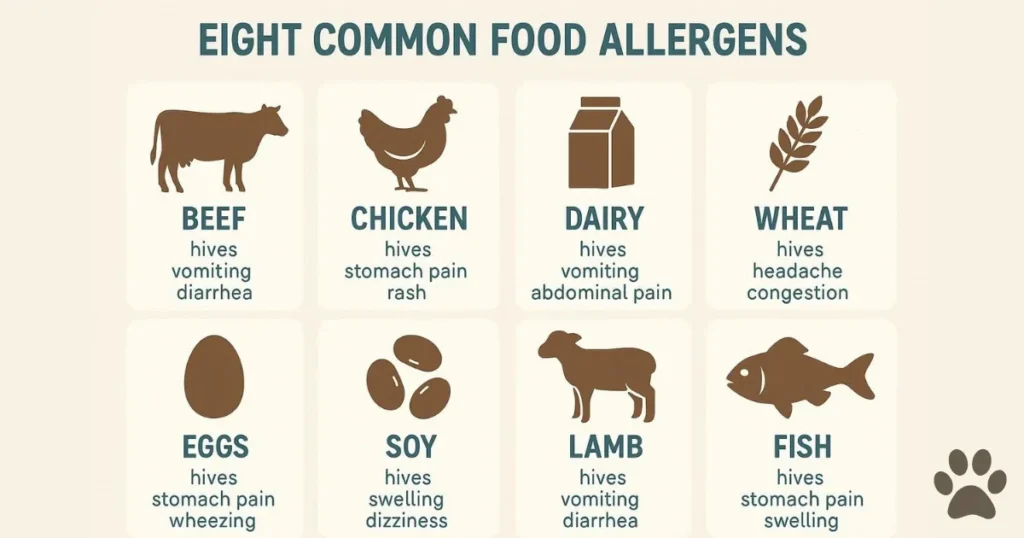
Based on clinical evidence and my experience treating allergic Golden Retrievers, these eight ingredients cause the vast majority of food-related allergic reactions:
1. Beef
Why It Ranks # 1:
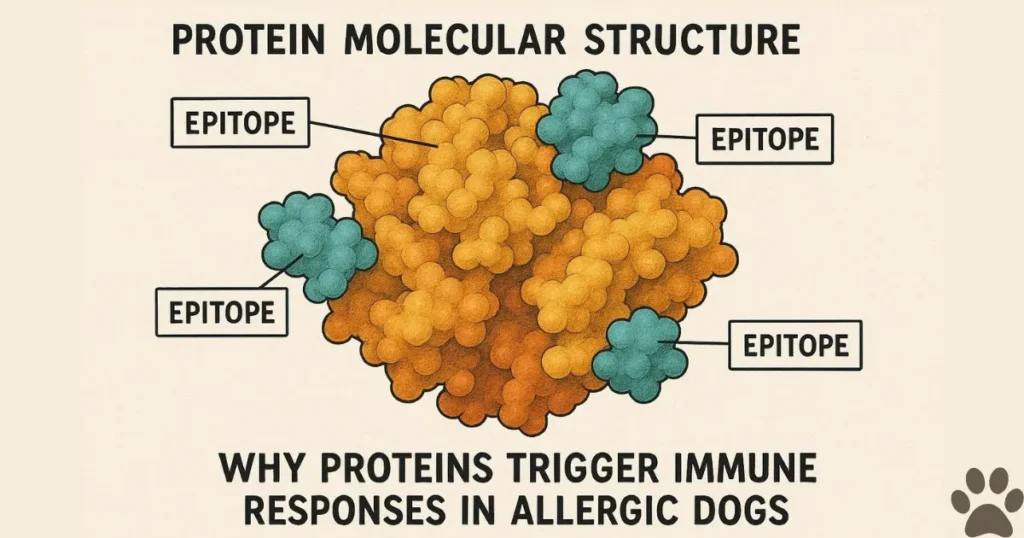
Beef tops the list of top dog food allergies because it appears in countless commercial formulas, treats, and even some supplements. Extended exposure over years increases sensitization risk. The protein structure in beef contains multiple epitopes – specific amino acid sequences – that commonly trigger immune responses in predisposed dogs.
How It Manifests:
Golden Retrievers allergic to beef typically develop chronic ear infections, face rubbing, paw licking, and ventral (belly) redness. Gastrointestinal symptoms like soft stools or increased gas may accompany skin issues. Some dogs show symptoms within hours of eating beef, while others accumulate inflammation over days.
Hidden Sources:
Beef appears as “beef meal,” “beef by-products,” “beef fat,” or generic “meat meal” in ingredient lists. Treats, dental chews, and rawhides frequently contain beef derivatives. Even some medications use beef flavoring. Vigilance in reading all product labels becomes essential during beef elimination.
2. Chicken
Why It’s So Common:
Chicken is widely used in commercial dog food formulations due to its cost-effectiveness and palatability. This widespread use means most dogs eat chicken from puppyhood onward, creating ample opportunity for sensitization. In canine immunology, repeated antigen exposure over time increases the risk of allergy development in genetically susceptible individuals.
Clinical Presentation:
Chicken-allergic Golden Retrievers often present with intense itching around the face, ears, paws, and groin. Hot spots develop rapidly in severe cases. Chronic ear infections resistant to standard treatment strongly suggest underlying chicken allergy, particularly when infections recur weeks after antibiotic courses end.
Ubiquity Challenge:
Chicken hides in unexpected places – treats marketed as “beef flavored” may contain chicken fat. Training treats, dental products, and flavored medications frequently use chicken. Even some fish-based foods contain chicken meal or fat. Truly eliminating chicken requires scrutinizing every product.
3. Dairy Products
Why Dairy Causes Problems:
While lactose intolerance differs from true dairy allergy, many dogs react to dairy proteins like casein and whey. Golden Retrievers are predisposed to developing immune responses against these proteins. Dairy appears less frequently in dog food than beef or chicken, but features prominently in treats and table scraps.
Symptom Pattern:
Dairy allergies often manifest with gastrointestinal symptoms alongside skin issues. Chronic soft stools, flatulence, and occasional vomiting combined with mild to moderate itching suggest dairy sensitivity. Some Golden Retrievers tolerate small amounts but react to larger quantities, complicating diagnosis.
Common Sources:
Beyond obvious sources like cheese and yogurt, dairy appears in biscuits, training treats, and some prescription diets. Whey protein supplements, occasionally added to food for underweight dogs, trigger reactions in dairy-allergic animals. Even “lactose-free” products contain dairy proteins that cause allergic reactions.
4. Wheat
Grain Allergy Reality:
While grain-free diet trends suggest widespread grain allergies, true wheat allergy occurs less frequently than protein allergies but still ranks among the top dog food allergies. Wheat gluten contains specific proteins that trigger immune responses in susceptible Golden Retrievers. Environmental wheat pollen allergies differ from food-based wheat reactions.
How It Presents:
Wheat-allergic dogs typically show less severe reactions than protein-allergic dogs. Mild to moderate itching, occasional gastrointestinal upset, and seasonal-seeming flares (actually related to increased treat consumption during holidays when wheat-based baked goods are shared) characterize wheat allergies.
Prevalence in Products:
Wheat appears as flour, wheat gluten, wheat germ, and various derivatives in commercial foods, treats, and training rewards. Many “human food” treats, such as bread, crackers, or pasta, shared with dogs contain wheat. Identifying wheat requires carefully reading ingredient lists.
5. Eggs
Allergy Mechanism:
Egg proteins, particularly in egg whites, contain albumin and other compounds recognized as foreign by reactive immune systems. Eggs appear less commonly in dog food than beef or chicken but feature in treats, supplements, and some premium formulas marketed for coat quality.
Clinical Signs:
Egg-allergic Golden Retrievers may develop hives, facial swelling, or generalized itching within hours of consumption. Some dogs show delayed reactions with symptoms appearing 12-24 hours post-ingestion. Concurrent digestive symptoms occur in approximately 30% of egg-allergic dogs.
Where Eggs Hide:
Beyond obvious sources, eggs appear in many baked treats, some nutritional supplements, and premium foods that list “whole egg” or “egg product” as ingredients. Egg-based vaccines used in some preventive medications can occasionally trigger reactions in severely egg-allergic dogs, though this remains rare.
6. Soy
Why Soy Matters:
Soy provides economical protein in commercial dog foods and appears frequently as “soy meal,” “soy protein concentrate,” or “soy flour.” Some prescription hypoallergenic diets use hydrolyzed soy protein – the hydrolyzation process typically prevents reactions, but intact soy proteins trigger allergies in sensitive Golden Retrievers.
Symptom Profile:
Soy allergies often present with gastrointestinal symptoms more prominently than other food allergies. Chronic loose stools, gas, and occasional vomiting, along with mild skin irritation, suggest possible soy sensitivity. Some dogs tolerate hydrolyzed soy while reacting to intact soy protein.
Ingredient Lists:
Soy appears under various names: soybean meal, soy protein isolate, soy flour, soybean oil (rarely allergenic as refined oil lacks protein), and textured vegetable protein. Asian-inspired treats or foods may contain higher levels of soy. Reading labels carefully identifies soy presence.
7. Lamb
Historical Context:
Lamb was once the primary “novel protein” for elimination diets. Increased lamb usage in commercial foods over recent decades means fewer dogs remain lamb-naive, allowing sensitization to develop. Lamb now ranks among the top dog food allergies rather than hypoallergenic alternatives.
How It Appears:
Lamb allergies present similarly to other protein allergies – chronic itching, ear infections, skin lesions, and gastrointestinal issues. Because lamb was added to commercial formulations as a hypoallergenic option, owners sometimes struggle to accept it as an allergen, delaying proper diagnosis.
Prevalence:
Lamb appears in numerous commercial formulas marketed for “sensitive stomachs” or “food sensitivities.” This ironic situation means dogs supposedly eating hypoallergenic food may be consuming their actual allergen. When lamb elimination trials fail, owners and veterinarians must consider the lamb itself as the trigger.
8. Fish
Uncommon but Notable:
Fish allergies occur less frequently than other top dog food allergies but deserve mention. Salmon is increasingly appearing in commercial foods, treats, and supplements marketed for their omega-3 content. Dogs can develop allergies to specific fish types while tolerating others – salmon allergy doesn’t necessarily mean tuna allergy.
Clinical Picture:
Fish-allergic Golden Retrievers may develop acute symptoms – hives, facial swelling, or intense itching – shortly after consumption. The rapid onset helps identify fish as the culprit more easily than proteins, which cause delayed reactions. Some dogs develop an aversion to fish-based foods before owners recognize actual allergies.
Sources:
Fish appear as named species (salmon, whitefish, menhaden) or generically as “fish meal” or “fish oil.” Treats marketed for dental health often feature fish. Omega-3 supplements almost universally contain fish oil, potentially triggering reactions in severely fish-allergic dogs who might tolerate algae-based alternatives.
Why Proteins Dominate the Top Dog Food Allergies List
In veterinary medicine, proteins cause over 90% of food allergies in dogs. Carbohydrates, fats, and vitamins rarely trigger true allergic reactions. The immune system responds to protein structures – specific amino acid sequences within proteins that the body misidentifies as threats.
Protein size matters significantly. Large, complex proteins with multiple epitopes (immune-recognition sites) trigger allergies more readily than smaller, simpler proteins. This explains why beef and chicken, both large protein molecules, top the allergen list, while simpler proteins cause fewer problems.
Processing methods influence allergenicity. Raw proteins differ structurally from cooked proteins, potentially affecting immune recognition. However, both raw and cooked versions of allergenic proteins typically trigger reactions once sensitization occurs. The notion that raw feeding prevents food allergies lacks scientific support.
Cross-reactivity between proteins explains why some Golden Retrievers react to multiple protein sources. Proteins sharing similar amino acid sequences may all trigger immune responses. A dog allergic to chicken might react to turkey or duck due to structural similarities, though this varies from dog to dog.
Vet’s Tip: When multiple protein allergies exist, consider hydrolyzed protein formulas, in which proteins are broken into fragments too small for immune recognition, bypassing the need to identify truly novel proteins.
6 Critical Factors That Increase Food Allergy Risk
Understanding what predisposes Golden Retrievers to developing food allergies helps owners make informed decisions:
1. Genetic Predisposition
Golden Retrievers carry genetic susceptibility to immune dysregulation and atopic conditions. If a dog’s parents or siblings had food allergies, the risk increases substantially. Responsible breeders should disclose a family history of allergies, though many don’t systematically track this information.
2. Early Life Gastrointestinal Inflammation
Puppies experiencing intestinal parasites, infections, or inflammatory conditions during critical development periods face a higher allergy risk. Compromised gut barrier function allows intact proteins to enter the bloodstream, triggering inappropriate immune responses. Prompt parasite treatment and maintaining gut health during puppyhood may reduce the risk of sensitization.
3. Prolonged Single-Protein Exposure
Feeding the same protein source exclusively for years increases sensitization probability. The immune system encounters the protein repeatedly, and in predisposed dogs, tolerance eventually breaks down. While protein rotation remains controversial (some believe it increases risk), extended exposure to single proteins definitely contributes to allergies.
4. Antibiotic Disruption of Gut Microbiome
Repeated or prolonged antibiotic use during critical periods alters gut bacteria populations. Beneficial bacteria help train the immune system appropriately. Disrupted microbiomes may fail to establish proper immune tolerance, predisposing to allergic disease. When antibiotics are medically necessary, following with probiotic therapy may help restore balance.
5. Concurrent Environmental Allergies
Golden Retrievers with atopic dermatitis (environmental allergies) face an elevated food allergy risk. Chronic inflammation from environmental triggers may lower the threshold for developing food sensitivities. Aggressively managing environmental allergies might reduce the development of food allergies, though research remains limited.
6. Compromised Skin Barrier Function
Genetic or acquired skin barrier defects allow increased allergen penetration and promote allergic sensitization. Golden Retrievers with chronic skin infections, seborrhea, or other dermatological conditions may develop food allergies secondary to impaired barrier function. Maintaining healthy skin through proper grooming and addressing skin conditions promptly supports immune tolerance.

Definitive Statements on Dog Food Allergies
Golden Retrievers are among the breeds most predisposed to developing food allergies, with genetic factors significantly influencing susceptibility. Breed-specific immune system characteristics increase allergy risk compared with those of many other breeds.
In canine dermatology, food allergies account for approximately 10-15% of cases of allergic skin disease. While significant, environmental allergies remain more prevalent overall, affecting 15-30% of the dog population.
Protein sources are the primary cause of food allergies in dogs. Carbohydrates, fats, vitamins, and minerals rarely trigger true allergic reactions. The immune system specifically recognizes and reacts to protein structures.
Dogs develop allergies to proteins they’ve actually consumed, not proteins they’ve never encountered. This principle underlies novel protein-elimination diet strategies: using proteins the dog hasn’t eaten prevents allergic reactions because no prior sensitization has occurred.
Elimination diet trials lasting 8-12 weeks using novel proteins or hydrolyzed formulas remain the diagnostic gold standard for food allergies. Blood tests and intradermal skin testing for food allergies are unreliable and shouldn’t guide dietary decisions without supporting evidence from an elimination trial.
7 Unmistakable Signs Your Golden Retriever Has Food Allergies
Recognizing food allergy symptoms early enables faster intervention and better outcomes:
1. Year-Round Itching Without Seasonal Pattern.
Unlike environmental allergies that flare during specific pollen seasons, food allergies cause consistent symptoms throughout the year. If your Golden Retriever itches equally in January and July, food allergies warrant investigation.
2. Chronic Ear Infections Every 4-8 Weeks.
Recurrent ear infections despite proper treatment strongly suggest underlying food allergies. The ears serve as an early warning system – persistent infections indicate inadequate allergy control.
3. Face, Paw, and Groin Redness.
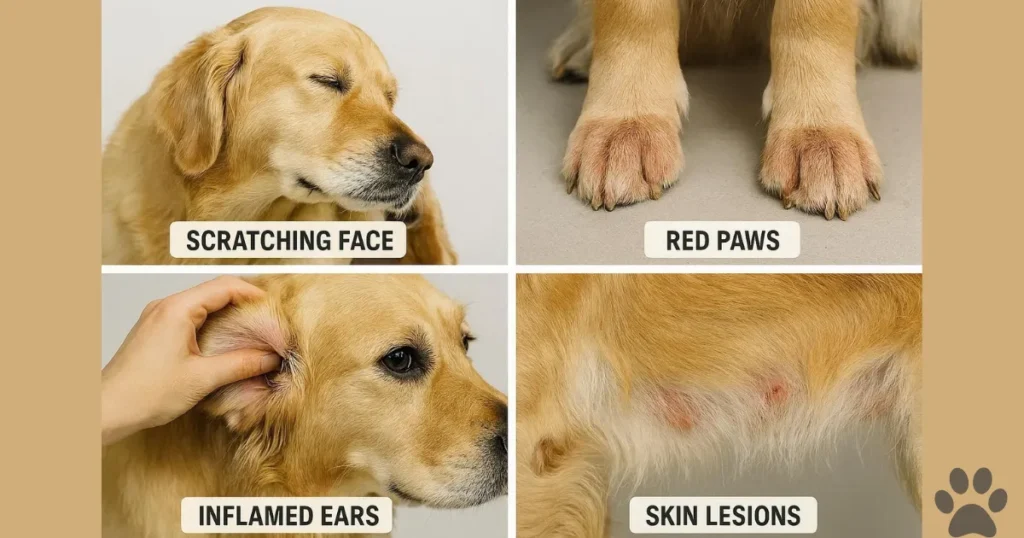
Food allergies typically concentrate in these areas. The face, especially around the eyes and muzzle, the paws, including the webbing between the toes, and the groin/ventral abdomen show distinctive redness and inflammation.
4. Gastrointestinal Symptoms Alongside Skin Issues.
Concurrent loose stools, gas, or occasional vomiting with skin problems strongly indicate food allergies rather than environmental triggers. This combination narrows diagnostic focus considerably.
5. Hot Spots Developing Frequently
Acute moist dermatitis or “hot spots” appearing regularly suggest underlying allergic inflammation. Food-allergic dogs create these lesions through intense scratching and licking of inflamed skin.
6. Poor Response to Standard Allergy Medications
When antihistamines, steroids, or newer medications like Apoquel provide minimal or temporary relief, food allergies may be the primary driver. These medications manage symptoms but don’t address dietary triggers.
7. Improved Symptoms During Fasting.
If symptoms improve noticeably when your dog hasn’t eaten for 12-24 hours (like before veterinary procedures requiring fasting), food allergies are highly probable. This improvement occurs because the allergen temporarily leaves the system.
How to Systematically Identify Your Dog’s Specific Allergies
Determining which of the top dog food allergies affects your Golden Retriever requires methodical investigation:
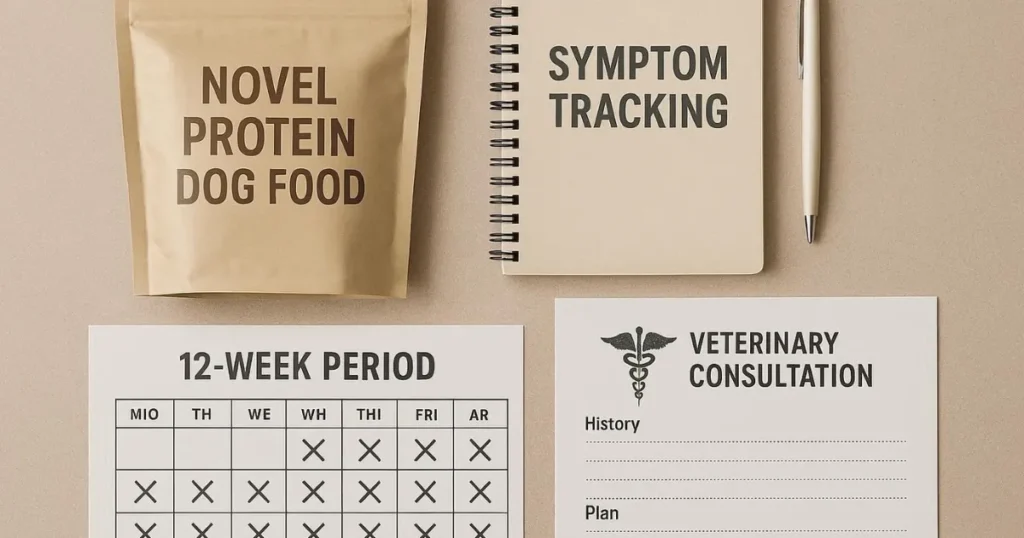
Phase 1: Select Novel Protein or Hydrolyzed Formula.
Choose either a single protein your Golden Retriever has definitively never eaten (duck, venison, rabbit, kangaroo) or a prescription hydrolyzed formula where proteins are broken into non-allergenic fragments. Verify your dog truly hasn’t consumed this protein in any form – treats, supplements, or previous foods.
Phase 2: Strict Elimination Period (8-12 Weeks)
Feed only the chosen food with absolutely no exceptions. No treats, table scraps, flavored medications, or supplements unless confirmed allergen-free. Even a single piece of cheese or chicken-flavored pill can trigger reactions lasting weeks, invalidating the trial. Family members, visitors, and dog walkers must understand and comply with dietary restrictions.
Phase 3: Document symptoms weekly
Photograph skin lesions, rate itching intensity on a 1-10 scale, track ear infections, and note stool quality and energy levels. Weekly documentation reveals patterns invisible to daily observation. Many owners believe nothing has changed, even though photos clearly show improvement.
Phase 4: Assess Results at 12 Weeks.
If symptoms substantially improved or resolved, food allergies are confirmed. If no improvement occurred, either the novel protein wasn’t truly novel, your dog doesn’t have food allergies, or secondary issues (infections, environmental allergies) mask improvement. Veterinary reassessment guides next steps.
Phase 5: Systematic Protein Challenge.
Once the elimination trial succeeds, begin reintroducing old proteins individually. Feed each protein exclusively for 2 weeks. If symptoms return, you’ve identified an allergen. If no symptoms after 2 weeks, that protein is safe. Test each major protein from the original diet systematically.
This process requires dedication but provides definitive answers. The investment in time and discipline pays dividends through years of effective allergy management.
Treatment Options Beyond Dietary Management
While eliminating top dog food allergies from the diet forms the foundation, additional therapies support optimal outcomes:
Omega-3 Fatty Acid Supplementation
Marine-derived omega-3s (EPA and DHA from fish oil or algae) provide anti-inflammatory effects that complement dietary management. For Golden Retrievers, I recommend 50-75 mg combined EPA/DHA per kilogram body weight daily. Benefits appear gradually over 6-8 weeks as fatty acids incorporate into cell membranes and modulate inflammatory pathways.
Probiotic Therapy
Multi-strain probiotics containing Lactobacillus and Bifidobacterium species support gut health and immune regulation. Veterinary-formulated products with guaranteed CFU counts at expiration provide reliable benefits. Daily administration with meals optimizes colonization and effectiveness.
Immunotherapy for Concurrent Environmental Allergies.
Many Golden Retrievers suffer from both food and environmental allergies simultaneously. Allergy shots or sublingual immunotherapy targeting environmental allergens reduce the overall inflammatory burden, thereby improving the effectiveness of food allergy management. Comprehensive allergy control addresses all contributing factors.
Skin Barrier Support Products:
Topical treatments containing ceramides, essential fatty acids, and other barrier-supporting ingredients help restore compromised skin function. Regular use of these specialized products reduces allergen penetration and supports healing. Medicated shampoos control secondary infections while hypoallergenic moisturizers maintain skin health.
Short-Term Symptom Management.
While identifying and eliminating allergens, medications manage acute symptoms. Antibiotics treat secondary bacterial infections. Antifungals address Malassezia overgrowth. Anti-itch medications like Apoquel or Cytopoint provide relief during elimination trials. These symptom-control measures don’t replace dietary management but make the transition period more comfortable.
Long-Term Management of Multiple Food Allergies
Golden Retrievers reacting to multiple items on the top dog food allergies list require strategic long-term planning:
Maintain Detailed Food Journals.
Document every food item, treat, supplement, and medication your dog consumes. Record symptoms daily. This journal becomes invaluable when symptoms flare unexpectedly – you can backtrack to identify potential triggers. Digital apps or simple notebooks both work effectively.
Establish Safe Food Lists.
After completing the elimination and challenge phases, create a comprehensive list of confirmed safe proteins, carbohydrates, treats, and supplements. Share this list with everyone interacting with your dog – family, pet sitters, boarding facilities, trainers. Laminated wallet cards prevent accidental exposures.
Plan for Life Transitions:
Puppyhood, adulthood, senior years – nutritional needs change. Fortunately, most manufacturers offer life-stage variations of limited-ingredient and hydrolyzed formulas. Transition to age-appropriate versions of your dog’s safe food rather than introducing new proteins unnecessarily.
Prepare for Emergencies.
Stock extra food supply for natural disasters or supply chain disruptions. Identify alternative brands using your dog’s safe proteins as backup options. Know which 24-hour veterinary clinics stock prescription diets in case emergencies require immediate access to food.
Annual Veterinary Monitoring:
Blood work ensures nutritional adequacy of restricted diets, particularly important for dogs on limited formulations. Early detection of deficiencies allows supplementation before health problems develop. Skin examinations catch emerging issues early.
What are the top dog food allergies?
The top dog food allergies in dogs are beef, chicken, dairy, wheat, eggs, soy, lamb, and fish. Proteins cause over 90% of food allergies, with beef and chicken being the most frequent culprits due to their widespread use in commercial dog foods.
How can I tell if my Golden Retriever has food allergies?
Year-round itching, chronic ear infections every 4-8 weeks, face and paw redness, gastrointestinal issues alongside skin problems, and poor response to standard allergy medications all indicate possible food allergies. Definitive diagnosis requires elimination diet trials.
Are grain-free diets necessary for food allergies?
Grain-free diets are only necessary if your dog specifically reacts to grains. Protein allergies are far more common than grain allergies. Most Golden Retrievers with food allergies need novel protein sources, not grain elimination.
How long does it take to diagnose food allergies?
Elimination diet trials require 8-12 weeks for an accurate diagnosis. Gastrointestinal symptoms may improve within 2-4 weeks, but skin symptoms need the full 12 weeks to resolve. Rushing a diagnosis leads to inconclusive results and wasted effort.
Can dogs develop new food allergies over time?
Yes, dogs develop allergies to proteins they’ve eaten for months or years. Repeated exposure to the same proteins increases the risk of sensitization in predisposed Golden Retrievers. Foods that were safe for years can suddenly trigger reactions.
Should I avoid all the top allergens for my Golden Retriever?
No, only avoid ingredients your specific dog reacts to. Just because beef tops the allergen list doesn’t mean your Golden Retriever is allergic to it. Elimination trials identify your individual dog’s triggers rather than avoiding everything.
Are blood tests reliable for diagnosing food allergies?
Blood tests for food allergies are unreliable and shouldn’t guide dietary decisions. Elimination diet trials using novel proteins or hydrolyzed formulas remain the diagnostic gold standard. Save money and get accurate results through proper elimination protocols.
What’s the difference between food allergies and food intolerance?
Food allergies involve immune system reactions, causing inflammation and skin problems. Food intolerance causes digestive symptoms, such as diarrhea, without immune involvement. Both benefit from ingredient avoidance, though treatment approaches differ slightly.
Conclusion
Understanding the top dog food allergies – beef, chicken, dairy, wheat, eggs, soy, lamb, and fish – empowers Golden Retriever owners to recognize problems early and take decisive action. While these eight ingredients account for most food allergies, remember that every dog is unique. What triggers severe reactions in one Golden Retriever might be perfectly safe for another.
The path to identifying your dog’s specific allergies requires patience, discipline, and systematic investigation through proper elimination trials. Once you’ve identified triggers, lifelong dietary management becomes straightforward – avoid identified allergens while providing complete, balanced nutrition from safe sources.
Your Golden Retriever with allergies can live a full, comfortable, healthy life with proper management. The initial investment in diagnostic trials pays dividends through years of itch-free comfort and improved quality of life for both you and your beloved companion.
Share Your Golden Retriever’s Food Allergy Discovery Story
We want to hear from you! Which of the top dog food allergies affects your Golden Retriever? How did you finally identify the culprit ingredient causing your dog’s discomfort?
Share your experience:
- Which common allergen was causing your Golden Retriever’s symptoms?
- What symptoms led you to suspect food allergies?
- How long did the diagnosis take?
- What elimination diet protocol worked for you?
- Any unexpected challenges during the identification process?
- What advice would you give other owners starting this journey?
Your real-world experience helps other Golden Retriever parents recognize food allergies earlier and navigate the diagnostic process more confidently. Join our community using #GoldenRetrieverInsight and #DogFoodAllergies to connect with others managing canine food allergies.

Dr. Nabeel A.
Hi, I’m Dr. Nabeel Akram – a farm management professional by trade and a passionate Golden Retriever enthusiast at heart. With years of experience in animal science and livestock care, I’ve built a career around understanding animals—how they live, thrive, and bring value to our lives. This blog is a personal project born from that same passion, focusing on one of the most loyal and lovable breeds out there: the Golden Retriever. Whether I’m managing farm operations or sharing insights on canine health, behavior, and care, it all ties back to one core belief—animals deserve thoughtful, informed, and compassionate attention. Welcome to a space where professional expertise meets genuine love for dogs.
Facebook |
Links will be automatically removed from comments.