
Introducing a new diet to your dog can benefit your pet by giving them glossy fur and solving any allergic reactions to certain foods. But, suddenly switching the pet over may result in upset digestion, anxiety or a pet that refuses to eat. Thus, Switch Golden Retrievers Diet matters to take proper precautions and gradually adjust your dog’s diet. This guide will explain the best way to introduce your dog to a high-protein meal, a hypoallergenic product or any brand change.
Contents
- 1 The need for a gradual Switch Golden Retrievers Diet
- 2 Directions for Easing Your Dog’s Food Change
- 3 Avoid giving your pet any human food
- 4 Helpful ideas for a Smooth Transition
- 5 When should you contact a veterinarian?
- 5.1 How do I switch my Golden Retrievers diet safely?
- 5.2 How long does it take to switch a Golden Retriever’s food?
- 5.3 What happens if I switch my Golden Retriever’s diet too quickly?
- 5.4 Can I switch my Golden Retriever’s diet if they have allergies?
- 5.5 Should I switch my Golden Retriever to grain-free food?
- 6 Conclusion
The need for a gradual Switch Golden Retrievers Diet
The digestive system of your dog is easily affected by changes. Sharp changes in the diet may produce:
- Diarrhea
- Vomiting
- Not feeling like eating
- Gas or a bloated belly
Switch Golden Retrievers Diet gradually helps its digestive system avoid any problems.
Directions for Easing Your Dog’s Food Change
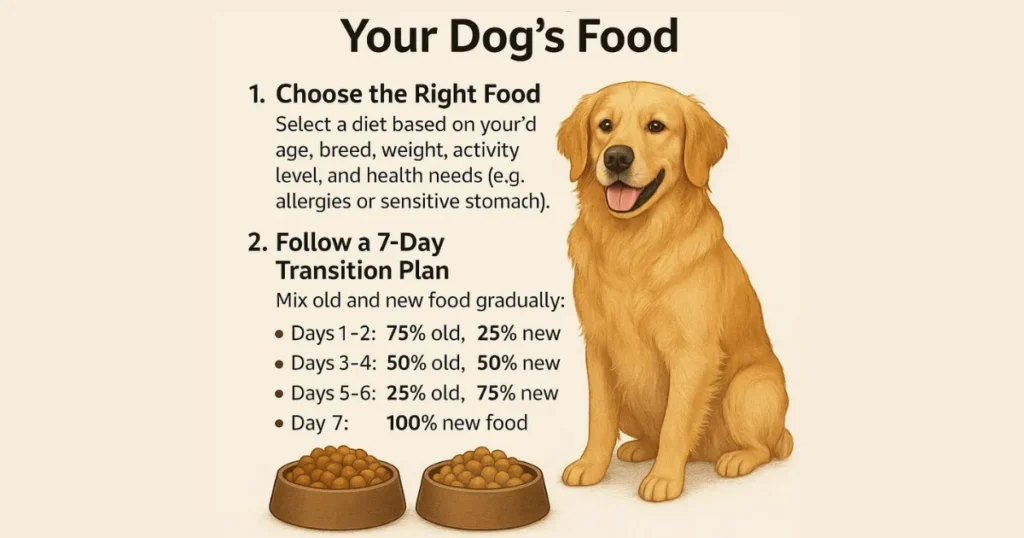
Step 1: Pick the Proper New Food
- Check that the new diet fits your dog’s needs and preferences, before making any changes.
- Dog life span (young, middle-aged or aging)
- Breed and weight
- Activity level
- Examples of health needs include allergies, obesity and a sensitive stomach.
- The preferred way to do it is by using the 7-day gradual transition.
Step 2: Old Food New Food
- The first day and the beginning of the second day, we cover 75% of the task and leave 25% for later.
On day 3 or 4, your chance of getting COVID-19 is about 50%. - The last few days before the test make up 25% of your study time and you still have 75% left.
By the end of 7 days, you should have finished the course. - A slow mix helps your dog’s digestion gradually get used to the new dog food.
- Watch and See How Your Dog Reacts
Step 3: While the process is happening, observe for the following.
- Stool changes
- Vomiting
- Lethargy
- Constant scratching or ear shaking
- Minor changes in your pet’s digestion are usual, yet you should consult the vet if their symptoms worsen or continue.
- Run the same feeding schedule for the kitten each day.
- Better anxiety management in pets can be achieved by feeding them at the same time or times daily. There should be enough fresh and clean water available at all times.
Step 4: Make Sure to Stick to the Same Feeding Times
Try to arrange that your dog eats its meals daily at about the same time to keep routine and calm them down. It is very important that there is always clean, fresh water nearby.
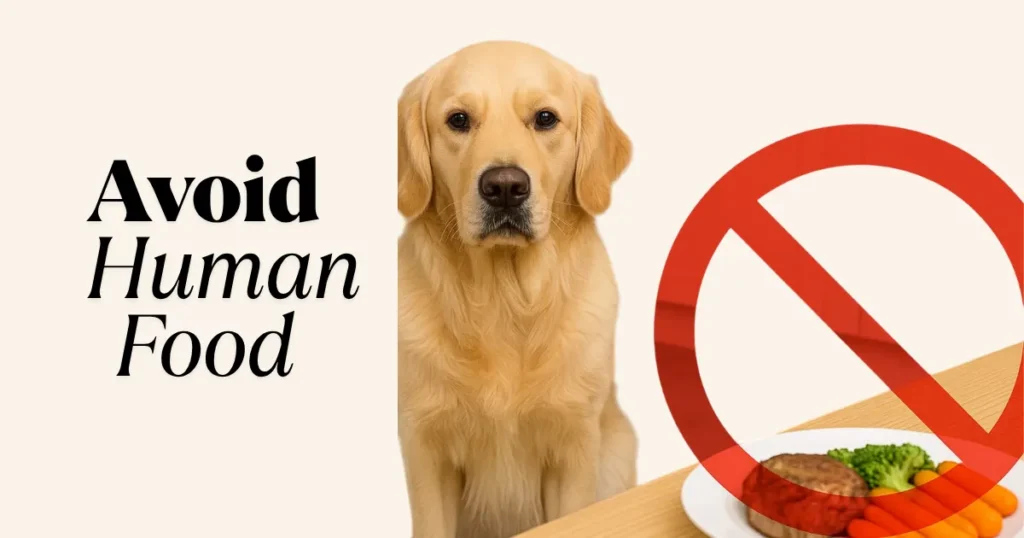
Avoid giving your pet any human food
While focusing on transitions, avoid introducing many new elements at the same time. Give your dog just a few treats and no table food so the main focus is on getting used to the change.
Helpful ideas for a Smooth Transition
- Try to buy food with real meat only and with no added artificial ingredients.
- Microwave wet food so it is only slightly heated, as a way to enhance its smell and help more choosy pets.
- Use just one type of protein as you introduce new food if your dog is showing signs of allergies.
- Interact with your pet by giving small pieces of the unfamiliar food as treats to keep it enjoyable.

When should you contact a veterinarian?
Get in touch with your vet if you see any symptoms in your dog.
- A case of diarrhea that goes on for 2 days or more
- Not eating for more than one day
- Vomiting or the person looking dehydrated
- Major changes in behavior
How do I switch my Golden Retrievers diet safely?
Switch Golden Retrievers diet gradually over 7-10 days. Days 1-2: mix 25% new food with 75% old. Days 3-5: use a 50-50 ratio. Days 6-8: feed 75% new, 25% old. Days 9-10: transition to 100% new food to prevent digestive upset.
How long does it take to switch a Golden Retriever’s food?
Take 7-10 days minimum to switch Golden Retrievers diet safely. Gradual transitions prevent diarrhea, vomiting, and stomach upset. Dogs with sensitive stomachs may need 14 days. Never switch abruptly– sudden changes cause serious digestive problems in Golden Retrievers.
What happens if I switch my Golden Retriever’s diet too quickly?
Rapid diet switches cause diarrhea, vomiting, gas, loss of appetite, and stomach pain in Golden Retrievers. Their digestive systems need time to adapt to new proteins and ingredients. Always transition gradually over 7-10 days to avoid gastrointestinal distress requiring veterinary treatment.
Can I switch my Golden Retriever’s diet if they have allergies?
Yes, but consult your veterinarian first. When switching Golden Retrievers diet for allergies, choose limited ingredient or novel protein formulas. Use a 10-14-day gradual transition. Monitor for symptom improvement over 8-12 weeks– digestive changes appear faster than skin improvements.
Should I switch my Golden Retriever to grain-free food?
Only if grain allergies are confirmed– most Golden Retrievers don’t need grain-free diets. Grain-free foods high in legumes are linked to heart disease (DCM). Before switching Golden Retrievers diet to grain-free, consult your veterinarian about your dog’s specific health needs.
Conclusion
You don’t have to worry about Switch Golden Retrievers Diet. Be patient, consistent and watch your dog’s behavior and you can safely switch them to new food. Feeding your dog a healthy diet will reward you with their happiness, extra energy and better overall well-being.

Dr. Nabeel A.
Hi, I’m Dr. Nabeel Akram – a farm management professional by trade and a passionate Golden Retriever enthusiast at heart. With years of experience in animal science and livestock care, I’ve built a career around understanding animals—how they live, thrive, and bring value to our lives. This blog is a personal project born from that same passion, focusing on one of the most loyal and lovable breeds out there: the Golden Retriever. Whether I’m managing farm operations or sharing insights on canine health, behavior, and care, it all ties back to one core belief—animals deserve thoughtful, informed, and compassionate attention. Welcome to a space where professional expertise meets genuine love for dogs.
Facebook |
Links will be automatically removed from comments.