
Watching your Golden Retriever puppy constantly scratch, develop red patches, or lose their enthusiasm because of skin discomfort breaks any owner’s heart. In my years of working with Golden Retrievers, I’ve found that puppy food allergies skin problems are far more common than most new owners realize. The good news? Early recognition and proper dietary management can prevent these issues from becoming lifelong struggles.
Golden Retriever puppies are particularly vulnerable to food-related skin reactions due to their genetic predisposition and developing immune systems. What makes puppy cases different from adult dogs is the critical window we have to intervene – address these issues early, and you may prevent sensitization that could plague your dog for years. Throughout this guide, I’ll share the diagnostic approaches, nutritional strategies, and management techniques that have helped countless Golden Retriever puppies in my care overcome food-related skin problems.
Contents
- 1 Understanding Food Allergies Versus Food Sensitivities in Puppies
- 2 8 Early Warning Signs of Puppy Food Allergies Skin Problems
- 3 How Puppy Food Allergies Develop: The Sensitization Process
- 4 7 Common Feeding Mistakes That Worsen Puppy Skin Allergies
- 5 Definitive Statements on Puppy Food Allergies and Skin
- 6 Choosing the Right Novel Protein for Your Golden Retriever Puppy
- 7 Step-by-Step Guide to Conducting an Elimination Diet Trial
- 8 6 Best Hypoallergenic Puppy Foods for Golden Retrievers
- 8.1 1. Royal Canin Hydrolyzed Protein HP for Puppies
- 8.2 2. Hill’s Prescription Diet z/d Small Bites
- 8.3 3. Blue Buffalo Basics Limited Ingredient Puppy Formula
- 8.4 4. Natural Balance L.I.D. Limited Ingredient Puppy Formula
- 8.5 5. Purina Pro Plan Veterinary Diets HA Hydrolyzed
- 8.6 6. Wellness CORE Puppy Formula (Deboned Turkey)
- 9 Managing Secondary Skin Infections During Food Trials
- 10 The Role of Omega-3 Fatty Acids in Reducing Skin Inflammation
- 11 Probiotic Support for Gut Health and Immune Regulation
- 12 When to See a Veterinary Dermatologist
- 13 Long-Term Outlook: Living with a Food-Allergic Golden Retriever
- 14 Preventing Food Allergies in Future Golden Retriever Puppies
- 14.1 What are the first signs of puppy food allergies affecting skin?
- 14.2 How long does it take for puppy food allergies skin symptoms to improve?
- 14.3 Can puppies outgrow food allergies?
- 14.4 What’s the difference between food allergies and food sensitivities in puppies?
- 14.5 Are grain-free diets necessary for puppies with skin allergies?
- 14.6 How do I choose hypoallergenic puppy food for my Golden Retriever?
- 14.7 Can I do an elimination diet at home without a vet?
- 14.8 Should I give my puppy supplements for food allergy skin problems?
- 15 Conclusion
- 16 Share Your Golden Retriever Puppy’s Food Allergy Journey
Understanding Food Allergies Versus Food Sensitivities in Puppies
Golden Retriever puppies can develop true food allergies or food sensitivities, and understanding the difference matters for treatment. Food allergies involve the immune system mounting an IgE-mediated response against specific proteins, triggering histamine release and inflammation. Food sensitivities or intolerances cause adverse reactions without immune involvement – think digestive upset or skin irritation without the full allergic cascade.
In veterinary medicine, we see both conditions manifest as skin problems in puppies. The itching, redness, and discomfort look similar whether the cause is true allergy or sensitivity. From a practical standpoint, the distinction matters less than identifying the trigger and eliminating it from your puppy’s diet.
Puppies typically develop food reactions between 3-12 months of age, though symptoms can appear earlier. Golden Retrievers are predisposed to atopic dermatitis and food allergies, making vigilant monitoring essential during the first year. The proteins most commonly causing reactions include chicken, beef, dairy, wheat, eggs, and soy – ironically, the same ingredients found in most commercial puppy foods.
8 Early Warning Signs of Puppy Food Allergies Skin Problems
Recognizing puppy food allergies skin symptoms early allows for faster intervention and better outcomes. These eight signs warrant immediate attention:

1. Persistent Face and Ear Rubbing
Puppies with food allergies obsessively rub their faces against furniture, carpets, or your legs. The skin around their eyes, muzzle, and ears becomes red and inflamed. I’ve noticed Golden Retriever puppies often develop ear infections alongside facial itching – the warm, moist ear canals create perfect conditions for secondary yeast or bacterial overgrowth.
2. Excessive Paw Licking and Chewing
Food-allergic puppies spend hours licking and chewing their paws, sometimes to the point of creating open sores. The webbing between toes becomes red, swollen, and may develop a characteristic brown staining from constant saliva contact. This behavior worsens at night when environmental distractions decrease.
3. Belly and Groin Redness
The ventral abdomen and groin area show distinctive redness and may feel hot to the touch. Puppies with food allergies often have these areas covered in small red bumps or hives. The thin skin in these regions reacts quickly to systemic inflammation from dietary triggers.
4. Hair Loss in Patches
Unlike the symmetrical hair loss from hormonal issues, food allergy hair loss appears in irregular patches where puppies scratch most intensely. Golden Retriever puppies may develop thin spots around their ears, tail base, and flanks. The remaining hair often appears dull and brittle.
5. Chronic Soft Stools or Diarrhea
Gastrointestinal symptoms accompanying skin issues strongly suggest food allergies rather than environmental triggers. Puppies may have frequent loose stools, mucus in their stool, or increased urgency to defecate. Some experience vomiting alongside diarrhea, particularly after eating.
6. Recurrent Ear Infections
Ear infections occurring every 4-6 weeks despite treatment indicate an underlying issue like food allergies. The ears produce excessive wax, smell yeasty, and cause puppies obvious discomfort. Golden Retrievers’ floppy ears compound this problem by trapping moisture and limiting air circulation.
7. Hot Spots Developing Rapidly
Acute moist dermatitis or “hot spots” appear suddenly as painful, weeping lesions surrounded by matted fur. Food-allergic puppies create these through intense scratching and licking. The lesions expand rapidly without intervention and become secondarily infected.
8. Year-Round Symptoms Without Seasonal Pattern
Unlike environmental allergies that flare during pollen seasons, food allergies cause consistent symptoms throughout the year. If your Golden Retriever puppy itches equally in January and July, food triggers are highly probable.
How Puppy Food Allergies Develop: The Sensitization Process
Golden Retrievers are predisposed to developing food allergies through a process called sensitization. The immature immune system encounters food proteins and, instead of recognizing them as harmless, mounts an inappropriate defensive response. With each subsequent exposure, the reaction intensifies.
Interestingly, puppies don’t develop allergies to foods they’ve never eaten – sensitization requires repeated exposure over weeks or months. This explains why puppies suddenly react to the same food they’ve eaten without problems for months. The immune system reaches a threshold where tolerance breaks down and allergic responses begin.
Genetics play a significant role. If a Golden Retriever puppy’s parents had food allergies or atopic dermatitis, the puppy faces higher risk. The breed’s genetic predisposition to immune dysregulation makes careful dietary management during puppyhood particularly important.
Environmental factors influence development too. Puppies experiencing gastrointestinal inflammation from parasites, infections, or stress may develop increased intestinal permeability -” leaky gut” – allowing more food proteins to enter the bloodstream and trigger immune responses.
7 Common Feeding Mistakes That Worsen Puppy Skin Allergies
Many well-intentioned owners inadvertently worsen their Golden Retriever puppy’s food allergies through these common mistakes:
1. Frequent Diet Changes
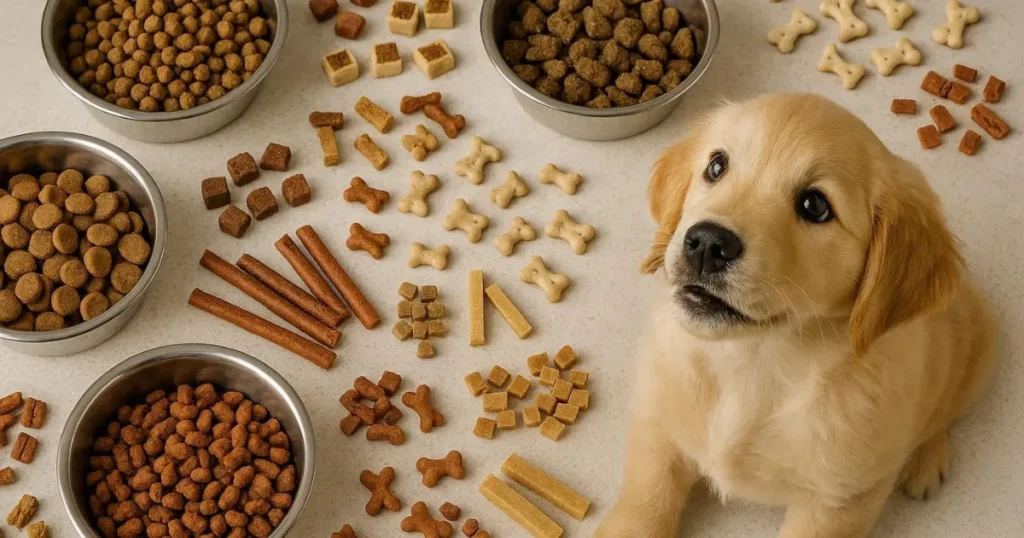
Switching puppy foods every few weeks to find “something that works” actually increases allergy risk. Each new protein introduces potential allergens. I recommend selecting a quality puppy food and maintaining it for at least 8-12 weeks before evaluating effectiveness.
2. Excessive Treat Variety
Training treats, dental chews, and table scraps introduce multiple proteins and additives. Many treats contain common allergens like chicken, beef, or dairy. During elimination trials, even small treat portions can trigger reactions lasting weeks.
3. Ignoring Training Treat Ingredients
Owners focus on main meals but forget training treats. If your puppy eats 20 chicken-based treats daily while on a duck-based elimination diet, you’ve compromised the entire trial. Use treats made from the same protein as the main diet.
4. Starting Elimination Diets Too Late
Waiting until puppies have severe skin damage and secondary infections complicates diagnosis and treatment. Starting elimination protocols at first signs of food allergies prevents unnecessary suffering and identifies triggers faster.
5. Inadequate Trial Duration Stopping elimination diets after 3-4 weeks because “nothing changed” misses the point – skin healing requires 8-12 weeks minimum. The immune system needs time to calm down and skin needs time to regenerate.
6. Medication without Dietary Change
Treating symptoms with antibiotics and steroids without addressing dietary causes creates a cycle of temporary improvement followed by relapse. Medications manage secondary infections and inflammation but don’t resolve the underlying food trigger.
7. Introducing Multiple New Proteins Simultaneously
When symptoms improve on elimination diets, owners sometimes reintroduce multiple old proteins at once. If reactions return, you won’t know which protein caused the problem, necessitating starting over.
Definitive Statements on Puppy Food Allergies and Skin
In canine dermatology, food allergies account for approximately 10-15% of all allergic skin disease in dogs, with puppies showing increasing incidence. Golden Retrievers are predisposed to developing food allergies earlier than many other breeds, often within the first year of life.
Proteins are the primary dietary trigger for food allergies in puppies, not carbohydrates or fats. The most common allergenic proteins are chicken, beef, dairy, and eggs – ingredients found in the majority of commercial puppy foods.
Grain-free diets do not prevent or treat food allergies unless the puppy specifically reacts to grains, which occurs less frequently than protein allergies. The grain-free trend addresses a problem that affects relatively few puppies.
Elimination diet trials using novel proteins remain the gold standard for diagnosing food allergies in puppies. Blood tests and skin tests for food allergies have poor reliability and should not guide dietary decisions.
Puppies diagnosed with food allergies require lifelong dietary management. Unlike some environmental allergies that dogs may outgrow, food allergies typically persist throughout a dog’s life once established.
Choosing the Right Novel Protein for Your Golden Retriever Puppy
Novel protein selection forms the foundation of successful elimination diet trials. A novel protein is simply one your puppy has never eaten before – if your Golden Retriever puppy has only eaten chicken-based foods, then duck, rabbit, venison, or fish qualify as novel.
Best Novel Proteins for Golden Retriever Puppies:
Duck – Highly palatable and well-tolerated by most puppies. Duck-based puppy foods are readily available and provide excellent nutrition for growing Golden Retrievers. The fatty acid profile supports skin health.
Salmon
Rich in omega-3 fatty acids that reduce inflammation and support skin barrier function. Many Golden Retriever puppies tolerate fish proteins well. Watch for fishy breath, which some owners find unpleasant but poses no health concern.
Venison
Lean protein that puppies rarely encounter in standard foods. Venison-based options are more expensive but highly effective for elimination trials. The meat is naturally lean, so ensure the formula includes adequate fat for puppy growth.
Rabbit
Extremely hypoallergenic but less commonly available. Rabbit works exceptionally well for puppies with multiple protein sensitivities. The novelty means most puppies have zero prior exposure.
Kangaroo
Exotic protein with excellent nutritional profile. Availability is limited to specialized brands. Kangaroo is naturally lean and rich in omega-3 fatty acids.
Hydrolyzed Proteins
For puppies with severe, multi-protein allergies, hydrolyzed formulas break proteins into fragments too small to trigger immune responses. These prescription diets bypass the need for novel proteins entirely.
Vet’s Tip: Start elimination trials with proteins your puppy will likely eat long-term. Switching between multiple novel proteins wastes opportunities and may cause new sensitivities.
Step-by-Step Guide to Conducting an Elimination Diet Trial
Elimination diet trials require discipline and patience but provide definitive answers about food allergies. Here’s the protocol I recommend:
Week 1-2: Preparation Phase
Select a single novel protein puppy food or prepare a homemade diet with veterinary nutritionist guidance. Purchase enough food for 12 weeks to avoid mid-trial formula changes. Photograph all affected skin areas and document symptoms (itching frequency, stool quality, energy levels).
Week 3-10: Strict Elimination Phase
Feed only the chosen novel protein food – nothing else. No treats, table scraps, flavored medications, or supplements unless absolutely necessary and allergen-free. All family members must understand and comply. Even one treat containing allergens can invalidate weeks of progress.
Week 11-12: Evaluation Phase
Assess improvement. Has itching decreased? Are skin lesions healing? Have gastrointestinal symptoms resolved? If yes, your puppy likely has food allergies to previous proteins. If no improvement occurs, either the novel protein isn’t novel (prior exposure you forgot about), your puppy doesn’t have food allergies, or secondary infections mask improvement.
Week 13+: Challenge Phase
Systematically reintroduce old proteins one at a time, feeding each for 2 weeks. If symptoms return, you’ve identified an allergen. If symptoms don’t return after 2 weeks, that protein is safe. Continue until you’ve tested all major proteins from the original diet.
This process seems lengthy but provides accurate, actionable results. Blood tests and intradermal testing for food allergies lack the reliability of properly conducted elimination trials.
6 Best Hypoallergenic Puppy Foods for Golden Retrievers
Based on my experience with food-allergic Golden Retriever puppies, these formulas consistently deliver results:
1. Royal Canin Hydrolyzed Protein HP for Puppies
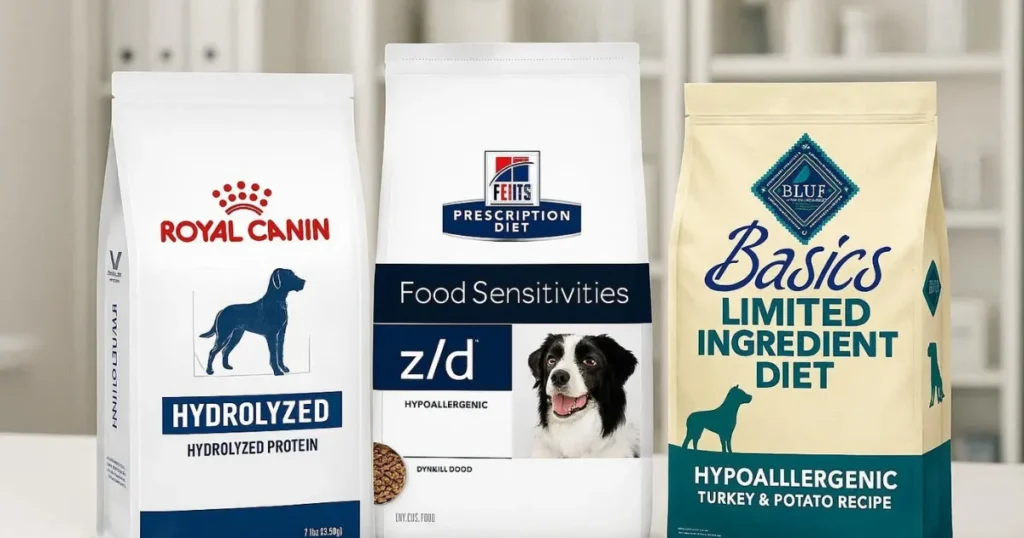
Prescription hydrolyzed formula specifically designed for growing dogs. The soy-based protein is broken into fragments preventing immune recognition. Includes DHA for cognitive development and balanced calcium/phosphorus for skeletal growth. Palatability challenges some puppies initially, but most adapt.
2. Hill’s Prescription Diet z/d Small Bites
Hydrolyzed chicken liver protein provides complete nutrition for puppies. Highly digestible and clinically proven to reduce skin and gastrointestinal signs within 8-12 weeks. Better palatability than most hydrolyzed options.
3. Blue Buffalo Basics Limited Ingredient Puppy Formula
Over-the-counter option featuring single animal protein (turkey) with potato. Contains DHA and ARA for brain and eye development. No chicken, beef, dairy, eggs, or corn. Good for initial trials before escalating to prescription options.
4. Natural Balance L.I.D. Limited Ingredient Puppy Formula
Duck and potato base with sweet potato provides novel protein and carbohydrate. Includes appropriate fat levels for puppy growth. Reasonably priced for long-term feeding if trial succeeds.
5. Purina Pro Plan Veterinary Diets HA Hydrolyzed
Rice and hydrolyzed soy protein suitable for puppies. Research-backed formula with proven outcomes. Contains antioxidants supporting developing immune systems.
6. Wellness CORE Puppy Formula (Deboned Turkey)
Single protein source with grain-free carbohydrates. Not strictly limited ingredient but works well for puppies with beef or chicken allergies specifically. Contains probiotics supporting gut health.
Managing Secondary Skin Infections During Food Trials
Puppy food allergies skin damage creates opportunities for bacterial and yeast infections. These secondary infections require treatment while conducting elimination trials – you can’t accurately assess food trial success if untreated infections continue causing symptoms.
Bacterial Pyoderma Treatment
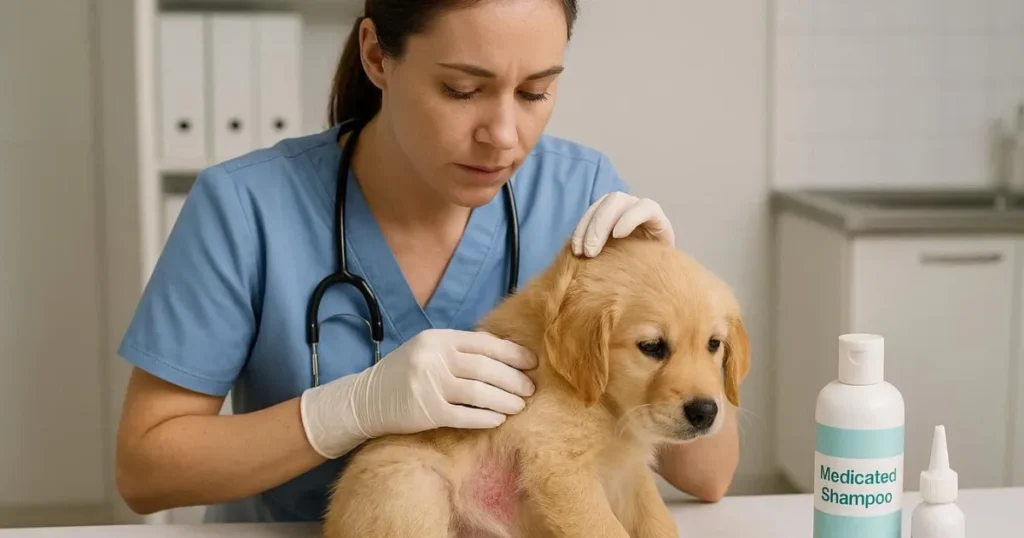
Superficial bacterial skin infections require 3-4 weeks of oral antibiotics. I typically prescribe cephalexin or amoxicillin-clavulanate for Golden Retriever puppies. Medicated shampoos containing chlorhexidine or benzoyl peroxide accelerate healing when used 2-3 times weekly.
Yeast Dermatitis Management
Malassezia yeast thrives in warm, moist areas – ears, paws, skin folds, groin. Antifungal medications like ketoconazole or fluconazole treat systemic infections. Topical antifungal shampoos and wipes provide additional relief. The characteristic “corn chip” smell indicates yeast overgrowth.
Hot Spot Treatment
Clip fur around hot spots to allow air circulation and topical medication penetration. Clean with antimicrobial solution and apply topical antibiotic ointments. Severe cases need oral antibiotics and anti-inflammatories. Prevent self-trauma with Elizabethan collars.
Concurrent Parasite Treatment
Ensure puppies are current on flea prevention – flea allergy dermatitis often coexists with food allergies, making diagnosis murky. Treat any intestinal parasites that might increase gut permeability and worsen food sensitivities.
Continue food elimination trials even while treating secondary infections. Document separately which symptoms improve from medications versus dietary changes. True assessment comes 2-3 weeks after finishing medications when you can evaluate diet effects alone.
The Role of Omega-3 Fatty Acids in Reducing Skin Inflammation
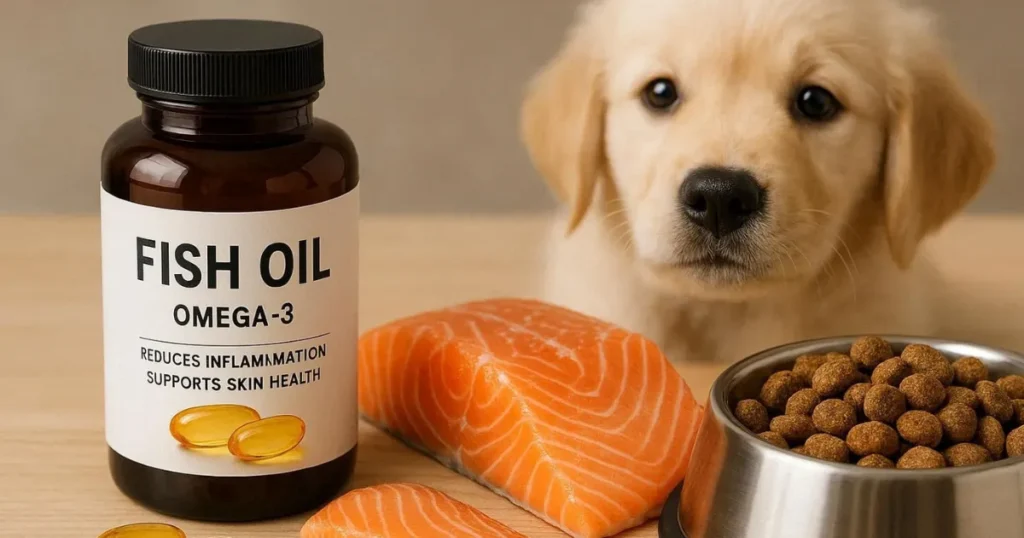
Omega-3 fatty acids – specifically EPA and DHA from marine sources – provide powerful anti-inflammatory effects for puppies with food allergies. These essential fatty acids incorporate into cell membranes, modulating inflammatory responses and supporting skin barrier function.
For Golden Retriever puppies, I recommend omega-3 supplementation at 50-75 mg combined EPA/DHA per kilogram body weight daily. A 20-pound puppy needs approximately 450-680 mg daily. Fish oil supplements or foods rich in salmon oil provide these levels.
The omega-6 to omega-3 ratio matters significantly. Most commercial puppy foods contain excessive omega-6 from vegetable oils, promoting inflammation. Ideally, ratios should be 5:1 or lower. Novel protein foods specifically formulated for allergies typically balance fatty acids appropriately.
Benefits appear gradually over 6-8 weeks as omega-3s accumulate in tissues. Improved skin health, reduced itching intensity, and shinier coat quality indicate effectiveness. Side effects are minimal – occasional loose stools if doses are too high initially.
Quality matters immensely. Choose pharmaceutical-grade fish oils with guaranteed EPA/DHA content and third-party purity testing. Rancid fish oil loses effectiveness and may cause digestive upset. Store bottles in cool, dark places and use within expiration dates.
Probiotic Support for Gut Health and Immune Regulation
Gut health profoundly influences immune function and allergic disease development. The gastrointestinal tract houses 70% of the immune system, making gut microbiome balance critical for puppies developing food allergies.
Probiotics containing Lactobacillus and Bifidobacterium species help restore healthy gut flora, strengthen intestinal barriers, and modulate immune responses. Research shows specific strains reduce allergic symptoms in puppies predisposed to atopic conditions.
For Golden Retriever puppies with food allergies, I recommend multi-strain probiotics providing at least 1-2 billion CFU per dose. Administer daily with meals for best colonization. Prebiotics like fructooligosaccharides (FOS) or inulin feed beneficial bacteria, enhancing probiotic effectiveness.
Start probiotics at the beginning of elimination diet trials. The combination of novel proteins and beneficial bacteria optimizes gut healing and immune rebalancing. Continue supplementation for at least 3-6 months, potentially longer for severely affected puppies.
Quality varies dramatically between brands. Choose veterinary-formulated probiotics with guaranteed live organisms at expiration, not just manufacture date. Human probiotics work but veterinary formulas contain species-specific strains.
When to See a Veterinary Dermatologist
Most puppy food allergies respond to primary care veterinary management with elimination diets and basic treatment. However, certain situations warrant veterinary dermatology referral:
If symptoms persist despite proper 12-week elimination trials with multiple novel proteins, advanced diagnostics may be needed. Dermatologists have access to specialized testing, unique prescription diets, and alternative immunotherapy options.
When secondary infections recur within weeks of stopping antibiotics, underlying immune dysfunction may require deeper investigation. Recurrent pyoderma or Malassezia infections suggest inadequate allergy control or other complicating factors.
If your puppy develops severe hot spots, ulcerative lesions, or self-trauma despite Elizabethan collars and medications, aggressive intervention prevents permanent scarring. Dermatologists can perform intradermal testing, patch testing, and provide targeted immunosuppressive therapy if needed.
Puppies showing signs of atopic dermatitis alongside suspected food allergies benefit from comprehensive allergy workups. Environmental and food allergies frequently coexist in Golden Retrievers, requiring multifaceted treatment approaches.
Long-Term Outlook: Living with a Food-Allergic Golden Retriever
The good news about diagnosing puppy food allergies early – you have decades to manage the condition effectively. Golden Retrievers diagnosed as puppies typically live long, healthy lives with appropriate dietary management and owner vigilance.
Most food-allergic Golden Retrievers maintain excellent skin health on their identified safe foods. The key is strict compliance – no cheating with table scraps, no treats containing allergens, no “just this once” exceptions. Every exposure risks triggering reactions lasting weeks.
Plan ahead for life events that challenge dietary compliance. Boarding facilities must understand your puppy’s restrictions. Pet sitters need detailed instructions. Family members must respect dietary boundaries, especially during holidays when table scraps tempt.
As your Golden Retriever ages, nutritional needs change. Puppies transition to adult maintenance foods, then eventually senior formulas. Fortunately, most major manufacturers produce life-stage variations of limited ingredient and hydrolyzed formulas, allowing appropriate nutrition at every age.
New proteins can be introduced cautiously after initial elimination trials identify specific allergens. If your puppy reacts to chicken and beef but tolerates duck, you might successfully add lamb or fish later. Introduce new proteins one at a time over 2-week periods, monitoring for reactions.
Annual veterinary checkups ensure overall health remains good on restricted diets. Blood work monitors organ function and nutritional adequacy. Early intervention for any health issues prevents complications that might limit dietary options further.
Preventing Food Allergies in Future Golden Retriever Puppies
While we can not prevent all food allergies, emerging research suggests strategies that may reduce risk in genetically predisposed breeds like Golden Retrievers.
Early diverse protein exposure during critical immune development periods (8-16 weeks) may promote tolerance rather than sensitization. The “window of opportunity” hypothesis suggests controlled introduction of multiple proteins during this window trains the immune system to recognize them as safe.
However, this remains controversial – some research indicates early exposure increases allergy risk. Until definitive evidence emerges, I recommend feeding high-quality puppy foods with clearly identifiable protein sources and avoiding excessive protein rotation during early life.
Probiotic supplementation starting at weaning may support healthy immune development and reduce allergic disease incidence. Puppies from allergic parents particularly benefit from early gut health support.
Avoiding unnecessary antibiotic exposure protects beneficial gut bacteria populations. When antibiotics are medically necessary, follow with probiotic therapy to restore microbial balance quickly.
Minimizing gastrointestinal stress through consistent, high-quality nutrition, proper parasite control, and stress reduction supports gut barrier integrity. A healthy gut lining prevents inappropriate protein absorption that triggers immune responses.
What are the first signs of puppy food allergies affecting skin?
The first signs include persistent face rubbing, excessive paw licking, belly redness, and chronic ear infections. Golden Retriever puppies often develop these symptoms between 3-12 months of age alongside gastrointestinal issues like soft stools.
How long does it take for puppy food allergies skin symptoms to improve?
Skin symptoms require 8-12 weeks to improve significantly after removing dietary triggers. Gastrointestinal symptoms may improve within days to weeks, but skin needs time to heal from chronic inflammation and regenerate.
Can puppies outgrow food allergies?
Most puppies do not outgrow true food allergies. Unlike some environmental allergies, food allergies typically persist lifelong once the immune system becomes sensitized. Continuous dietary management remains necessary throughout the dog’s life.
What’s the difference between food allergies and food sensitivities in puppies?
Food allergies involve immune system responses causing inflammation, itching, and skin problems. Food sensitivities cause adverse reactions like digestive upset without immune involvement. Both can cause skin issues, and treatment approaches are similar.
Are grain-free diets necessary for puppies with skin allergies?
Grain-free diets are only necessary if puppies specifically react to grains, which is less common than protein allergies. Most puppy food allergies involve proteins like chicken, beef, or dairy rather than grains like wheat or corn.
How do I choose hypoallergenic puppy food for my Golden Retriever?
Choose foods with single novel proteins your puppy hasn’t eaten before – duck, venison, salmon, or rabbit. Limited ingredient formulas minimize allergen exposure. For severe cases, prescription hydrolyzed protein foods break down proteins to prevent immune recognition.
Can I do an elimination diet at home without a vet?
While possible, veterinary guidance improves success rates significantly. Veterinarians help select appropriate novel proteins, treat secondary infections, ensure nutritional completeness for growing puppies, and properly interpret results. Home trials risk nutritional deficiencies.
Should I give my puppy supplements for food allergy skin problems?
Omega-3 fatty acid supplements reduce skin inflammation and support healing. Probiotics support gut health and immune regulation. Both complement elimination diets but don’t replace proper dietary management. Consult your veterinarian before starting supplements.
Conclusion
Puppy food allergies skin problems in Golden Retrievers are challenging but entirely manageable with proper diagnosis and dietary intervention. The earlier you recognize symptoms and begin systematic elimination trials, the better the long-term outcome for your puppy.
Remember that skin healing takes time – commit to 8-12 weeks of strict dietary trials before judging effectiveness. Work closely with your veterinarian to treat secondary infections while identifying dietary triggers. Once you’ve identified safe proteins, maintaining dietary compliance becomes the foundation of lifelong skin health.
Your Golden Retriever puppy deserves to grow up comfortable in their own skin. With patience, consistency, and the strategies outlined here, most food-allergic puppies thrive and live full, happy lives free from constant itching and discomfort.
We want to hear your story! Has your Golden Retriever puppy struggled with food allergies affecting their skin? What elimination diet protocols worked for you? Which hypoallergenic puppy foods finally brought relief?
Share your experience:
- What were your puppy’s first symptoms?
- How long before you identified the trigger foods?
- Which novel proteins worked best for your Golden Retriever?
- Any tips for other owners starting elimination diet trials?
- What unexpected challenges did you face?
Your real-world experience helps other Golden Retriever puppy parents navigate food allergy diagnosis and management. Join our community using #GoldenRetrieverInsight and #PuppyFoodAllergies to connect with others facing similar challenges.

Dr. Nabeel A.
Hi, I’m Dr. Nabeel Akram – a farm management professional by trade and a passionate Golden Retriever enthusiast at heart. With years of experience in animal science and livestock care, I’ve built a career around understanding animals—how they live, thrive, and bring value to our lives. This blog is a personal project born from that same passion, focusing on one of the most loyal and lovable breeds out there: the Golden Retriever. Whether I’m managing farm operations or sharing insights on canine health, behavior, and care, it all ties back to one core belief—animals deserve thoughtful, informed, and compassionate attention. Welcome to a space where professional expertise meets genuine love for dogs.
Facebook |
Links will be automatically removed from comments.