

As a veterinarian with years of experience treating Golden Retrievers, I’ve witnessed firsthand how diet profoundly impacts their health, energy levels, and longevity. One of the most frequent questions I receive from Golden Retriever owners concerns protein: how much do they need, what sources are best, and can a high-protein diet for Golden Retrievers truly make a difference?
The answer is nuanced, but understanding how a high-protein diet for Golden Retrievers works can transform your dog’s quality of life. This comprehensive guide covers everything you need to know about protein requirements, benefits, risks, and practical feeding strategies tailored specifically for this beloved breed.
Contents
- 1 Why Protein Matters for Golden Retrievers
- 2 Benefits of a High-Protein Diet for Golden Retrievers
- 3 Best Sources of High-protein Diet for Golden Retrievers
- 4 How Much Protein Does Your Golden Retriever Need?
- 5 Choosing the Right High-Protein diet for Golden Retrievers
- 6 Potential Risks and Considerations.
- 7 Sample High-Protein Feeding Plan.
- 8 Transitioning to a High-protein Diet for Golden Retrievers.
- 9 Monitoring Your Golden’s Response.
- 10 High-Protein Diet for Golden Retriever Puppies.
- 11 Homemade High-Protein Diets.
- 12 Commercial High-Protein Recommendations.
- 13 Supplements Supporting High-Protein Diets.
- 14 Common Myths about High-Protein Diets.
- 15 When to Consult Your Veterinarian.
- 15.1 Is a high-protein diet good for Golden Retrievers?
- 15.2 How much protein should a Golden Retriever eat daily?
- 15.3 What’s the best protein source for Golden Retrievers?
- 15.4 Can high protein damage my Golden Retriever’s kidneys?
- 15.5 Should Golden Retriever puppies eat high-protein food?
- 15.6 What are the signs my Golden needs more protein?
- 15.7 Are grain-free high-protein diets safe for Golden Retrievers?
- 15.8 How do I transition my Golden to high-protein food?
- 16 Conclusion.
Why Protein Matters for Golden Retrievers
Golden Retrievers are medium-to-large, active dogs originally bred for demanding physical work like retrieving game birds. Their muscular build, high energy levels, and active lifestyle create substantial protein requirements. Protein serves as the building block for muscle development, tissue repair, immune function, enzyme production, and hormone regulation. Without adequate protein, Golden Retrievers can experience muscle wasting, weakened immunity, poor coat quality, and reduced vitality.
In my clinic, I’ve treated many Golden Retrievers who showed dramatic improvements after transitioning to properly formulated high-protein diet for Golden Retrievers. Their coats became shinier, energy levels increased, and muscle tone improved noticeably within 6-8 weeks. However, protein quality matters as much as quantity – not all protein sources deliver equal nutritional value.

Understanding Protein Requirements by Life Stage
Puppies (2-12 months):
Growing Golden Retriever puppies need approximately 22-28% protein in their diet to support rapid growth, bone development, and muscle formation. During this critical period, high-quality animal proteins provide essential amino acids that plant-based proteins cannot fully replicate.
Adults (1-7 years):
Adult Golden Retrievers thrive on diets containing 20-26% protein, depending on activity level. Active dogs participating in agility training, hunting, or long daily hikes benefit from higher protein percentages, while less active house dogs do well with moderate amounts.
Seniors (7+ years):
Senior Golden Retrievers often benefit from 23-28% protein to combat age-related muscle loss (sarcopenia). Contrary to outdated beliefs, older dogs need MORE protein, not less, to maintain muscle mass and support organ function.
Pregnant/Nursing Dogs:
Females require 25-30% protein during pregnancy and lactation to support fetal development and milk production.
Benefits of a High-Protein Diet for Golden Retrievers

Muscle Development and Maintenance
Golden Retrievers possess athletic builds requiring substantial muscle support. high-protein diet for Golden Retrievers provide amino acids necessary for muscle synthesis and repair, especially after exercise. I’ve observed that Golden Retrievers on adequate protein maintain better body composition, with lean muscle mass replacing excess fat.
Enhanced Energy and Stamina
Protein metabolizes more slowly than carbohydrates, providing sustained energy throughout the day. Active Golden Retrievers fed high-protein diet for Golden Retrievers demonstrate improved endurance during physical activities. Owners frequently report that their dogs can play longer, recover faster, and maintain enthusiasm throughout the day.
Improved Coat and Skin Health
Your Golden Retriever’s beautiful double coat requires significant protein – particularly keratin – for optimal health. High-protein diets for Golden Retrievers rich in omega-3 fatty acids and quality animal proteins produce shinier, thicker coats with reduced shedding. I’ve treated numerous cases where increasing dietary protein resolved chronic dry skin and excessive shedding within 2-3 months.
Weight Management Support
High-protein diet for Golden Retrievers promote satiety, helping Golden Retrievers feel fuller longer. This prevents overeating – a common problem in this food-motivated breed. Protein also has a higher thermic effect than carbohydrates, meaning the body burns more calories digesting it. For overweight Golden Retrievers, transitioning to high-protein, lower-carbohydrate diets facilitates healthy weight loss while preserving muscle mass.
Immune System Strengthening
Antibodies, enzymes, and immune cells depend on adequate protein. Golden Retrievers with strong protein intake demonstrate better resistance to infections and faster recovery from illness. In my practice, dogs on high-quality protein diets show improved vaccine responses and fewer recurring infections.
Best Sources of High-protein Diet for Golden Retrievers
Not all proteins are created equal. Animal-based proteins contain complete amino acid profiles, while plant proteins often lack essential amino acids or contain them in insufficient quantities.

Top Animal Protein Sources
Chicken:
Highly digestible, affordable, and widely available. Provides complete amino acids and B vitamins. Suitable for most Golden Retrievers unless food sensitivities exist.
Beef:
Rich in iron, zinc, and B vitamins. Excellent for muscle development, but can be higher in fat. Choose lean cuts or ground beef with 85-90% lean content.
Fish (Salmon, Whitefish, and Herring):
Outstanding source of omega-3 fatty acids (EPA and DHA) supporting joint health, cognitive function, and coat quality. Particularly beneficial for Golden Retrievers prone to hip dysplasia or arthritis.
Turkey:
Lean, easily digestible protein ideal for weight management. Contains tryptophan supporting calm behavior – helpful for anxious dogs.
Lamb:
Alternative protein for Golden Retrievers with chicken or beef sensitivities. Rich in essential fatty acids and vitamin B12.
Eggs:
Contain the highest biological value protein (100) with complete amino acid profiles. Excellent as meal toppers or treats.
Plant-Based Proteins
While less optimal, plant proteins can supplement animal proteins in balanced diets:
Lentils and Chickpeas:
Provide fiber and protein but must combine with animal proteins for complete nutrition.
Peas:
Common in grain-free formulas, but should not constitute primary protein sources.
Quinoa:
Contains all essential amino acids – rare among plant proteins – but dogs digest it less efficiently than animal proteins.
Caution:
Recent FDA investigations link grain-free, legume-heavy diets to dilated cardiomyopathy (DCM) in Golden Retrievers. I strongly recommend consulting your veterinarian before choosing grain-free formulas.
How Much Protein Does Your Golden Retriever Need?
Calculating precise protein requirements depends on multiple factors: age, weight, activity level, health status, and metabolic rate.
General Guidelines
- Sedentary Adults: 1.5-2 grams of protein per kilogram of body weight daily.
- Active Adults: 2-2.5 grams of protein per kilogram of body weight daily.
- Performance Dogs: 2.5-3+ grams protein per kilogram body weight daily
- Senior Dogs: 2-2.5 grams of protein per kilogram of body weight daily
For a 70-pound (32 kg) moderately active adult Golden Retriever, this translates to approximately 64-80 grams of protein daily.
Reading Dog Food Labels
Dog food labels list protein as “minimum crude protein percentage.” A 26% protein formula means 26 grams of protein per 100 grams of food. Calculate your Golden’s protein intake by multiplying the daily food quantity by the protein percentage.
Example: If feeding 4 cups (approximately 400 grams) of 26% protein food daily: 400g × 0.26 = 104 grams protein daily
Vet’s Tip: Always calculate protein from actual weight fed, not package feeding guidelines – these recommendations often overestimate portions, leading to obesity.
Choosing the Right High-Protein diet for Golden Retrievers
When selecting high-protein diets for Golden Retrievers, scrutinize ingredient lists and guaranteed analysis panels carefully.
What to Look For
Named Animal Proteins First:
Top ingredients should specify protein sources (chicken, beef, salmon) rather than vague terms like “meat meal” or “animal by-products.”
Multiple Protein Sources:
Quality foods combine 2-3 animal proteins providing diverse amino acid profiles.
Digestibility Statements:
Look for AAFCO certification confirming the formula meets nutritional standards through feeding trials.
Moderate Fat Content:
Golden Retrievers need 12-18% fat. Excessive fat (> 20%) increases obesity risk.
Limited Fillers:
Avoid foods where corn, wheat, or soy appear as primary ingredients. These provide minimal nutritional value.
Recommended Protein Percentages by Food Type
Dry Kibble:
24-32% protein (higher percentages indicate quality animal protein sources).
Wet/Canned Food:
8-12% protein (appears lower due to moisture content; calculate dry matter basis for accurate comparison).
Raw Diets:
30-40% protein (requires careful balance of nutrients; consult veterinary nutritionists).
Freeze-Dried/Dehydrated:
35-45% protein (concentrated nutrition; expensive but highly digestible).
Potential Risks and Considerations.
While high-protein diet for Golden Retrievers offer numerous benefits, certain situations require caution.
Kidney Disease Concerns.
Outdated beliefs suggested high protein damages healthy kidneys – research has disproven this for dogs with normal kidney function. However, Golden Retrievers with diagnosed kidney disease require modified protein intake. If your dog shows symptoms like increased thirst, frequent urination, or appetite loss, consult your veterinarian before making dietary changes.
Protein Quality Matters.
Low-quality proteins containing excessive connective tissue, feathers, or hooves provide minimal nutritional value despite high protein percentages. Always prioritize named meat sources and muscle meats.
Calcium-Phosphorus Balance.
Puppies on high-protein diet for Golden Retrievers need proper calcium-phosphorus ratios (1:1 to 1.2:1) preventing developmental orthopedic diseases. Choose puppy-specific formulas meeting large-breed requirements.
Food Allergies.
Approximately 10% of Golden Retrievers develop food sensitivities, typically to specific proteins like chicken or beef. If your dog experiences chronic ear infections, skin irritation, or digestive upset, consider limited-ingredient or novel protein diets under veterinary supervision.
Sample High-Protein Feeding Plan.
Here’s a practical daily feeding schedule for a 70-pound adult Golden Retriever on a high-protein diet:
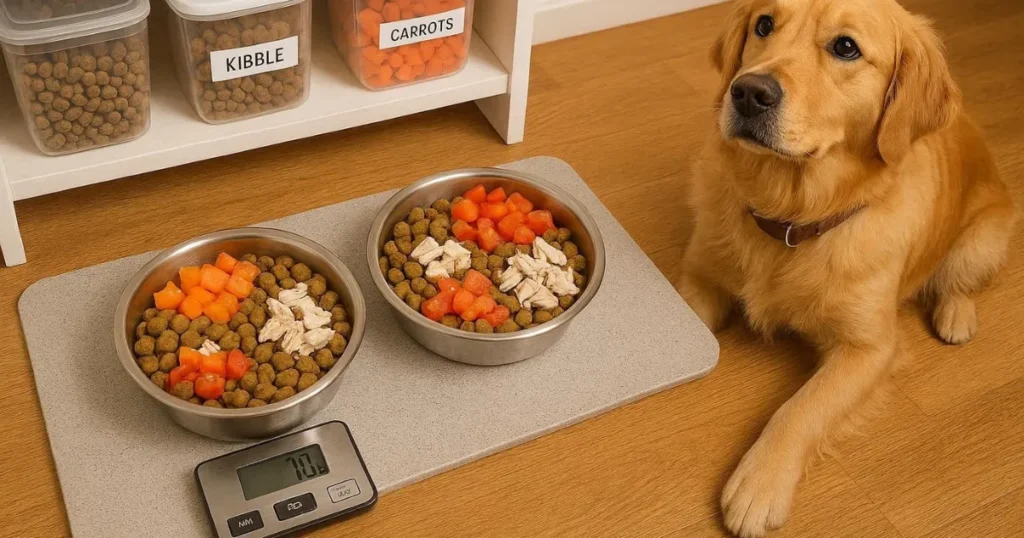
Morning (7:00 AM):
- 2 cups high-protein kibble (26% protein).
- 1 tablespoon fish oil.
- Optional: 1 hard-boiled egg (3x weekly).
Evening (6:00 PM):
- 2 cups high-protein kibble (26% protein).
- 2 tablespoons plain Greek yogurt or cottage cheese.
- Optional: Fresh vegetables (carrots, green beans).
Daily Protein Breakdown:
- Kibble: | 95g protein.
- Egg: | 6g protein.
- Yogurt: | 4g protein.
- Total: | 105g protein daily.
Adjust portions based on your Golden’s body condition, activity level, and weight trends. Monitor body condition monthly – you should feel ribs easily but not see them prominently.
Transitioning to a High-protein Diet for Golden Retrievers.
Never switch foods abruptly – Golden Retrievers have sensitive digestive systems prone to upset. Follow this gradual transition over 7-10 days:
- Days 1-2: 75% old food + 25% new food.
- Days 3-4: 50% old food + 50% new food.
- Days 5-6: 25% old food + 75% new food.
- Days 7+: 100% new food.
Watch for digestive symptoms: diarrhea, vomiting, decreased appetite, or excessive gas. If symptoms persist beyond 2-3 days, slow the transition or consult your veterinarian.
Monitoring Your Golden’s Response.
Track these indicators assessing diet effectiveness:
- Energy Levels: Increased playfulness and sustained stamina during activities.
- Coat Quality: Shinier, softer fur with reduced shedding after 6-8 weeks.
- Body Condition: Visible waist, easily felt ribs, improved muscle definition.
- Stool Quality: Well-formed, firm stools (2-3 times daily).
- Weight Trends: Gradual progress toward ideal weight (gain or loss as needed).
Regular veterinary checkups – including annual bloodwork – ensure the diet supports overall health. I recommend comprehensive panels including kidney and liver values for Golden Retrievers on high-protein diets.
High-Protein Diet for Golden Retriever Puppies.
Puppy nutrition requires special attention – improper feeding during growth causes irreversible skeletal problems. Large-breed puppy formulas designed for Golden Retrievers contain controlled calcium, phosphorus, and energy levels, preventing rapid growth associated with hip dysplasia and elbow dysplasia.
Feed puppies 3-4 times daily until 6 months old, then reduce to 2 meals daily. Never free-feed – controlled portions prevent excessive growth rates. Target moderate body condition with a visible waistline – chubby puppies face increased orthopaedic disease risk.

Homemade High-Protein Diets.
Some owners prefer preparing homemade meals, ensuring ingredient quality and freshness. While feasible, homemade diets require careful formulation to prevent nutritional deficiencies. In my clinic, I’ve treated several Golden Retrievers with calcium deficiencies, vitamin imbalances, and taurine deficiency-related DCM from improperly formulated homemade diets.
If pursuing homemade feeding, consult board-certified veterinary nutritionists who create balanced recipes meeting AAFCO standards. BalanceIT.com offers veterinary-formulated supplements to complement homemade meals.
Commercial High-Protein Recommendations.
While I cannot endorse specific brands, look for dog foods meeting these criteria:
Vet’s Pick Characteristics:
- Multiple named animal proteins in the top 3 ingredients.
- 24-30% minimum crude protein.
- AAFCO feeding trial certification.
- Made in countries with rigorous pet food standards.
- Transparent ingredient sourcing.
- Positive track record without recalls.
Owner’s Choice Considerations:
- Budget-appropriate while maintaining quality.
- Availability at local retailers.
- Palatability – your Golden must actually eat it.
- Brand reputation and customer service.
- Formula stability (frequent formula changes disrupt digestion).
Supplements Supporting High-Protein Diets.
Certain supplements enhance high-protein diet for Golden Retrievers benefits:
Omega-3 Fatty Acids:
Fish oil or krill oil reducing inflammation, supporting joints, and improving coat quality.
Probiotics:
Supporting digestive health during diet transitions and maintaining gut microbiome balance.
Glucosamine/Chondroitin:
Particularly important for Golden Retrievers prone to hip and elbow dysplasia.
Joint Support Supplements:
MSM, green-lipped mussel, and hyaluronic acid protect cartilage.
Always introduce supplements one at a time, monitoring for adverse reactions before adding another.
Common Myths about High-Protein Diets.
Myth 1:
High protein causes kidney disease in healthy dogs. Truth: No scientific evidence supports this claim. Healthy kidneys efficiently process dietary protein.
Myth 2:
More protein always equals better health. Truth: Protein quality and balance matter more than quantity alone. Excessive protein without proper nutrition creates imbalances.
Myth 3:
Plant proteins are equivalent to animal proteins. Truth: Dogs digest and utilize animal proteins far more efficiently. Plant proteins cannot fully replace animal sources.
Myth 4:
Senior dogs need low-protein diets. Truth: Seniors actually need MORE protein maintaining muscle mass as metabolism slows.
When to Consult Your Veterinarian.
Seek professional guidance before implementing high-protein diets if your Golden Retriever has:
- Diagnosed with kidney or liver disease.
- History of urinary stones or crystals.
- Chronic pancreatitis.
- Severe food allergies.
- Unexplained weight loss or gain.
- Digestive disorders.
Regular veterinary monitoring ensures dietary changes support rather than harm your Golden’s health.
Is a high-protein diet good for Golden Retrievers?
Yes. High-protein diets support Golden Retrievers muscle development, energy needs, coat health, and weight management. Adult Goldens thrive on 24-30% protein from quality animal sources, while puppies and seniors need higher percentages supporting growth and muscle maintenance.
How much protein should a Golden Retriever eat daily?
Active adult Golden Retrievers need approximately 2-2.5 grams of protein per kilogram body weight daily. For a 70-pound Golden, this equals 64-80 grams daily. Puppies, performance dogs, and seniors require higher amounts supporting specific life stage needs.
What’s the best protein source for Golden Retrievers?
Chicken, beef, salmon, turkey, and lamb are excellent animal proteins providing complete amino acids. Fish offers omega-3 fatty acids supporting joint and coat health. Multiple protein sources create diverse amino acid profiles for optimal nutrition and reduced allergy risk.
Can high protein damage my Golden Retriever’s kidneys?
No. Research confirms high-protein diets don’t harm healthy kidneys in dogs. However, Golden Retrievers with diagnosed kidney disease require modified protein intake. Consult your veterinarian before dietary changes if your dog shows kidney disease symptoms like increased thirst or appetite loss.
Should Golden Retriever puppies eat high-protein food?
Yes. Growing puppies need 22-28% protein supporting rapid development. Choose large-breed puppy formulas with controlled calcium-phosphorus ratios, preventing developmental orthopedic diseases. Avoid adult or “all life stages” foods lacking proper nutrient balance for large-breed growth.
What are the signs my Golden needs more protein?
Watch for dull coat, excessive shedding, low energy, poor muscle tone, slow wound healing, or frequent infections. These symptoms suggest inadequate protein intake. However, consult your veterinarian, ruling out underlying health conditions, before increasing dietary protein significantly.
Are grain-free high-protein diets safe for Golden Retrievers?
Exercise caution. FDA investigations link grain-free, legume-heavy diets to dilated cardiomyopathy (DCM) in Golden Retrievers. If choosing grain-free formulas, select those with animal proteins as primary ingredients and consult your veterinarian about taurine supplementation for heart health protection.
How do I transition my Golden to high-protein food?
Gradually introduce new food over 7-10 days: Days 1-2 (25% new food), Days 3-4 (50%), Days 5-6 (75%), Days 7+ (100%). This prevents digestive upset. Monitor stools, energy, and appetite throughout transition, slowing the process if diarrhea or vomiting occurs.
Conclusion.
A high-protein diet for Golden Retrievers, when properly formulated and implemented, offers tremendous health benefits: improved muscle development, enhanced energy, better coat quality, effective weight management, and strengthened immunity. As a veterinarian treating Golden Retrievers daily, I’ve witnessed remarkable transformations when owners transition to quality, protein-rich nutrition tailored to their dog’s specific needs.
Remember that protein quality surpasses quantity – prioritize named animal proteins, choose reputable manufacturers, and monitor your Golden’s response through body condition, energy levels, and overall wellness. Whether selecting commercial kibble, wet food, or pursuing veterinary-supervised homemade diets, ensuring adequate, high-quality protein supports your Golden Retriever’s health throughout every life stage.
Your Golden Retriever deserves optimal nutrition supporting their active, joyful lifestyle. By understanding protein requirements and making informed dietary choices, you provide the foundation for a long, healthy, vibrant life together.
Share Your High-protein diet for Golden Retrievers Success Story! Has transitioning your Golden Retriever to a high-protein diet improved their health, energy, or coat quality? We’d love to hear about your experience! Share which protein sources work best for your Golden, how you managed the dietary transition, and what changes you noticed in the comments below. Your insights help fellow Golden Retriever owners make informed nutrition decisions for their beloved companions. Don’t forget to mention your Golden’s age and activity level so others with similar dogs can benefit from your experience!

Dr. Nabeel A.
Hi, I’m Dr. Nabeel Akram – a farm management professional by trade and a passionate Golden Retriever enthusiast at heart. With years of experience in animal science and livestock care, I’ve built a career around understanding animals—how they live, thrive, and bring value to our lives. This blog is a personal project born from that same passion, focusing on one of the most loyal and lovable breeds out there: the Golden Retriever. Whether I’m managing farm operations or sharing insights on canine health, behavior, and care, it all ties back to one core belief—animals deserve thoughtful, informed, and compassionate attention. Welcome to a space where professional expertise meets genuine love for dogs.
Facebook |
Links will be automatically removed from comments.