

Throughout my five years treating aging Golden Retrievers, I’ve found that selecting the best moist dog food for older dogs can dramatically improve the quality of life for seniors facing dental issues, reduced appetite, or swallowing difficulties. The middle ground between completely wet canned food and hard kibble, moist dog food offers unique benefits that make it ideal for many older Goldens transitioning through their senior years.
In my clinic, I regularly counsel owners whose older Golden Retrievers struggle with traditional kibble but don’t necessarily need full wet food diets. The best moist dog food for older dogs provides a soft, easy-to-chew texture while maintaining better nutritional density than canned foods and offering more convenience for owners managing large-breed feeding costs. Today, I’ll share comprehensive guidance on moist dog food options, drawing from both clinical experience and the real-world results I’ve observed in my Golden Retriever patients over thousands of senior wellness examinations.
Contents
- 1 Understanding Moist Dog Food: The Middle Ground for Aging Goldens
- 2 Critical Nutritional Components in the Best Moist Dog Food for Older Dogs
- 3 Top Veterinary Recommendations: Best Moist Dog Food for Older Dogs
- 4 When Moist Food Becomes Essential for Your Senior Golden
- 5 Special Health Considerations for Golden Retrievers
- 6 Successfully Transitioning to Moist Dog Food
- 7 Cost Considerations and Budget Strategies
- 8 Signs Your Golden Thrives on Moist Food
- 8.1 Positive Health Markers
- 8.2 Warning Signs Requiring Reassessment
- 8.3 Is moist dog food the same as wet dog food for older dogs?
- 8.4 Can I mix the best moist dog food for older dogs with regular kibble?
- 8.5 How much moist dog food should I feed my 70-pound senior Golden Retriever?
- 8.6 Does moist dog food help with dental problems in older dogs?
- 8.7 Is moist dog food more expensive than kibble for large breeds?
- 8.8 Can moist dog food cause digestive problems in older Golden Retrievers?
- 8.9 Should I choose grain-free moist dog food for my senior Golden?
- 8.10 How long does opened moist dog food stay fresh?
- 9 Conclusion
Understanding Moist Dog Food: The Middle Ground for Aging Goldens
Before recommending the best moist dog food for older dogs, I always explain what distinguishes moist food from other formats and why it works particularly well for certain senior Golden Retrievers experiencing age-related challenges.
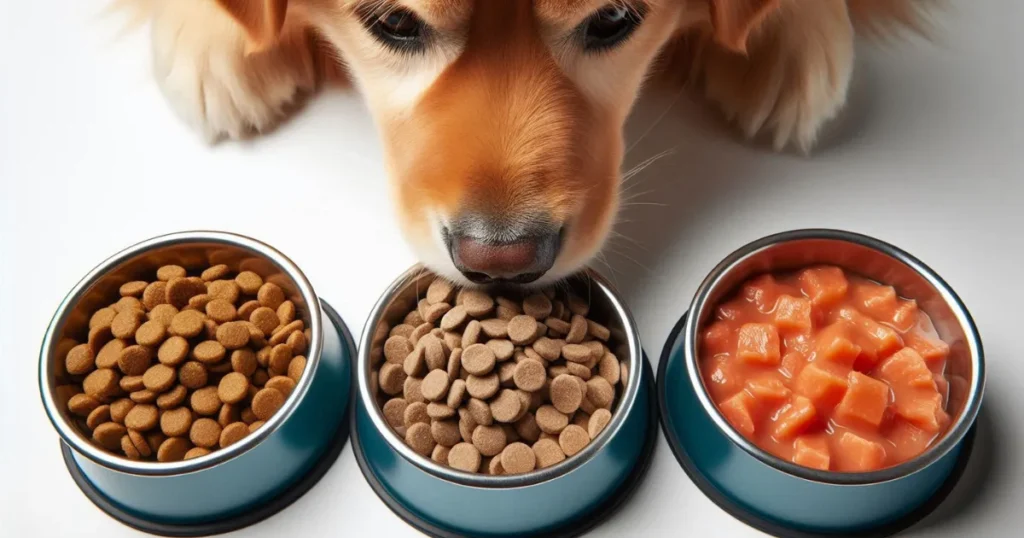
What Makes Moist Food Different
The pet food industry uses these terms somewhat loosely, which creates confusion among owners seeking appropriate nutrition for their aging companions.
Dry kibble contains approximately 6-10% moisture. It’s shelf-stable at room temperature, cost-effective, and provides some dental benefits through mechanical chewing action.
Moist or semi-moist food contains approximately 25-35% moisture. This category includes soft kibbles, tender morsels, and chewy pieces that maintain room-temperature shelf stability when packaged but offer a softer texture than traditional kibble.
Wet or canned food contains 70-80% moisture. It requires refrigeration after opening, costs significantly more per calorie, and provides the softest texture but the lowest caloric density.
In my practice, I find the best moist dog food for older dogs fills an important niche for older Golden Retrievers who need something softer than kibble but don’t require – or whose owners can’t afford – full wet food diets.
The Texture Advantage for Senior Golden Retrievers
Golden Retrievers commonly develop dental problems as they age. During routine senior wellness exams, I frequently diagnose periodontal disease affecting 80% of dogs over age 3, worn or fractured teeth from years of chewing, missing teeth extracted due to decay, painful gums with inflammation, and reduced jaw strength from natural decline.
For these patients, the best moist dog food for older dogs provides immediate relief. The softer texture requires less chewing force while still offering more substance than pureed canned foods. I’ve watched countless older Goldens who were struggling with kibble immediately begin eating eagerly when switched to quality moist formulas.
Vet’s Tip: If your Golden drops kibble while eating, chews on one side only, or shows reluctance at mealtimes, schedule a dental examination. These early signs indicate that moist food may soon become necessary.
Storage and Convenience Benefits
One major advantage of moist food over wet food is convenience. While wet food requires refrigeration after opening and must be used within 3-5 days, many moist foods come in single-serve pouches perfect for portion control, resealable bags that stay fresh for weeks, and maintain room-temperature stability before opening.
For my clients who work long hours or travel with their senior Goldens, the best moist dog food for older dogs provides texture benefits without refrigeration requirements that make wet feeding challenging for busy households managing large-breed nutritional needs.
Critical Nutritional Components in the Best Moist Dog Food for Older Dogs
When evaluating moist food options for aging Golden Retrievers, I analyze critical nutritional components I assess in any senior diet, adjusted for this food format’s unique characteristics and the breed’s specific health vulnerabilities.
Protein Quality and Quantity
The best moist dog food for older dogs provides 24-30% protein on a dry matter basis – adequate for maintaining muscle mass without excess that stresses aging kidneys in predisposed dogs. I look for named animal proteins first on ingredient lists like chicken, beef, salmon, or turkey rather than generic meat or poultry. High digestibility matters tremendously even with moist texture, and complete amino acid profiles support muscle maintenance, immune function, and cellular repair.
In my clinic, I’ve observed that Golden Retrievers maintained on quality moist foods with appropriate protein retain better muscle condition through their senior years compared to those eating inferior formulas, regardless of format.
Controlled Caloric Density
Moist foods typically contain fewer calories per cup than kibble due to higher moisture content. The best moist dog food for older dogs provides approximately 300-350 kcal per cup, compared to 350-450 kcal per cup for typical senior kibble.
This difference requires portion adjustments I regularly explain to clients. If your Golden ate 3 cups of kibble providing approximately 1,200 kcal daily, they need approximately 3.5-4 cups of moist food providing equivalent calories. Always calculate based on the specific product’s caloric density listed on the label rather than assuming volume equivalency.
Joint-Supporting Ingredients
Given Golden Retrievers’ near-universal joint problems by senior years, I insist on moist foods containing proven joint-supporting compounds. Glucosamine at 300-500 mg per kg body weight supports cartilage health, chondroitin at 200-400 mg per kg reduces joint inflammation, and omega-3 fatty acids (EPA and DHA from fish oil) provide powerful anti-inflammatory effects, I’ve observed reducing pain and improving mobility.
Unfortunately, many moist food options lack therapeutic levels of these ingredients. When selecting the best moist dog food for older dogs, I prioritize formulas specifically designed for senior joint health or recommend separate supplementation if the base food is otherwise excellent but deficient in joint support.
Digestibility Enhancers
The softer texture of moist food aids mechanical digestion, but the best moist dog food for older dogs also includes ingredients supporting digestive health. Prebiotics like chicory root feed beneficial gut bacteria, digestive enzymes help break down proteins and fats in dogs with declining natural enzyme production, moderate fiber at 3-6% supports intestinal motility, and easily digestible carbohydrates like sweet potatoes or brown rice work better than corn or wheat in sensitive dogs.
In my experience, older Golden Retrievers with sensitive stomachs often tolerate high-quality moist foods better than kibble, showing improved stool quality and reduced digestive upset within just 2-3 weeks of dietary transition.
Top Veterinary Recommendations: Best Moist Dog Food for Older Dogs
Based on nutritional analysis, clinical outcomes in my Golden Retriever patients, and practical considerations for large-breed feeding, here are my evidence-based recommendations for the best moist dog food for older dogs.

Vet’s Pick # 1: Purina Pro Plan SAVOR Adult 7+ Shredded Blend
This formula combines crunchy kibble with tender, shredded pieces, creating an ideal texture for seniors transitioning from full kibble. In my practice, it’s become one of my most frequently recommended options for older Goldens with early dental concerns.
Real chicken as the first ingredient provides high-quality protein at 27% dry matter basis. The shredded pieces offer a softer texture without complete kibble elimination, allowing some chewing action for remaining healthy teeth. Glucosamine supports joint health, while guaranteed live probiotics aid digestion. Omega-6 fatty acids and vitamin A promote skin and coat health, and natural prebiotic fiber nourishes beneficial intestinal bacteria.
I’ve followed numerous Golden Retrievers on this formula long-term, consistently observing maintained muscle mass, healthy body condition, and excellent palatability. The dual-texture approach helps seniors with mild dental issues while still providing mechanical cleaning benefits.
Vet’s Pick # 2: Blue Buffalo Life Protection Formula Senior
Many of my clients prefer Blue Buffalo’s natural ingredients approach. The softer kibble combined with LifeSource Bits creates a varied texture appealing to older dogs seeking the best moist dog food for older dogs with wholesome components.
Deboned chicken as the first ingredient ensures a quality protein source, and the softer kibble texture compared to standard adult formulas makes chewing easier. Glucosamine and chondroitin support joint mobility, while omega-3 and omega-6 fatty acids improve skin and coat. The formula includes no chicken or poultry by-product meals, and LifeSource Bits contain concentrated vitamins, minerals, and antioxidants.
The Life Protection Formula uses whole grains like brown rice and barley, which I favor over grain-free alternatives given ongoing FDA investigations into potential DCM connections with grain-free diets – particularly important for Golden Retrievers with breed-specific cardiac vulnerabilities.
Vet’s Pick # 3: Iams ProActive Health Senior Plus
For owners seeking quality nutrition at mid-range pricing, Iams Senior Plus offers solid value as the best moist dog food for older dogs, balancing affordability and nutritional completeness.
Real chicken serves as the first ingredient, and the slightly softer kibble texture works well for seniors with mild-to-moderate dental concerns. The formula includes glucosamine and chondroitin for joints, antioxidants including vitamin E and beta-carotene for cellular health, and L-carnitine to maintain healthy metabolism. Omega-6 and omega-3 fatty acid blends support skin and coat condition.
While not as feature-rich as premium brands, Iams provides complete nutrition backed by decades of research at approximately 30-40% lower cost than top-tier options. For owners managing multiple pets or facing budget constraints, this represents practical value without compromising basic nutritional adequacy.
Owner’s Choice: Cesar Soft Wet Dog Food Multipack
While not my top nutritional recommendation, Cesar’s single-serve trays represent the most popular “moist” option among my clients, managing costs while meeting texture needs. These work well as kibble toppers or supplemental feeding rather than exclusive nutrition.
Very affordable compared to premium options, convenient single-serve portions eliminate storage concerns, and an extremely soft texture accommodates severe dental issues. High palatability appeals to picky senior eaters, and multiple flavors prevent meal boredom that sometimes develops in older dogs.
Cesar provides complete and balanced nutrition meeting AAFCO standards, but contains lower protein quality and fewer joint-supporting ingredients than premium formulas. It is acceptable for budget-conscious owners or as a kibble supplement rather than exclusive feeding for large breeds like Golden Retrievers.
When Moist Food Becomes Essential for Your Senior Golden
Throughout my career treating aging Golden Retrievers, I’ve identified specific situations where the best moist dog food for older dogs becomes not just beneficial but essential for maintaining health and quality of life.
Dental Disease and Tooth Loss
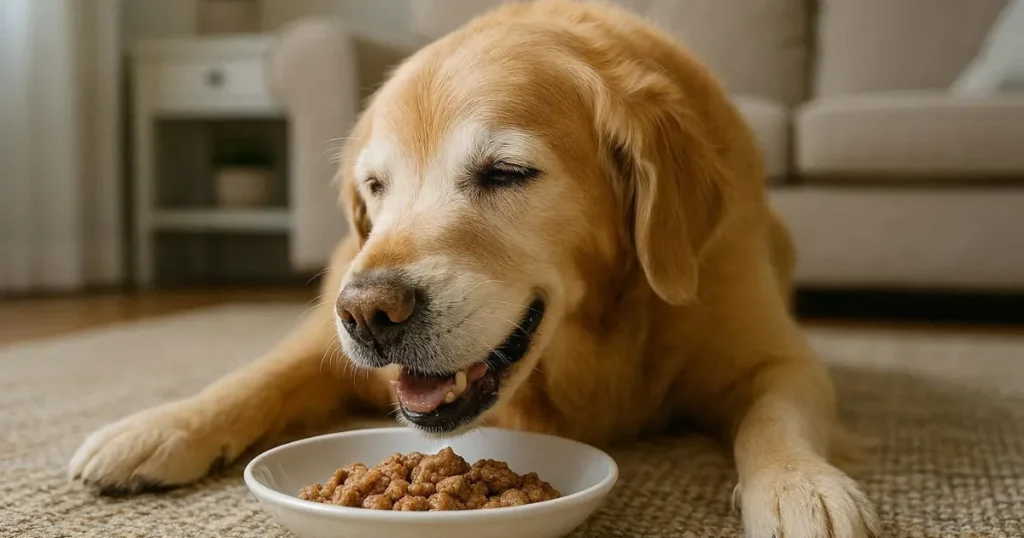
The most common reason I recommend transitioning to the best moist dog food for older dogs is dental problems. By age 8-10, many Golden Retrievers have advanced periodontal disease with severe gum inflammation, multiple missing teeth extracted due to decay, painful chewing, making meals stressful, and jaw discomfort from reduced muscle strength.
For these patients, moist food transforms eating from a painful chore into an eagerly anticipated activity. I’ve watched countless seniors who were losing weight due to eating reluctance immediately begin finishing meals enthusiastically after switching to appropriate moist formulas that accommodate their compromised dentition without requiring extensive chewing force.
Vet’s Tip: Never ignore dental problems, hoping softer food will “fix” them. While the best moist dog food for older dogs accommodates dental disease, underlying infections still require veterinary treatment – professional cleaning, extractions if needed, and pain management.
Reduced Appetite and Weight Loss
Aging affects appetite through multiple mechanisms I assess during senior examinations. Decreased sense of smell makes food less appealing, altered taste perception occurs naturally with age, medication side effects from senior prescriptions reduce appetite, underlying illness like kidney disease affects hunger, and dental pain makes eating uncomfortable even when an obvious disease isn’t visible.
The best moist dog food for older dogs often proves more palatable than kibble due to enhanced aroma, flavor, and appealing texture. For seniors struggling to maintain a healthy weight, this improved palatability can mean the difference between thriving and declining. In my practice, I’ve successfully reversed weight loss in numerous older Golden Retrievers simply by switching to more palatable moist formulas, assuming no underlying medical cause exists requiring separate treatment.
Mixed Feeding Strategies
Rather than complete kibble replacement, many of my clients successfully use the best moist dog food for older dogs as a kibble topper or partial replacement. This approach provides benefits while managing costs for large-breed feeding.
Effective mixed feeding approaches include a 50/50 blend combining equal portions by calories (not volume) of kibble and moist food, kibble topper using 2-4 tablespoons of moist food over regular kibble portions to enhance palatability, and meal alternation feeding kibble for one meal and moist food for the other.
I’ve had excellent results with mixed feeding in my patients – it’s often the sweet spot between full kibble and full wet food, providing practical benefits of both formats while accommodating budgetary constraints many families face when caring for senior large-breed dogs.
Special Health Considerations for Golden Retrievers
Golden Retrievers have breed-specific health predispositions influencing my recommendations for the best moist dog food for older dogs and requiring careful attention to certain nutritional components.
Cancer Risk and Nutritional Support
With approximately 60% of Golden Retrievers developing cancer during their lifetime, nutritional considerations become critical. While diet can not prevent cancer, appropriate nutrition supports overall health and may influence disease progression in affected dogs.
For Goldens with cancer or high cancer risk, I recommend the best moist dog food for older dogs featuring moderate-to-low carbohydrate content since cancer cells preferentially use glucose, enhanced omega-3 fatty acids providing anti-inflammatory properties, high-quality protein maintaining muscle mass critical during treatment, and antioxidant support including vitamins E and C.
During cancer treatment – chemotherapy, radiation, or surgery recovery – the soft texture of moist food often proves essential when nausea, mouth sores, or general malaise make eating difficult. I frequently transition cancer patients to moist formulas during treatment, then maintain them on these diets long-term due to improved eating consistency.
Cardiac Health and DCM Concerns
Following FDA investigations into potential links between certain diets and dilated cardiomyopathy (DCM), I counsel Golden Retriever owners carefully about diet selection. This breed faces increased DCM risk independent of diet, making nutritional choices particularly important for cardiac health maintenance.
The best moist dog food for older dogs for cardiac health should include taurine supplementation (an essential amino acid critical for heart function), provide L-carnitine supporting cardiac metabolism, avoid legumes as primary ingredients (peas, lentils, chickpeas under investigation), include traditional grains unless a documented grain allergy exists, and maintain appropriate sodium levels.
If your Golden Retriever has been diagnosed with heart disease, discuss prescription cardiac diets with your veterinarian rather than relying on over-the-counter senior foods, even high-quality moist formulas lacking the precise sodium restriction and enhanced nutrients therapeutic diets provide.
Weight Management Challenges
I treat countless overweight senior Golden Retrievers – this breed’s food motivation combined with reduced activity creates perfect conditions for obesity. Excess weight devastates joints, increases cardiac strain, and reduces lifespan by an estimated 2-2.5 years, according to research I reference when counseling concerned owners.
The challenge with the best moist dog food for older dogs for weight management is that it typically contains fewer calories per cup than kibble, requiring larger portions to meet caloric needs. For food-motivated Goldens, larger portions may seem like more food (satisfying psychologically) despite equivalent calories, which can work to our advantage during weight loss programs.
Weight management strategies include choosing lower-calorie formulas providing 280-320 kcal per cup, increasing feeding frequency to divide daily portions into 3 meals instead of 2, adding low-calorie volume by mixing green beans or pumpkin into moist food, and monitoring body condition closely with weekly weights and portion adjustments.
I’ve successfully managed weight loss in numerous older Golden Retrievers using quality moist foods, achieving a gradual reduction of 1-2% body weight weekly while maintaining muscle mass and keeping the dogs satisfied throughout the process.
Successfully Transitioning to Moist Dog Food
Switching your senior Golden Retriever to the best moist dog food for older dogs requires a gradual transition to prevent digestive upset – diarrhea, vomiting, or appetite loss that commonly follows abrupt diet changes in sensitive stomachs.
The 10-Day Transition Protocol
I guide every client through this systematic approach minimizing digestive problems while ensuring successful adaptation to new food format and texture.
Days 1-3:
Mix 25% new moist food with 75% current food. Combine thoroughly so your Golden can’t selectively eat only new or old food. Monitor stool consistency and appetite carefully, slowing the transition if any digestive upset appears.
Days 4-6:
Increase to 50% new moist food, 50% current food. Continue monitoring digestion and eating enthusiasm. Slightly soft stools are acceptable; watery diarrhea indicates too-rapid change requiring a slower pace.
Days 7-9:
Progress to 75% new moist food, 25% current food. Most dogs tolerate this stage well if the earlier stages proceeded smoothly. Energy levels should remain normal or improve.
Day 10:
Complete transition to 100% new moist formula. Some dogs need 12-14 days rather than 10; individual variation is normal – adjust timeline to your dog’s specific response and digestive tolerance.
Golden Retrievers often have sensitive stomachs despite their reputation for eating anything. Never rush dietary transitions, even if your dog seems eager for the new food and appears to tolerate initial changes well.
Monitoring Key Health Indicators
During and after transitioning to the best moist dog food for older dogs, I teach owners to assess specific markers indicating successful dietary change and overall nutritional adequacy.
Digestive health should show formed stools, not loose. Brown color and moderate odor are normal; excessive gas, straining, or frequency changes warrant veterinary consultation. Appetite and enthusiasm should increase – most seniors eagerly accept moist food, and refusal after initial interest may indicate the formula isn’t palatable enough.
Energy levels should maintain or improve with appropriate nutrition. Decreased energy might indicate inadequate calories requiring upward portion adjustment or underlying health issues needing evaluation. Body condition requires weekly weight monitoring for the first month – unintended loss suggests insufficient portions, while gain indicates overfeeding.
Coat and skin quality improvements take 6-8 weeks due to hair growth cycles. Shinier coat, reduced shedding beyond seasonal patterns, and healthier skin indicate a successful transition to the best moist dog food for older dogs. Worsening suggests a possible food sensitivity requiring a different protein source or a limited ingredient formula.
Cost Considerations and Budget Strategies
The best moist dog food for older dogs typically costs more per calorie than kibble, creating budget concerns for owners of large breeds like Golden Retrievers requiring substantial daily portions.
Price Comparison Reality
Based on current market prices for quality brands, here are the typical monthly feeding costs for a 70-pound senior Golden Retriever eating exclusively one format.
Premium kibble costs $50-80 monthly – most cost-effective per calorie with long shelf life and convenient storage. Quality moist food costs $90-140 monthly – middle ground between kibble and wet, with better palatability than kibble. Premium wet food costs $150-300 monthly – most expensive per calorie despite the highest moisture content.
These estimates assume exclusive feeding of each format. Mixed feeding reduces costs substantially while providing moist food benefits that make the investment worthwhile for many senior Golden Retrievers with specific health needs or preferences.
Smart Shopping Strategies
I help budget-conscious clients afford quality moist food through strategic purchasing that significantly reduces per-serving costs without compromising nutritional quality.
Buy in bulk with case purchases (12-24 bags), reducing per-unit costs by 10-15% compared to single-bag purchases. Use manufacturer coupons from brand websites or email lists announcing promotions. Enroll in auto-ship programs through Chewy, Amazon, and Petco, offering 5-10% discounts on recurring deliveries. Join retailer loyalty programs like Petco Pals and PetSmart Treats, providing points toward future purchases.
Shop warehouse stores where Costco and Sam’s Club carry quality brands at reduced prices. Stock up during seasonal sales, particularly Black Friday and pet appreciation months, when discounts reach 20-30% off regular pricing.
These strategies make the best moist dog food for older dogs more accessible for families managing household budgets while prioritizing their senior Golden’s nutritional needs and eating comfort during their golden years.
Signs Your Golden Thrives on Moist Food
After transitioning to the best moist dog food for older dogs, I teach owners to recognize indicators of nutritional success and overall wellbeing that confirm the dietary change was appropriate.
Positive Health Markers
Within 4-8 weeks, you should observe enthusiastic eating with your Golden eagerly approaching the food bowl and finishing meals completely. Maintained or improved weight at a healthy body condition shows ribs easily palpable, a visible waist, and an abdominal tuck present.
Better coat quality appears shinier and fuller with reduced shedding beyond normal seasonal patterns. Normal digestive function produces formed stools 1-2 times daily without straining. Good energy levels show appropriate activity for age – still interested in walks and gentle play despite slower pace.
Reduced dental discomfort becomes evident through easier eating, less food dropping, and more consistent meal completion. Maintained muscle condition shows visible muscle definition over shoulders, hips, and thighs despite advanced age, indicating the best moist dog food for older dogs provides adequate protein intake supporting tissue maintenance.
Warning Signs Requiring Reassessment
If your Golden shows progressive weight loss despite adequate portions, chronic digestive upset with persistent loose stools or vomiting, declining coat quality or excessive shedding, decreased energy beyond normal aging, food refusal or pickiness after initial acceptance, or new unexplained health issues, schedule a veterinary consultation.
Sometimes health issues coincidentally emerge during dietary transitions, and owners incorrectly attribute them to food change when underlying medical conditions actually require diagnosis and treatment separate from nutritional management.

Is moist dog food the same as wet dog food for older dogs?
No, they’re different formats. Moist (semi-moist) food contains 25-35% moisture in soft kibble or tender morsel form with room-temperature shelf stability. Wet (canned) food contains 70-80% moisture, requires refrigeration after opening, and provides the softest texture. Moist food offers middle-ground benefits—softer than kibble but more cost-effective and convenient than wet food for large-breed feeding.
Can I mix the best moist dog food for older dogs with regular kibble?
Yes, mixed feeding is an excellent approach I recommend frequently. Combine 50/50 by calories for balanced benefits, use moist food as kibble topper (2-4 tablespoons), or alternate meals (kibble breakfast, moist dinner). Mixed feeding provides texture variety, cost management, and customization to your Golden’s individual needs while maintaining complete balanced nutrition throughout their senior years.
How much moist dog food should I feed my 70-pound senior Golden Retriever?
Feeding amounts depend on the specific formula’s caloric density, but most quality moist foods require approximately 3.5-4 cups daily for a 70-pound senior Golden with moderate activity, divided into two meals. Always calculate based on calories (typically 1,000-1,200 kcal daily for this size) rather than volume, and adjust based on body condition scoring, not just scale weight alone.
Does moist dog food help with dental problems in older dogs?
Moist food accommodates existing dental problems by providing a softer, easier-to-chew texture that reduces pain and makes eating more comfortable. However, it doesn’t treat or prevent dental disease—underlying infections still require veterinary care, including professional cleanings, extractions if needed, and pain management. The best moist dog food for older dogs is a management tool, not a dental treatment solution.
Is moist dog food more expensive than kibble for large breeds?
Yes, moist food typically costs 50-80% more than equivalent kibble nutrition. For a 70-pound senior Golden Retriever, expect monthly costs of $90-140 for quality moist food versus $50-80 for premium kibble. However, mixed feeding strategies (kibble base with moist topper or alternating meals) provide significant cost management while delivering moist food benefits for texture and palatability.
Can moist dog food cause digestive problems in older Golden Retrievers?
Quality moist food shouldn’t cause digestive issues when introduced gradually over 10 days. Abrupt diet changes trigger upset regardless of food type. If problems persist after proper transition, your Golden may have food sensitivity to specific ingredients, the formula may not suit their individual digestion, or underlying gastrointestinal issues may exist requiring veterinary evaluation and prescription diets.
Should I choose grain-free moist dog food for my senior Golden?
I generally recommend grain-inclusive formulas unless your Golden has been diagnosed grain allergy, which is rare. Following FDA investigations into potential links between grain-free diets and dilated cardiomyopathy (DCM), particularly concerning for Golden Retrievers with breed-specific cardiac risks, grain-inclusive options with whole grains represent safer choices. If choosing grain-free, ensure adequate taurine supplementation and consider regular cardiac monitoring.
How long does opened moist dog food stay fresh?
Unopened packages store in cool, dry locations away from direct sunlight. After opening, resealable bags stay fresh for 4-6 weeks when properly sealed—roll top tightly and clip securely, or transfer to an airtight container. Single-serve pouches eliminate storage concerns entirely. Unlike wet food, most best moist dog food for older dogs don’t require refrigeration before opening, offering a significant convenience advantage for large-breed feeding logistics.
Conclusion
Selecting the best moist dog food for older dogs represents an important decision for your aging Golden Retriever’s health, comfort, and quality of life during senior years. Through my five years treating older Goldens, I’ve witnessed the profound impact that appropriate moist food has on eating enthusiasm, maintained nutrition, and overall wellbeing for dogs facing dental challenges or reduced appetite.
The best moist dog food for older dogs provides a soft, easy-to-chew texture requiring less jaw force, moderate moisture content supporting hydration, and convenient room-temperature storage, making feeding management practical for busy households. Whether you choose formulas from my veterinary recommendations or another quality option, prioritize named animal proteins, appropriate caloric density, joint-supporting ingredients, and consideration of your Golden’s individual health needs.
Remember that the best moist dog food for older dogs is ultimately the one your individual Golden Retriever thrives on – combining nutritional excellence with palatability, digestibility, and alignment with any existing health conditions. Monitor your senior closely during dietary transitions, maintain regular veterinary wellness examinations every 6 months, and adjust feeding plans as their needs evolve through senior and geriatric years.
Your Golden Retriever has provided years of unconditional love, loyalty, and joy. Investing in quality moist food when their changing needs require a softer texture is a meaningful way to ensure their final years are filled with comfortable eating experiences, maintained nutrition, and the exceptional quality of life these remarkable dogs deserve throughout their golden years.

Dr. Nabeel A.
Hi, I’m Dr. Nabeel Akram – a farm management professional by trade and a passionate Golden Retriever enthusiast at heart. With years of experience in animal science and livestock care, I’ve built a career around understanding animals—how they live, thrive, and bring value to our lives. This blog is a personal project born from that same passion, focusing on one of the most loyal and lovable breeds out there: the Golden Retriever. Whether I’m managing farm operations or sharing insights on canine health, behavior, and care, it all ties back to one core belief—animals deserve thoughtful, informed, and compassionate attention. Welcome to a space where professional expertise meets genuine love for dogs.
Facebook |
Links will be automatically removed from comments.