

I often see Golden Retriever owners arrive in a state of quiet desperation after their dog’s first seizure. The diagnosis has been made, the medication discussed – and then comes the question I hear in almost every one of those appointments: “Is there something I can feed that helps?” The answer is more nuanced than most online resources admit, and more actionable than most veterinary conversations make room for.
Nutrition cannot cure canine epilepsy. That needs to be said clearly, because misleading content on this topic causes real harm – owners delay medication, experiment with unvalidated diets, and lose critical management windows. What nutrition can do is meaningfully support neurological stability, reduce certain dietary seizure triggers, and optimize the metabolic environment in which anticonvulsant medications work.
Golden Retrievers are predisposed to idiopathic epilepsy, with onset typically between one and five years of age. Diet plays a supporting role in a comprehensive seizure management plan – not a replacement for veterinary care, but a legitimate and evidence-based pillar of it. This guide covers what the best dog food for seizures actually looks like, what ingredients matter, and what to avoid.
Contents
- 1 Why Golden Retrievers Are at Higher Seizure Risk and Why Diet Matters
- 2 What the Research Says About Diet and Canine Seizures
- 3 Key Nutrients in the Best Dog Food for Seizures
- 4 Dietary Seizure Triggers to Eliminate First
- 5 Top 5 Dog Food Ingredients That Support Seizure Management in Golden Retrievers
- 6 Vet-Reviewed Dog Food Comparison for Epileptic Golden Retrievers
- 7 7 Feeding Mistakes That Can Worsen Seizure Frequency in Golden Retrievers
- 7.1 1. Feeding rosemary-preserved food without checking the label.
- 7.2 2. Using high-value treats containing MSG or artificial flavors.
- 7.3 3. Transitioning foods too quickly after a seizure event.
- 7.4 4. Feeding immediately before or after medication.
- 7.5 5. Allowing significant weight gain on phenobarbital.
- 7.6 6. Adding supplements without veterinary guidance.
- 7.7 7. Assuming grain-free is automatically better for seizures.
- 8 8 Early Signs That Diet May Be Contributing to Seizure Activity
- 9 9 Vet-Backed Nutrition Tips for Golden Retrievers with Seizures
- 9.1 What is the best dog food for seizures in Golden Retrievers?
- 9.2 Can diet reduce seizures in dogs?
- 9.3 Is grain-free food better for dogs with seizures?
- 9.4 Does coconut oil help dogs with seizures?
- 9.5 What ingredients should I avoid in dog food for epileptic Golden Retrievers?
- 9.6 Can food trigger seizures in dogs?
- 9.7 Is a ketogenic diet safe for dogs with epilepsy?
- 9.8 Should I give my epileptic dog omega-3 supplements?
- 9.9 How does phenobarbital affect a dog’s nutritional needs?
- 9.10 Can I manage my Golden Retriever’s seizures with diet alone?
- 9.11 What protein source is best in dog food for seizures?
- 9.12 Does taurine deficiency affect seizures in Golden Retrievers?
- 9.13 How long does dietary change take to affect seizure frequency?
- 9.14 Can treats cause seizures in dogs?
- 9.15 Should I tell my vet before changing my epileptic dog’s food?
- 10 Conclusion
Why Golden Retrievers Are at Higher Seizure Risk and Why Diet Matters
Golden Retrievers appear in epilepsy prevalence studies at rates higher than the general dog population. Idiopathic epilepsy – seizures without an identifiable structural cause – is the most common form in this breed, and it has a documented hereditary component.
In canine neurology, idiopathic epilepsy in Golden Retrievers is considered a polygenic inherited condition, meaning multiple genes contribute to seizure threshold, and metabolic factors, including diet, can influence how close a dog operates to that threshold on any given day.
Seizure threshold is the key concept. Every dog with epilepsy has a threshold below which the brain remains stable and above which a seizure occurs. Medications raise that threshold pharmacologically. Nutrition can influence the metabolic environment around it – through fatty acid availability for neuronal membranes, blood glucose stability, inflammatory load, and gut-brain axis signaling.
The best dog food for seizures in Golden Retrievers addresses all four of these pathways – not as a cure, but as a consistent metabolic foundation that gives medication the best possible environment to work in.
What the Research Says About Diet and Canine Seizures
The science here is genuinely developing, and intellectual honesty requires acknowledging that directly. Two dietary approaches have the strongest evidence base in veterinary neurology:

Medium-Chain Triglyceride (MCT) Supplementation
This is the most clinically supported nutritional intervention for canine epilepsy currently available. MCTs – found in coconut oil and purpose-formulated veterinary diets – are metabolized differently than long-chain fats. They cross the blood-brain barrier and are converted to ketone bodies, which serve as an alternative fuel source for neurons. In dogs with epilepsy, this alternative fuel pathway appears to raise seizure threshold independently of medication.
A study published in the British Journal of Nutrition demonstrated that dogs with idiopathic epilepsy fed an MCT-enriched diet showed a statistically significant reduction in seizure frequency compared to controls. This is not anecdotal – it is peer-reviewed, controlled evidence.
Ketogenic and Modified Ketogenic Diets
High-fat, very-low-carbohydrate diets shift the body’s primary fuel source from glucose to ketones. In human epilepsy medicine, the ketogenic diet has decades of clinical evidence. In canine epilepsy, the evidence is less extensive but directionally consistent. Modified ketogenic approaches – higher fat, lower carbohydrate, moderate protein – are being used under veterinary supervision with increasing frequency.
For Golden Retriever owners:
A full ketogenic diet in dogs requires veterinary nutritionist oversight to avoid deficiency. Modified approaches using MCT-enriched commercial foods are a safer starting point.
Key Nutrients in the Best Dog Food for Seizures
1. Medium-Chain Triglycerides (MCTs)
The single most evidence-supported nutritional intervention for canine epilepsy. Look for dog foods that explicitly include coconut oil or MCT oil, or discuss MCT supplementation with your veterinarian. A dose of approximately 9% of daily caloric intake from MCTs has been used in research settings.
2. Omega-3 Fatty Acids (EPA and DHA)
EPA and DHA support neuronal membrane integrity, reduce neuroinflammation, and have documented neuroprotective effects. For Golden Retrievers – already omega-3-dependent for coat and joint health – fish-based dog foods or fish oil supplementation provide dual benefits.
In canine neurology, omega-3 fatty acid supplementation with EPA and DHA supports neuronal membrane fluidity and reduces the neuroinflammatory signaling that can lower seizure threshold in epileptic dogs.
3. Antioxidants (Vitamin E, Vitamin C, Selenium)
Seizure activity generates significant oxidative stress in neuronal tissue. Foods rich in natural antioxidants help mitigate this cellular damage between seizure events. Ingredients like blueberries, spinach, and sweet potatoes contribute meaningfully to well-formulated foods.
4. Taurine
It is an inhibitory neuromodulator – it supports GABAergic signaling, which is the same pathway most anticonvulsant medications work through. Golden Retrievers have a documented predisposition to taurine deficiency, particularly on low-meat or legume-heavy diets. A diet adequate in animal-derived protein supports taurine levels without supplementation in most cases.
5. Magnesium
It plays a regulatory role in neuronal excitability. Deficiency has been associated with increased seizure susceptibility in both human and veterinary medicine. Foods with whole grains, legumes (in appropriate amounts), and organ meats support adequate magnesium intake.
6. B Vitamins (B6, B12, Folate)
B vitamins are cofactors in neurotransmitter synthesis. B6 in particular is directly involved in GABA production. Dogs on long-term anticonvulsant medication – especially phenobarbital – may have increased B vitamin requirements due to drug-nutrient interactions.

Vet’s Tip: Most discussions of the best dog food for seizures focus entirely on what to add – almost none mention this: phenobarbital, one of the most commonly prescribed anticonvulsants in dogs, significantly increases appetite and can lead to rapid weight gain. The best dog food for a Golden Retriever on phenobarbital is therefore also calorie-controlled, with high satiety fiber. Obesity in an epileptic dog increases inflammatory load and complicates medication dosing – managing weight is neurologically relevant, not just cosmetic.
Dietary Seizure Triggers to Eliminate First
Before optimizing what goes into your Golden Retriever’s food, identifying and removing triggers is the higher-priority intervention. Over the years, I’ve noticed that a meaningful subset of Golden Retrievers with seizure activity show reduced frequency when specific dietary variables are changed – independent of any nutritional additions.
Rosemary Extract
Rosemary is used as a natural preservative in many premium dog foods. In high doses, rosemary has known proconvulsant properties. While the amounts used in commercial dog food are generally considered safe, dogs with low seizure thresholds may be more sensitive. Choose foods preserved with mixed tocopherols (vitamin E) rather than rosemary extract.
Artificial Preservatives (BHA, BHT, Ethoxyquin).
These synthetic antioxidants are associated with increased oxidative stress in chronic exposure studies. For a dog whose neurological system is already under oxidative challenge from seizure activity, eliminating them is a low-risk, reasonable precaution.
High Glycemic Carbohydrates
Rapid blood glucose fluctuations – spikes and crashes – can influence neurological excitability. Diets heavy in white rice, corn syrup, or refined starches create a metabolic environment less favorable for seizure control. Whole-grain or low-glycemic carbohydrate sources are preferable.
MSG and Artificial Flavors
Monosodium glutamate is a known excitotoxin – it increases glutamate signaling in the brain, which is the excitatory neurotransmitter system that seizures exploit. Some dog treats and flavoring agents contain MSG or glutamate-rich additives. Check ingredient labels on treats as carefully as on food.
Abrupt Diet Changes
Rapid transitions between foods create gastrointestinal and metabolic stress. In epileptic dogs, this physiological stress can precipitate seizure events. Always transition over 10 – 14 days minimum, longer than the standard recommendation for healthy dogs.
Top 5 Dog Food Ingredients That Support Seizure Management in Golden Retrievers
1. Whole Salmon or Salmon Meal
Delivers EPA and DHA in their most bioavailable form alongside high-quality protein. Fish-primary diets also avoid chicken – the most common dietary allergen in Golden Retrievers – which reduces inflammatory load. For epileptic Goldens on chicken-based food with concurrent skin issues, switching to salmon-primary may address two problems simultaneously.
2. Coconut Oil or MCT Oil
The only food-based ingredient with peer-reviewed evidence of seizure frequency reduction in dogs. Should appear explicitly on the ingredient list – not implied by “natural flavors” or “plant-based fats.”
3. Sweet Potato
A low-glycemic, antioxidant-rich carbohydrate source that delivers beta-carotene, vitamin C, and manganese without the blood sugar volatility of grain-based starches. Far preferable to white potato, corn, or rice as a primary carbohydrate in seizure-conscious diets.
4. Blueberries
Rich in anthocyanins with documented neuroprotective properties. Studies in rodent models show anthocyanins reduce hippocampal oxidative stress – the brain region most involved in seizure generation. A food that includes blueberries in meaningful quantities (not just trace amounts for marketing) contributes measurably.
5. Organ Meats (Liver, Heart)
Liver and heart are among the most nutrient-dense whole food ingredients available in commercial dog food. Heart is particularly high in taurine and CoQ10 – both relevant for neurological and cardiac function in a breed with documented taurine sensitivity. Organ meat inclusion is a sign of nutritional density that generic formulas rarely achieve.
Vet-Reviewed Dog Food Comparison for Epileptic Golden Retrievers
| Food | MCT/Coconut Oil | Primary Protein | Carb Source | Rosemary-Free | Best For |
| Royal Canin Veterinary Neurology Support | Yes (MCT-enriched) | Chicken | Rice | Yes | Clinically diagnosed epilepsy, under vet supervision |
| Purina Pro Plan Sensitive Skin & Stomach Salmon | No | Salmon | Rice | Yes | Seizure-prone Goldens with concurrent skin issues |
| Orijen Original | No | Multi-protein (chicken, fish) | Low-carb, legume | Confirm per batch | High-protein, low-glycemic approach |
| Hill’s Prescription Diet i/d Digestive Care | No | Chicken | Rice | Yes | Epileptic dogs on phenobarbital with GI side effects |
| The Honest Kitchen Whole Grain Chicken | No | Chicken | Whole oats, barley | Yes | Minimally processed, whole-food-based diet |
| Farmina N&D Quinoa Neuromuscular | Yes (coconut) | Duck + herring | Quinoa | Yes | MCT-containing, neurological support formulation |
Vet’s Pick: For Golden Retrievers with a confirmed epilepsy diagnosis, Royal Canin Veterinary Neurology Support is the only commercially available formula specifically designed around the MCT evidence base for canine seizures. It requires veterinary authorization and is not a standalone treatment – but as a dietary foundation alongside medication, it is the most evidence-aligned commercial option currently available.
Owner’s Choice: For epileptic Golden Retrievers not yet on a prescription diet, Purina Pro Plan Sensitive Skin & Stomach Salmon offers a clean, rosemary-free, salmon-primary formula that removes common triggers and supports omega-3 intake without requiring a prescription.
7 Feeding Mistakes That Can Worsen Seizure Frequency in Golden Retrievers
1. Feeding rosemary-preserved food without checking the label.
Rosemary extract appears in many premium and super-premium dog foods as a natural preservative. For epileptic dogs, it warrants elimination regardless of the amount. Most owners don’t check for it.
2. Using high-value treats containing MSG or artificial flavors.
Training treats, dental chews, and flavored medications frequently contain glutamate-based additives. For a dog whose seizure threshold is already compromised, these become relevant variables – especially when given multiple times daily.
3. Transitioning foods too quickly after a seizure event.
A dog recovering from a seizure is in a period of neurological vulnerability. Introducing a new food during this window adds metabolic stress. Wait at least 2 weeks of stability before initiating any dietary transition.
4. Feeding immediately before or after medication.
Some anticonvulsants – particularly potassium bromide – require consistent food timing relative to dosing. Feeding inconsistently around medication administration affects absorption and blood levels, indirectly influencing seizure control.
5. Allowing significant weight gain on phenobarbital.
Phenobarbital reliably increases appetite. Without proactive portion management, epileptic Golden Retrievers on this medication gain weight rapidly. Obesity increases inflammatory cytokines that reduce seizure threshold and complicates medication dosing by body weight.
6. Adding supplements without veterinary guidance.
Coconut oil and fish oil are genuinely beneficial in appropriate doses. In excessive amounts, they cause diarrhea, pancreatitis risk, and – in the case of very high fish oil doses – can affect platelet function. Supplementation for epileptic dogs should be discussed with a veterinarian before implementation.
7. Assuming grain-free is automatically better for seizures.
There is no evidence that grain-free diets reduce seizure frequency. The FDA’s investigation into a link between legume-heavy grain-free diets and dilated cardiomyopathy – a condition involving taurine depletion – makes grain-free diets a less appropriate default for Golden Retrievers with epilepsy, who may already have taurine vulnerabilities.

8 Early Signs That Diet May Be Contributing to Seizure Activity
If your Golden Retriever shows any of the following patterns, dietary factors warrant investigation alongside medication review:
- Seizures clustering after meals – may indicate blood glucose volatility from high-glycemic carbohydrates or food-based trigger sensitivity.
- Increased seizure frequency after a food change – even a “better” food can introduce a new trigger. Always track seizure events relative to dietary changes.
- Concurrent skin issues and seizures – suggests systemic inflammatory load; a protein rotation or elimination trial may reduce both.
- Worsening seizure control despite consistent medication – when medication is confirmed at therapeutic levels and seizures increase, diet and supplement interactions are worth reviewing.
- Seizures consistently occurring at night – may reflect overnight blood glucose drops from a high-carbohydrate, low-fat diet; a higher-fat, lower-glycemic evening meal may help stabilize.
- GI disturbance around seizure events – the gut-brain axis is bidirectional; gut dysbiosis can influence neurological excitability in documented ways. Persistent GI instability in an epileptic dog is not a separate problem.
- Rapid post-diagnosis weight gain – almost always phenobarbital-related; requires immediate portion recalibration before obesity compounds seizure management difficulty.
- Progressive coat dullness alongside worsening seizure control – both can reflect omega-3 deficiency in this breed; supplementation is low-risk and worth implementing under veterinary guidance.
9 Vet-Backed Nutrition Tips for Golden Retrievers with Seizures
Discuss MCT oil or coconut oil supplementation with your veterinarian before adding it. Start at a low dose and increase gradually – too much too fast causes loose stools and GI upset.
- Switch to a fish-primary, rosemary-free food as a baseline if your Golden Retriever is on a chicken-based food and experiencing uncontrolled seizures. Remove the most common dietary variables first.
- Feed twice daily at consistent times, aligned with anticonvulsant medication schedules. Consistency in both feeding and medication timing is the foundation of pharmacological seizure control.
- Keep a seizure diary that includes food, treats, supplements, and timing. Patterns emerge over 4- 6 weeks that are not visible without tracking.
- Avoid all treats containing rosemary extract, artificial flavors, or unspecified “natural flavors” during the initial dietary stabilization period.
- If your Golden Retriever is on phenobarbital, discuss a B-vitamin supplement with your veterinarian – phenobarbital depletes B vitamins through its metabolic processing, and replenishment is often clinically appropriate.
- Consider a consultation with a board-certified veterinary nutritionist before implementing a modified ketogenic or MCT-enriched diet. The formulation details matter significantly for safety and efficacy.
- Do not reduce or discontinue anticonvulsant medication based on dietary improvements. Nutritional changes are adjunctive – seizure medication decisions should always be made with your veterinarian.
- Reassess diet at every 6-month medication review. As a Golden Retriever ages, metabolic needs shift, and the dietary approach appropriate at age 3 may not be optimal at age 8.
No commercial dog food can replace anticonvulsant medication in the management of canine epilepsy – but diet is a legitimate, evidence-adjacent tool for reducing seizure frequency and supporting neurological stability when implemented correctly alongside veterinary care.
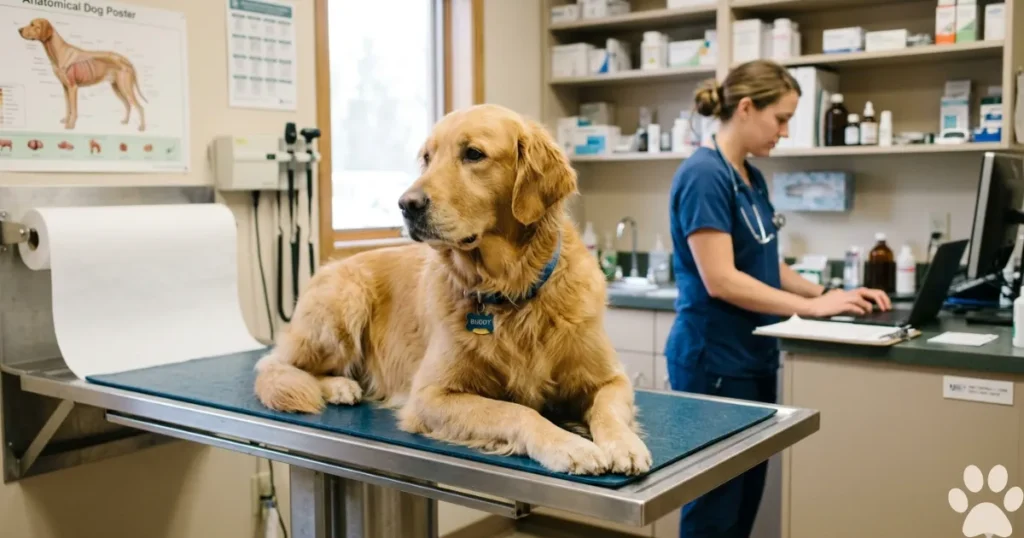
Among all nutritional interventions studied for canine epilepsy, MCT supplementation has the strongest peer-reviewed evidence base for reducing seizure frequency in dogs with idiopathic epilepsy.
What is the best dog food for seizures in Golden Retrievers?
Royal Canin Veterinary Neurology Support is the most evidence-backed commercial option, formulated with MCTs shown to reduce seizure frequency. It requires veterinary authorization and works alongside, not instead of, anticonvulsant medication.
Can diet reduce seizures in dogs?
Diet cannot cure epilepsy, but MCT-enriched diets have peer-reviewed evidence supporting reduced seizure frequency in dogs with idiopathic epilepsy. Dietary triggers – rosemary, artificial additives, and high-glycemic carbohydrates – can also be eliminated to reduce seizure load.
Is grain-free food better for dogs with seizures?
No. There is no evidence that grain-free diets reduce seizures, and legume-heavy grain-free formulas carry a potential risk for taurine depletion – a concern in Golden Retrievers already predisposed to taurine sensitivity.
Does coconut oil help dogs with seizures?
Coconut oil contains MCTs, which have the strongest nutritional evidence base for seizure management in dogs. It should be introduced gradually and at veterinarian-recommended doses – excessive amounts cause GI upset and pancreatitis risk.
What ingredients should I avoid in dog food for epileptic Golden Retrievers?
Avoid rosemary extract, BHA, BHT, artificial flavors, MSG-containing additives, and high-glycemic carbohydrate sources such as corn syrup and refined starches.
Can food trigger seizures in dogs?
Certain dietary factors – including rosemary extract, MSG, rapid blood glucose spikes, and abrupt food changes – can lower seizure threshold in epileptic dogs. Identifying and eliminating dietary triggers is a first-line dietary intervention.
Is a ketogenic diet safe for dogs with epilepsy?
Modified ketogenic diets are being used in canine epilepsy under veterinary nutritionist supervision. A full ketogenic diet without professional formulation carries deficiency risks. MCT-enriched commercial diets are a safer starting point.
Should I give my epileptic dog omega-3 supplements?
Yes, under veterinary guidance. EPA and DHA support neuronal membrane integrity and reduce neuroinflammation. Fish oil supplementation is low-risk at appropriate doses and particularly relevant for Golden Retrievers.
How does phenobarbital affect a dog’s nutritional needs?
Phenobarbital increases appetite, depletes B vitamins through metabolic processing, and can cause liver enzyme elevation over time. Dogs on phenobarbital benefit from calorie-controlled feeding, B-vitamin monitoring, and liver-supportive nutrition.
Can I manage my Golden Retriever’s seizures with diet alone?
No. Diet is an adjunctive support tool, not a replacement for anticonvulsant medication in clinically diagnosed epilepsy. Using diet alone while delaying medication risks prolonged uncontrolled seizures, which cause progressive neurological damage.
What protein source is best in dog food for seizures?
Salmon and fish-primary proteins are generally preferred – they deliver omega-3s alongside high-quality protein, avoid chicken (a common inflammatory trigger in Golden Retrievers), and are typically formulated without rosemary extract.
Does taurine deficiency affect seizures in Golden Retrievers?
Taurine is an inhibitory neuromodulator involved in GABAergic signaling. Golden Retrievers have documented taurine metabolism vulnerabilities. Diets with adequate animal-derived protein support taurine levels; legume-heavy grain-free diets may compromise them.
How long does dietary change take to affect seizure frequency?
Meaningful changes in seizure frequency from dietary intervention – particularly MCT introduction – typically require 3 – 6 months of consistent feeding before reliable assessment is possible. Short evaluation windows lead to premature conclusions.
Can treats cause seizures in dogs?
Treats containing rosemary extract, artificial flavors, or MSG-related additives can contribute to lowering seizure threshold in sensitive dogs. Treat ingredients warrant the same scrutiny as food ingredients for epileptic Golden Retrievers.
Should I tell my vet before changing my epileptic dog’s food?
Always. Dietary changes in epileptic dogs can affect medication absorption (particularly potassium bromide), alter body weight and medication dosing requirements, and introduce variables that complicate seizure pattern interpretation.
Conclusion
The best dog food for seizures in Golden Retrievers is not a single product – it is a nutritional framework built around three priorities: eliminating known dietary triggers, providing evidence-supported ingredients like MCTs and omega-3 fatty acids, and maintaining the metabolic consistency that anticonvulsant medications require to work effectively.
Based on years of working with Golden Retrievers, the dogs that achieve the best long-term seizure control combine appropriate medication with attentive, consistent dietary management. Owners who track food, treats, and seizure events – and who work collaboratively with their veterinarian on both pharmacological and nutritional strategy – give their dogs a meaningfully better chance at stable, comfortable lives.
Diet will not cure your Golden Retriever’s epilepsy. But it can raise the metabolic floor that medication works from – and in a condition where seizure threshold is everything, which floor matters more than most resources acknowledge.
Consult your veterinarian before making any dietary changes for an epileptic dog. Nutritional support is most effective when it is coordinated rather than improvised. Managing a Golden Retriever with epilepsy is one of the most emotionally demanding experiences an owner can go through – and dietary decisions add another layer of complexity to an already difficult situation. If you’ve made dietary changes that affected your dog’s seizure frequency – positively or negatively – your experience is genuinely valuable to other owners navigating the same decisions. Share what you tried, what you observed, and how long it took in the comments below.

Dr. Nabeel A.
Hi, I’m Dr. Nabeel Akram – a farm management professional by trade and a passionate Golden Retriever enthusiast at heart. With years of experience in animal science and livestock care, I’ve built a career around understanding animals—how they live, thrive, and bring value to our lives. This blog is a personal project born from that same passion, focusing on one of the most loyal and lovable breeds out there: the Golden Retriever. Whether I’m managing farm operations or sharing insights on canine health, behavior, and care, it all ties back to one core belief—animals deserve thoughtful, informed, and compassionate attention. Welcome to a space where professional expertise meets genuine love for dogs.
Facebook |
Links will be automatically removed from comments.