When owners walk into my clinic asking about homemade dog food, I understand their motivation immediately – they want the absolute best nutrition for their Golden Retrievers. After years of experience guiding families through the transition from commercial to fresh feeding, I’ve seen remarkable health improvements in countless Golden Retrievers. Learning how to make homemade dog food isn’t complicated, but it requires understanding nutritional balance, proper ingredient selection, and accurate portioning.
Whether you’re concerned about ingredient quality in commercial foods, managing a specific health condition, or simply want more control over what enters your Golden’s bowl, this comprehensive guide will teach you exactly how to make dog food at home safely and effectively. From basic recipes to advanced nutritional planning, you’ll discover everything needed to confidently prepare wholesome, balanced meals that support your Golden Retriever’s health and longevity.
Understanding Why Golden Retrievers Thrive on Homemade Dog Food
Golden Retrievers possess unique nutritional requirements shaped by their breed characteristics, activity levels, and common health predispositions. In my practice, I’ve observed that properly prepared homemade dog food addresses several concerns that commercial diets sometimes overlook.
Breed-Specific Nutritional Considerations
Golden Retrievers are prone to certain health conditions that benefit from dietary management:
Hip and elbow dysplasia:
Requires controlled growth in puppies and anti-inflammatory nutrients in adults
Heart disease:
Benefits from omega-3 fatty acids and appropriate sodium levels
Cancer susceptibility:
Antioxidant-rich ingredients may support immune function
Skin allergies:
Fresh ingredients help identify and eliminate allergens
Weight management:
Customized portions prevent obesity-related complications
The ability to control every ingredient when learning how to make homemade dog food provides unmatched flexibility for addressing these concerns.
Transparency and Quality Control
Commercial dog foods undergo rendering processes and extended storage, potentially degrading nutrient quality. When you make dog food at home, you select fresh, human-grade ingredients and control preparation methods. This transparency eliminates concerns about:
- Ingredient sourcing and quality
- Preservative content
- Processing temperatures
- Contamination risks during manufacturing
- Nutrient degradation during storage
Vet’s Tip: Start with simple recipes using three to four ingredients, then gradually expand variety once your Golden Retriever adjusts to fresh feeding and you understand proper nutritional balance.
Essential Nutritional Framework for Golden Retriever Homemade Meals
Before diving into how to make dog food at home, understanding fundamental canine nutrition principles ensures you create balanced, complete meals rather than nutritionally deficient recipes.
Macronutrient Requirements
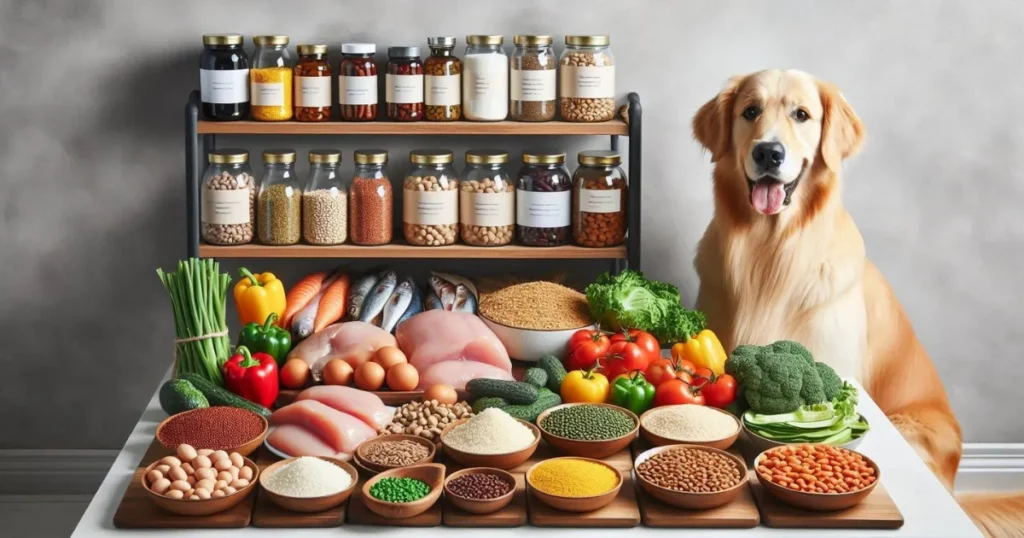
Protein: Adult Golden Retrievers require 18-25% protein; puppies need 22-28%. Quality sources include:
- Chicken, turkey, beef, lamb, fish
- Eggs (highly bioavailable).
- Organ meats (nutrient-dense).
Fat:
- Provides concentrated energy and essential fatty acids (10-15% of diet):
- Fish oil for omega-3 fatty acids.
- Chicken fat for palatability.
- Flaxseed or hemp oil for plant-based options.
Carbohydrates:
While not essential, they provide energy and fiber:
- Brown rice, oatmeal, quinoa.
- Sweet potatoes, butternut squash.
- Digestible starches that your Golden can efficiently utilize.
Micronutrient Necessities.
Through years of experience analyzing homemade diets, I’ve identified critical micronutrients often missing:
- Calcium and phosphorus: A Proper ratio (1.2:1 to 1.4:1) prevents skeletal abnormalities.
- Essential vitamins: A, D, E, K, and B-complex require supplementation.
- Trace minerals: Zinc, iron, copper, selenium, and manganese support metabolic function.
- Taurine: Important for cardiac health in Golden Retrievers.
Most homemade dog food requires supplementation to achieve complete nutrition. Don’t assume whole foods alone provide everything your Golden needs.
Step-by-Step Guide: How to Make Homemade Dog Food.
Creating nutritionally complete homemade dog food follows a systematic approach, ensuring safety, balance, and palatability.
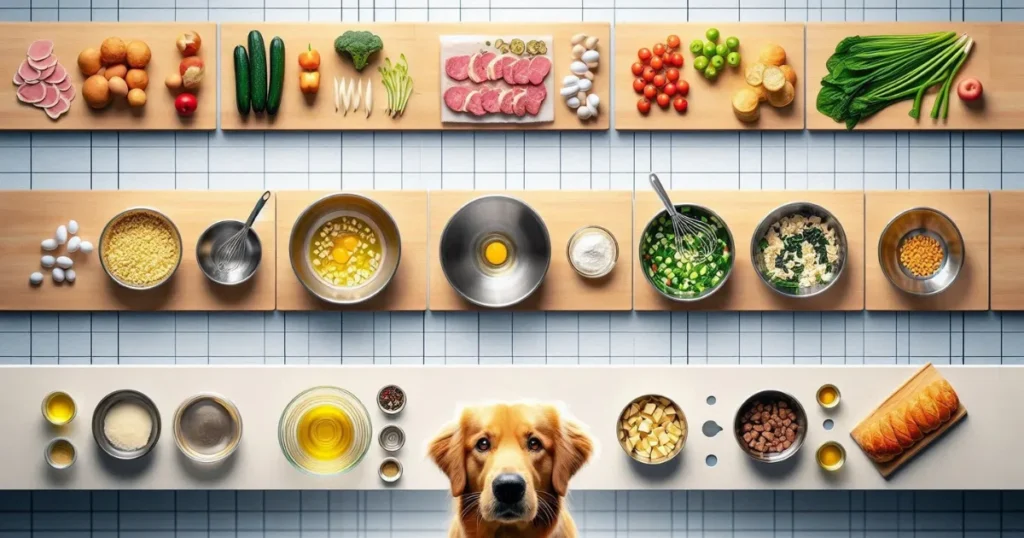
Step 1: Select Your Protein Source.
Choose high-quality protein as the foundation:
- Chicken: Affordable, easily digestible, lean option.
- Turkey: Lower fat content, excellent for weight management.
- Beef: Rich in iron and B vitamins.
- Fish (salmon, mackerel): High in omega-3s for coat and joint health.
- Lamb: Alternative protein for dogs with poultry sensitivities.
Purchase human-grade meat from reliable sources. Organic or grass-fed options provide superior nutrient profiles but aren’t mandatory.
Step 2: Choose Complex Carbohydrates.
Select easily digestible carbohydrate sources:
- Brown rice: Versatile, gentle on digestion.
- Sweet potato: Rich in beta-carotene and fiber.
- Oatmeal: Beneficial for sensitive stomachs.
- Quinoa: Complete amino acid profile.
- White rice: Use temporarily for digestive upset.
Cook all grains and starches thoroughly to maximize digestibility.
Step 3: Incorporate Vegetables and Fruits.
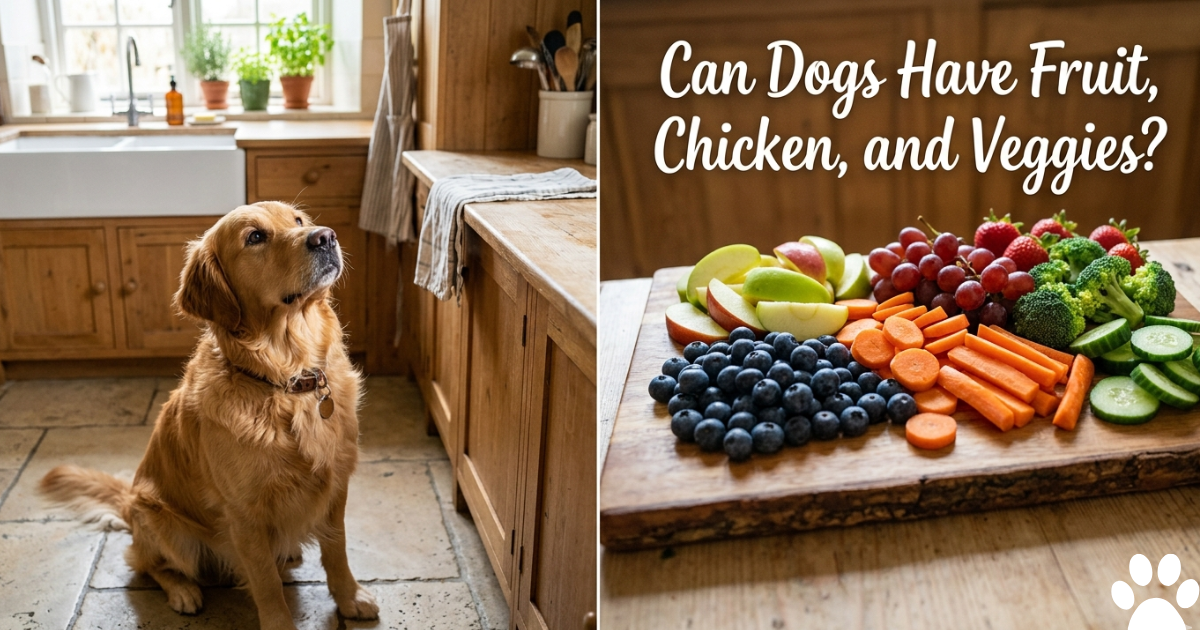
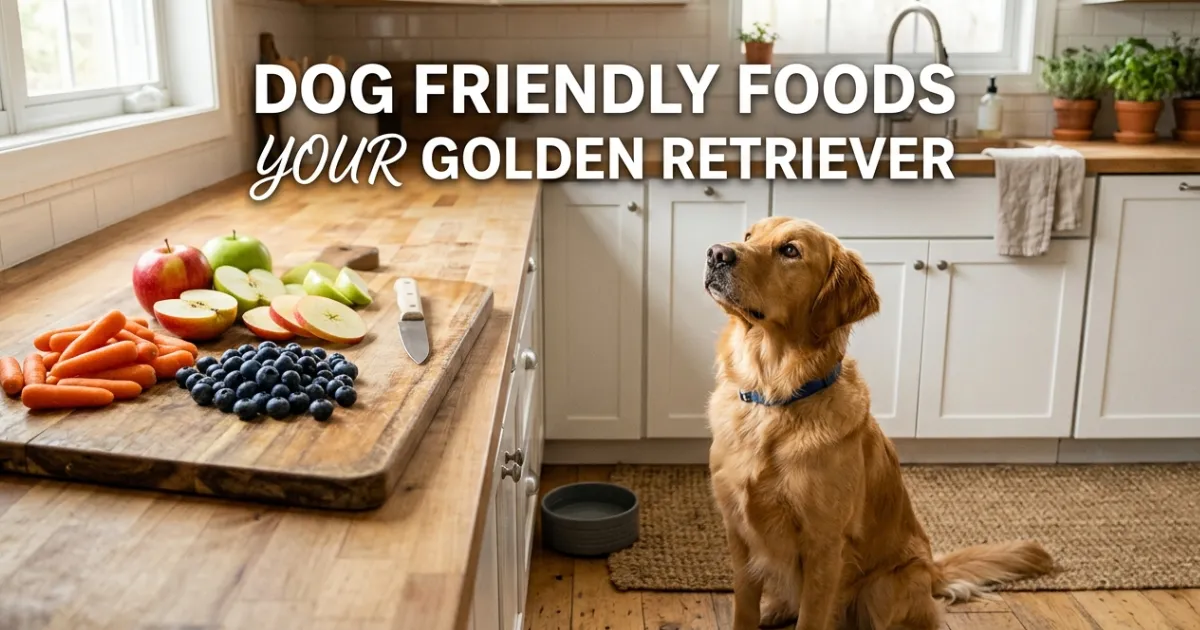
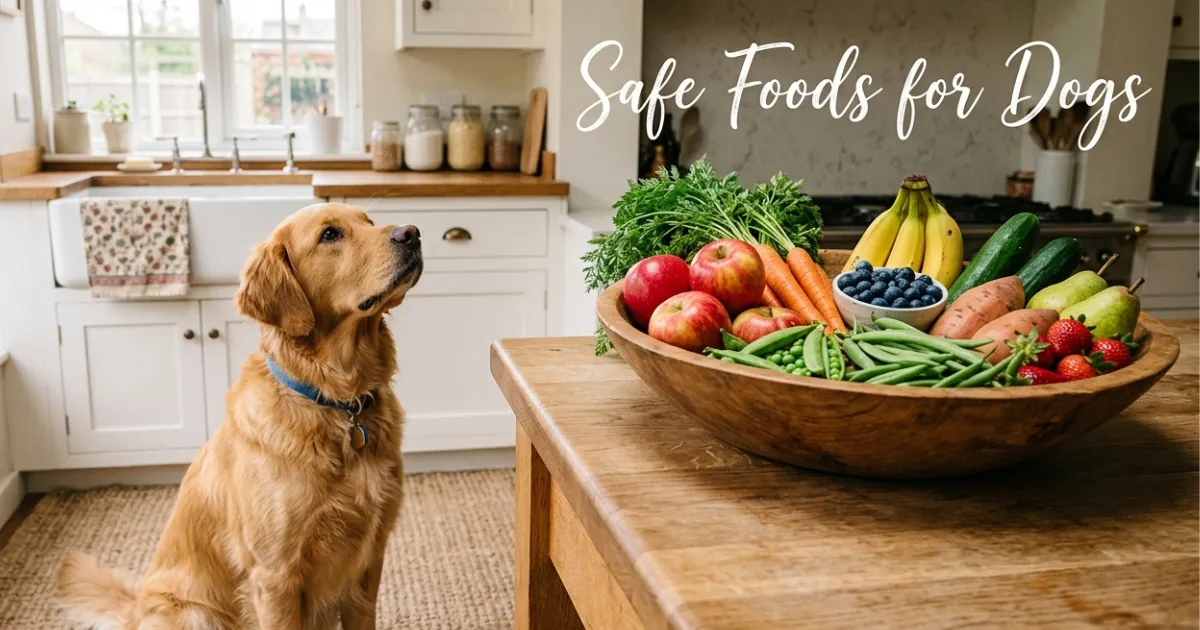
Add micronutrient-rich produce (approximately 10-15% of recipe):
Vegetables:
- Carrots (vitamin A).
- Green beans (fiber, low calorie).
- Broccoli (antioxidants, in moderation).
- Spinach (iron, folate).
- Peas (protein, fiber).
Fruits:
- Blueberries (antioxidants).
- Apples (fiber, remove seeds).
- Pumpkin (digestive health).
Steam or lightly cook vegetables to improve digestibility and nutrient absorption.
Step 4: Add Healthy Fats.
Include essential fatty acids:
- Fish oil: 1,000 mg per 30 pounds of body weight.
- Coconut oil: 1 teaspoon per 10 pounds body weight.
- Olive oil: Alternative healthy fat source.
Fats enhance palatability, support skin and coat health, and facilitate fat-soluble vitamin absorption.
Step 5: Incorporate Critical Supplements.
This step separates nutritionally complete homemade dog food from deficient recipes:
- Calcium supplement: Calcium carbonate or bone meal (1,000-1,800 mg per pound of food).
- Multivitamin: Veterinary-formulated product ensuring micronutrient adequacy.
Additional considerations
- Vitamin E (100-400 IU daily).
- Probiotics for digestive health.
- Glucosamine/chondroitin for joint support in older Golden Retrievers.
Step 6: Prepare and Store Safely.
Follow food safety protocols:
- Cook all meats to safe internal temperatures (165 °F for poultry, 160 °F for ground meats).
- Use clean utensils and preparation surfaces.
- Combine all ingredients thoroughly.
- Allow food to cool completely.
- Portion into meal-sized containers.
- Refrigerate up to 3-4 days or freeze up to 2-3 months.
Proven Homemade Dog Food Recipes for Golden Retrievers.
These tested recipes demonstrate how to make dog food at home with proper nutritional balance.
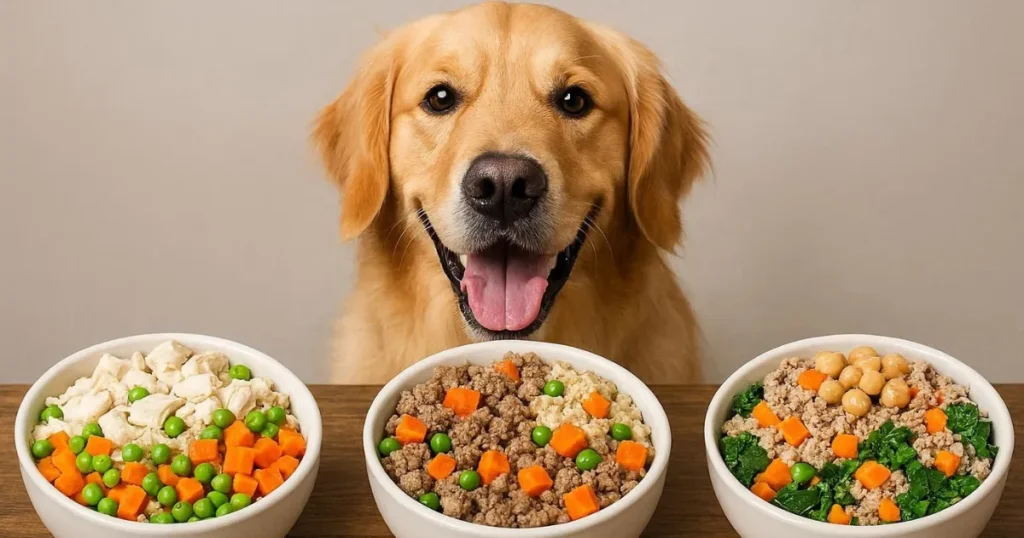
Basic Chicken and Rice Formula.
Ingredients:
- 2 pounds boneless, skinless chicken thighs.
- 2 cups cooked brown rice.
- 1 cup cooked sweet potato, diced.
- 1 cup mixed vegetables (carrots, green beans).
- 2 tablespoons fish oil.
- 1 teaspoon calcium carbonate powder.
- Veterinary multivitamin supplement.
Preparation:
Cook chicken thoroughly, dice into appropriate-sized pieces, combine with cooked rice and vegetables, add oils and supplements, mix well, and portion accordingly.
Yield:
Approximately 8-9 cups (3-4 days for an average 70-pound Golden Retriever).
Beef and Oatmeal Recipe.
Ingredients:
- 2 pounds lean ground beef (90% lean).
- 2 cups cooked oatmeal.
- 1 cup cooked butternut squash.
- 3/4 cup steamed broccoli and carrots.
- 1 tablespoon fish oil.
- 1 tablespoon coconut oil.
- 1 teaspoon bone meal powder.
- Multivitamin supplement.
This recipe provides different amino acid profiles and higher iron content compared to poultry-based options.
Turkey and Quinoa Formula.
Ingredients:
- 2 pounds ground turkey (93% lean).
- 1.5 cups cooked quinoa.
- 1 cup cooked green beans.
- 1/2 cup blueberries.
- 1/2 cup diced apples (seeds removed).
- 2 tablespoons olive oil.
- 1 teaspoon calcium supplement.
- Multivitamin.
Ideal for Golden Retrievers requiring lower-fat diets or managing weight concerns.
Fish and Sweet Potato Recipe.
Ingredients:
- 1.5 pounds fresh salmon (deboned).
- 2.5 cups cooked brown rice.
- 1.5 cups cooked sweet potato.
- 1 cup mixed vegetables.
- 2 tablespoons fish oil (additional).
- 1 teaspoon calcium carbonate.
- Multivitamin with vitamin E.
Particularly beneficial for Golden Retrievers with joint issues or requiring extra omega-3 fatty acids.
How Much Homemade Dog Food to Feed Your Golden Retriever.
Proper portioning prevents obesity and ensures adequate nutrition – one of the most frequent questions I receive about homemade dog food.
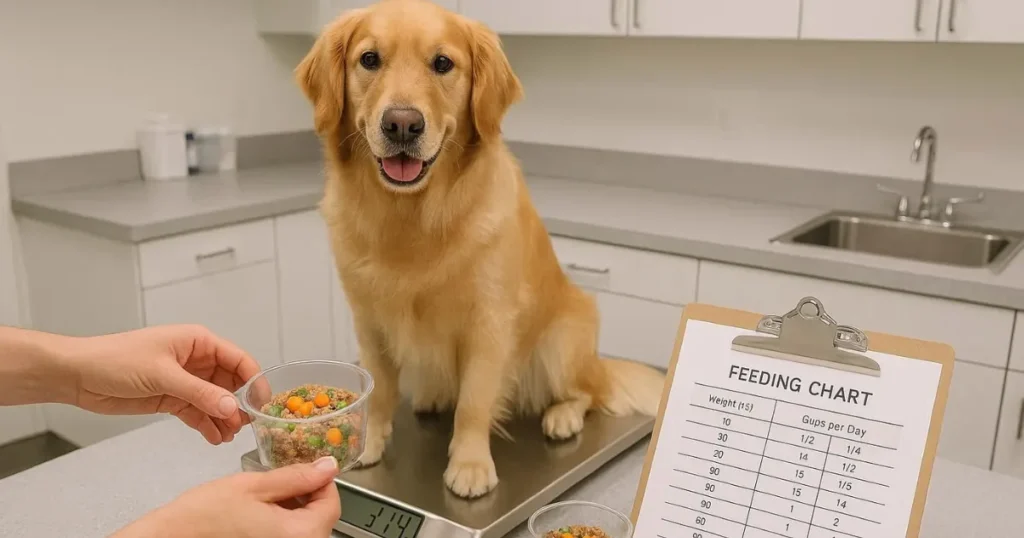
Calculating Daily Caloric Requirements.
Basic Formula: Resting Energy Requirement (RER) = 70 × (body weight in kg) ^ 0.75.
Activity Multipliers:
- Neutered adult: 1.6 × RER.
- Intact adult: 1.8 × RER.
- Active/working dog: 2.0-2.5 × RER.
- Senior/inactive: 1.2-1.4 × RER.
- Puppy (growth): 2.0-3.0 × RER.
Practical Feeding Guidelines.
For an average 70-pound (32 kg) Golden Retriever:
- RER = 70 × (32) ^ 0.75 ≈ 1,100 calories.
- Neutered adult: 1,100 × 1.6 = 1,760 calories daily.
- Active adult: 1,100 × 2.0 = 2,200 calories daily.
Portion Size Chart.
| Weight Range | Activity Level | Daily Calories | Cups of Food* |
| 50-60 lbs | Moderate | 1,400-1,600 | 5-5.5 cups |
| 60-70 lbs | Moderate | 1,600-1,800 | 5.5-6.5 cups |
| 70-80 lbs | Moderate | 1,800-2,000 | 6.5-7 cups |
| 80-90 lbs | Moderate | 2,000-2,200 | 7-8 cups |
* Based on approximately 275-300 calories per cup of prepared food.
Divide daily portions into two meals for adult Golden Retrievers to prevent bloat and maintain stable energy levels.
Monitoring and Adjusting Portions.
When determining how much homemade dog food to feed, observe:
Body condition score: Ribs should be easily palpable with slight fat covering, and a visible waist when viewed from above.
Weight trends: Weigh weekly initially, then monthly once stable.
Energy levels: Appropriate activity for age and typical temperament.
Stool quality: Well-formed, brown stools indicate proper digestion.
Adjust portions by 10-15% based on body condition changes. Golden Retrievers should maintain lean body condition to minimize joint stress and health complications.
Special Considerations for Homemade Puppy Food.
Learning how to make dog food at home for Golden Retriever puppies requires additional nutritional precision.
Puppy-Specific Requirements.
Higher protein: 22-28% versus 18-25% for adults.
Controlled calcium: Excessive calcium accelerates growth, increasing orthopedic disease risk in large breeds.
Caloric density: Puppies require 2-3 times adult maintenance calories.
Meal frequency:
- 8-12 weeks: 4 meals daily.
- 3-6 months: 3 meals daily.
- 6-12 months: 2-3 meals daily.
Growth Monitoring.
Track puppy weight weekly using growth charts specific to Golden Retrievers. Avoid rapid growth that stresses developing joints. Ideal growth follows the middle of the breed-specific curve.
Consult with your veterinarian or veterinary nutritionist when formulating homemade puppy food. Growth-related orthopedic diseases in Golden Retrievers often trace back to nutritional imbalances during development.
Transitioning Your Golden Retriever to Homemade Food.
Abrupt dietary changes cause gastrointestinal upset. Proper transition typically requires 7-10 days.
Transition Schedule.
- Days 1-2: 75% current food + 25% homemade dog food.
- Days 3-4: 50% current food + 50% homemade.
- Days 5-6: 25% current food + 75% homemade.
- Days 7-10: 100% homemade dog food.
Managing Transition Challenges.
Monitor for:
- Loose stools or diarrhea (slow transition).
- Decreased appetite (ensure food palatability).
- Gas or bloating (evaluate ingredient tolerability).
- Vomiting (discontinue and consult a veterinarian).
Most Golden Retrievers adapt easily to fresh food. Their typically enthusiastic appetites make transitioning straightforward compared to pickier breeds.
Food Safety and Storage Best Practices.
Proper handling prevents foodborne illness and maintains nutritional quality.
Preparation Safety.
Wash hands thoroughly before and after handling raw ingredients.
- Use separate cutting boards for meat.
- Clean all surfaces with hot, soapy water.
- Cook meats to safe internal temperatures.
- Avoid cross-contamination.
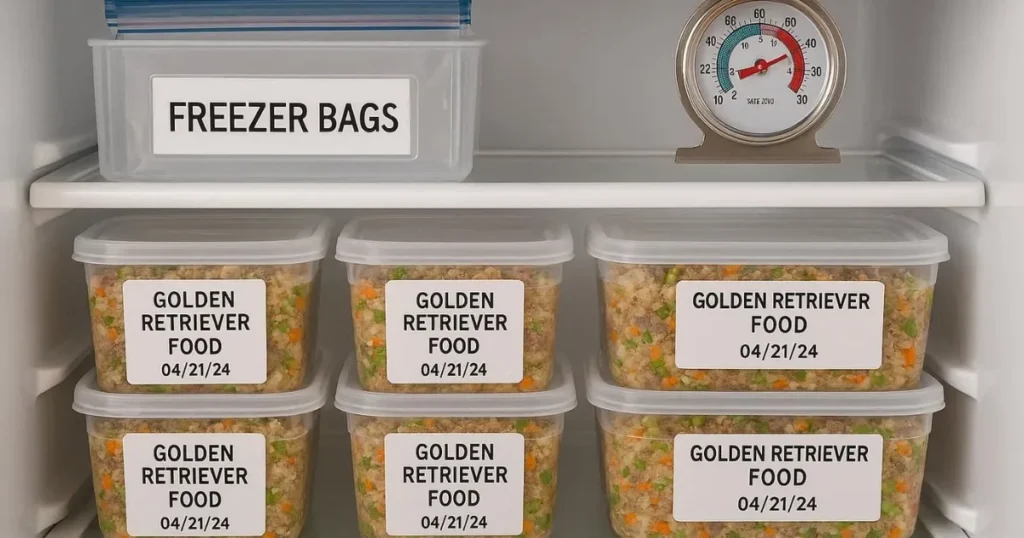
Storage Guidelines.
Refrigeration:
- Store in airtight containers.
- Keep at 40 °F or below.
- Use within 3-4 days.
Freezing:
- Portion into meal-sized containers.
- Label with preparation date.
- Use within 2-3 months.
- Thaw in refrigerator 24 hours before feeding.
Serving:
- Bring to room temperature or slightly warm.
- Never serve food directly from the refrigerator (may cause digestive upset).
- Discard uneaten portions after 30-60 minutes.
Common Mistakes When Making Dog Food at Home.
Through years of reviewing homemade diets, I’ve identified recurring errors that compromise Golden Retriever health.
Critical Errors to Avoid.
All-meat diets:
Cause severe calcium deficiency and nutritional imbalances.
Inconsistent recipes:
Weekly ingredient changes prevent nutritional consistency.
Insufficient supplementation:
Whole foods alone don’t provide complete nutrition.
Improper calcium ratios:
Too little causes skeletal issues; excessive amounts affect other mineral absorption.
Raw feeding without expertise:
Carries bacterial contamination risks and requires precise balancing.
Ignoring individual needs:
Puppies, seniors, and dogs with health conditions require customized formulations.
Using toxic ingredients:
Onions, garlic (in quantity), grapes, raisins, xylitol, chocolate, macadamia nuts.
Ensuring Recipe Safety.
Before implementing any recipe showing how to make homemade dog food:
- Verify ingredient safety.
- Calculate nutritional adequacy.
- Ensure proper supplementation.
- Confirm appropriate portions.
- Plan veterinary monitoring.
Consider professional recipe formulation services like Balance IT or consultation with board-certified veterinary nutritionists.
Cost Analysis: Homemade vs Commercial Dog Food.
Many owners ask about the financial investment of learning how to make dog food at home.
Monthly Cost Breakdown (70-pound Golden Retriever).
Premium commercial food: $80-130/ month.
Homemade chicken-based diet:
- Chicken: $45-60.
- Grains/carbohydrates: $12-18.
- Vegetables/fruits: $15-25.
- Supplements: $20-30.
- Total: $92-133/ month.
Homemade beef-based diet:
- Beef: $70-95.
- Grains/carbohydrates: $12-18.
- Vegetables/fruits: $15-25.
- Supplements: $20-30.
- Total: $117-168/ month.
Time investment: 2-3 hours weekly for shopping and preparation.
Homemade dog food costs compare favorably to premium commercial diets when considering ingredient quality. Bulk purchasing and seasonal produce reduce expenses.
Health Monitoring on Homemade Diets.
Regular assessment ensures your Golden Retriever receives complete nutrition.
Key Health Indicators.
Physical condition:
- Ideal body weight and condition score.
- Shiny, full coat without excessive shedding.
- Healthy skin without dryness or irritation.
- Strong, white teeth with minimal tartar.
- Clear, bright eyes.
Behavioral markers:
- Consistent energy appropriate for age.
- Normal appetite and eating behavior.
- Regular, well-formed bowel movements.
- Alert, engaged demeanor.
Veterinary monitoring schedule:
- Initial bloodwork before starting homemade food.
- 3-month recheck (complete blood panel).
- 6-month monitoring (comprehensive metabolic panel).
- Annual wellness exams with nutritional review.
Bring detailed food records to veterinary appointments, including ingredients, portions, supplements, and any observed changes.
Customizing Recipes for Health Conditions.
Golden Retrievers often require dietary modifications for specific health concerns.
For Weight Management.
- Increase low-calorie vegetables (green beans, cucumber).
- Use lean protein sources (chicken breast, turkey).
- Reduce carbohydrate portions slightly.
- Maintain adequate fat for satiety (don’t eliminate).
- Target 1-2% body weight loss weekly.
For Joint Health.
- Add glucosamine and chondroitin supplements.
- Increase omega-3 fatty acids (fish oil).
- Include turmeric for anti-inflammatory properties.
- Maintain lean body weight to reduce joint stress.
For Sensitive Digestion.
- Use novel proteins (venison, duck).
- Incorporate easily digestible carbs (white rice temporarily).
- Add pumpkin or sweet potato for fiber.
- Include probiotics daily.
- Cook all ingredients thoroughly.
For Senior Golden Retrievers.
- Reduce overall calories by 20-30%.
- Maintain protein to preserve muscle mass.
- Increase antioxidant-rich ingredients.
- Consider softer textures for dental comfort.
- Supplement with joint support formulas.
Expert Resources and Professional Guidance.
Creating balanced homemade dog food benefits from professional consultation.
Recommended Resources.
Professional consultation:
- Board-certified veterinary nutritionists (ACVN).
- American College of Veterinary Nutrition (acvn.org).
Formulation services:
- Balance IT (balanceit.com) – customized supplement blends.
- PetDiets.com – personalized recipe formulations.
Educational resources:
UC Davis Veterinary Medicine nutrition guidelines.
- World Small Animal Veterinary Association (WSAVA).
- American Veterinary Medical Association (AVMA).
Never hesitate to discuss homemade feeding plans with your veterinarian. Most appreciate owners’ commitment and provide valuable breed-specific guidance.
What exactly is homemade dog food and is it better than commercial options?
Homemade dog food consists of fresh, whole ingredients prepared at home rather than commercial kibble or canned food. When properly formulated with adequate protein, carbohydrates, healthy fats, and essential supplements, it provides equivalent or superior nutrition with complete ingredient control and transparency.
How do I start making homemade dog food for my Golden Retriever?
Begin by selecting a balanced recipe with quality protein, digestible carbohydrates, vegetables, and proper supplements. Transition gradually over 7-10 days, mixing increasing amounts with the current food. Monitor your Golden’s response, maintain consistent recipes, and schedule veterinary monitoring to ensure nutritional adequacy.
How to make dog food at home without professional consultation?
While possible, professional guidance ensures nutritional completeness. Start with veterinary-formulated recipes from credible sources, use quality supplements like Balance IT, calculate portions based on your Golden’s weight and activity level, and schedule bloodwork within three months to verify nutritional adequacy.
How much homemade dog food should I feed my Golden Retriever daily?
A 70-pound moderately active Golden Retriever typically needs 6-7 cups of homemade food daily (approximately 1,700-1,900 calories), divided into two meals. Calculate individual needs using the formula: RER = 70 × (weight in kg) ^ 0.75, then multiply by the appropriate activity factor.
Can I make homemade puppy food for my Golden Retriever?
Yes, but puppy recipes require higher protein (22-28%), controlled calcium levels, and increased calories for growth. Consult your veterinarian or veterinary nutritionist for puppy-specific formulations that prevent orthopedic issues common in Golden Retrievers. Monitor growth carefully using breed-specific charts.
What supplements are essential when making dog food at home?
Essential supplements include calcium carbonate (1,000-1,800 mg per pound of food), veterinary-formulated multivitamins providing complete micronutrients, fish oil for omega-3 fatty acids (1,000 mg per 30 pounds body weight), and vitamin E (100-400 IU daily) for immune support.
How long does homemade dog food stay fresh and safe?
Properly prepared homemade dog food stays fresh 3-4 days refrigerated in airtight containers at 40 °F or below. For longer storage, freeze individual portions up to 2-3 months. Always thaw in the refrigerator, never at room temperature, and discard uneaten food after 30-60 minutes.
What are the signs my Golden Retriever isn’t getting proper nutrition from homemade food?
Warning signs include dull coat, excessive shedding, low energy, poor stool quality, unexplained weight changes, decreased appetite, and behavioral changes. Schedule veterinary bloodwork if symptoms appear to assess nutritional status and adjust recipes accordingly for complete balanced nutrition.
Conclusion.
After years of experience guiding Golden Retriever families through the transition to fresh feeding, I can confidently say that learning how to make homemade dog food is one of the most rewarding decisions you can make for your beloved companion. While the process requires commitment, attention to nutritional balance, and consistent preparation, the benefits – improved coat quality, better weight management, enhanced energy levels, and complete ingredient transparency – make the effort worthwhile.
Remember that successful homemade dog food preparation hinges on several critical factors: selecting quality ingredients, maintaining proper nutritional ratios, incorporating essential supplements, calculating accurate portions based on how much homemade dog food to feed your specific Golden Retriever, and implementing safe food handling practices. Whether you choose chicken, beef, turkey, or fish as your primary protein source, consistency and completeness remain paramount.
The journey of learning how to make dog food at home doesn’t mean you’re alone. Regular veterinary monitoring, professional nutritional consultation when needed, and connection with the broader Golden Retriever community provide invaluable support. Start with simple, proven recipes, transition gradually, monitor your dog’s response carefully, and adjust as needed based on individual requirements.
Your Golden Retriever’s health, vitality, and longevity depend significantly on the nutrition you provide. By taking control of their diet through properly formulated homemade dog food, you’re investing in their quality of life and strengthening the bond you share. The time and care you dedicate to preparing fresh, wholesome meals demonstrates the depth of your commitment to their wellbeing – and your Golden Retriever will thrive because of it.
Share Your Homemade Dog Food Journey! Are you already making homemade dog food for your Golden Retriever? We’d love to hear about your experience! What recipes does your Golden enjoy most? Have you noticed improvements in coat quality, energy levels, or overall health since learning how to make dog food at home?