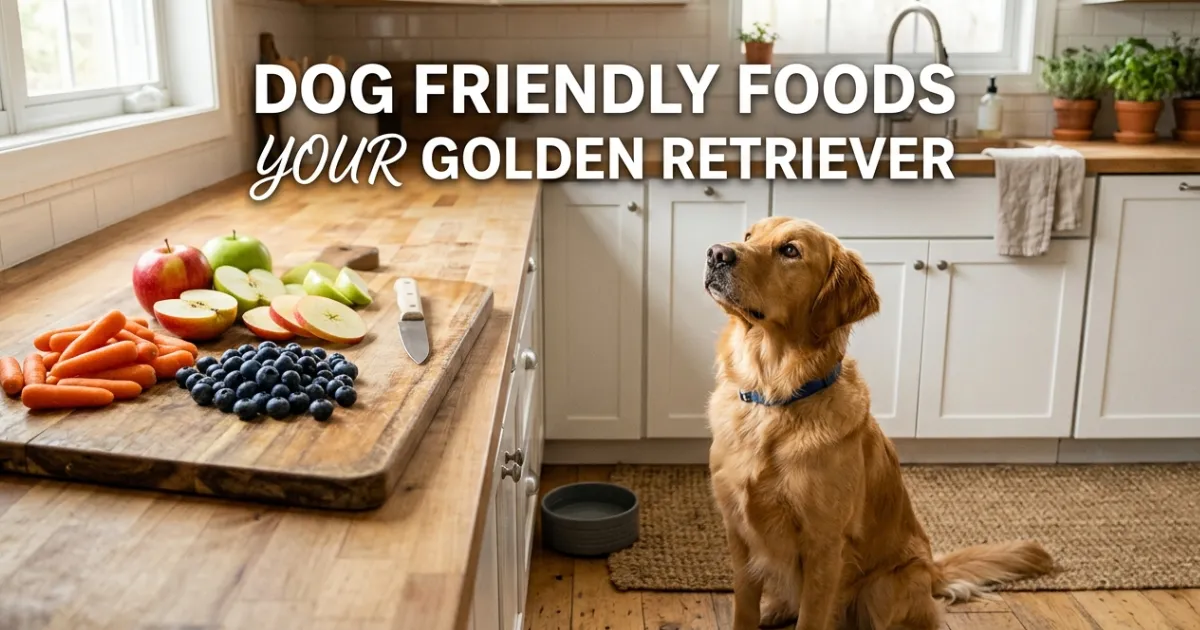
Throughout my years of experience treating Golden Retrievers, I’ve encountered countless owners asking how to make fresh dog food at home, hoping to provide superior nutrition while reducing costs compared to commercial fresh food services. The appeal is understandable – controlling ingredients, avoiding preservatives, and preparing meals similar to what families eat themselves resonates with many conscientious dog owners seeking optimal health for their Goldens.
However, in my clinic, I’ve also treated Golden Retrievers suffering serious nutritional deficiencies from well-intentioned but improperly formulated homemade diets. Learning how to make fresh dog food correctly requires understanding canine nutritional requirements that differ dramatically from human needs, proper food safety protocols, and commitment to balanced recipes ensuring complete nutrition.
Today, I’ll share comprehensive veterinary guidance on how to make fresh dog food safely for Golden Retrievers, including balanced recipes, critical warnings, and practical implementation strategies based on both nutritional science and clinical experience.
Understanding Canine Nutritional Requirements before You Start
Before learning how to make fresh dog food, you must understand that dogs require different nutrients in different ratios than humans, and simply feeding “healthy human food” creates dangerous nutritional imbalances I’ve treated repeatedly throughout my career.
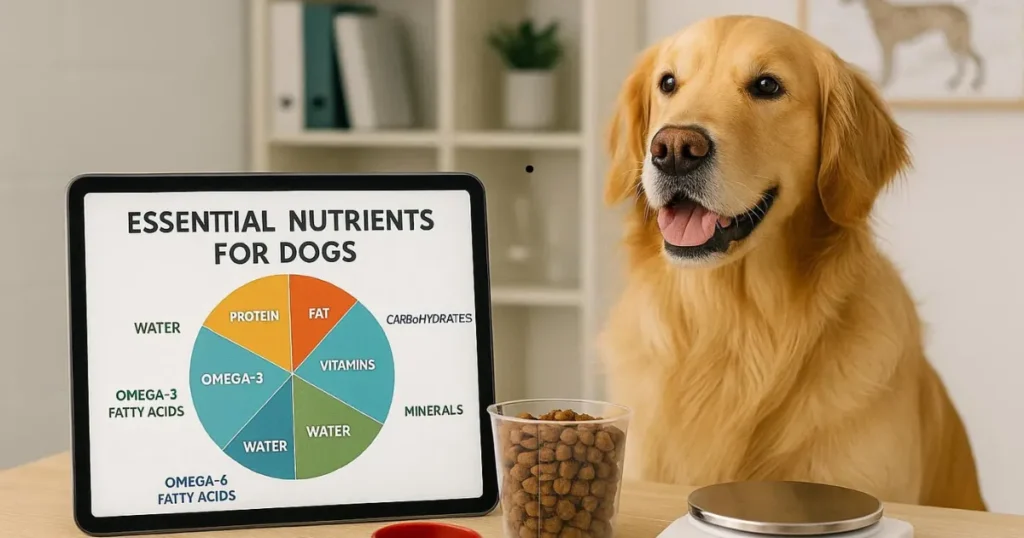
Essential Nutrient Requirements
Golden Retrievers need precise balances of six nutrient categories: protein, fat, carbohydrates, vitamins, minerals, and water. The AAFCO (Association of American Feed Control Officials) establishes minimum and maximum levels ensuring complete nutrition, and how to make fresh dog food properly requires meeting these standards.
Protein requirements
For adult Golden Retrievers equal approximately 18% of diet on a dry matter basis (minimum), though I recommend 22-28% for optimal muscle maintenance. Puppies need 22.5% minimum. Protein must provide complete amino acid profiles, including ten essential amino acids dogs can not synthesize – arginine, histidine, isoleucine, leucine, lysine, methionine, phenylalanine, threonine, tryptophan, and valine.
Fat requirements
Equal 5.5% minimum for adults (8.5% for puppies) on a dry matter basis, though I recommend 12-16% for Golden Retrievers. Fat provides essential fatty acids – linoleic acid (omega-6) and alpha-linolenic acid (omega-3) – plus fat-soluble vitamins A, D, E, and K. Many homemade diets contain excessive protein but insufficient fat, creating imbalances.
Vitamin and mineral requirements
Prove most challenging when learning how to make fresh dog food. Dogs need specific amounts of calcium, phosphorus, magnesium, sodium, potassium, chloride, iron, copper, manganese, zinc, iodine, selenium, plus vitamins A, D, E, K, thiamine, riboflavin, pantothenic acid, niacin, pyridoxine, folic acid, B12, and choline. Deficiencies or excesses cause serious health problems.
Why Most Homemade Diets Fail Nutritionally
In my practice, I’ve diagnosed nutritional deficiencies in numerous Golden Retrievers eating homemade diets their owners believed were healthy. Common problems include:
Calcium-phosphorus imbalances occur when owners feed meat-heavy diets without appropriate calcium supplementation. Meat contains high phosphorus but minimal calcium, creating ratios of 1:15 or worse instead of the required 1:1 to 1.8:1 ratio. This causes skeletal problems, particularly devastating in growing puppies.
Essential fatty acid deficiencies manifest as poor coat quality, skin problems, and immune dysfunction when diets lack appropriate fat sources or balanced omega-6 to omega-3 ratios.
Vitamin deficiencies develop gradually. Thiamine deficiency causes neurological problems, vitamin A deficiency causes vision problems, vitamin D deficiency causes skeletal abnormalities, and vitamin E deficiency causes muscle degeneration.
Trace mineral deficiencies prove particularly insidious. Zinc deficiency causes skin lesions, copper deficiency causes anemia, iodine deficiency causes thyroid problems, and selenium deficiency causes muscle disease.
These aren’t theoretical concerns – I’ve treated all these conditions in Golden Retrievers eating unbalanced homemade diets prepared by loving, conscientious owners who didn’t understand how to make fresh dog food meeting complete nutritional requirements.
Critical Safety Requirements for Making Fresh Dog Food
Understanding how to make fresh dog food safely requires strict food handling protocols, preventing bacterial contamination that causes serious illness in dogs and potentially spreads to human family members.
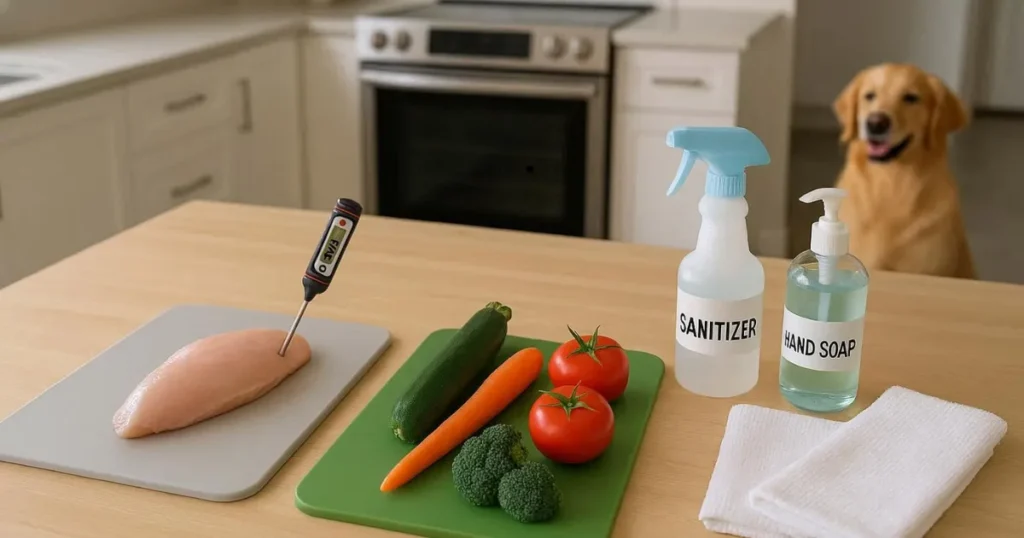
Food Safety Fundamentals
Meat handling requires particular care. Purchase fresh meat from reputable sources, refrigerate immediately, and use within 2-3 days or freeze for later use. Thaw frozen meat in the refrigerator – never at room temperature, where bacterial growth accelerates dangerously.
Preparation hygiene demands thorough handwashing before and after handling ingredients, using separate cutting boards for meat and vegetables, and sanitizing all surfaces and utensils with hot soapy water or diluted bleach solution after preparation.
Cooking temperatures must reach internal temperatures killing pathogens: 165 ° F for poultry, 160 ° F for ground meats, 145 ° F for whole meat cuts. Use a meat thermometer, verifying temperatures – visual assessment proves unreliable.
Storage protocols require refrigerating prepared food immediately in airtight containers. Homemade fresh food lasts 3-4 days refrigerated at 40 ° F or below, or 2-3 months frozen. Label containers with preparation dates, ensuring the oldest food gets used first.
Serving safety means bringing refrigerated food to room temperature or warming slightly before serving, never microwaving unevenly, causing hot spots that burn mouths. Discard any food left at room temperature for over 2 hours, and never feed food that smells off or shows mold.
Ingredient Safety Warnings
Learning how to make fresh dog food requires knowing which human foods prove toxic to dogs, causing problems ranging from gastrointestinal upset to organ failure and death.
Never include:
Onions, garlic, grapes, raisins, chocolate, xylitol (artificial sweetener), macadamia nuts, avocado, alcohol, caffeine, raw yeast dough, or products containing these ingredients. Even small amounts of some toxins cause serious problems.
Use cautiously:
High-fat foods trigger pancreatitis in susceptible dogs. Bones (cooked or raw) cause intestinal obstruction, perforation, or tooth fractures. High-sodium foods contribute to hypertension and cardiac problems.
Veterinary-Approved Recipe: Balanced Fresh Dog Food for Golden Retrievers
This recipe demonstrates how to make fresh dog food meeting AAFCO nutritional standards when properly supplemented. It provides complete nutrition for adult Golden Retrievers at maintenance.
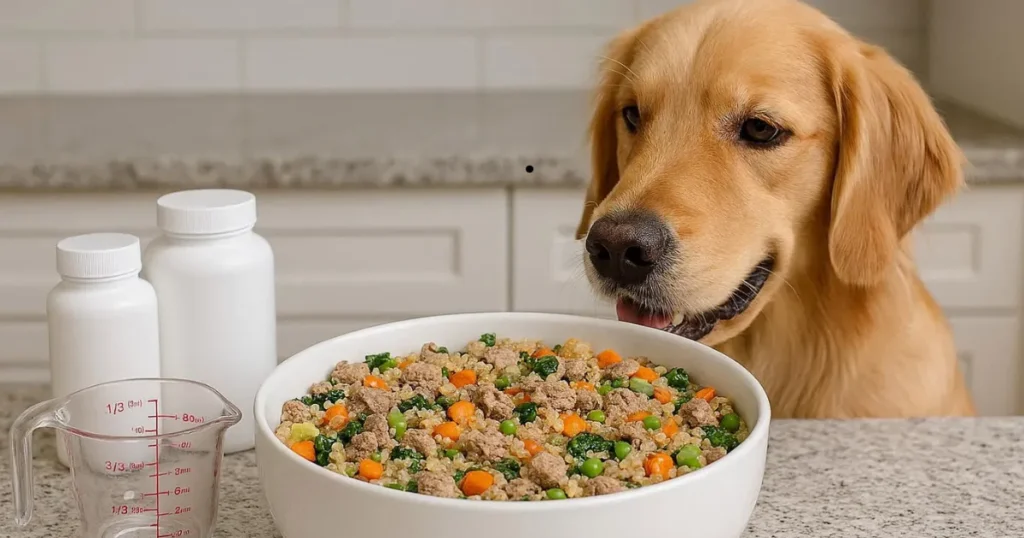
Base Recipe Ingredients (Makes approximately 5 pounds).
- Protein source (2 pounds): Ground turkey, chicken thighs, lean ground beef, or salmon
- Carbohydrate source (1 pound): Sweet potatoes, brown rice, or oatmeal (cooked weight)
- Vegetables (12 ounces): Mixed vegetables including carrots, green beans, broccoli, spinach
- Fat source (3 tablespoons): Fish oil providing omega-3 fatty acids
- Fiber source (1/4 cup): Ground flaxseed or psyllium husk.
Critical supplementation (absolutely required):
- Calcium supplement providing 1,000-1,200 mg calcium per pound of food (typically calcium carbonate or dicalcium phosphate).
- Multivitamin-mineral supplement formulated for homemade dog food (BalanceIT, Hilary’s Blend, or similar veterinary-recommended product).
Preparation Instructions.
Step 1:
Cook the protein source thoroughly to a safe internal temperature. For ground meats, brown in a large skillet over medium heat until no pink remains. For whole pieces, bake at 350 ° F until cooked through. Drain excess fat if using high-fat meat.
Step 2:
Cook carbohydrate source according to package directions. For sweet potatoes, bake at 400 ° F for 45-60 minutes until soft, then remove skin and mash. For rice or oatmeal, cook in water until tender.
Step 3:
Steam or lightly cook vegetables until tender but not mushy. Some dogs tolerate raw vegetables, but cooking improves digestibility. Chop into small pieces appropriate for your Golden’s eating style.
Step 4:
Combine all ingredients in a large bowl, mixing thoroughly. Add fish oil, ground flaxseed, and required supplements, distributing evenly throughout the mixture.
Step 5:
Divide into meal-sized portions using airtight containers. Refrigerate portions for immediate use (3-4 days) and freeze the remainder for later feeding.
Portion Calculations.
Learning how to make fresh dog food requires calculating appropriate daily amounts based on your Golden’s ideal body weight and activity level, not simply feeding until they appear full.
For a 70-pound adult Golden Retriever with moderate activity:
- Daily caloric needs: Approximately 1,400-1,600 calories.
- This recipe provides: Approximately 140-160 calories per cup.
- Daily amount: 9-11 cups divided into 2 meals.
These calculations assume the specific ingredients and ratios listed. Different protein sources and preparation methods alter caloric density, requiring adjustment.
Essential Supplements for Complete Nutrition.
Understanding how to make fresh dog food that’s nutritionally complete requires appropriate supplementation – this isn’t optional but absolutely mandatory for long-term health.
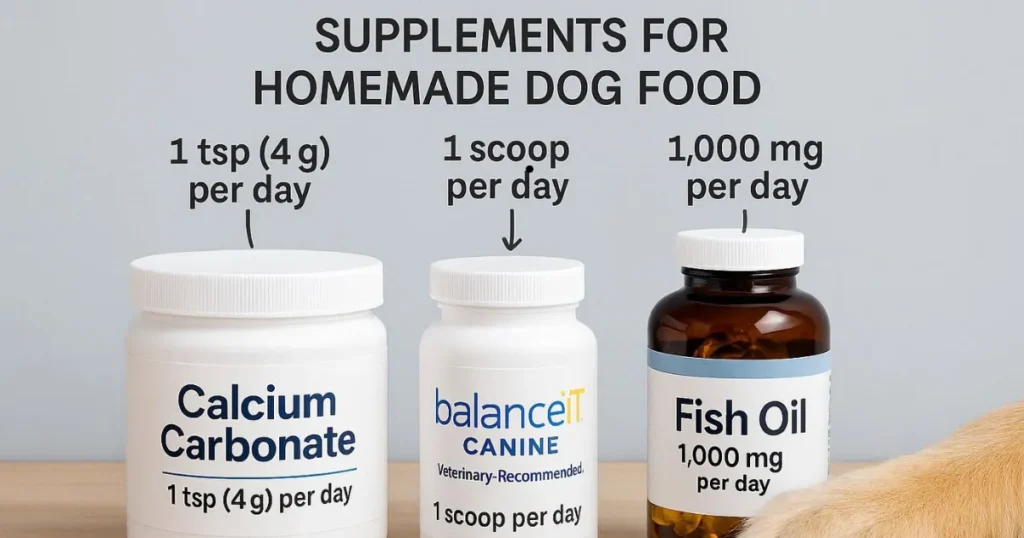
Calcium Supplementation.
Meat-based diets contain minimal calcium but high phosphorus, creating dangerous imbalances without calcium supplementation. Adult dogs need calcium-to-phosphorus ratios between 1:1 and 1.8:1, while puppies require even tighter ranges (1.2:1 to 1.4:1).
Calcium carbonate (least expensive) provides 40% elemental calcium. For the recipe above, add approximately 2-3 teaspoons per batch, providing adequate calcium.
Dicalcium phosphate provides both calcium and phosphorus in appropriate ratios, offering more precise control over mineral balance.
Bone meal provides calcium but varies in quality and mineral content – I recommend avoiding it due to inconsistency and potential heavy metal contamination.
Calculate calcium needs carefully. Too little causes skeletal problems, while excessive calcium (particularly in puppies) causes developmental orthopedic disease I’ve diagnosed in overzealous supplementation cases.
Multivitamin-Mineral Supplements.
Even carefully formulated recipes lack adequate vitamins and trace minerals meeting AAFCO standards. Commercial supplements designed specifically for homemade dog food correct these nutritional gaps.
BalanceIT
It offers customized supplement blends based on specific recipe ingredients. Their veterinary nutritionists analyze your recipe and formulate appropriate supplementation, ensuring nutritional completeness. This represents the gold standard for learning how to make fresh dog food safely.
Hilary’s Blend
It provides pre-formulated supplements for common homemade diet bases (poultry, beef, pork). While less customized than BalanceIT, it offers reasonable nutritional support for properly constructed base recipes.
Standard human multivitamins
They lack appropriate mineral ratios and may contain ingredients toxic to dogs (iron levels safe for humans cause toxicity in dogs). Never substitute human supplements for veterinary-formulated products.
Omega-3 Fatty Acid Supplementation.
Fish oil provides EPA and DHA (marine omega-3s), offering anti-inflammatory benefits supporting joints, skin, brain, and cardiac health. The recipe includes fish oil, but verify you’re providing adequate amounts.
For a 70-pound Golden Retriever, I recommend 2,000-3,000 mg combined EPA/DHA daily. Check your fish oil label for EPA+DHA content (not just “fish oil” amount) and calculate appropriate dosing.
Customizing Recipes for Different Life Stages.
Learning how to make fresh dog food for puppies or seniors requires life-stage-specific modifications addressing changing nutritional requirements throughout your Golden’s life.
Puppy Formulations (2-12 Months).
Golden Retriever puppies need carefully controlled nutrition, preventing developmental orthopedic diseases – hip dysplasia, elbow dysplasia, osteochondrosis – that I diagnose frequently in improperly fed young dogs.
- Higher protein (26-30% dry matter basis) supports rapid tissue growth.
- Controlled calcium (1.2-1.8% dry matter basis) with calcium-to-phosphorus ratios between 1.2:1 and 1.4:1 prevents skeletal abnormalities.
- Moderate calories avoid rapid growth, increasing orthopedic disease risk.
Never improvise puppy formulations. Consult a board-certified veterinary nutritionist (Diplomate of the American College of Veterinary Nutrition) formulating balanced recipes meeting AAFCO growth standards. The developmental consequences of nutritional errors prove devastating – I’ve treated irreversible skeletal deformities resulting from calcium imbalances in homemade puppy diets.
Senior Modifications (7+ Years).
Senior Golden Retrievers benefit from dietary adjustments addressing age-related changes – reduced metabolism, decreased activity, joint problems, and potential organ function decline.
- Moderate protein (24-28% dry matter basis) maintains muscle mass without excessive levels, potentially stressing compromised kidneys in predisposed individuals.
- Reduced calories (20-30% less than adult maintenance) prevent obesity common in less-active seniors.
- Enhanced joint support through increased omega-3 fatty acids and glucosamine/chondroitin supplementation addresses arthritis I diagnose in most aging Goldens.
Increased digestibility through well-cooked ingredients and easily absorbed nutrients accommodates declining digestive efficiency. Enhanced fiber (moderate increase) supports intestinal health and prevents constipation common in sedentary seniors.
Common Mistakes When Making Fresh Dog Food.
Throughout my career, I’ve identified recurring errors owners make when learning how to make fresh dog food, causing nutritional imbalances and health problems requiring veterinary intervention.

Mistake # 1: No Supplementation.
The most dangerous error involves feeding whole-food ingredients without appropriate vitamin-mineral supplementation, assuming “natural” food automatically provides complete nutrition. It doesn’t. All the nutritional deficiency cases I’ve treated involved unsupplemented homemade diets.
Mistake # 2: Inappropriate Proportions.
Many owners prepare diets dominated by protein (80% meat) with minimal carbohydrates or vegetables. While high protein sounds healthy, these imbalances create mineral problems, inadequate fiber, and missed phytonutrients that vegetables provide.
The recipe I’ve provided uses approximately 40% protein, 20% carbohydrate, 12% vegetables, with fat and supplements comprising the remainder – ratios supporting complete nutrition when properly supplemented.
Mistake # 3: Recipe Inconsistency.
Some owners vary ingredients dramatically batch-to-batch, preventing consistent nutrition and potentially causing digestive upset from constant dietary changes. Once you’ve established a balanced recipe, maintain consistency unless making deliberate modifications under veterinary guidance.
Mistake # 4: Inadequate Food Safety.
Casual food handling – leaving ingredients at room temperature, improper cooking temperatures, inadequate refrigeration – causes bacterial contamination. I’ve treated Golden Retrievers with Salmonella and E. coli infections from contaminated homemade food.
Mistake # 5: Cost Underestimation.
Many owners assume homemade food saves money compared to commercial options. While potentially less expensive than premium fresh food services ($ 200-350 monthly), quality homemade diets typically cost $120-180 monthly for a 70-pound Golden – not dramatically less than premium kibble ($ 80-100 monthly) once you account for quality ingredients, supplements, and preparation time.
When to Choose Commercial Food Instead.
Despite understanding how to make fresh dog food, commercial options often prove more practical for most Golden Retriever owners, given time, expertise, and consistency requirements.
Commercial Foods Offer Advantages.
Guaranteed nutritional completeness through AAFCO feeding trials and analysis ensures commercial foods meet complete nutrition standards. Reputable manufacturers employ veterinary nutritionists, conduct quality control testing, and verify nutritional adequacy.
Consistency
It means every bag or package provides identical nutrition – critical for dogs with sensitive digestion or specific health conditions requiring precise nutrient control.
Convenience
It eliminates preparation time, simplifies travel and boarding, and removes food safety concerns inherent to home preparation.
Cost-effectiveness
It makes premium kibble ($ 50-100 monthly) more affordable than homemade feeding ($ 120-180 monthly) or fresh food services ($ 200-350 monthly) for most families.
When Homemade Makes Sense.
Learning how to make fresh dog food proves worthwhile for Golden Retrievers with severe food allergies requiring extremely limited ingredients, owners with financial flexibility and time commitment desiring maximum ingredient control, or families already preparing similar meals regularly who can efficiently incorporate dog food preparation.
However, most Golden Retrievers thrive on quality commercial foods – kibble, canned, or fresh food services – requiring far less owner expertise and time investment while providing reliable, complete nutrition.
Is it cheaper to make fresh dog food at home versus buying commercial food?
Homemade fresh dog food costs approximately $120-180 monthly for a 70-pound Golden Retriever, including quality ingredients and required supplements. Premium kibble costs $50-100 monthly, while fresh food services cost $200-350 monthly. Homemade feeding saves money compared to fresh food services, but costs more than premium kibble when factoring in ingredients, supplements, and preparation time investment.
Can I make fresh dog food without supplements for my Golden?
No. Unsupplemented homemade diets lack essential vitamins, minerals, and proper calcium-phosphorus ratios, causing serious health problems. I’ve treated numerous Golden Retrievers with nutritional deficiencies from unsupplemented homemade feeding. Calcium supplementation and veterinary-formulated multivitamin-mineral products like BalanceIT are mandatory – not optional – for nutritional completeness and long-term health.
How long does homemade fresh dog food last in the refrigerator?
Properly prepared and stored homemade fresh dog food lasts 3-4 days refrigerated at 40 ° F or below in airtight containers. Freeze portions you won’t use within this timeframe – frozen homemade food maintains quality 2-3 months. Always label containers with preparation dates, and discard any food that smells off or shows signs of spoilage before the designated timeframes.
Can I use the same recipe for my Golden Retriever puppy?
No. Puppies need carefully formulated growth diets with controlled calcium levels (1.2-1.8% dry matter), appropriate calcium-to-phosphorus ratios (1.2:1 to 1.4:1), and precise nutrient balance preventing developmental orthopedic diseases. Never feed adult maintenance recipes to puppies. Consult a board-certified veterinary nutritionist formulating safe puppy recipes meeting AAFCO growth standards for large breeds.
What supplements are absolutely necessary when making fresh dog food?
Calcium supplementation (calcium carbonate or dicalcium phosphate) providing 1,000-1,200 mg per pound of food, and veterinary-formulated multivitamin-mineral supplements (BalanceIT, Hilary’s Blend) correcting nutritional gaps are mandatory. Fish oil provides omega-3 fatty acids (EPA/DHA) that benefit joint and skin health. Never use human multivitamins – they contain inappropriate mineral ratios and potentially toxic ingredients for dogs.
How do I know if my homemade dog food recipe is balanced?
Consult a board-certified veterinary nutritionist (ACVN Diplomate) who’ll analyze your recipe and formulate appropriate supplementation, ensuring AAFCO nutritional adequacy. Services like BalanceIT provide professional recipe evaluation and customized supplements. Never rely on internet recipes without professional verification – I’ve treated serious nutritional deficiencies from unbalanced homemade diets that owners believed were healthy.
Can I feed my Golden Retriever raw homemade food instead of cooked?
Raw diets carry significant bacterial contamination risks (Salmonella, E. coli, Listeria), threatening both dogs and human family members through environmental contamination. I recommend cooking all animal proteins to safe internal temperatures, killing pathogens. If committed to raw feeding despite risks, consult a veterinary nutritionist to ensure nutritional balance and implement strict food safety protocols to prevent bacterial transmission.
How much homemade fresh dog food should I feed my 70-pound Golden daily?
Approximately 9-11 cups daily, divided into two meals, though exact amounts depend on recipe caloric density, your Golden’s activity level, and individual metabolism. The recipe provided offers roughly 140-160 calories per cup. Monitor body condition monthly – adjust portions by 10-15% if weight drifts from ideal. Calculate based on ideal body weight, not current weight, if overweight.
Conclusion.
Understanding how to make fresh dog food for Golden Retrievers requires far more than simply cooking healthy ingredients – it demands knowledge of canine nutritional requirements, commitment to proper supplementation, strict food safety protocols, and ongoing monitoring to ensure your dog maintains optimal health on the homemade diet.
Throughout my years treating Golden Retrievers, I’ve witnessed both remarkable successes and devastating failures with homemade feeding. Success requires veterinary nutritionist consultation, appropriate supplementation with products like BalanceIT, consistent recipe adherence, and regular veterinary monitoring through physical examinations and periodic bloodwork verifying nutritional adequacy.
For most Golden Retriever owners, quality commercial foods – premium kibble, fresh food services, or canned options – provide complete nutrition more conveniently and reliably than homemade preparation. However, for families with specific needs, adequate resources, and proper guidance, learning how to make fresh dog food correctly, homemade feeding offers ingredient control and customization that commercial options cannot match.
Whichever approach you choose, prioritize nutritional completeness, food safety, and regular veterinary care, ensuring your Golden Retriever receives optimal nutrition supporting their health, longevity, and quality of life throughout all life stages.
Share Your Homemade Fresh Dog Food Experience! Have you learned how to make fresh dog food for your Golden Retriever? I’m eager to hear about your experiences – successes, challenges, recipes that work, and lessons learned! Your real-world insights help other Golden Retriever owners considering homemade feeding understand what’s truly involved.